What Does A Root Canal Do: A Patient Guide to Root Canal Treatment
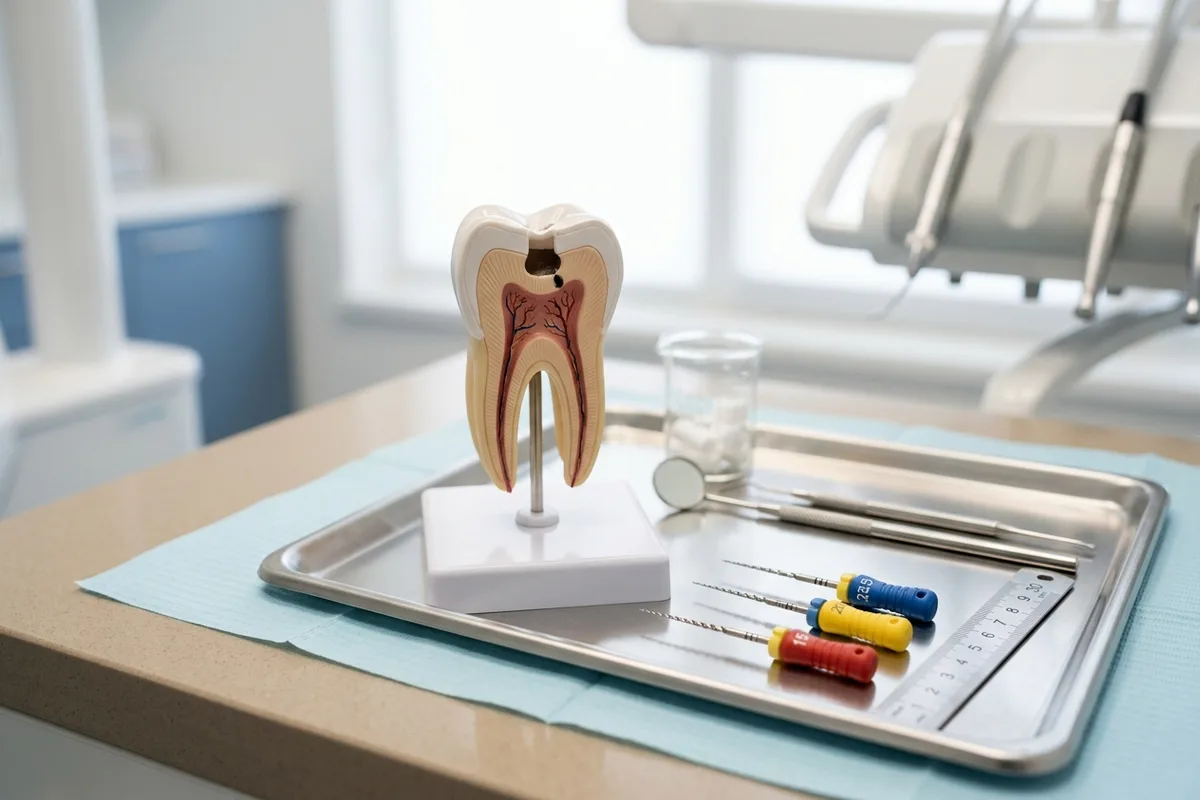
A root canal is a dental treatment designed to repair and save a severely damaged or infected tooth. Understanding the procedure can help you feel more comfortable if your dentist recommends this common therapy.
Understanding Root Canal Treatment
A root canal is a dental procedure used to repair and save a tooth that has severe decay or a serious infection. Instead of removing the damaged tooth, a dentist treats the inside to eliminate the infection and protect your oral health.[1]
The Purpose of the Procedure
The primary goal of a root canal is to preserve your natural tooth. When the tissues around the root become infected, harmful bacteria can severely damage the bone that connects the tooth to your jaw, making prompt treatment necessary to prevent complete tooth loss.[1]
The Role of Dental Pulp
Inside your tooth is a soft tissue called the pulp, which contains nerves and blood vessels that provide essential nourishment. When this tissue becomes infected, a dentist may recommend removing it during root canal treatment to save the tooth.[1]
Common Causes of Pulp Infection
Several different factors can lead to an infected tooth that requires a root canal. Understanding these common causes can help you recognize why your dentist might recommend this specific treatment to restore your dental health and relieve your discomfort.[1][2]
Severe Tooth Decay
A deep cavity can lead to the need for a root canal. When bacteria in the mouth produce acids that create deep cavities, the decay can eventually reach the inner pulp, leading to a painful infection or a pocket of pus called an abscess.[1][2]
Dental Trauma and Damage
Physical damage to a tooth can also compromise the internal nerves and blood vessels. A cracked or fractured tooth, repeated dental procedures on the same tooth, or a physical injury to the mouth can all cause the delicate pulp to become inflamed or infected.[1]
Recognizing the Symptoms
Knowing when to seek an evaluation is an important part of protecting your smile. Certain signs indicate that a tooth may be infected and that a root canal could be necessary to resolve the underlying issue.[1][2][4]
When to Consider Treatment
You may need a root canal if you experience a severe toothache or sensitivity to hot, cold, or sweet foods and drinks. Other warning signs include facial swelling, a fever, or the formation of an abscess inside the tooth or in the surrounding bone. Prompt evaluation is highly recommended.[1][2][4]
How Dentists Assess the Tooth
Before recommending a root canal, your dentist will perform a thorough examination to determine the source of your pain. This evaluation helps them understand the extent of the damage and plan the most effective approach for your specific situation.[1][4]
Dental Exams and Imaging
During your visit, the dentist will carefully examine your mouth and check for signs of infection or decay. They will also take dental X-rays to get a clear view of the affected tooth and the surrounding bone.[1][4]
Comparing Your Treatment Options
When a tooth is severely infected, the main options are generally to save the tooth with a root canal or to remove it entirely. Your dentist can help you weigh these choices based on the condition of your tooth.[1][4]
Saving the Natural Tooth
A root canal is specifically designed to save your natural tooth instead of extracting it. By removing the infection and sealing the tooth, this approach allows you to maintain your natural smile.[1]
Tooth Extraction as an Alternative
The primary alternative to a root canal is a tooth extraction, which involves completely removing the damaged tooth.[1][4]
The Root Canal Procedure
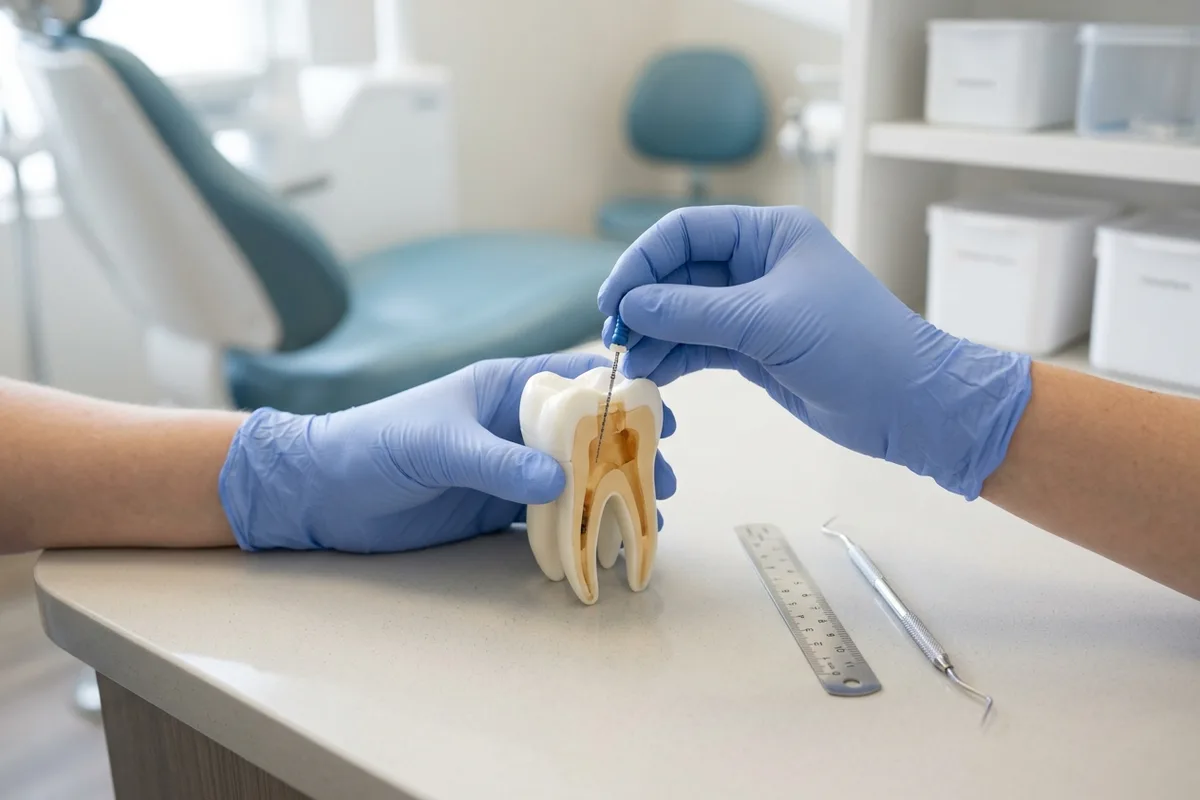
A root canal treatment typically takes one or two office visits to complete. Because dentists use local anesthesia to numb the area, patients generally experience little to no pain during the actual procedure. The process involves several careful steps to clean and restore the tooth.[1]
Preparing and Cleaning
The dentist first numbs the tooth and places a thin latex rubber sheet to keep the area clean and dry. They then perform several precise steps to remove the infection from the inside of the tooth and prepare the empty canals for a protective filling.[1]
- Creating an opening in the top of the tooth.
- Removing the infected nerve and pulp from the root canals.
- Cleaning the inside of the tooth, with germ-killing medicine if the dentist recommends it.
Sealing and Restoring
After cleaning, the empty root canals are filled with a rubber-like material to seal them against future infection. A temporary filling is placed to protect the tooth. At a follow-up visit, the dentist replaces this with a permanent filling or crown to fully restore the tooth.[1]
Healing and Maintaining Your Smile
With proper care, a restored tooth can last a lifetime. Following your dentist's aftercare instructions and maintaining a strong daily oral hygiene routine can help you care for your restored tooth and surrounding teeth.[1]
Immediate Aftercare
It is normal for the treated tooth and surrounding area to feel sensitive for a few days after the procedure. Your dentist can discuss ways to relieve any discomfort. They may also prescribe antibiotics if the infection had spread, which you should use exactly as directed.[1]
Long-Term Oral Hygiene
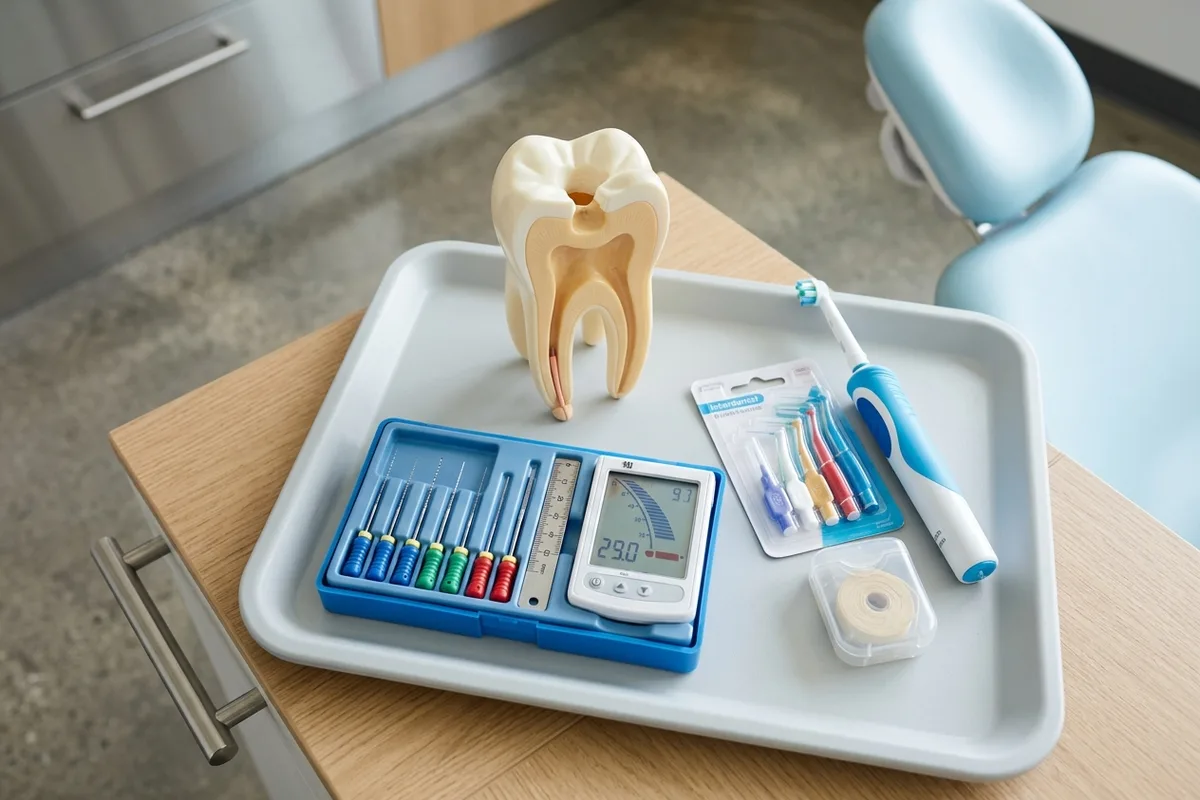
To protect your restored tooth, brush twice a day for two minutes with fluoride toothpaste and clean between your teeth daily. Additionally, wearing a mouthguard during sports and avoiding chewing on hard items like ice or popcorn kernels can help prevent future tooth fractures and dental emergencies.[1][3]
The Risks of Delaying Care
Ignoring the signs of an infected tooth can lead to more severe complications. If you suspect you might need a root canal, it is important to understand the risks of leaving the condition untreated and to take the appropriate next steps.[1]
Complications of Untreated Infections
If left untreated, the tissues around the root can become severely infected, leading to painful swelling and the formation of abscesses. Furthermore, the bacteria can damage the bone that keeps your tooth connected to your jaw, putting you at risk of losing the tooth completely.[1]
Sources
- Root Canals | MouthHealthy - Oral Health Information from the ADA — American Dental Association
- Tooth Decay | NIDCRLockBack to top — National Institute of Dental and Craniofacial Research
- Dental Emergencies | MouthHealthy - Oral Health Information from the ADA — American Dental Association
- Toothaches: MedlinePlus Medical EncyclopediaLock — medlineplus.gov
Common questions
Frequently asked questions
Talk with Riverside West Dental Group about your next step
If you are experiencing severe tooth pain or sensitivity, contact Riverside West Dental Group today. Book an appointment with our team to discuss your symptoms and find out if a root canal can help save your smile.
More Articles
View allPreventive & GeneralTooth Infection: A Patient Guide to Root Canal Treatment
A tooth infection can cause severe pain and may threaten your oral health. Learn about common causes, symptoms to watch for, and how root canal treatment may be recommended to treat infection and try to save your natural tooth.October 7, 2026 · 5 min read Preventive Dentistry
Night Guard For Teeth Grinding: A Patient Guide to Night Guards for Grinding
A night guard for teeth grinding may help limit tooth wear, but it does not necessarily stop grinding or resolve jaw pain. Learn when a dentist may recommend one and how fit and care matter.September 14, 2026 · 6 min read Pediatric Dentistry