Sinus Lift in Riverside
The upper back jaw often has too little bone for an implant because the sinus sits just above it. A sinus lift raises the sinus floor and adds bone beneath it.
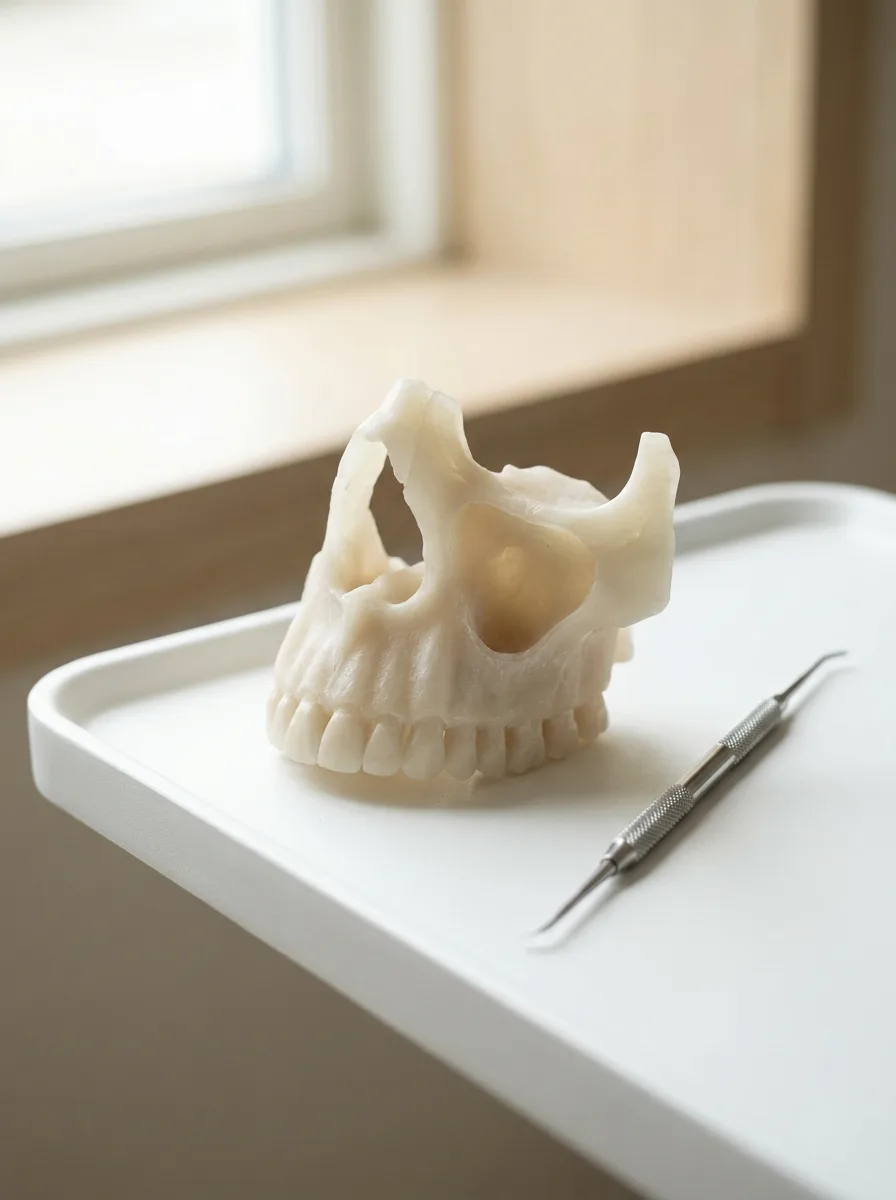
How Sinus Augmentation Creates Implant Space
A sinus lift, or sinus augmentation, is a procedure considered when the upper back jaw lacks enough bone for a planned implant. It creates space beneath the sinus lining for bone development. The need and technique depend on anatomy; it is not a routine step for every upper-jaw implant.
The space being enlarged is the bone-bearing area below the sinus, not the tooth socket alone. The surgeon carefully lifts the lining and places graft material beneath it, then closes the gum while healing proceeds. The lining remains an important boundary between the graft and the air space. This makes sinus augmentation different from adding bone to a ridge away from the sinus.
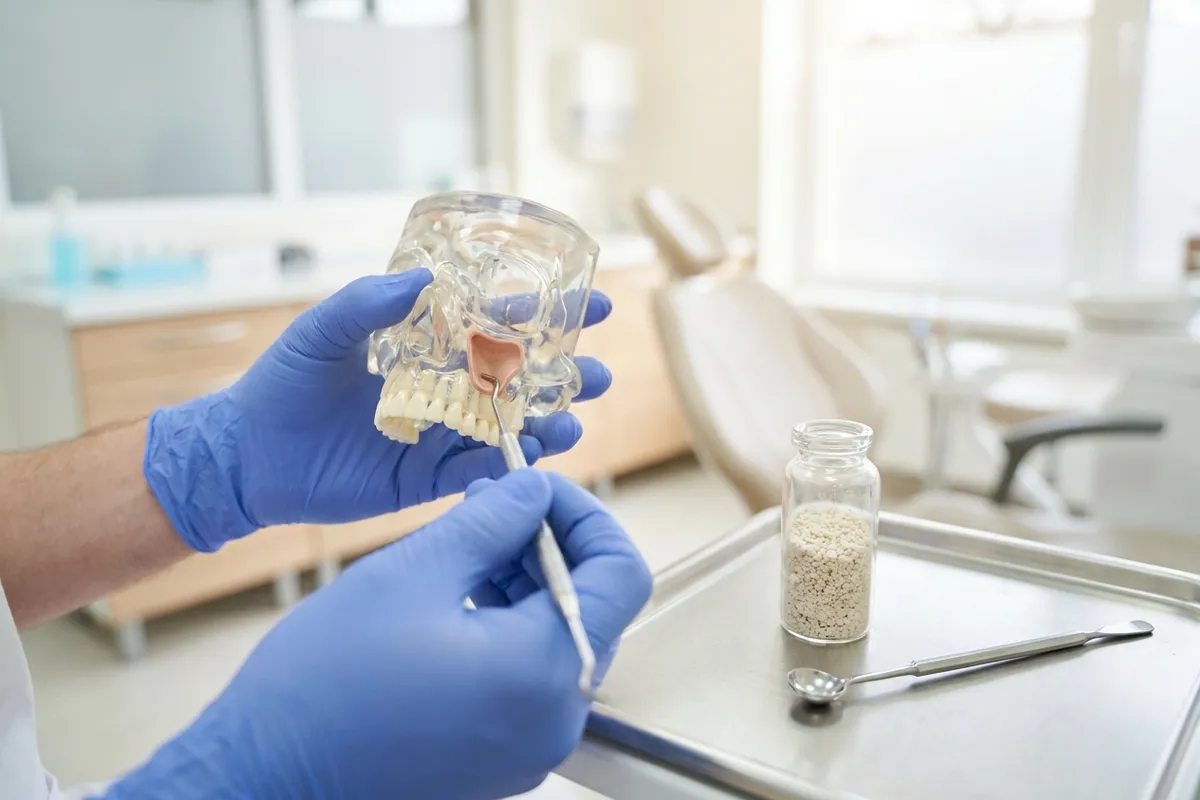
Why Upper Back Teeth Need Special Planning
The maxillary sinus lies above the back upper teeth. Tooth loss and changes in bone height can leave limited space between the jaw ridge and sinus floor. Assessing that relationship helps determine whether augmentation, a different implant plan, or another type of tooth replacement would be appropriate.
Replacing an upper molar involves both a chewing surface and support beneath it. A tooth-shaped restoration cannot compensate for an unsuitable foundation. When several back teeth are missing, the proposed replacement and its supporting positions should be considered together. This helps explain why the recommendation may differ between two nearby sites even though both are in the upper jaw.
- Upper back teeth sit near the maxillary sinus, and available bone height may limit where a dental implant can be placed.
- A sinus augmentation raises the sinus membrane and places graft material to develop additional supporting bone in selected sites.
- The procedure is linked to a particular implant plan; not every missing upper molar or reduced-bone site requires a sinus lift.
Sinus Health and Surgical Suitability
Patients considering implants in the upper back jaw may need an evaluation of the available bone and sinus anatomy. Tell your dentist about sinus symptoms, previous sinus surgery, smoking, and relevant medical conditions. Some findings require further assessment before surgery rather than assuming every site can be treated in the same way.
This is implant preparation rather than treatment for nasal congestion. If sinus symptoms need investigation, that assessment may affect when dental surgery can proceed. Bring records of previous sinus treatment when available so the clinicians can distinguish an established condition from a new complaint. Discuss who will coordinate any additional assessment and how the outcome could change the proposed tooth-replacement plan.
- Tell your dentist about sinus symptoms, previous sinus surgery, smoking, and medical or medication factors that could affect healing.
- Ask whether another implant design or a non-implant replacement could meet your needs without the proposed sinus procedure.
- Discuss material preferences and any relevant allergies before the graft and surgical approach are selected for your site.
Planning the Graft and Implant Sequence
A sinus lift can be a separate stage before an implant, or sometimes occur with placement when conditions are suitable. Healing takes time and is reviewed before further work. The sequence depends on remaining bone and site stability, so a single fixed timeline cannot be promised for every patient.
Evaluating Bone Height and Sinus Anatomy
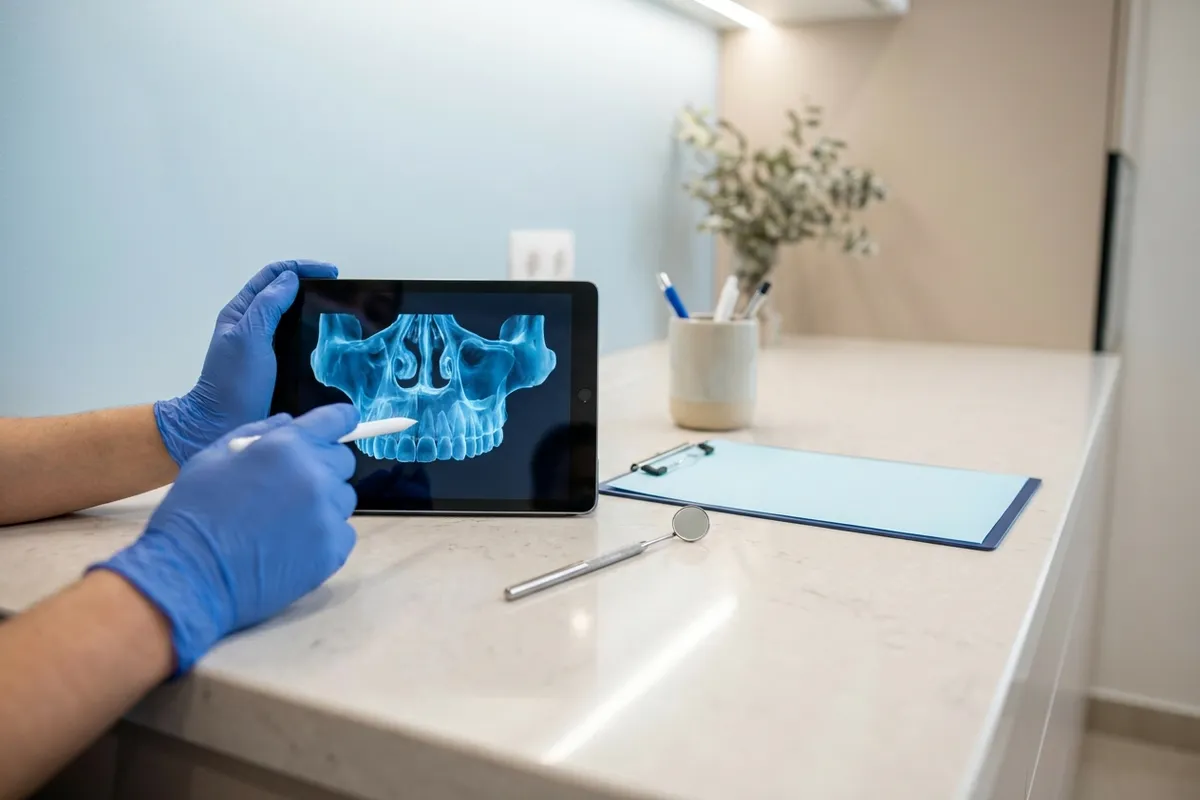
The dentist reviews your health history and examines the proposed implant area. Appropriate imaging helps assess bone height, sinus position, and other features relevant to planning. The dental team discuss the likely stages, graft choices, risks, alternatives, and whether specialist care is needed for the anatomy or procedure involved.
- Selected imaging assesses available bone, sinus anatomy, and the relationship of the site to adjacent structures before planning.
- The approach and whether implant placement happens at the same time or later depend on anatomy and initial bone support.
- Discuss membrane injury, infection, and healing-related risks specific to the procedure, including whether specialist assessment is advisable.
Surgical Approaches and Replacement Alternatives
Different techniques can raise the sinus lining and provide space for graft material. The method follows the clinical assessment rather than the service name alone. The dental team explain comfort planning and how the area will be protected during healing. Alternatives may include another implant strategy or a bridge or denture when appropriate.
One approach reaches the sinus through a small opening in the side of the upper jaw. The surgeon uses that access to lift the lining and place graft material. These are surgical choices based on the required lift and existing bone, not options to select from a photograph. Comparing them should include access to the area, protection of the lining, and the additional healing each plan involves.
Sinus Precautions and Healing Reviews
Follow the specific instructions about cleaning, food, activity, and sinus pressure, including any advice about nose blowing or sneezing. Attend healing reviews and report worsening pain, fever, persistent bleeding, or unusual sinus symptoms. The site needs reassessment before the next treatment stage, even when early discomfort has settled.
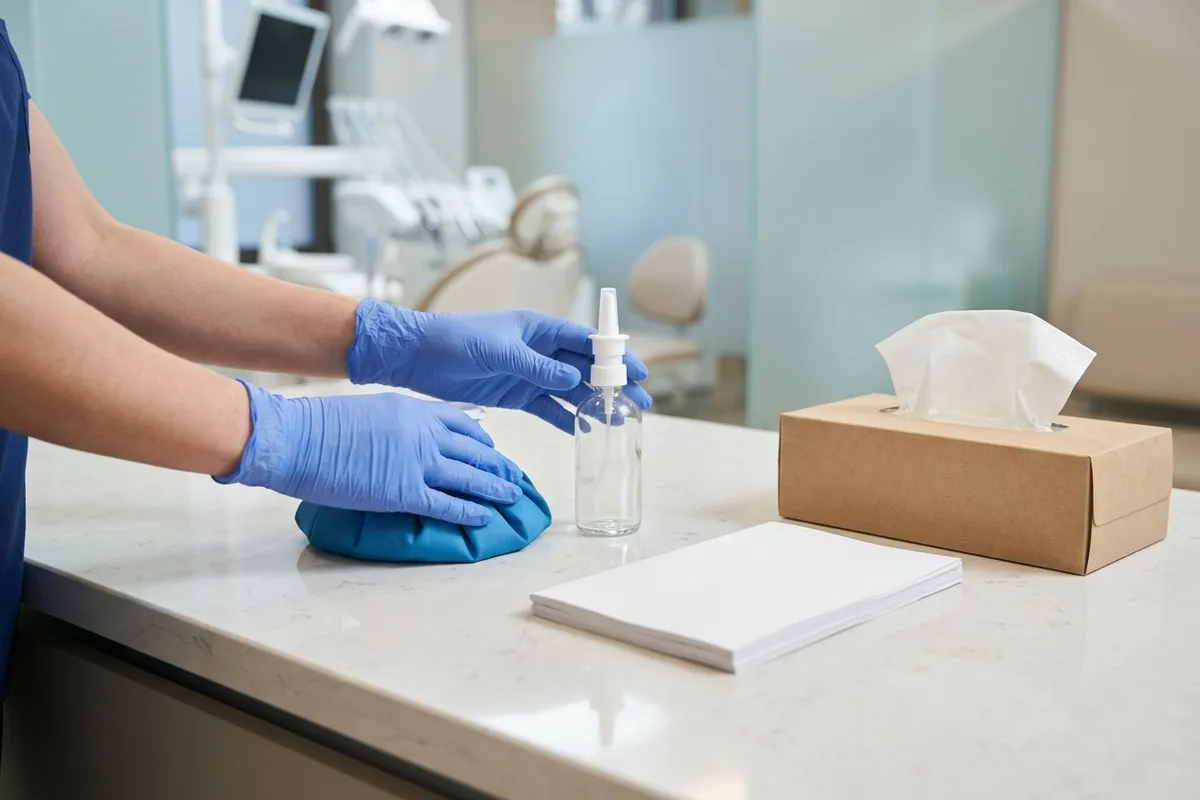
Pressure precautions matter because the healing area borders an air-filled cavity connected to the nose. Before going home, clarify what the surgeon advises if a sneeze or congestion occurs and whether planned travel or exercise needs adjustment. Keep the instructions accessible during recovery. A nasal symptom that begins after the procedure should be described with its timing and the side affected when you call.
- Follow the surgeon's sinus precautions, including guidance about nose blowing and sneezing, for the period advised in your instructions.
- Contact the treating team about unexpected nasal symptoms, fluid passage, increasing swelling, or fever rather than changing aftercare yourself.
- Attend healing checks and wait for confirmation that the site is ready before assuming implant placement or restoration can proceed.
Sinus lift treatment stages
Sinus augmentation may create bone for upper back-tooth implants when the space below the sinus is insufficient.
Assess bone and sinus anatomy
Imaging helps evaluate the height of the upper jaw ridge and its relationship to the sinus. Share any sinus history, and discuss whether augmentation or another tooth-replacement approach best fits the proposed implant plan.
Create space for the graft
The treating clinician lifts the sinus membrane using the selected surgical approach and places graft material beneath it. Implant placement may occur at the same procedure or later, depending on the available bone and surgical findings.
Protect the sinus area during healing
Follow the surgeon's specific sinus precautions and attend healing reviews. Report unusual nasal symptoms or increasing pain or swelling, and wait for the clinician's assessment of readiness before moving to the next implant stage.
Other Services




Questions About Your Care

Request your appointment today
Riverside West Dental Group is accepting new patients. We greet you by your first name and treat you like family.
Why patients choose Riverside West Dental
Dr. Steven S. Kim brings 30 years of experience to Riverside West Dental Group.
Experienced doctor
Dr. Kim provides efficient care for routine checkups and complex cases.
Clear explanations
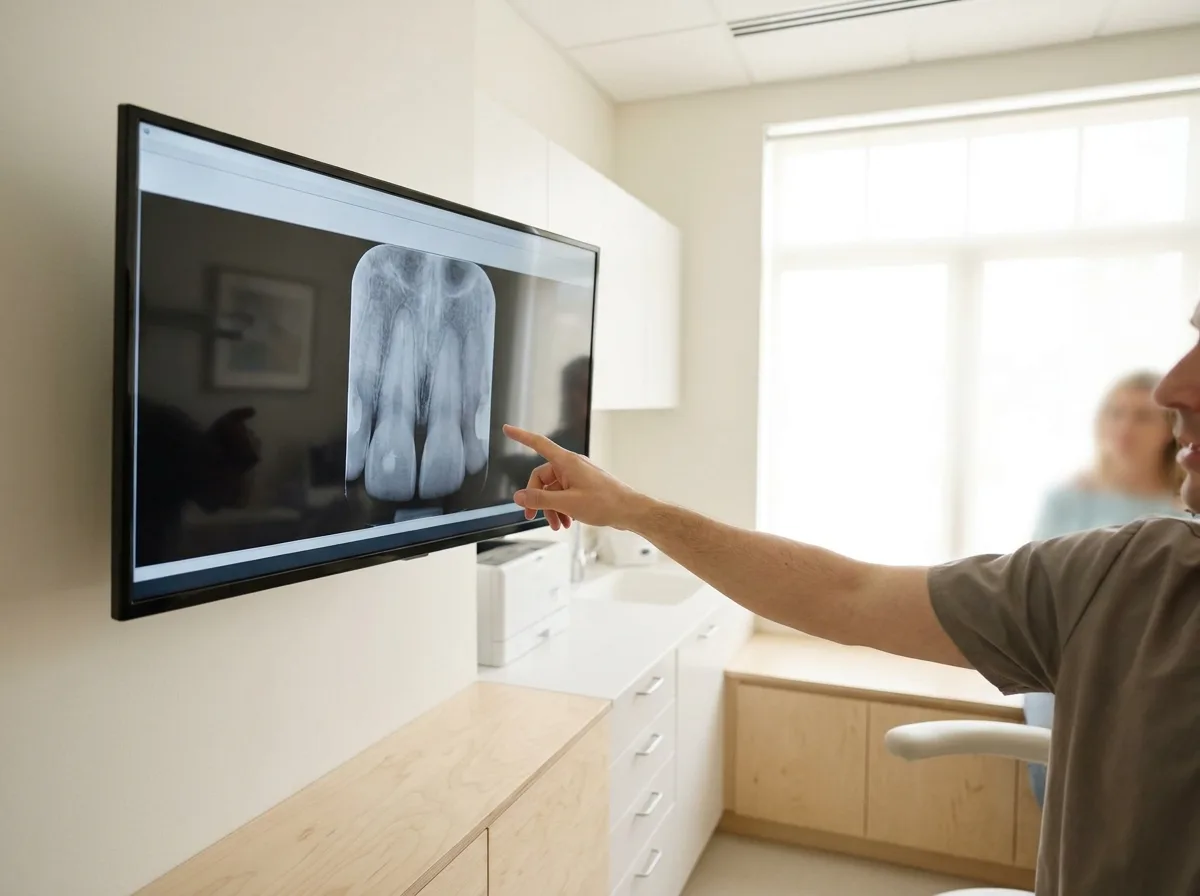
You hear every finding in plain words before a plan is made.

Consistent care
You see the exact same dentist every time you visit our office.
We're waiting for you in Riverside
6945 Streeter Ave
Riverside, CA 92504
- Monday, Thursday and Friday
- 9:00AM – 6:00PM
- Tuesday, Wednesday and the weekend
- Closed