Teeth Whitening in Riverside
Dr. Steven S. Kim provides professional Teeth Whitening for adults at Riverside West Dental Group. After 30 years in practice, he knows how to lift stains safely. You receive a clear explanation of the process in plain words before any treatment begins.

How Whitening Changes Natural Tooth Colour
Professional whitening uses peroxide-based products to lighten suitable natural teeth. It is different from a cleaning, which removes deposits and some surface stains. The right approach depends on the cause of discoloration, your dental health, and your preferences. An assessment helps you understand likely benefits and limitations.
Peroxide breaks down colored compounds within natural teeth rather than adding an opaque white covering. Toothpastes marketed for stain removal mainly act on the surface and have a different purpose. Starting shades can differ between individual teeth, so a change may be uneven. Whitening does not make every tooth identical or guarantee a particular finished shade.
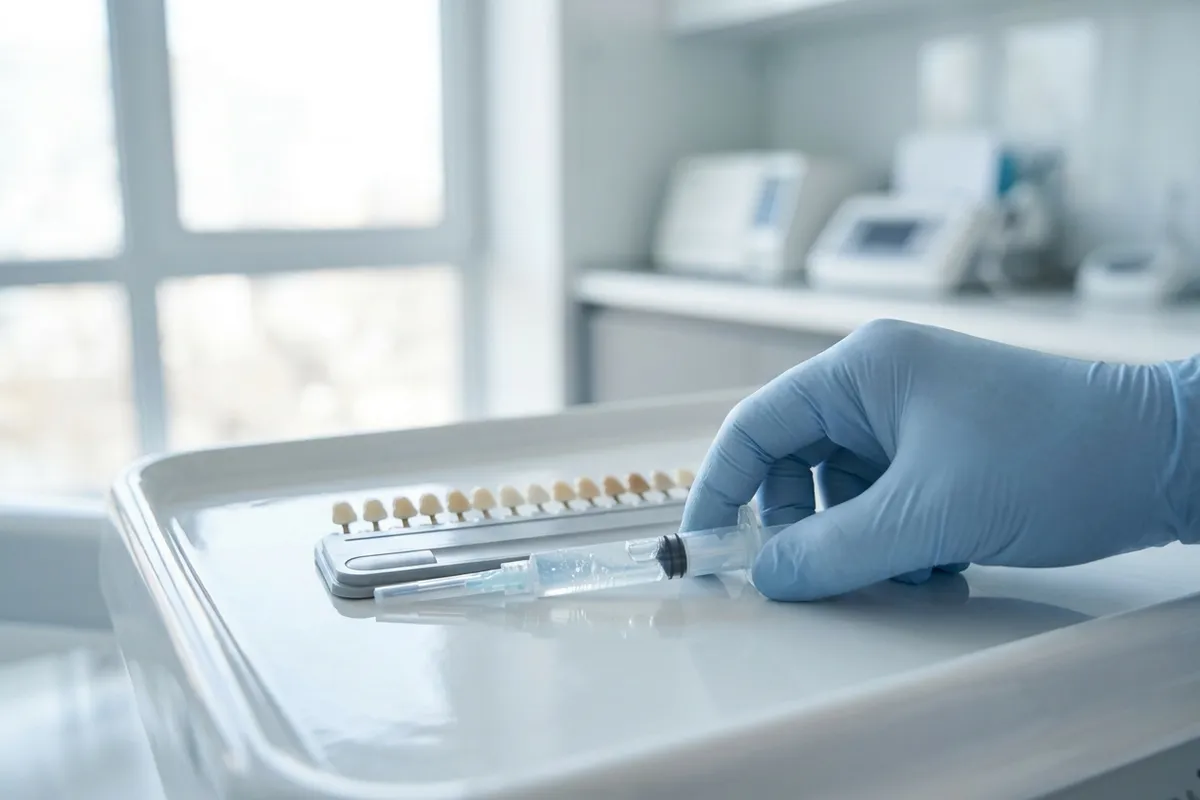
Understanding the Cause of Discolouration
Foods, drinks, tobacco, aging, medications, and changes inside a tooth can affect color. Not all discoloration responds equally to whitening. A single dark tooth may need a different assessment from generalized staining, and crowns, veneers, and fillings do not lighten like natural enamel.
Timing matters when a color change is new or confined to one tooth. Gradual staining across several teeth has a different history from a tooth darkening after a knock to the mouth. Describe the change and any earlier injury even if pain has stopped. This helps the dentist decide whether the first step is assessing the tooth's health rather than treating its appearance.
- Surface stains from food, drinks, or tobacco may respond differently from color changes caused by injury or internal tooth changes.
- Professional cleaning may improve some surface staining without bleaching, so the cause should be assessed before selecting a whitening product.
- Whitening affects suitable natural teeth; crowns, veneers, and fillings may remain their original shade and create a visible mismatch.
Sensitivity and Whitening Suitability
Whitening may be suitable when teeth and gums are healthy and the discoloration is likely to respond. Let your dentist know about sensitivity, exposed roots, previous whitening, and visible restorations. Decay and gum problems should be assessed first. The plan may need to account for shade differences between natural teeth and existing dental work.
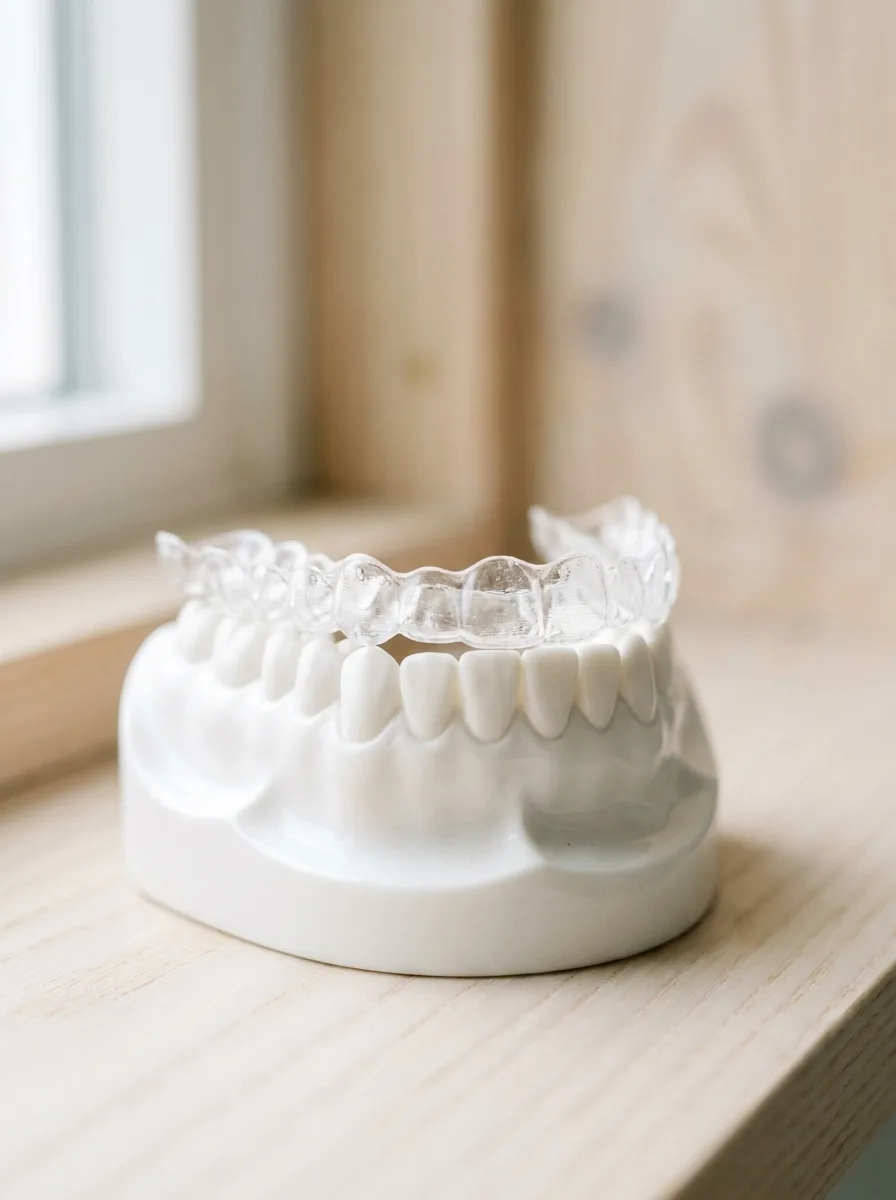
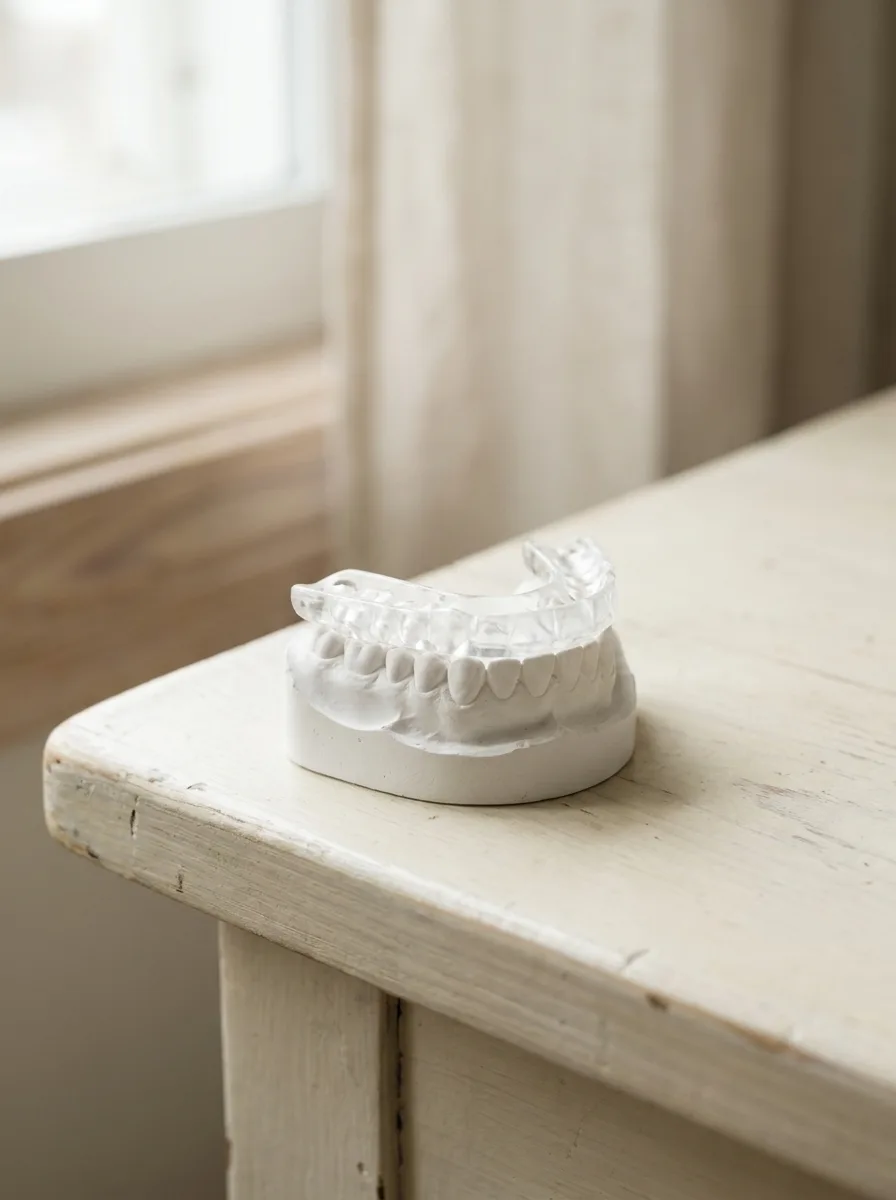
The application method also needs to suit your mouth and routine. An at-home tray must hold the product against the intended teeth without excessive contact with the gums. In-office care uses protection for nearby soft tissues. Confirm how the selected method will be used around your sensitive areas and existing dental work; a stronger product is not automatically the most suitable choice.
- Mention exposed roots or sensitivity so product choice and treatment frequency can account for discomfort and gum irritation.
- Have a single dark tooth assessed before bleaching; previous trauma or pulp changes may call for a different treatment approach.
- Tell your dentist about pregnancy, nursing, previous whitening, and visible dental work before deciding whether elective treatment should begin now.
Planning Treatment and Shade Decisions
Allow time to evaluate your mouth and discuss realistic results before planning around an event. Treatment length varies by method, product, and response. If other cosmetic work is planned, its sequence matters because restorations are shade-matched separately. The dental team advise when to review the result rather than promise a fixed number of shades.
Checking Stains, Restorations and Oral Health
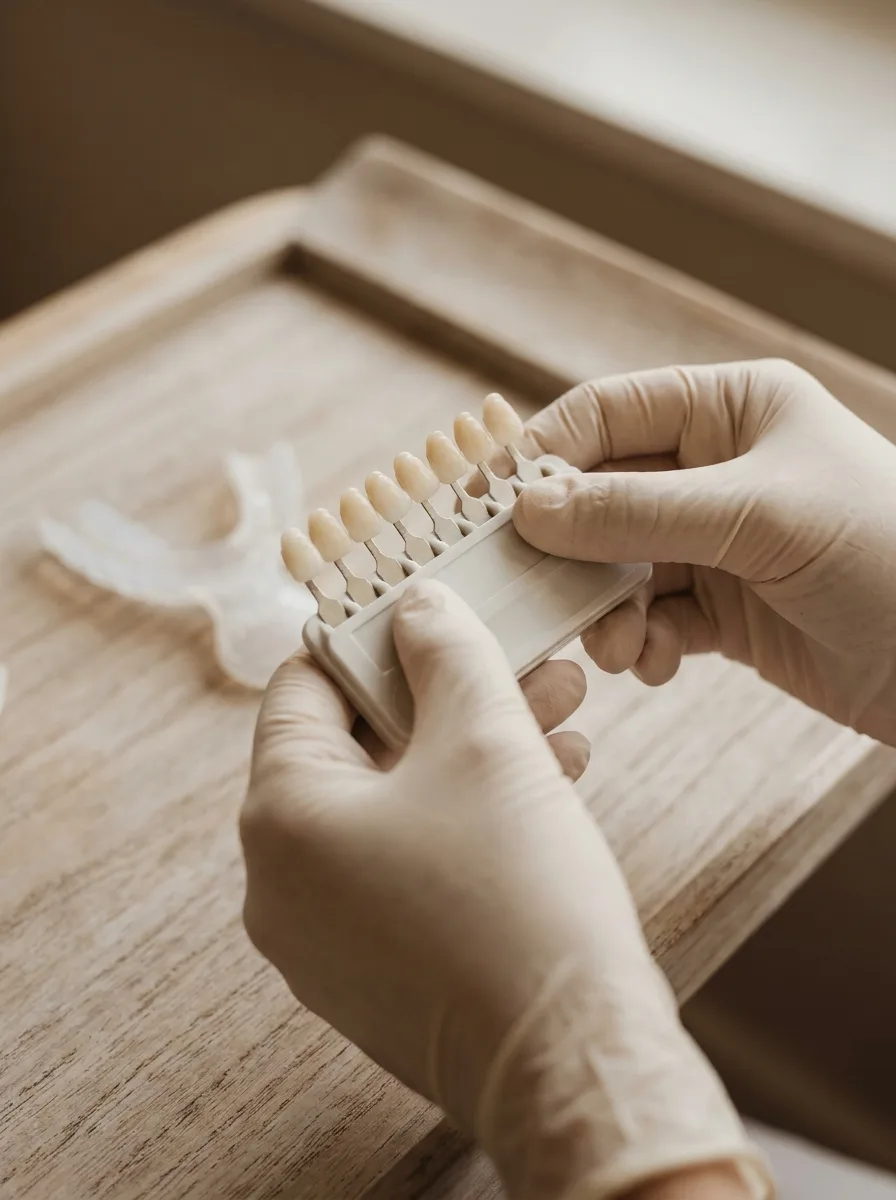
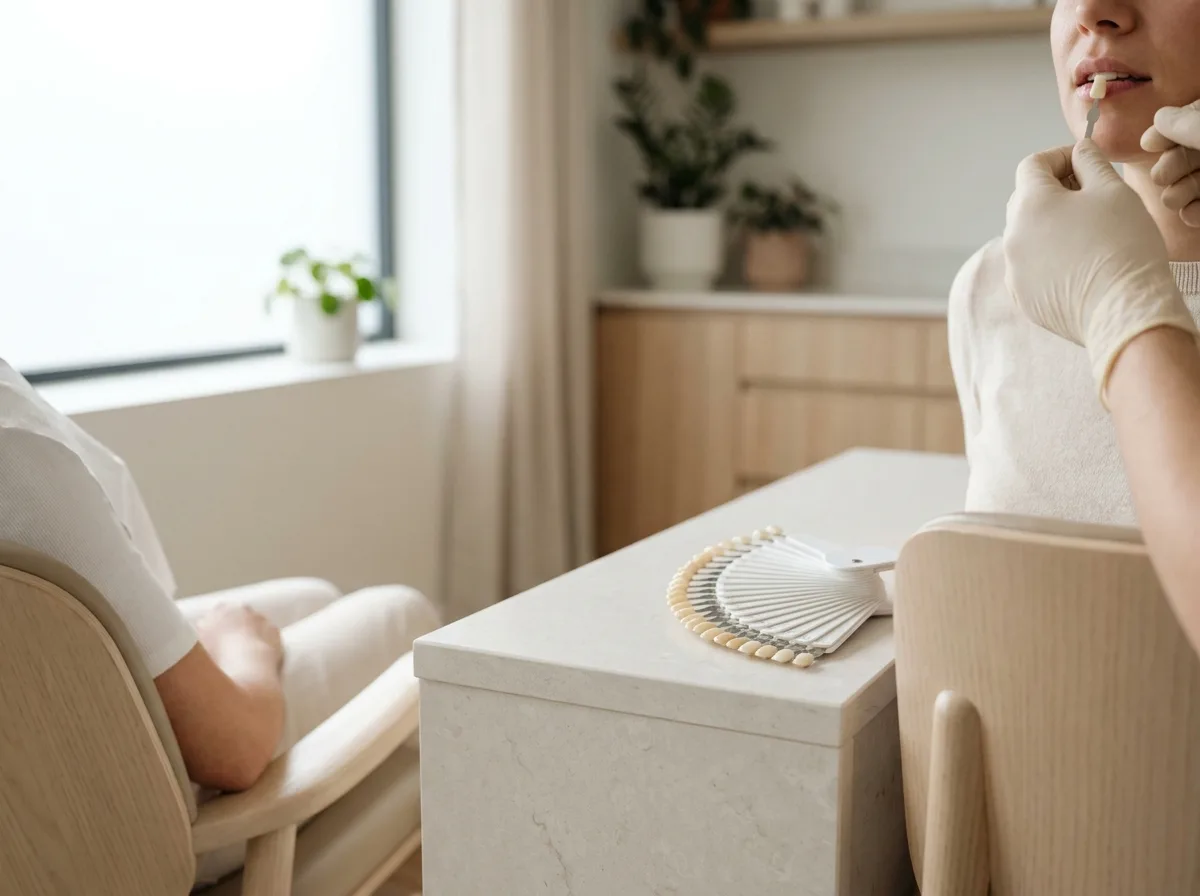
The dental team assess tooth color, the source of staining, enamel condition, and any existing restorations. Your history of sensitivity helps guide product selection and instructions. A shade record can help compare changes. If whitening is unlikely to meet your goals, the dental team explain alternatives such as bonding, veneers, or internal bleaching for a suitable root-treated tooth.
- The starting shade and pattern of staining help establish what improvement is realistic and whether another option better fits your goal.
- The dentist checks for decay, leaking restorations, exposed dentin, and gum concerns that should be addressed before whitening begins.
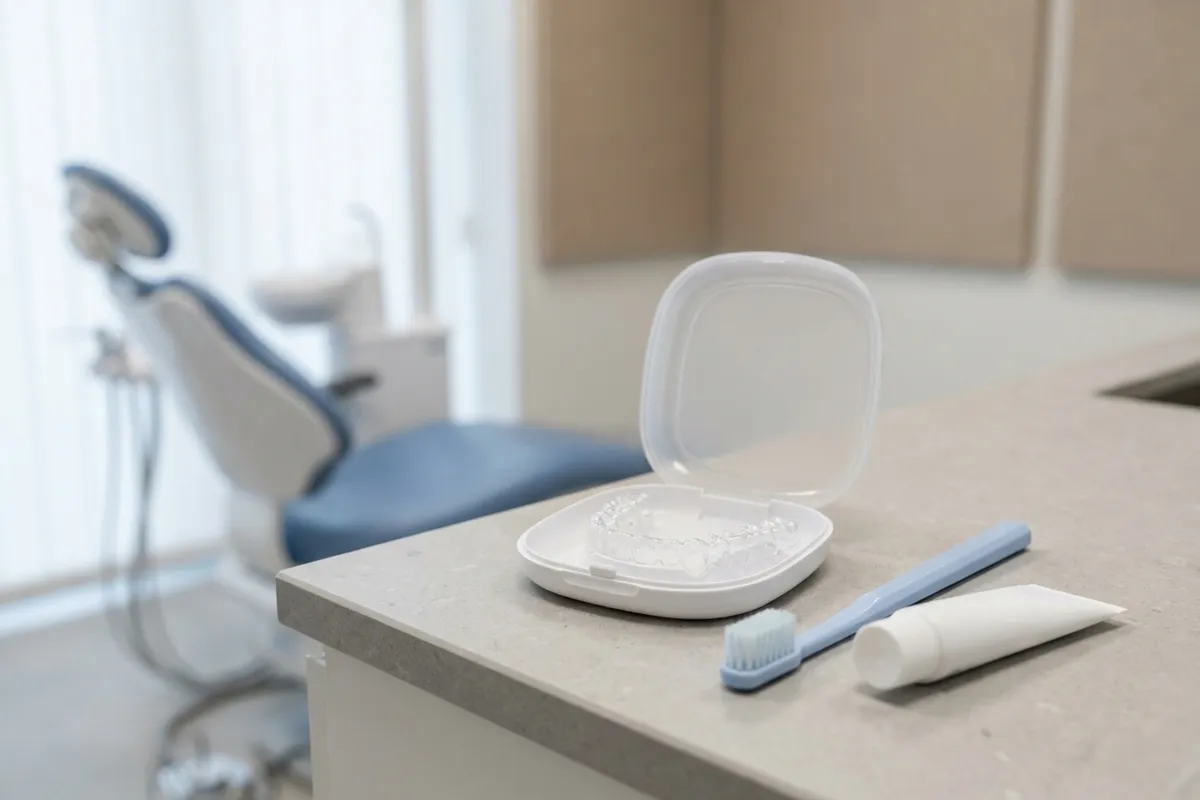
- For take-home treatment, clarify tray fit, product amount, wear duration, and what to do if gel contacts or irritates the gums.
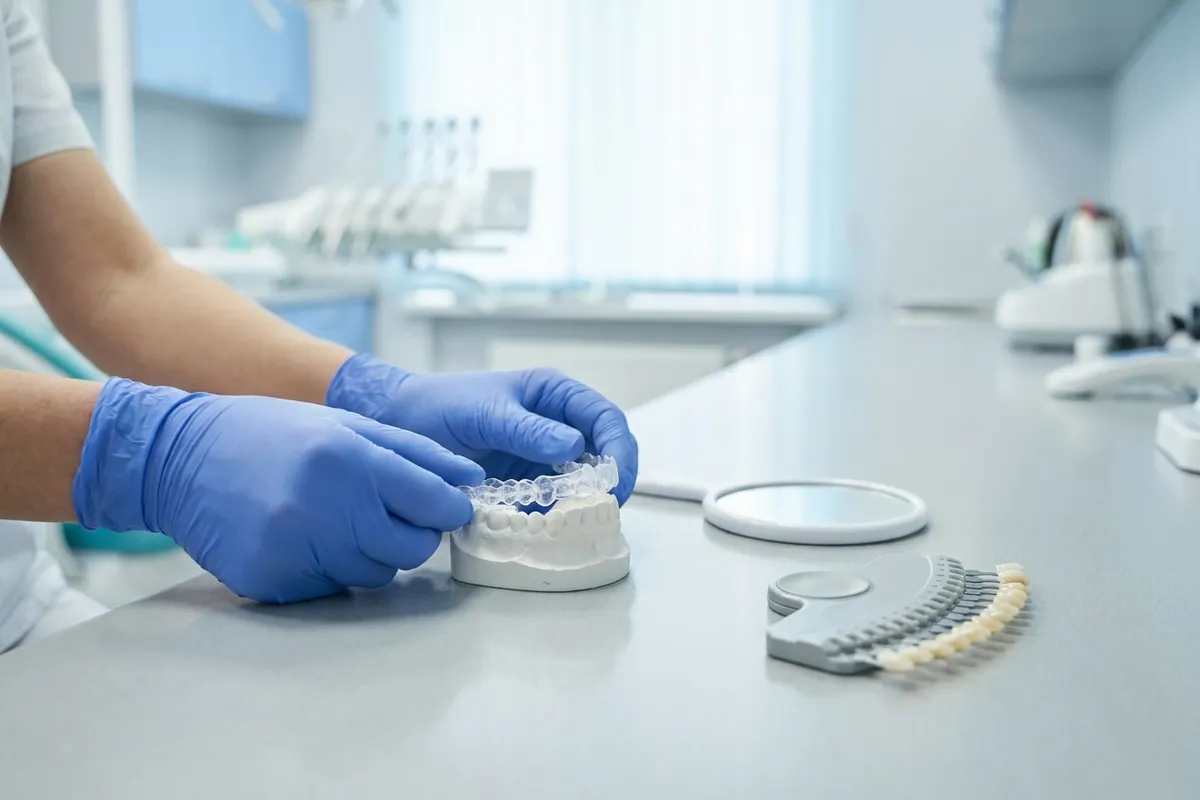
Whitening Methods and Other Options
In-office whitening is applied under professional supervision with protection for surrounding tissues. A supervised take-home approach uses trays and product-specific instructions. Ask which methods are available and suitable for your case. Wear time and applications follow the recommended product and your response; more frequent use is not automatically better.
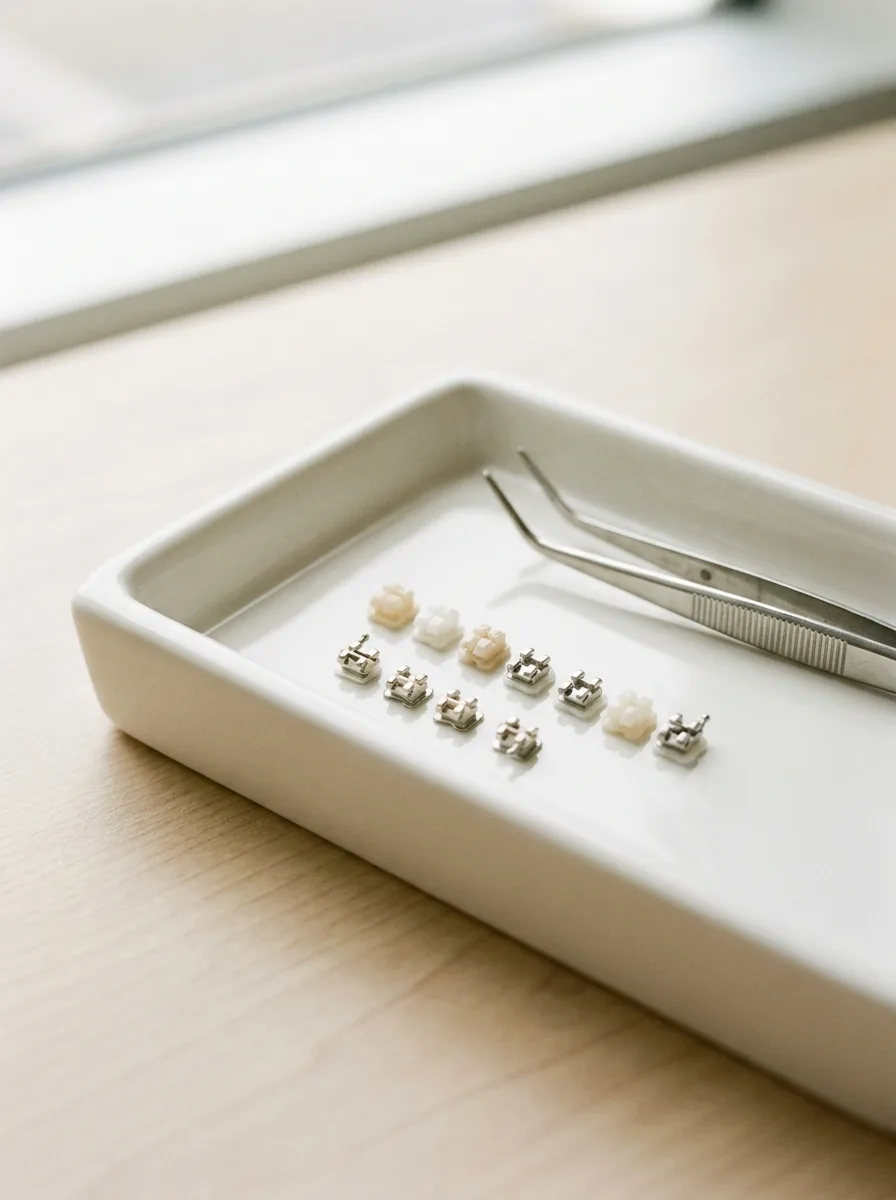
Supervised home treatment and office treatment have different appointment and daily-use requirements. Neither should be assumed to create a particular shade for every patient. If shape as well as colour is the concern, bonding or veneers may be discussed, including their preparation and maintenance. Ask which methods this practice offers and how visible restorations would affect the plan before committing to a course.
Maintaining Colour and Managing Sensitivity
Temporary sensitivity and gum irritation can occur. Follow the provided instructions and contact the treating clinician if discomfort persists. Maintain brushing, interdental cleaning, and appropriate cleaning visits, and discuss touch-ups rather than continually increasing treatment. Results vary with tooth characteristics and habits, and later restorations may need separate shade planning.
Keep the product name and application details so the clinician knows what you used if discomfort develops. A tray that spills gel onto the gums may need its use or fit reviewed. Do not substitute another product while following the original schedule, because concentrations and instructions differ. Shade review should assess the actual response before another course or restoration is considered.
- Use only the schedule provided for your product; extending wear or combining products can increase sensitivity without guaranteeing a better result.
- Report persistent pain or gum irritation, and ask whether treatment should pause or be modified before the next application.
- Discuss touch-ups and any later shade-matched restorations after the response has been reviewed rather than continually whitening without reassessment.
Teeth whitening steps
Whitening begins with finding the cause of discolouration and choosing a suitable method, followed by review of the response.
Check stains and dental health
The dentist assesses tooth colour, sensitivity, decay and existing restorations before bleaching is considered. Discuss achievable changes, including the fact that crowns, veneers and fillings will not whiten with the natural teeth.
Follow the chosen whitening method
If whitening is suitable, use the agreed professional or dentist-guided approach with its specific application instructions. Product choice and exposure time matter; increasing the amount or duration on your own can irritate teeth and gums.
Assess shade and sensitivity
Review the colour change and any tooth or gum discomfort before considering further applications. Maintenance advice addresses staining habits and safe future use, rather than promising a fixed shade or permanent result.
Other Services


Questions About Your Care

Book your whitening visit
Riverside West Dental Group accepts PPO insurance. Request your visit online or call our office.
Why patients choose Riverside West Dental
Dr. Steven S. Kim brings 30 years of experience to Riverside West Dental Group.
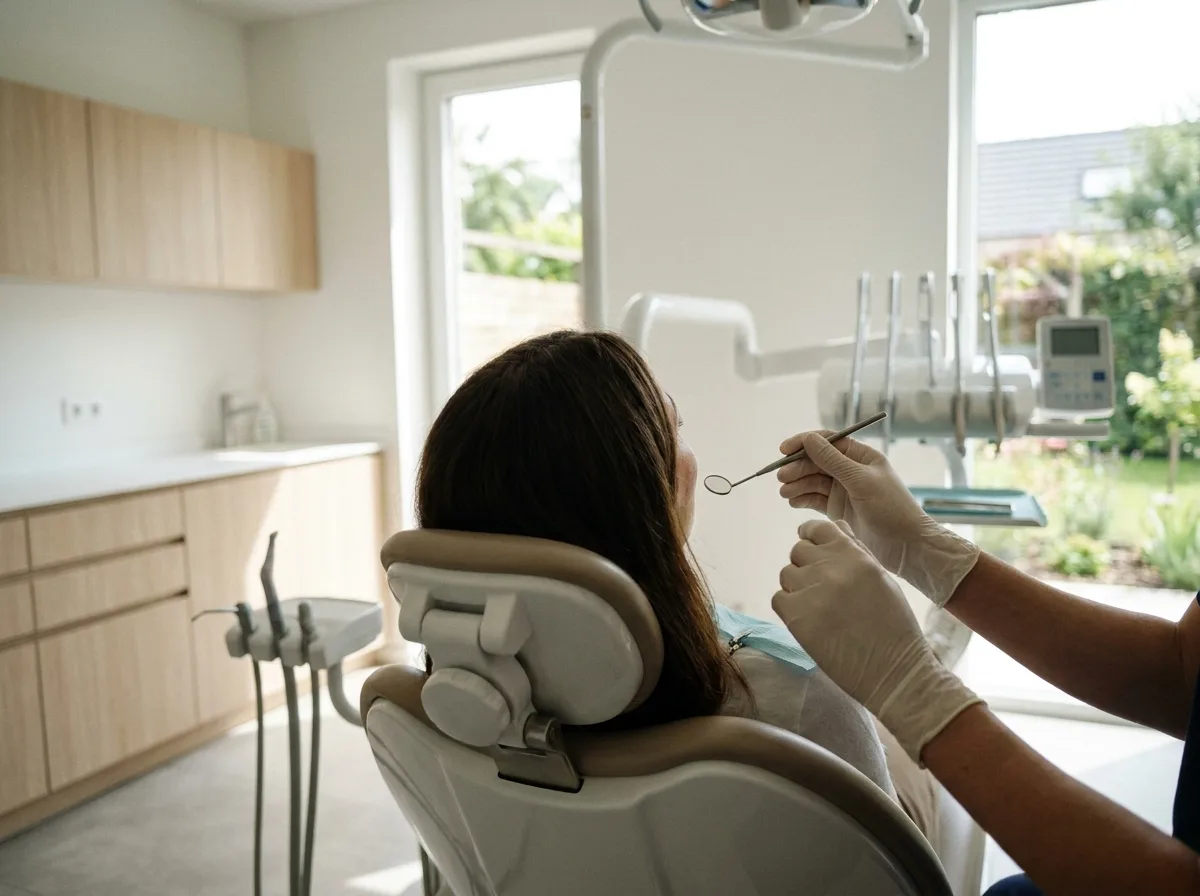
Experienced doctor
Dr. Kim provides efficient care for routine checkups and complex cases.
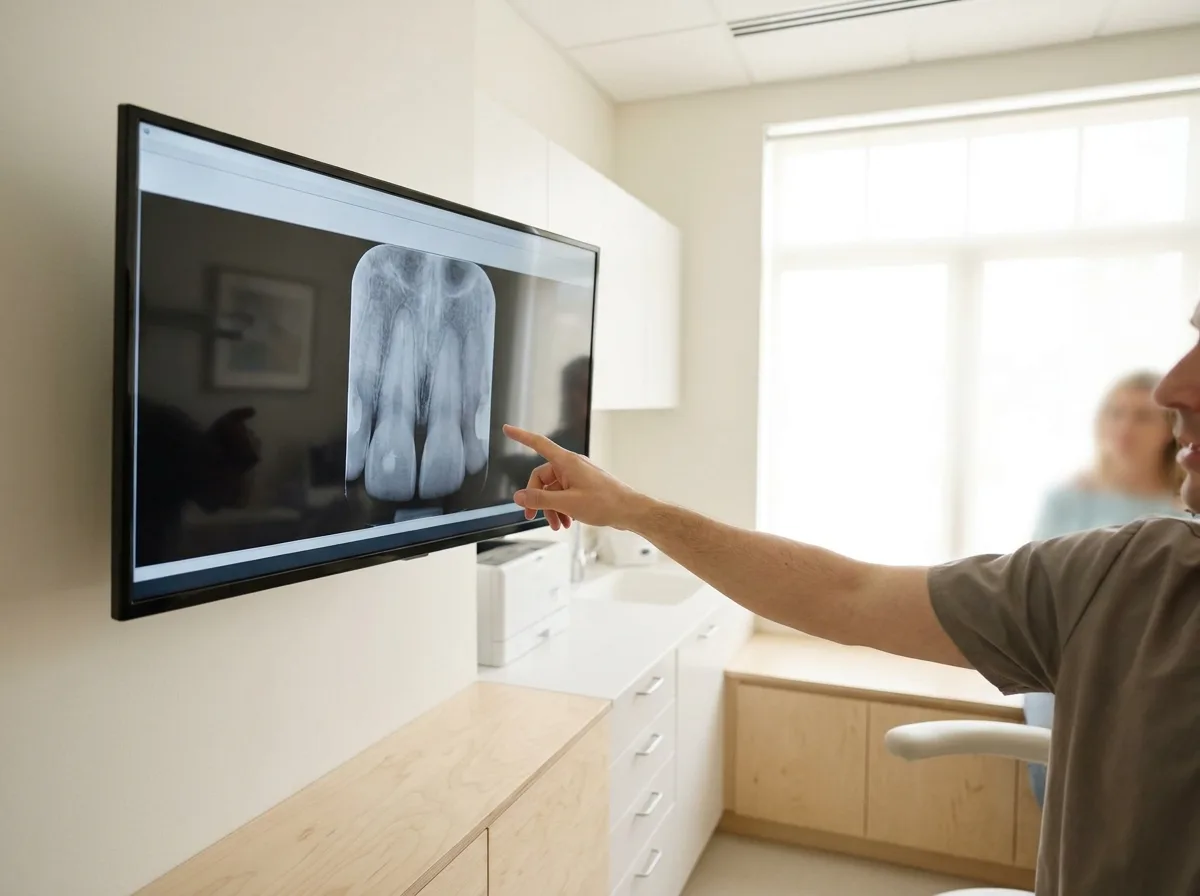
Clear explanations
You hear every finding in plain words before a plan is made.
Consistent care
You see the exact same dentist every time you visit our office.
We're waiting for you in Riverside
6945 Streeter Ave
Riverside, CA 92504
- Monday, Thursday and Friday
- 9:00AM – 6:00PM
- Tuesday, Wednesday and the weekend
- Closed