Tooth Infection: A Patient Guide to Root Canal Treatment
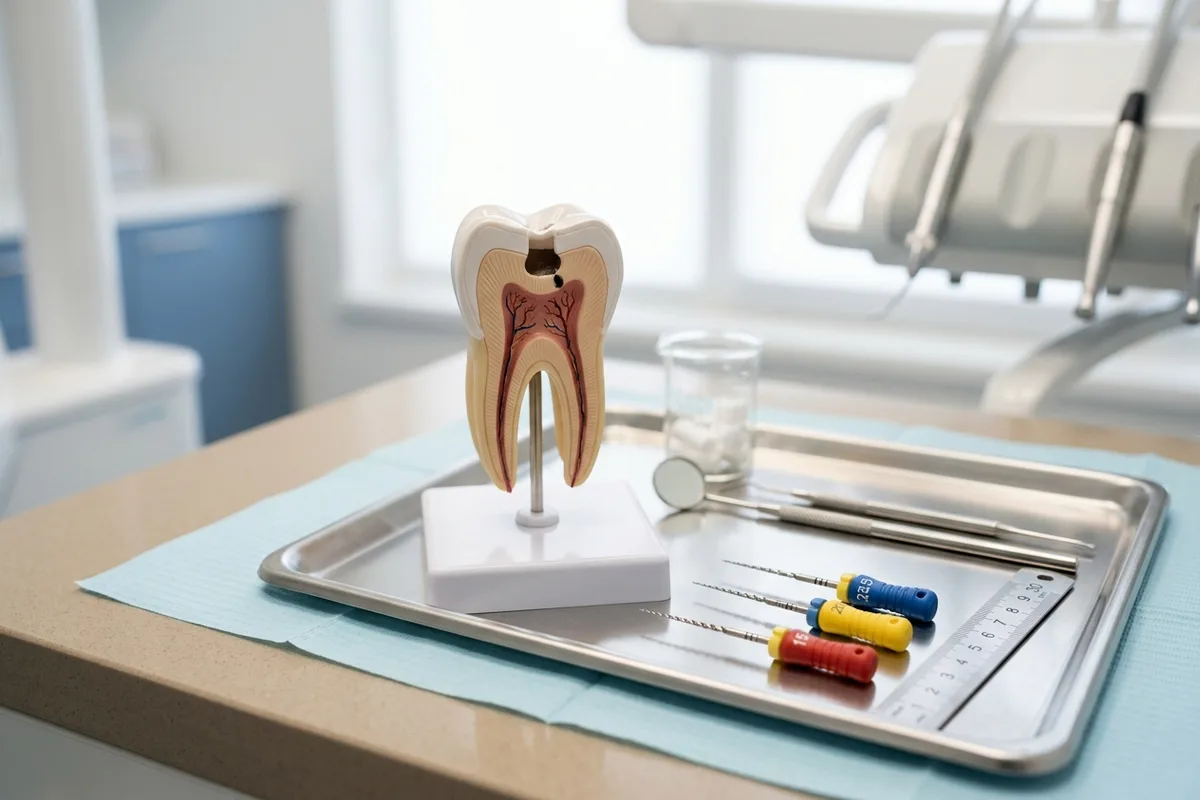
A tooth infection can cause severe pain and may threaten your oral health. Learn about common causes, symptoms to watch for, and how root canal treatment may be recommended to treat infection and try to save your natural tooth.
Understanding Tooth Infections and Root Canals
A tooth infection can occur when bacteria invade the soft inner tissues of your tooth. When this happens, root canal treatment may be recommended to treat the infection and try to save the tooth.[1][3]
What is a tooth abscess?
An abscess is a painful pocket of pus that forms when a bacterial infection develops in or around a tooth. As pus builds up, it causes tissue swelling and continuous pain. Without treatment, the active infection can destroy surrounding tissues and spread to the supporting bones.[1]
How a root canal helps
Rather than removing an infected tooth entirely, root canal treatment can help repair and save it. By accessing the center of the tooth, a dentist or endodontist can remove infected pulp tissue, which contains nerves and blood vessels.[3]
Causes of a Tooth Infection
Several factors can allow bacteria to bypass your protective enamel and infect the sensitive pulp inside. Understanding these underlying causes can help you and your dentist determine if a root canal is the appropriate treatment for your specific condition.[1][3]
Severe tooth decay
Tooth decay starts when bacteria mix with sugars and starches to form enamel-attacking acids. Over time, this acid creates holes called cavities. If a deep cavity is left untreated, openings in the enamel allow bacteria to reach and infect the soft pulp tissue at the center.[1][2][3]
Dental injuries and trauma
Infections can also develop if a tooth is broken, chipped, or fractured, providing a direct pathway for bacteria. Even if there is no visible crack, an injury to the tooth or repeated dental procedures can disturb the inner tissue, eventually leading to a serious infection.[1][3]
When to Seek Treatment
Early tooth decay often has no symptoms, but a tooth abscess can cause severe discomfort. Recognizing the warning signs can help you seek dental care; untreated abscesses may worsen and cause complications.[1][2]
Recognizing infection symptoms
The most common symptom is a severe, continuous toothache that may feel sharp, shooting, or throbbing. You might also experience sensitivity to hot or cold temperatures, pain when chewing, a bitter taste, breath odor, fever, or a pimple-like swelling on the gums over the infected tooth.[1][2]
Diagnosing the Infection
If you suspect an infection, a dentist will perform a thorough evaluation to identify the source of your pain. This assessment helps determine the extent of the damage and whether a root canal is the right approach to save your tooth.[1][3]
Dental exams and imaging
During your visit, the dentist will closely examine your teeth, mouth, and gums for redness or swelling. They may tap on the tooth to check for pain. Dental X-rays and other tests can help identify which tooth or teeth are causing the problem.[1][3]
Treatment Options for an Infected Tooth
When facing a severe tooth infection, your dentist will discuss the available methods to eliminate the bacteria and relieve your pain. The primary goal is always to cure the infection while preventing serious complications and preserving your natural smile if possible.[1]
Saving the tooth
A root canal may be recommended in an attempt to keep your natural tooth. The dentist removes infected nerve tissue, cleans the canals, and seals the space inside the tooth.[1][3]
Extractions and surgery
If the tooth is too severely damaged to be saved, it may need to be removed completely. In cases of severe infection, your dentist might also need to perform surgery to drain the abscess. Some patients with advanced infections may even require admission to a hospital.[1]
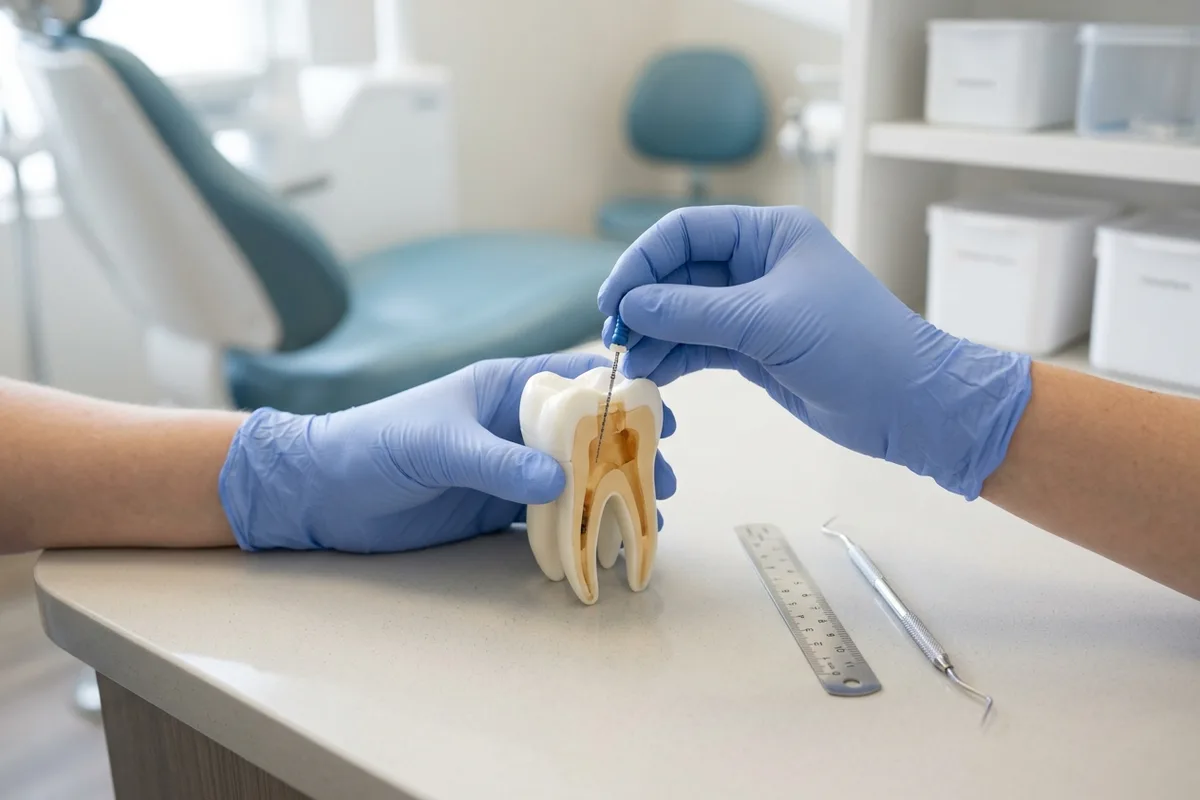
What to Expect During a Root Canal
A root canal treatment typically takes one or two office visits to complete. Your dentist or endodontist will use local anesthesia to numb the area. There is usually little to no pain during treatment.[3]
Cleaning the root canals
After placing a protective rubber sheet over the tooth, the dentist will access and clean the infected areas.[3]
- Create an opening in the top of the tooth.
- Remove the infected nerve from inside the root canals.
- Clean the canals; germ-killing medicine may be applied.
- Fill the space with a rubber-like material to seal it.
Temporary and permanent restorations
Once the canals are sealed, the dentist places a temporary filling to protect the tooth from bacteria. You will need a follow-up visit where this temporary filling is replaced with a definitive restoration, such as a permanent filling or a crown, to prevent further damage.[3]
Recovery and Aftercare
The toothache felt before treatment may improve, although your tooth can remain sensitive for a few days. Follow your dentist’s instructions and return to complete the permanent restoration.[3]
Managing sensitivity and healing
Your tooth may feel sensitive for a few days following treatment. Your dentist can recommend ways to relieve this discomfort and may prescribe antibiotics if the infection had spread.[1][3]
Maintaining your restored tooth
With proper care, a tooth restored by a root canal can last a lifetime. To protect your smile, brush twice a day for two minutes with fluoride toothpaste, clean between your teeth daily, and visit your dentist regularly to monitor the health of your teeth.[3]
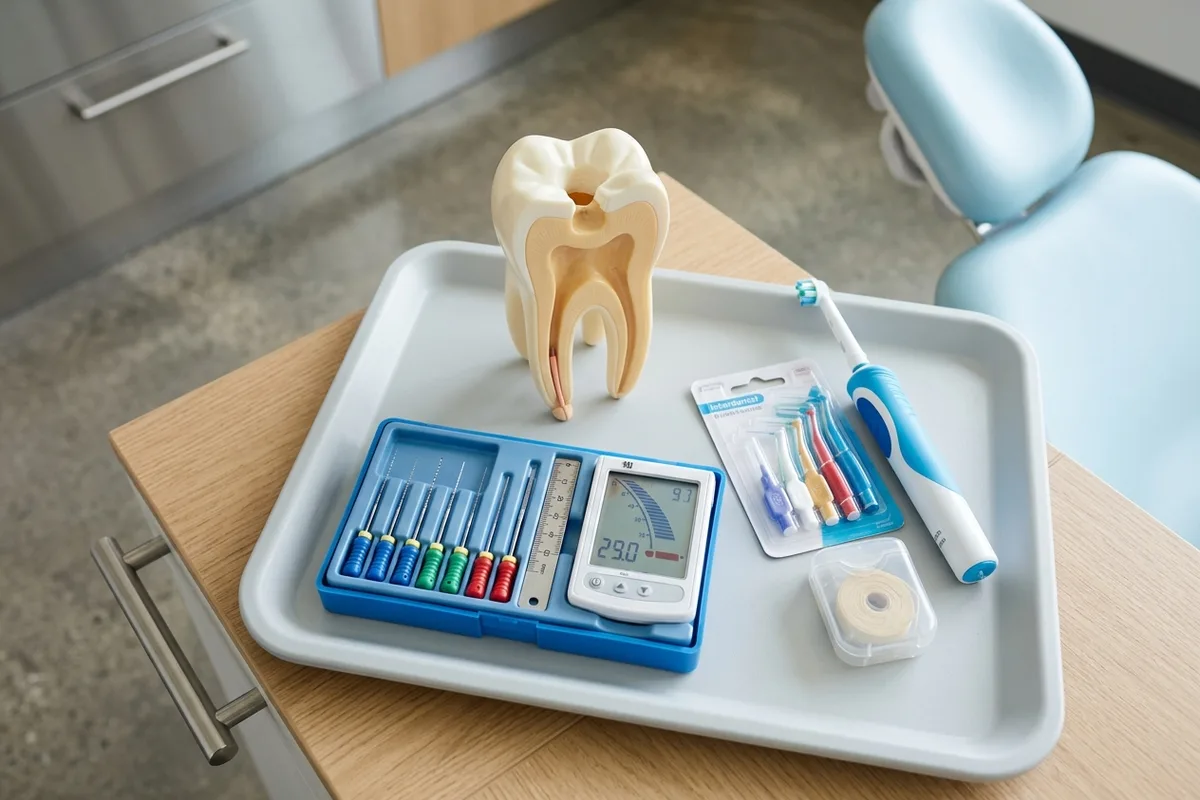
The Risks of Delaying Care
An untreated tooth abscess may worsen and lead to dangerous complications. Prompt treatment cures the infection in most cases, and the tooth can often be saved.[1]
Dangers of untreated infections
An untreated tooth abscess may worsen and can lead to life-threatening complications. The infection can spread from the tooth root into the jaw bone, soft tissues, or blood. In severe cases, it can cause pneumonia, brain abscesses, or inflammation in the heart.[1]
Sources
- Tooth abscess: MedlinePlus Medical Encyclopedia — medlineplus.gov
- Tooth Decay | NIDCR — National Institute of Dental and Craniofacial Research
- Root Canals | MouthHealthy - Oral Health Information from the ADA — American Dental Association
- Oral Hygiene | NIDCR — National Institute of Dental and Craniofacial Research
- Cavities | MouthHealthy - ADA — American Dental Association
Common questions
Frequently asked questions
Talk with Riverside West Dental Group about your next step
If you are experiencing severe tooth pain or suspect an infection, do not wait to seek help. Book an appointment at Riverside West Dental Group today to discuss your symptoms and learn if a root canal can save your tooth.
More Articles
View all Preventive Dentistry
Night Guard For Teeth Grinding: A Patient Guide to Night Guards for Grinding
A night guard for teeth grinding may help limit tooth wear, but it does not necessarily stop grinding or resolve jaw pain. Learn when a dentist may recommend one and how fit and care matter.September 14, 2026 · 6 min read Pediatric Dentistry