Cosmetic Dentistry in Riverside
Cosmetic dentistry improves the colour, shape and evenness of your teeth. We start with what bothers you and suggest the simplest treatment that fixes it.

What Cosmetic Dental Care Addresses
Cosmetic dentistry considers changes to tooth color, shape, spacing, and the appearance of the smile. Options can include whitening, bonding, veneers, or selected restorative and alignment care. The right choice starts with healthy teeth and gums and may be a single conservative change rather than a complete smile makeover.
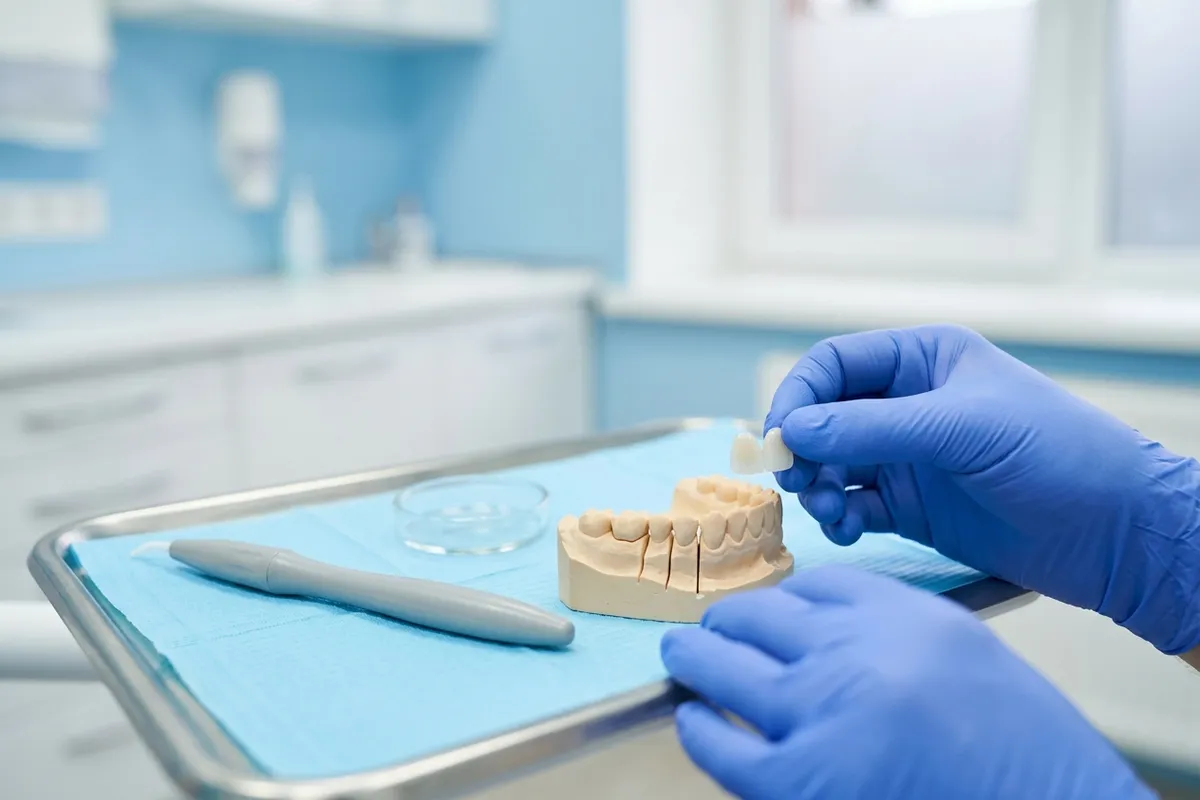
A visible gap illustrates why similar-looking concerns can have different solutions. Adding bonded material changes a tooth's outline; orthodontic care changes its position. Neither choice is interchangeable with changing its shade. Identifying the feature involved helps you understand which physical change a proposed procedure would make, rather than choosing a treatment only because another person's finished smile looks appealing.
Reasons to Discuss a Smile Concern
A concern about appearance can have several causes, and different treatments change different features. Whitening will not change tooth shape or lighten existing restorations, while alignment moves teeth rather than covering them. Considering the cause and your priorities helps avoid unnecessary preparation and choose an option that fits the concern.
A worn edge or repeated chip may have a functional cause that should be assessed before altering its appearance. Existing restorations and gum position also influence the visible result. Improving a smile does not cure decay or periodontal disease. Ask whether the plan protects oral health and cleaning access as well as addressing the specific concern that brought you to the consultation.
- Discoloration, small chips, worn edges, and uneven tooth positions are different concerns and do not all require the same procedure.
- Changing tooth color alone may be enough for some goals, while shape or position concerns can call for other approaches.
- Restoring a damaged visible tooth may have both functional and appearance benefits, but the diagnosis should guide the extent of treatment.
Oral Health and Treatment Suitability
Bring specific concerns such as chipped edges, uneven color, small gaps, or dissatisfaction with existing dental work. Photos can help explain your preferences, but another person’s smile is not a blueprint for your mouth. The dental team discuss what is achievable with your teeth, bite, facial features, and maintenance expectations.
Tell the dentist about sensitivity, grinding, past injury and any work you already have on visible teeth. These affect what can be achieved and how changes will be maintained. Some procedures remove tooth structure permanently, while others are more conservative. Suitability should be judged by examination and realistic goals rather than a photograph of someone else’s result.
- Explain the feature that bothers you and whether you prefer a subtle change, a brighter shade, or correction of a specific defect.
- Mention existing crowns, veneers, and fillings because their shade and shape may need separate planning from changes to natural teeth.
- Discuss sensitivity, grinding, gum concerns, and willingness to maintain restorations before choosing an elective procedure with lasting preparation.
Planning the Sequence of Elective Changes
Active decay, gum disease, and structural concerns are assessed before elective changes. Whitening or alignment may need to happen before choosing a restoration shade or shape. Discuss your schedule and desired changes early, while allowing the clinical sequence and any healing periods to guide the timing.
Evaluating Colour, Shape, Bite and Gum Health
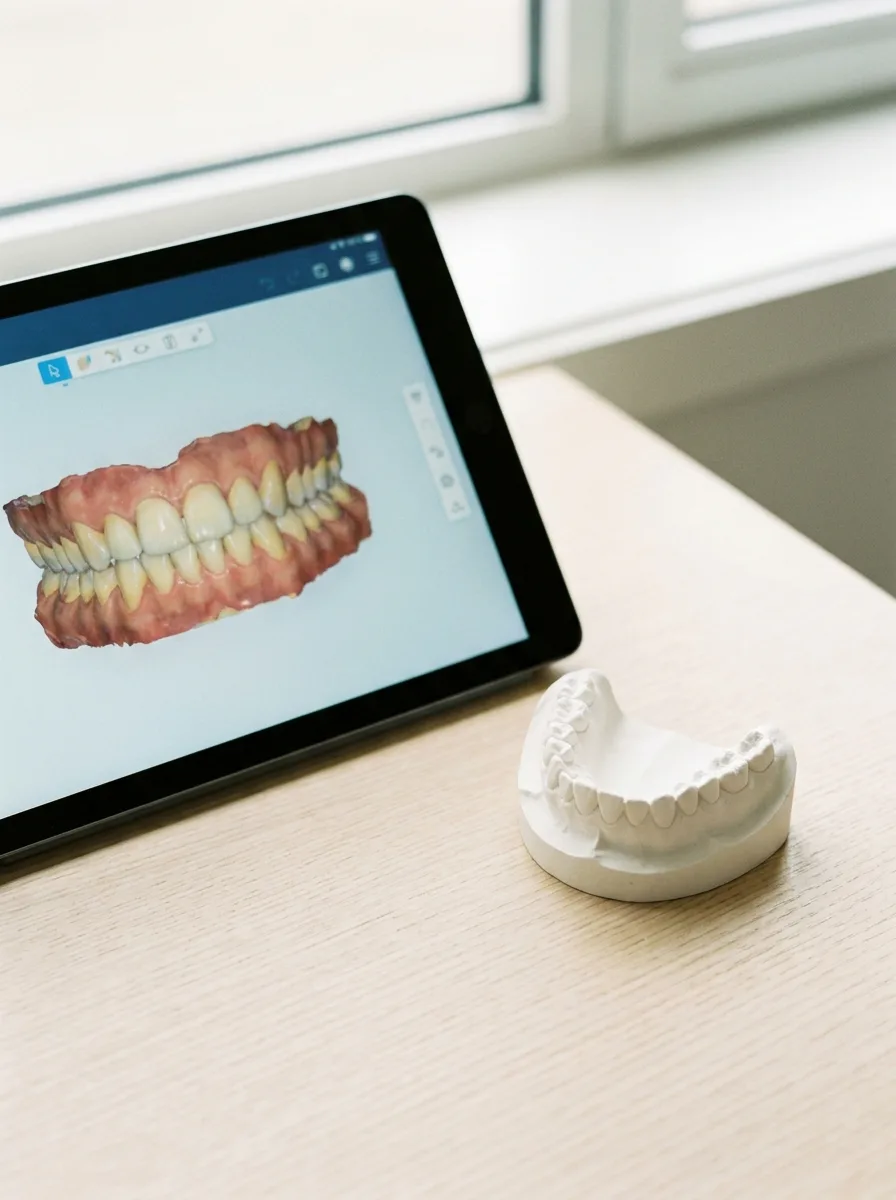
The dental team assess teeth, gums, the bite, existing restorations, and your goals for appearance and function. Photographs and appropriate records can support the discussion. The dental team explain how individual treatments would fit together, what can be previewed, and where biological or material limits affect the proposed result.
- The examination separates healthy cosmetic concerns from decay, structural damage, or gum disease that should be addressed first.
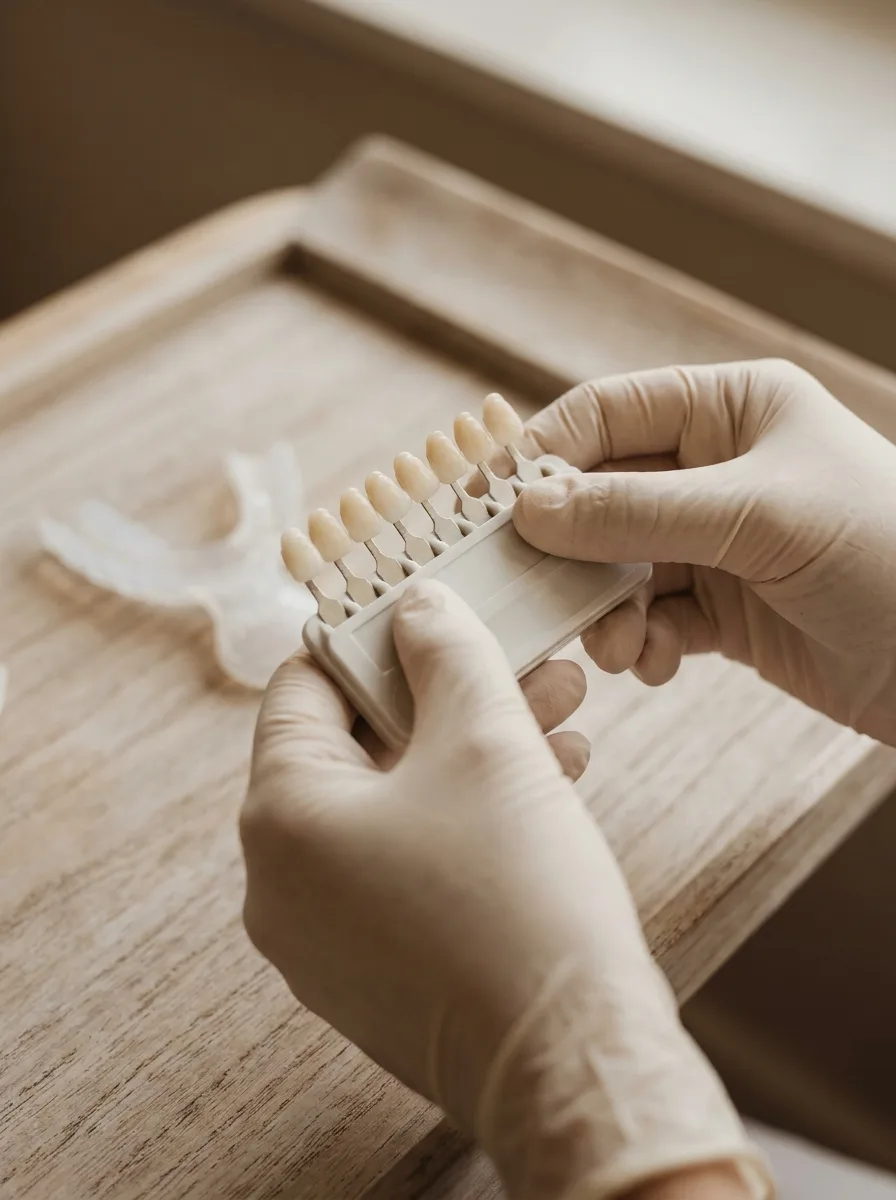
- Records and shade comparisons help explain options, while bite assessment identifies forces that could affect bonding or restorations.
- Ask what the proposed procedure can change, what it cannot change, and how much natural tooth structure it will involve.
Comparing Conservative and Restorative Options
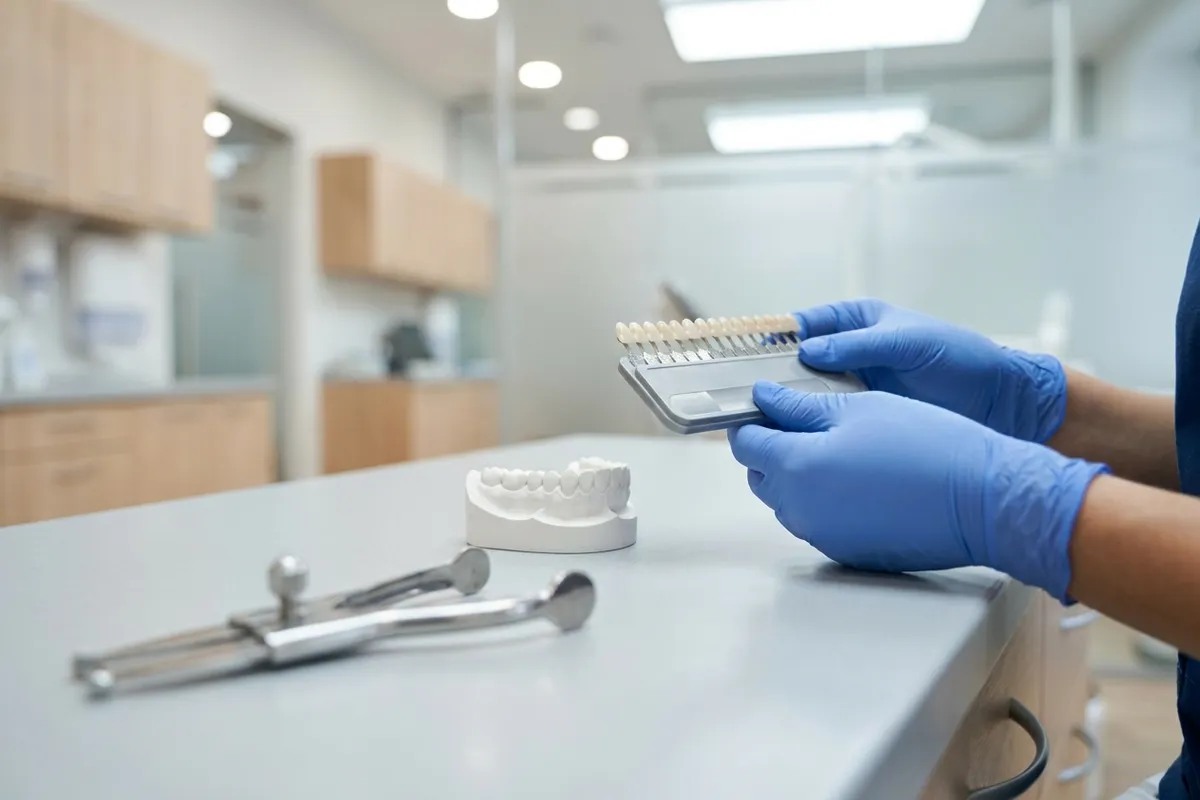
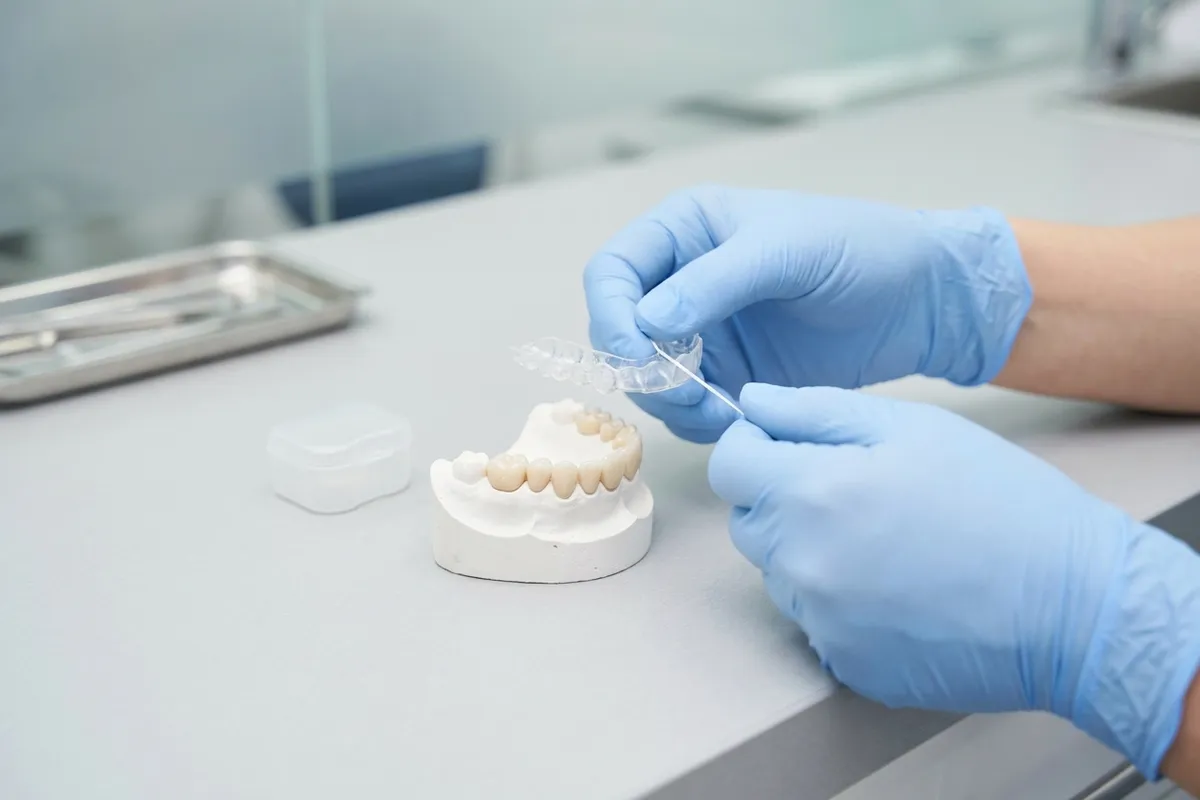
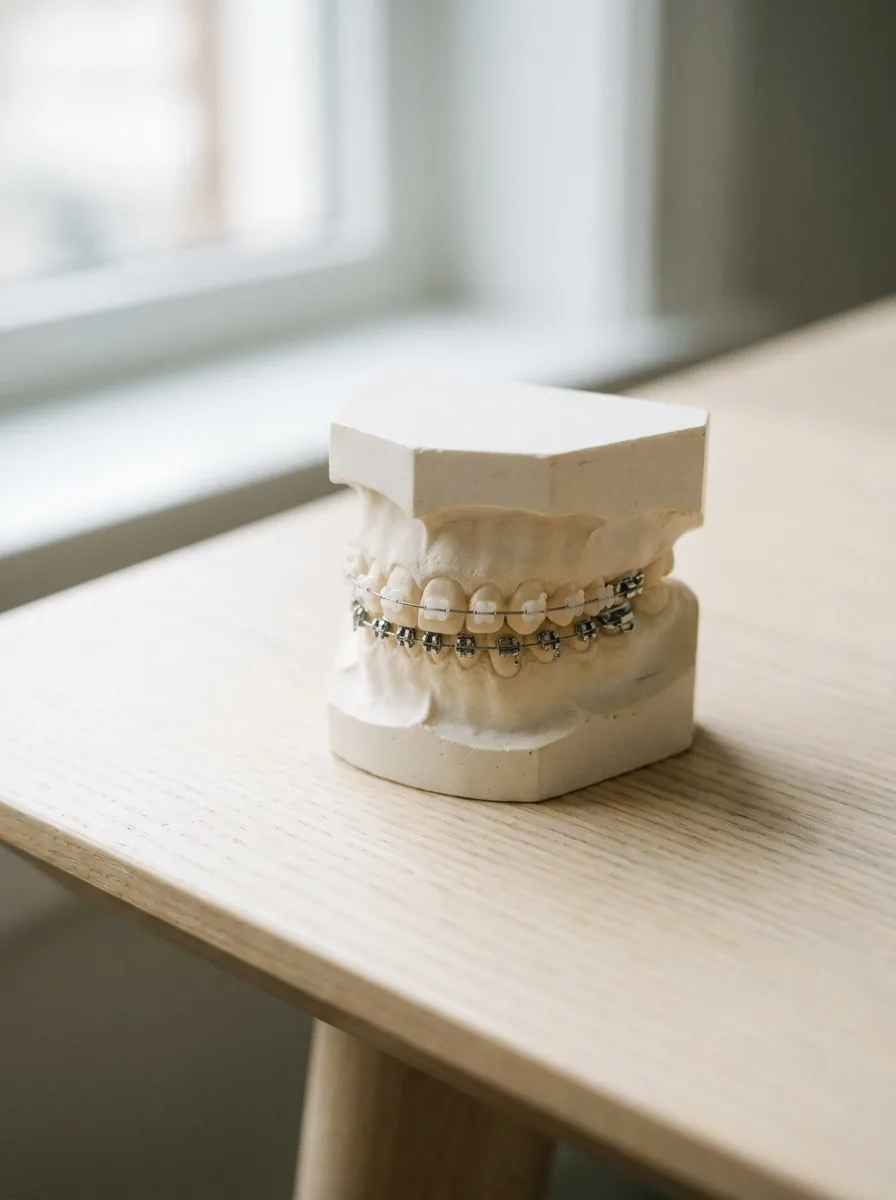
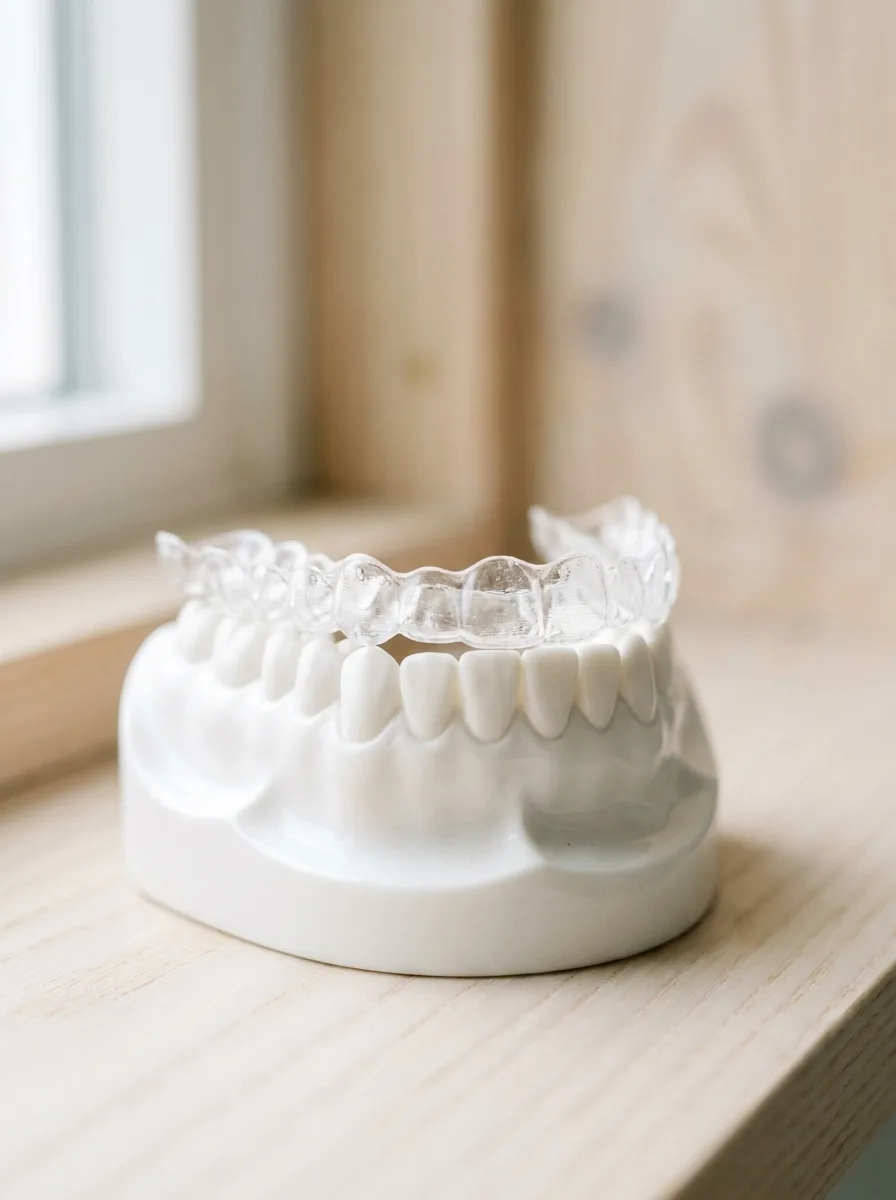
Whitening changes suitable natural tooth color; bonding and veneers can change shape; aligners move teeth; and restorations repair damaged areas. These choices differ in tooth preparation, reversibility, cost, and future maintenance. The dental team compare combinations and explain the most conservative options that could meet your goals.
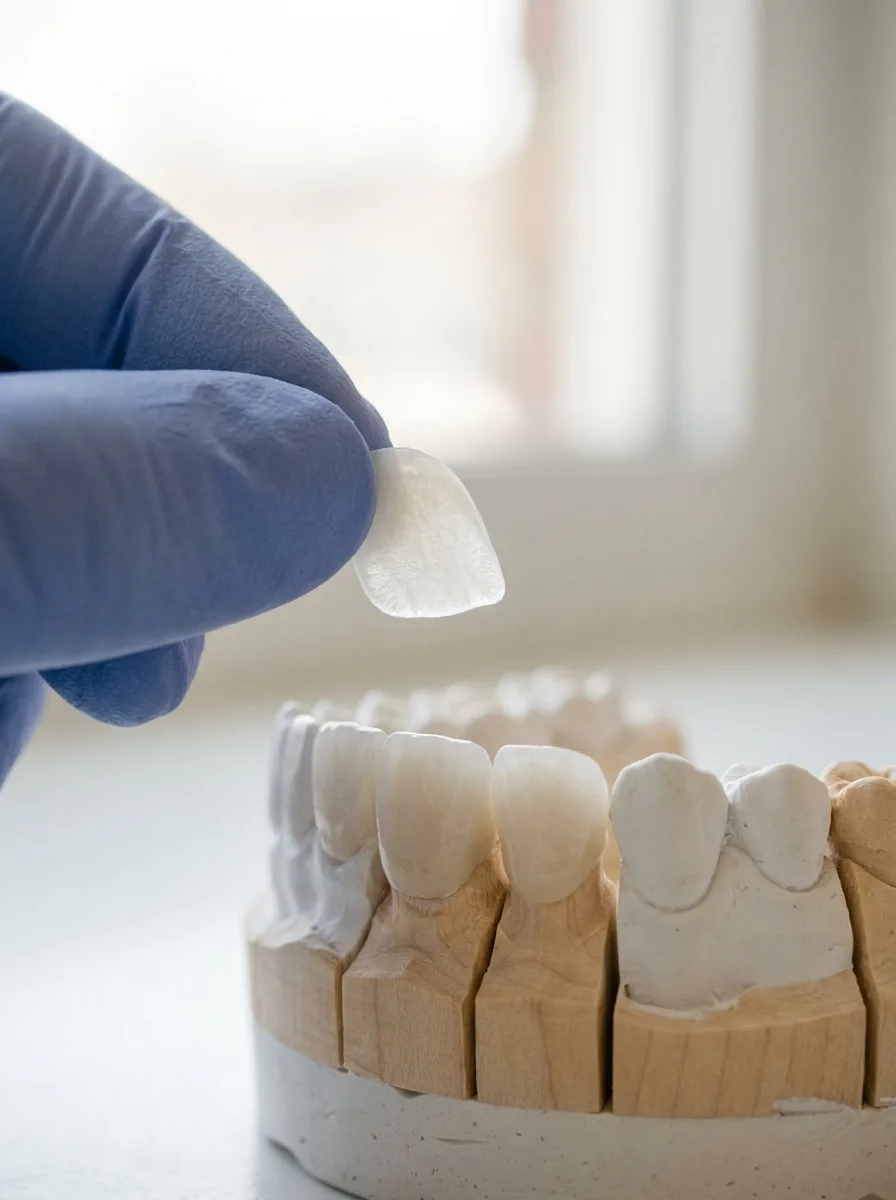
For a small shape change, composite material may be added, sculpted, hardened, and polished directly on the tooth. A porcelain veneer is a separate custom covering with a different preparation and fitting process. These approaches also differ when damage needs repair: composite can be easier to repair, while a broken porcelain covering may require replacement. Compare that practical consequence when discussing suitable materials.
Maintaining Cosmetic Work and Natural Teeth
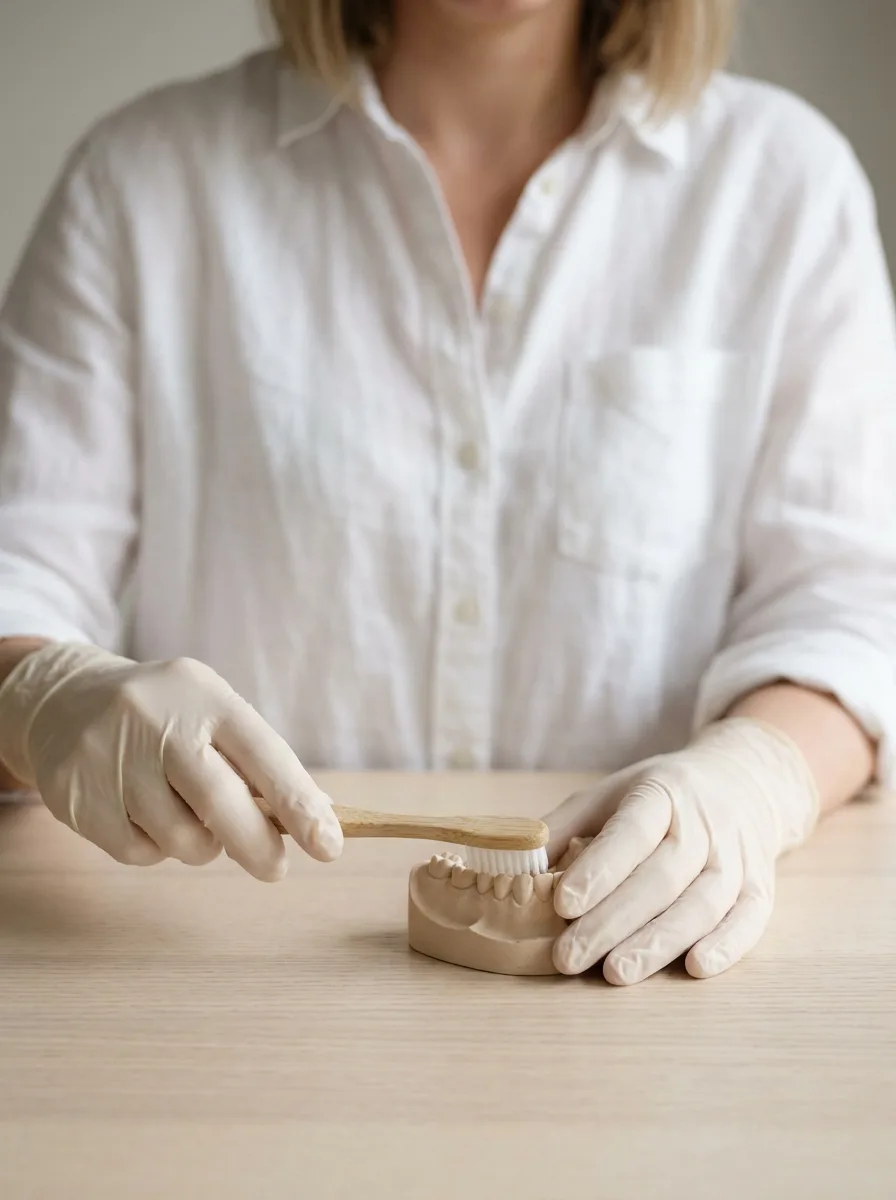
After bonding or a veneer, continue cleaning around the altered tooth and keep preventive dental visits. Protective appliances may be recommended for your bite or activities. The repair can wear or need attention later. Persistent sensitivity, an uncomfortable bite, or a loose covering should be assessed before you make further changes to its appearance.
After a color change, existing restorations may still look darker than the natural teeth around them. Additional bleaching will not lighten those restorations, so any remaining mismatch needs its own discussion. After a shape change, notice whether an edge catches floss or feels different against the lip. These observations help the dentist assess the specific result instead of applying the same maintenance response to every cosmetic procedure.
- Follow the specific instructions for whitening, bonding, restorations, or alignment rather than assuming all cosmetic treatments share one aftercare routine.
- Keep preventive care and cleaning around restoration margins; cosmetic improvement does not remove the risk of cavities or gum inflammation.
- Report persistent sensitivity, a damaged edge, or an uncomfortable bite, and review maintenance or future repair needs at follow-up visits.
Cosmetic dental care steps
Cosmetic planning starts with healthy teeth and a clear goal, then compares the changes and maintenance involved in each option.
Identify the change you want
Discuss specific concerns about colour, shape, spacing or damaged teeth. The examination checks the bite and dental health first, so decay or gum problems can be addressed before an elective cosmetic procedure.
Compare suitable approaches
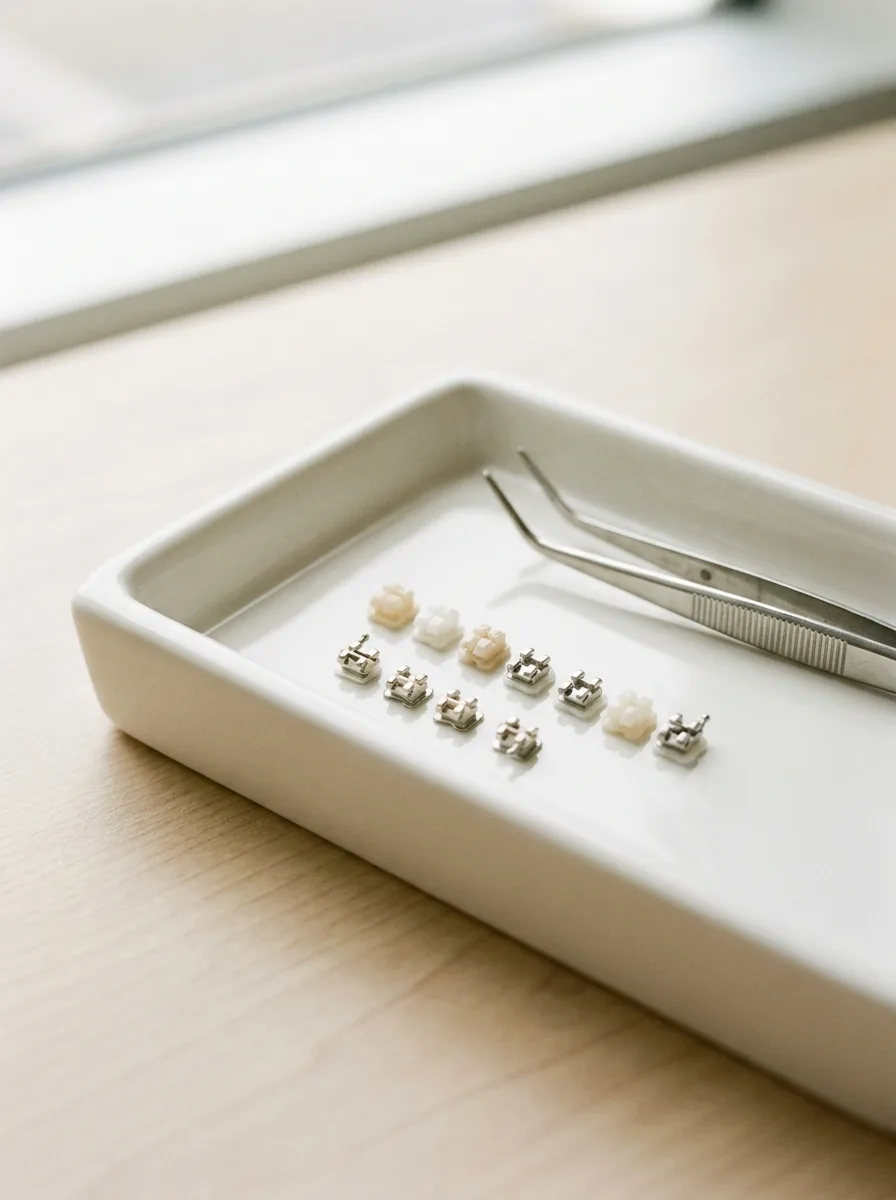
Review options such as whitening, bonding, veneers or tooth movement according to the concern. The plan explains limits, whether tooth preparation is irreversible and which existing restorations may influence the appearance of the result.
Complete and maintain the chosen care
Treatment follows the sequence appropriate to the option you choose, with checks of appearance and function. Home care and review visits are tailored to natural teeth, restorations or appliances involved, including any future repair or replacement needs.
Other Services


Questions About Your Care

Request your appointment today
Riverside West Dental Group is accepting new patients. We greet you by your first name and treat you like family.
Why patients choose Riverside West Dental
Dr. Steven S. Kim brings 30 years of experience to Riverside West Dental Group.
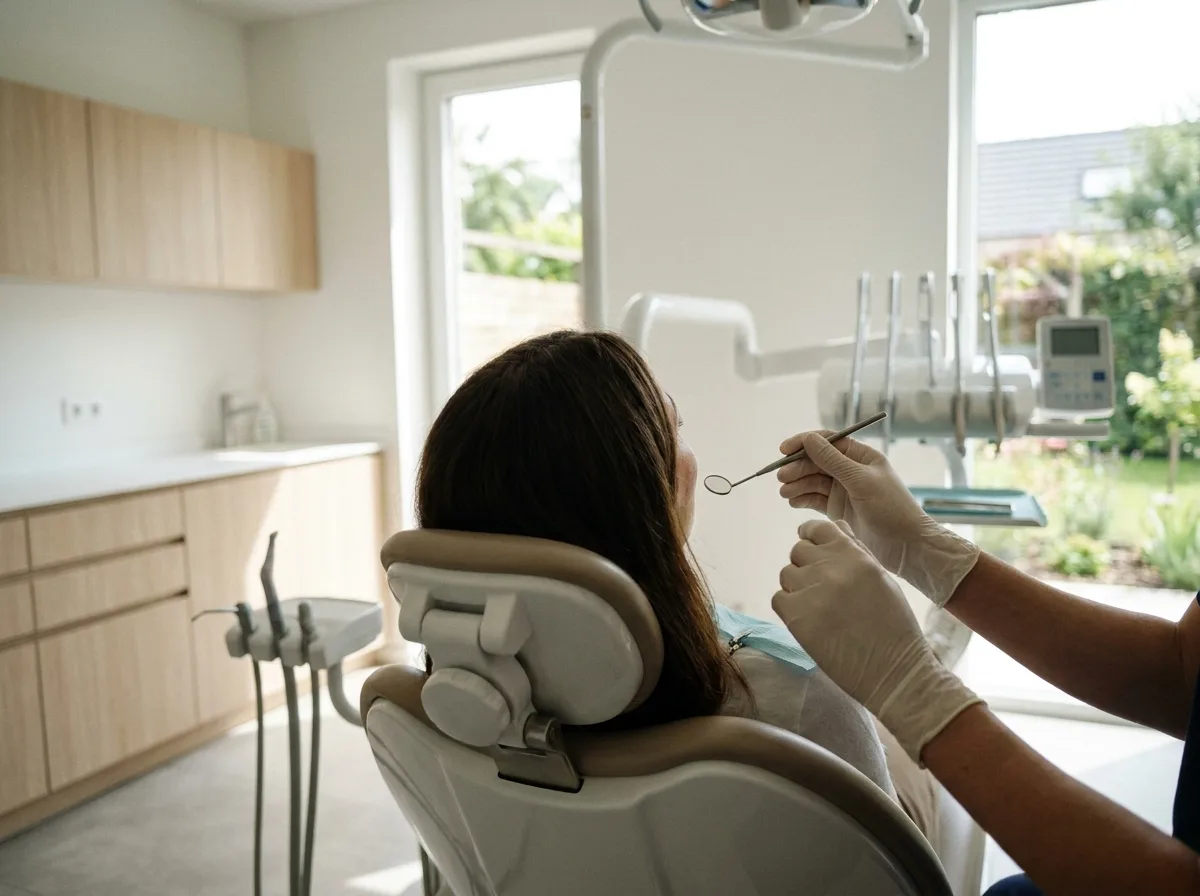
Experienced doctor
Dr. Kim provides efficient care for routine checkups and complex cases.
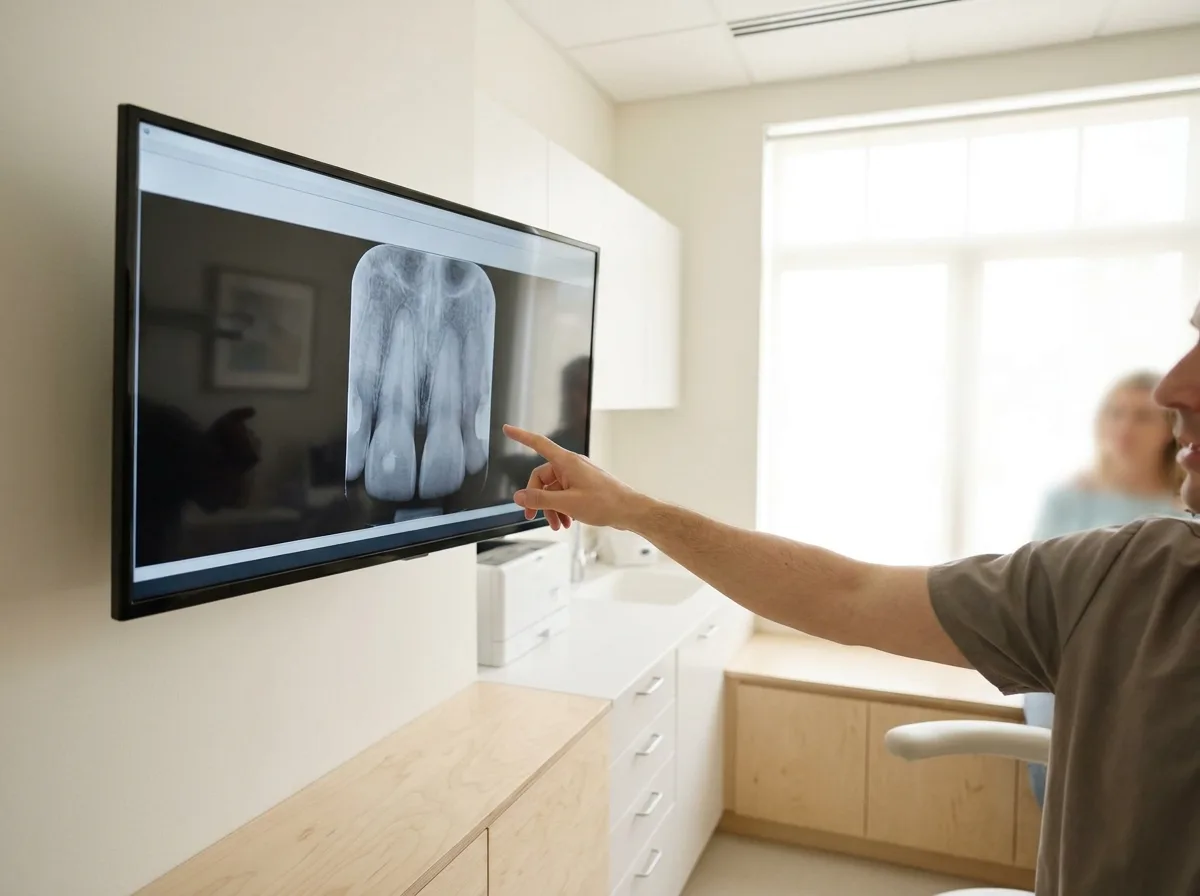
Clear explanations
You hear every finding in plain words before a plan is made.

Consistent care
You see the exact same dentist every time you visit our office.
We're waiting for you in Riverside
6945 Streeter Ave
Riverside, CA 92504
- Monday, Thursday and Friday
- 9:00AM – 6:00PM
- Tuesday, Wednesday and the weekend
- Closed