Implant-Supported Dentures in Riverside
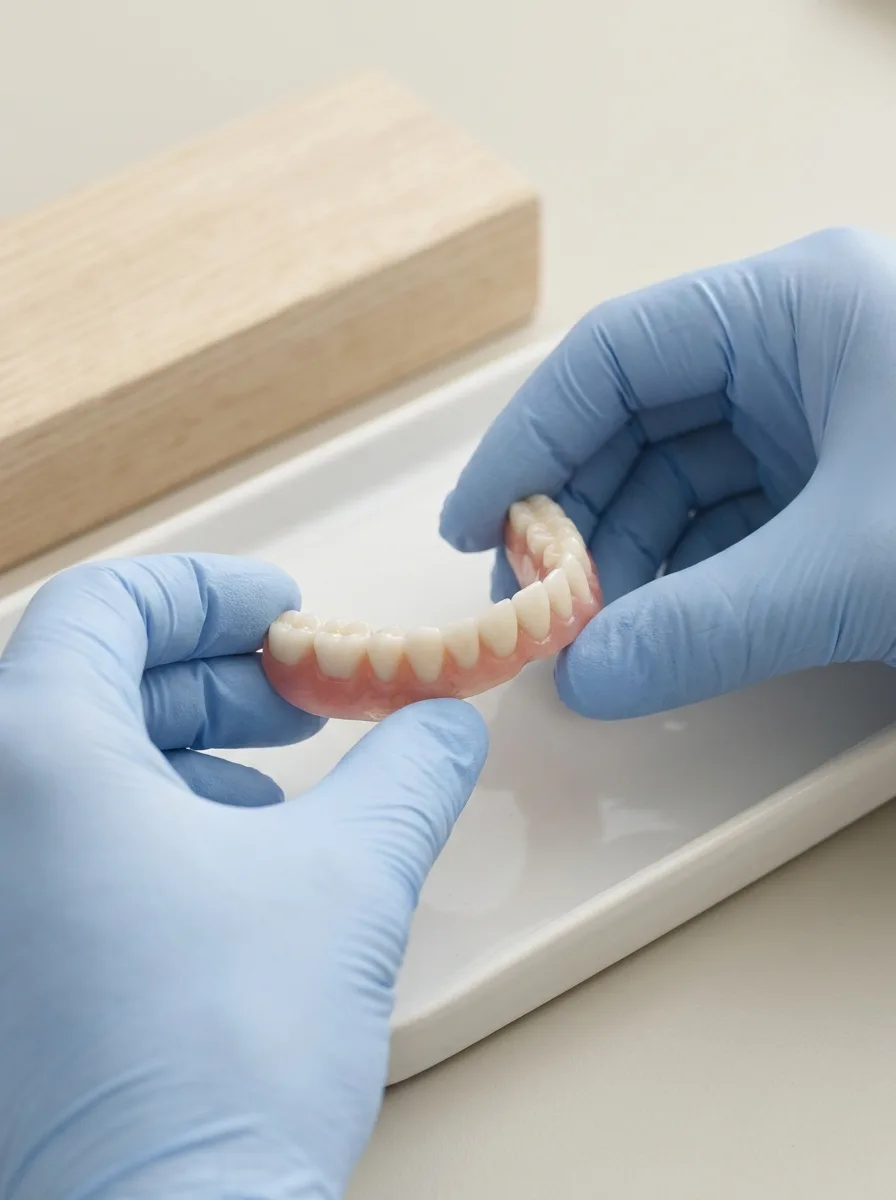
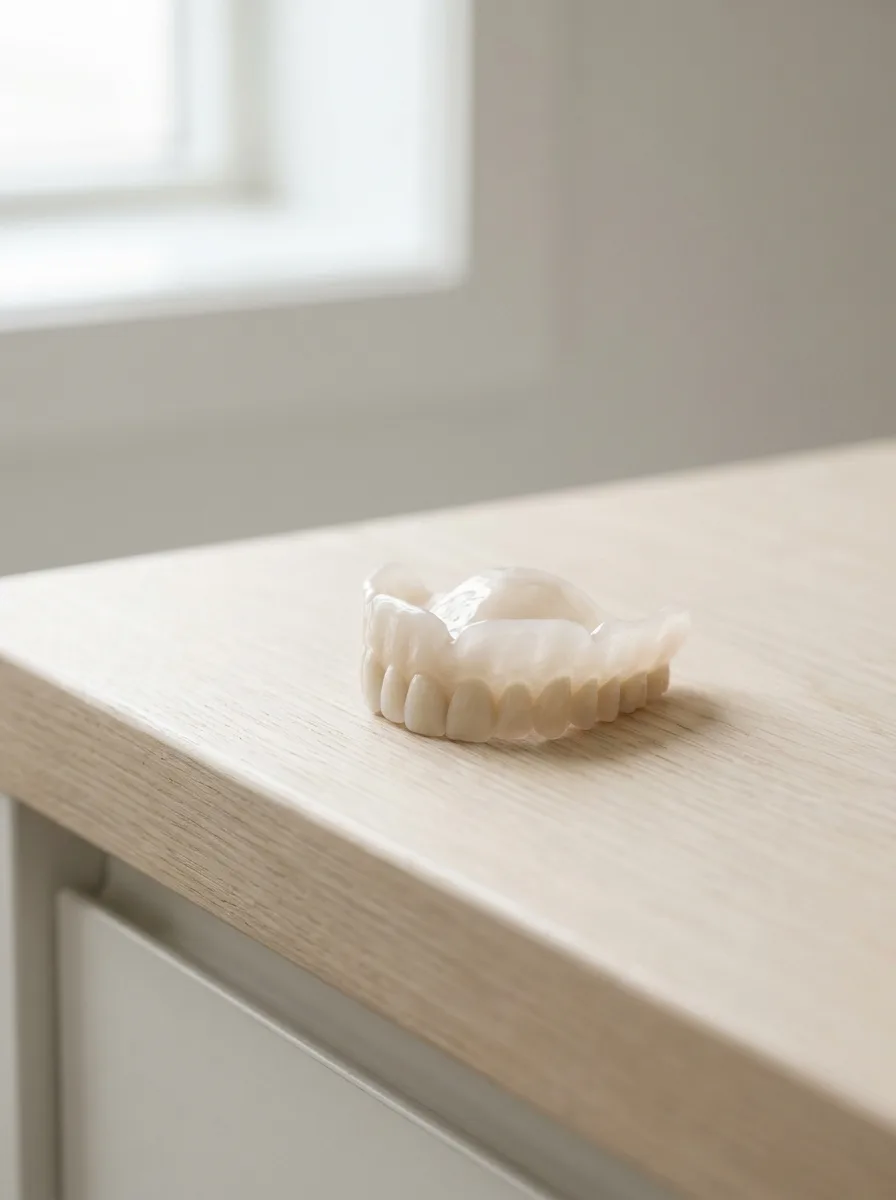
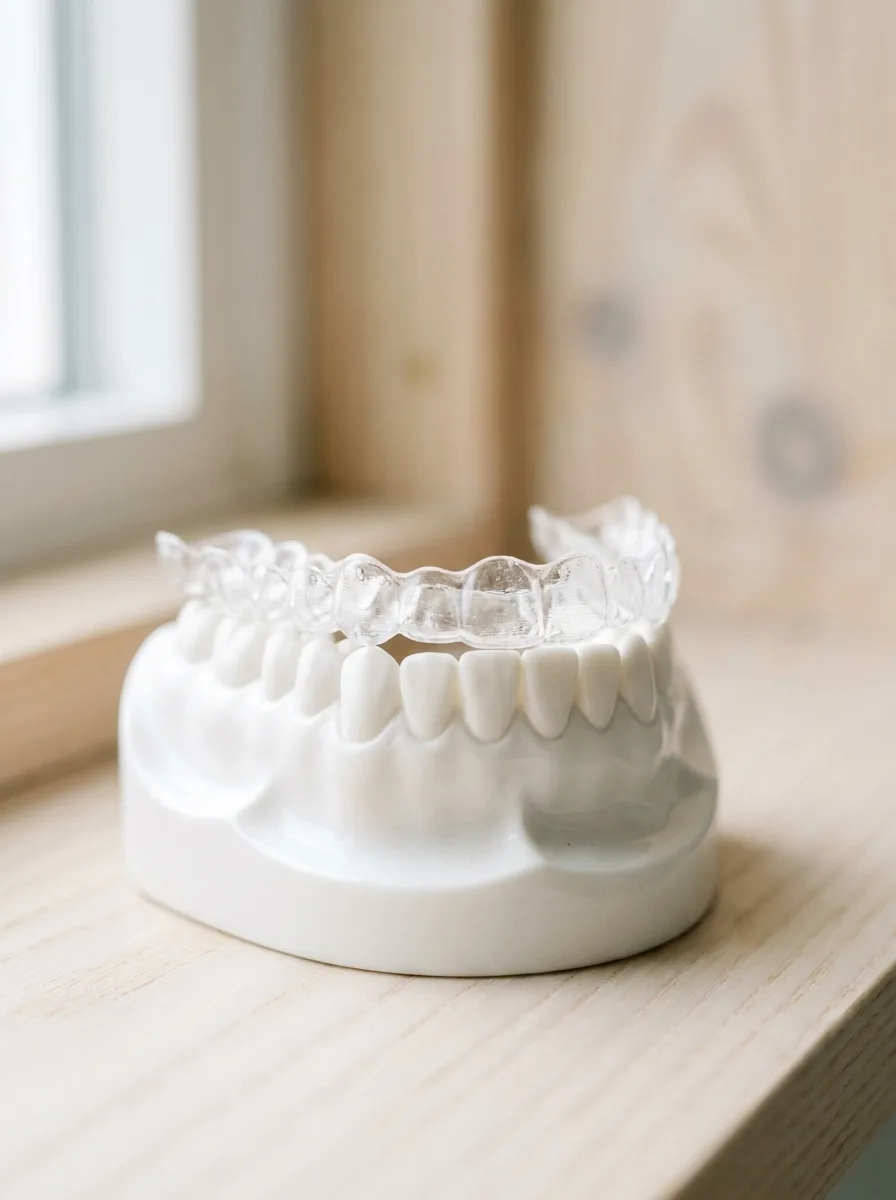
A conventional denture rests on the gums. An implant-supported denture attaches to a few implants in the jaw, so it stays firmly in place.
How Implants Support a Denture
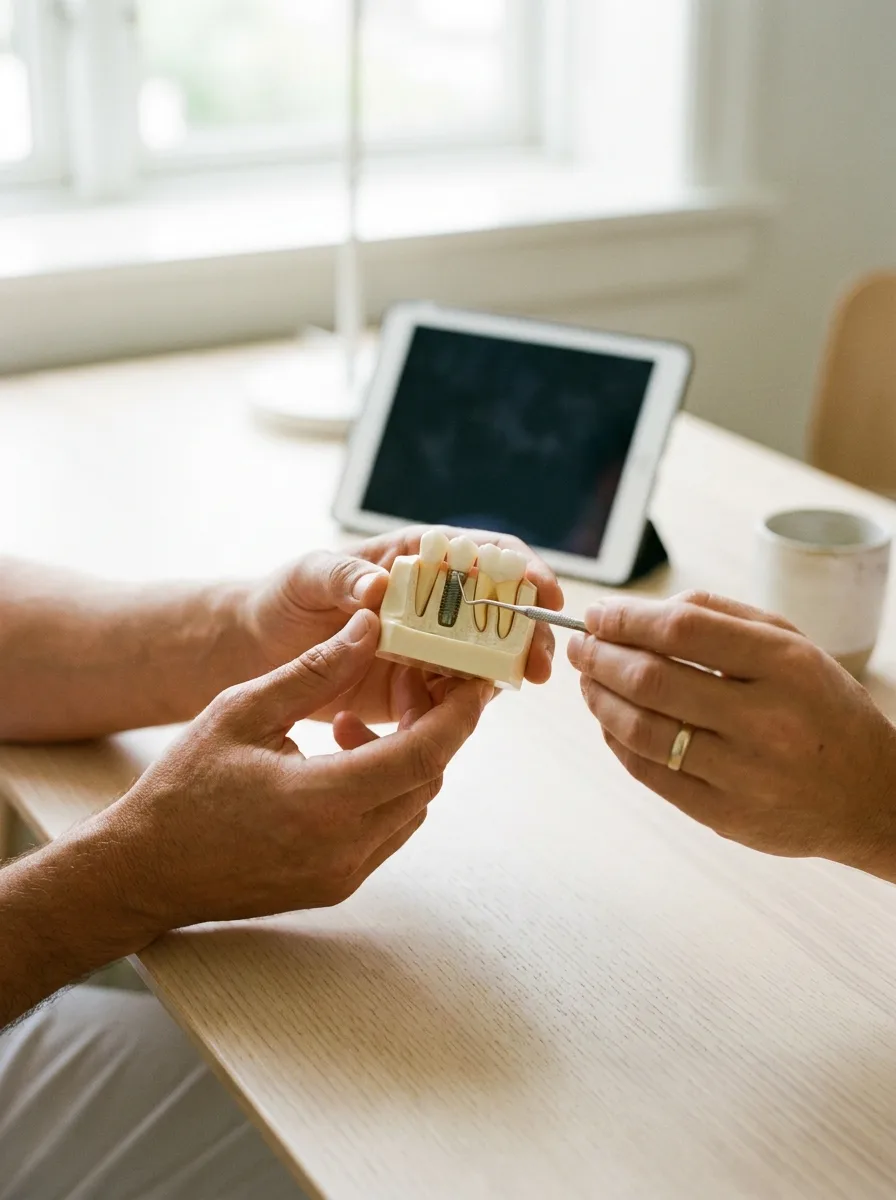
An implant-supported denture connects replacement teeth to implants in the jaw to improve support or retention. Some designs are removable for cleaning, while others are fixed and require a different maintenance routine. The plan depends on anatomy, oral health, and the type of appliance that suits your needs.
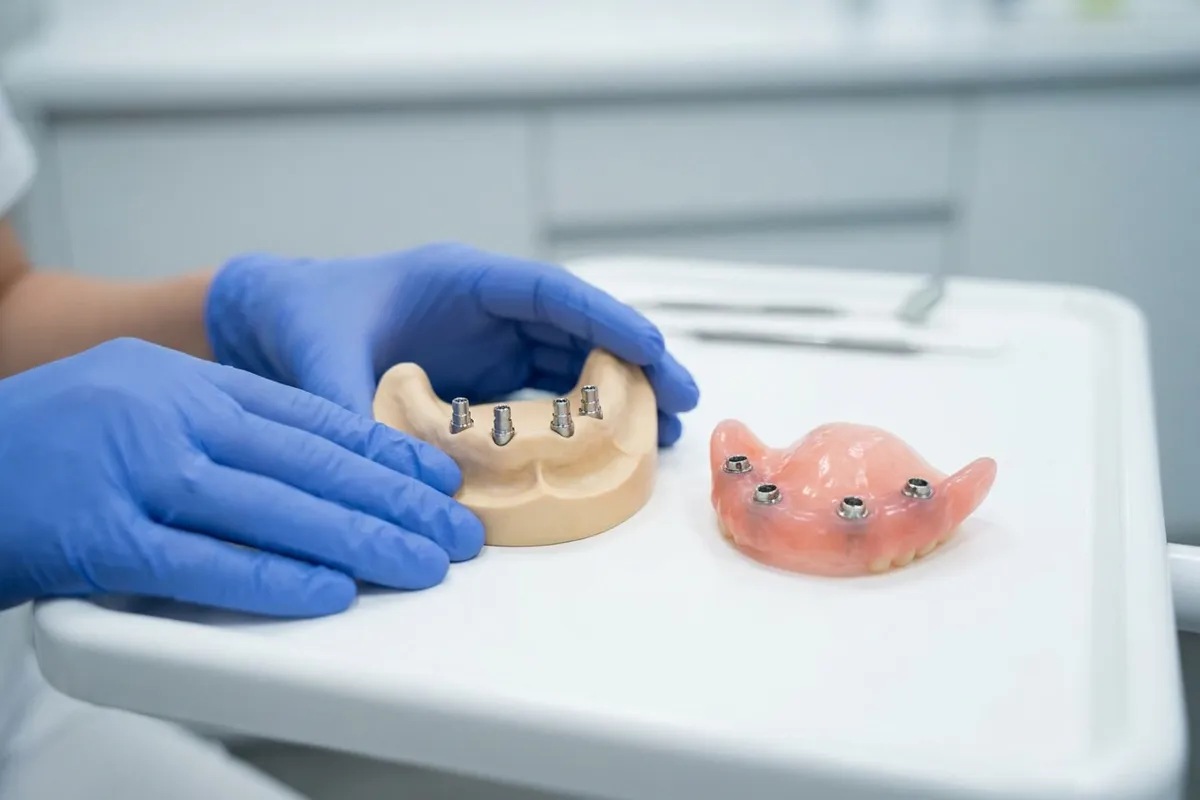
The denture and the implants do different jobs: the appliance provides teeth, while the connections help keep it in its planned position. In some removable designs, gum tissues still carry part of the chewing load. Extra retention therefore does not mean that the base no longer needs an accurate fit against the mouth or that all pressure comes through the implants.
When Extra Retention May Help
A conventional denture may move during eating or speaking when support is limited. Implants can provide additional retention or support in suitable cases. They do not remove the need for surgery, adaptation, or future adjustments. The benefits should be discussed alongside conventional dentures and other replacement options.
Before deciding that implants are the answer to a loose denture, identify what moves and when. A base that rocks, teeth that meet unevenly, and difficulty controlling an otherwise well-fitting appliance are different concerns. Describe eating and speaking difficulties separately. This gives the clinician a clearer goal for additional retention and helps establish whether the denture itself needs adjustment or replacement first.
- Implants can add retention or support when a conventional denture moves during eating or speech, depending on the selected design.
- A removable implant-retained denture and a fixed implant-supported restoration have different cleaning, handling, and maintenance requirements.
- Improved stability does not remove the need for adaptation, surgical healing, or eventual replacement of worn attachment components.
Bone, Health and Maintenance Requirements
Assessment considers the bone available, gum health, medical conditions, medicines, and your ability to maintain the appliance. Smoking and some health factors can affect healing. A current denture may or may not be adaptable, and not every patient needs or is suitable for the same number of implants.
The final design needs room for the replacement teeth, denture base, and connecting parts. The opposing teeth and the way your jaws meet affect that space. More implants are not automatically a better solution if the appliance cannot be shaped or maintained appropriately. The assessment should show how the proposed components work together within your mouth, including any need to make a new denture.
- Bone availability and health history affect implant planning; some sites need preparatory care or are better served by another replacement.
- Discuss whether you can remove and clean the planned appliance or reach beneath a fixed design, including any caregiver support needed.
- Bring your current denture for assessment, but do not assume it can automatically be converted to work with implants.
Surgery, Healing and Denture Stages
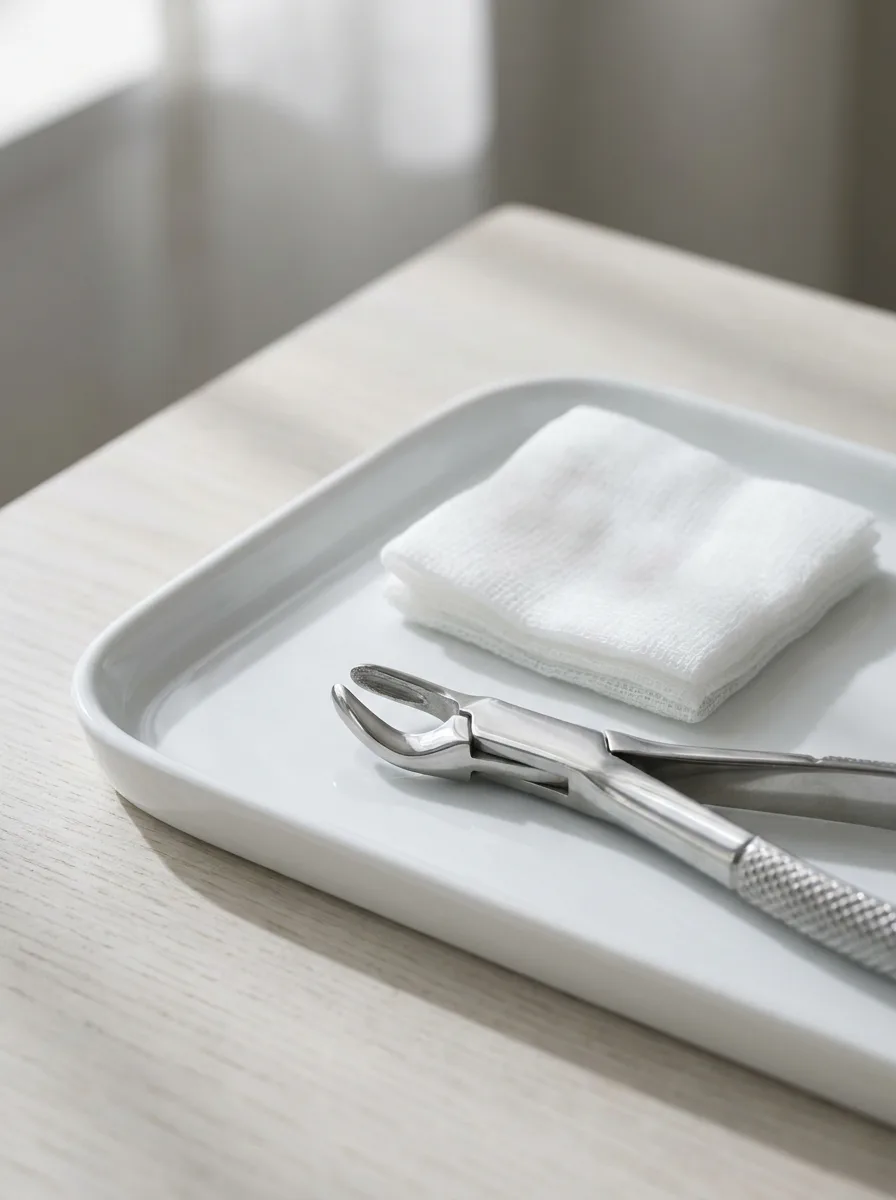
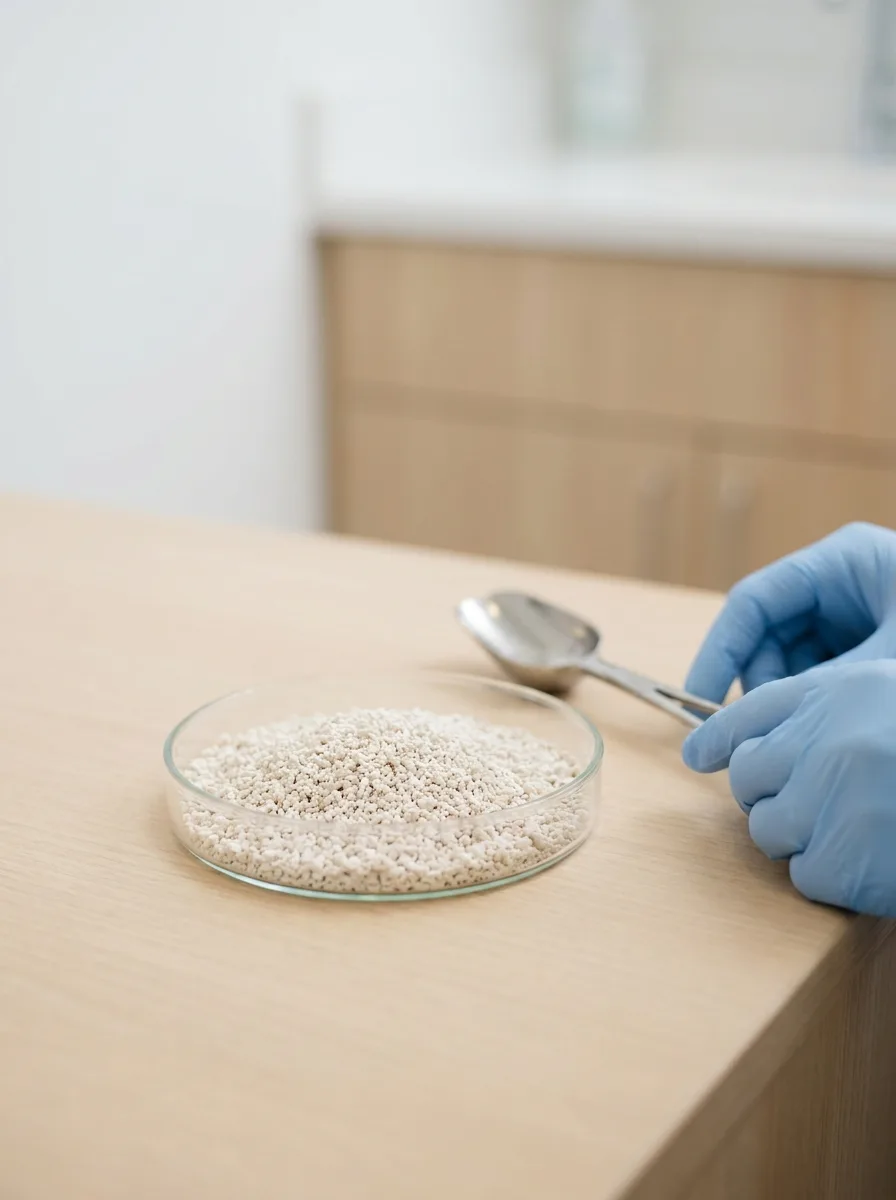
Care may involve extractions, grafting, implant placement, healing, and fitting the replacement teeth. Temporary arrangements depend on the case. The sequence and time needed vary, so an immediate final appliance is not assumed. The dental team explain the expected stages and what eating and cleaning may involve between visits.
Assessing Implant Support and Prosthesis Design
The dental team examine the mouth and existing dentures, assess the bite, and review appropriate imaging. The dental team discuss how the appliance will attach, whether it is removable, and how you will clean it. The findings guide the proposed number and placement of implants and whether additional or specialist care is needed.
- Imaging, examination, and bite records guide implant positions and the replacement design rather than a fixed number promised to every patient.
- Ask what temporary arrangement is planned during healing and whether extractions, grafting, or staged placement add appointments.
- Clarify how the appliance attaches, who can remove it, which parts can wear, and what maintenance visits will involve.
Removable and Fixed Replacement Choices
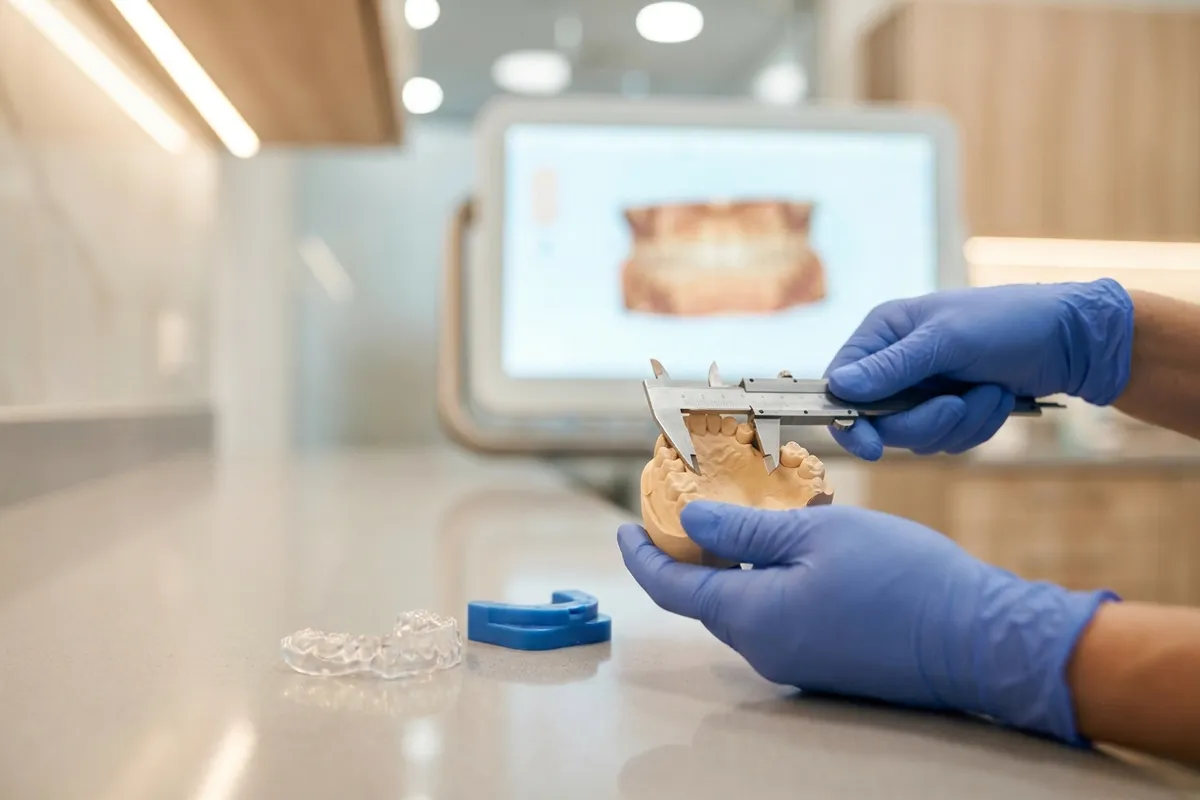
Options can include a removable denture retained by attachments or a fixed implant-supported restoration in selected cases. These designs differ in cleaning access, repair, and maintenance. The dental team explain the planned appliance and alternatives so that your decision includes practical daily use as well as appearance and stability.
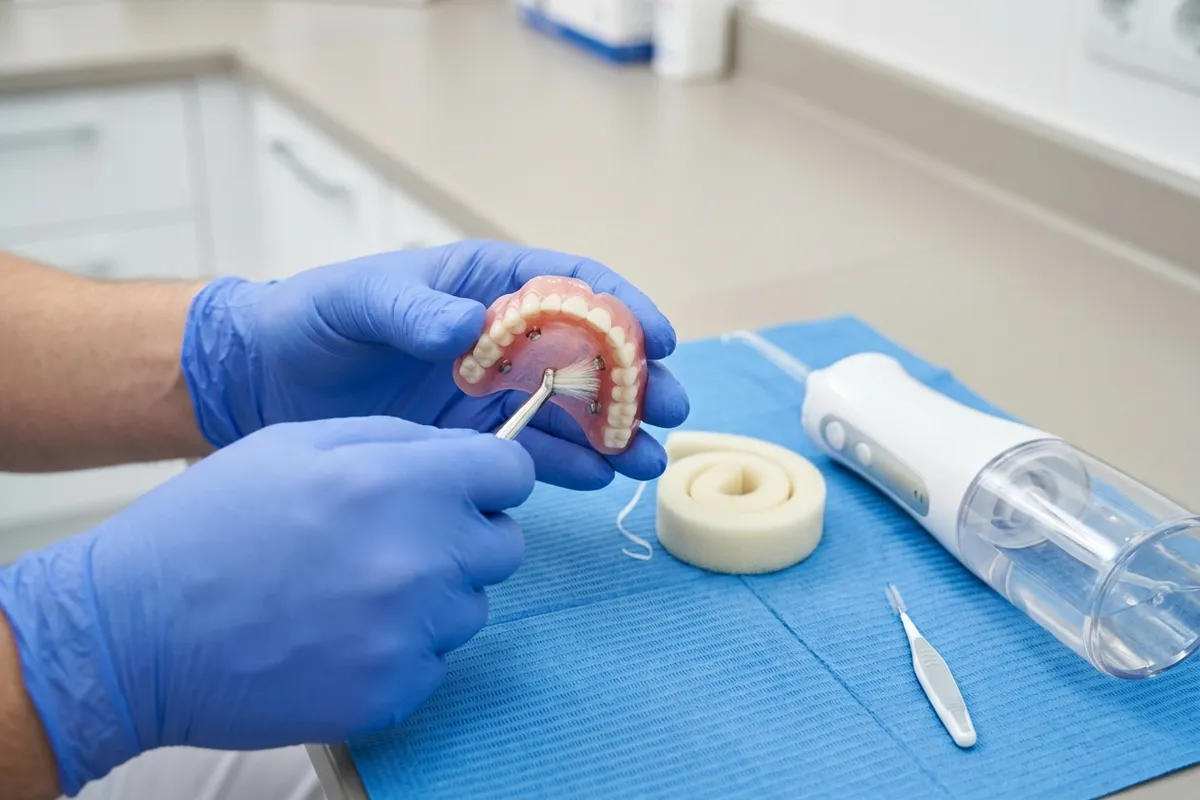
A removable design can allow direct access to the gum and attachment surfaces after taking it out. A fixed design avoids daily removal but requires cleaning beneath teeth that stay in place. Compare a demonstration of each routine before choosing. Include the cost and practical arrangements for professional servicing, since replacement teeth and their connections can need attention independently of the implants.
Maintaining Attachments and Healthy Tissues
Follow surgical aftercare instructions and keep healing and fitting reviews. Once restored, clean the appliance and implant areas as directed and attend maintenance visits. Attachments and other components can wear or need replacement. Contact the treating clinician about looseness, sore areas, swelling, or difficulty cleaning rather than adjusting parts yourself.
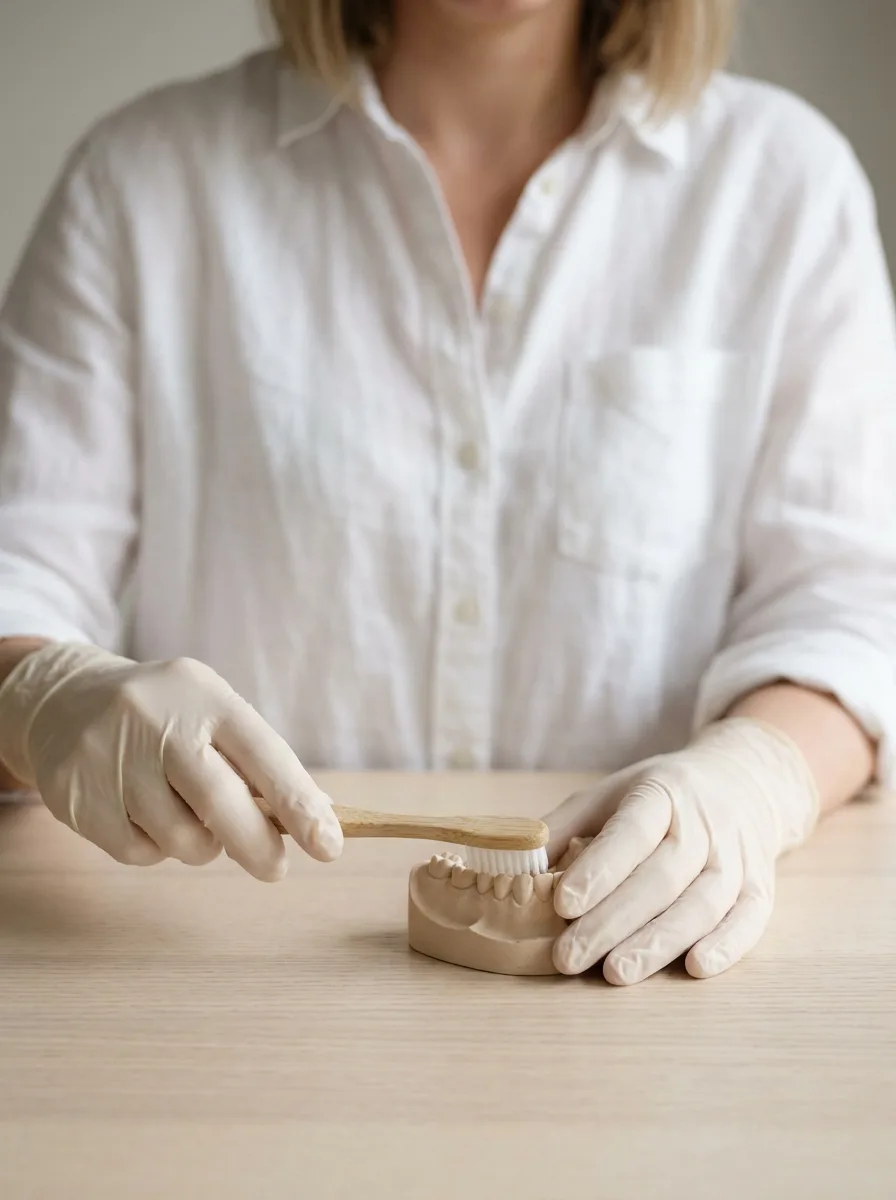
For a removable appliance, practice seating and removing it under supervision before relying on the technique at home. Uneven engagement should be checked rather than overcome by biting harder. For a fixed appliance, have the team demonstrate how to reach the underside with the recommended tools. If someone helps with daily care, include them in that demonstration so the same areas are cleaned consistently.
- Follow surgical aftercare first, then use the cleaning method demonstrated for the final appliance and the implant areas beneath it.
- Keep review appointments for attachment wear, bite changes, and tissue health; implants can still develop surrounding inflammation.
- Report movement, a broken component, or difficulty cleaning promptly, and avoid tightening or modifying implant parts yourself.
Implant-supported denture stages
Planning connects implant support with the denture design; surgical healing and prosthetic fitting may take place in separate stages.
Plan support and denture design
Assessment considers bone, gum health and the position of the replacement teeth. Discuss whether the proposed denture is patient-removable or fixed, its cleaning requirements and any grafting or specialist care needed before implant treatment.
Place implants and review healing
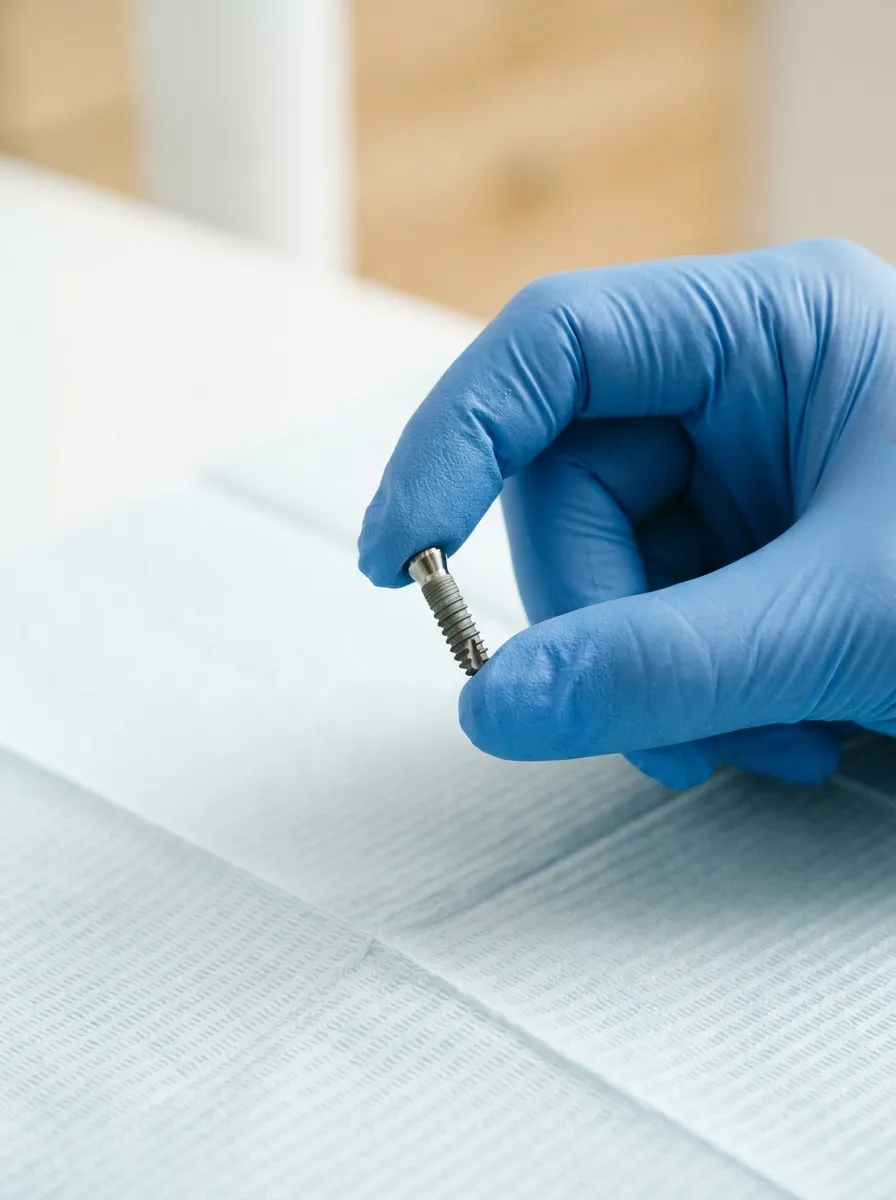
The treating team places implants according to the agreed surgical plan and monitors recovery. Healing and readiness to support a denture vary, so temporary tooth replacement and loading arrangements are decided individually.
Fit the denture and maintain support
Once appropriate support is established, the denture and its attachments are fitted and the bite is checked. Learn the cleaning method for that design and attend reviews for tissue health, fit and attachment wear.
Other Services




Questions About Your Care

Request your appointment today
Riverside West Dental Group is accepting new patients. We greet you by your first name and treat you like family.
Why patients choose Riverside West Dental
Dr. Steven S. Kim brings 30 years of experience to Riverside West Dental Group.
Experienced doctor
Dr. Kim provides efficient care for routine checkups and complex cases.
Clear explanations
You hear every finding in plain words before a plan is made.

Consistent care
You see the exact same dentist every time you visit our office.
We're waiting for you in Riverside
6945 Streeter Ave
Riverside, CA 92504
- Monday, Thursday and Friday
- 9:00AM – 6:00PM
- Tuesday, Wednesday and the weekend
- Closed