Family Dentistry in Riverside
At Riverside West Dental Group, you see the same dentist at every visit. Dr. Steven S. Kim brings 30 years of experience to your care. From Checkups and Cleanings to Fluoride and Sealants for Children, he explains every finding in plain words before planning any work. You are treated like family here.

Dental Care Through Different Life Stages
Family dentistry brings together prevention, diagnosis and treatment for patients at different stages of life. A child with newly erupted teeth, an adult with older fillings and an older person with a dry mouth have different needs. The starting point is an individual assessment rather than the same treatment or recall schedule for everyone in the household. Care can include examinations, cleaning, prevention and appropriate repair or referral.
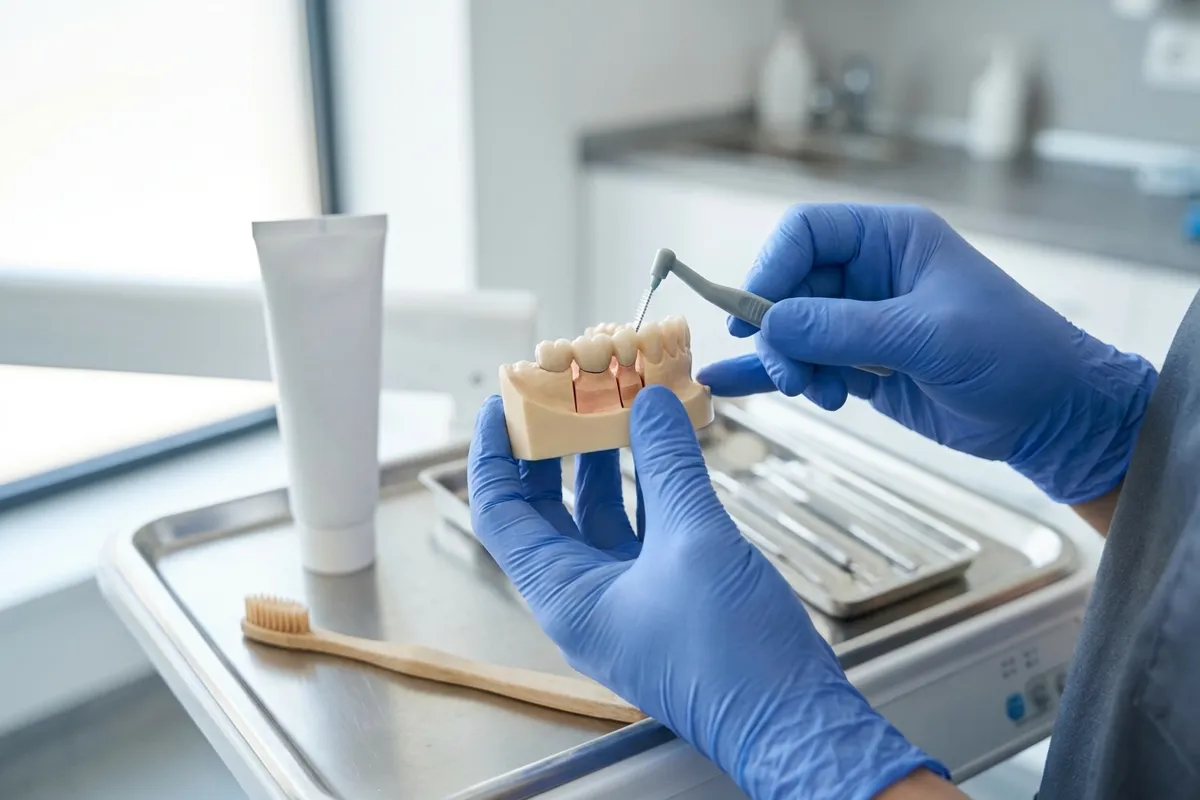
Family care also helps connect everyday habits with clinical findings. Parents may need help supervising brushing, while another family member may need tools for cleaning around a bridge. Sharing practical advice is useful, but treatment decisions remain specific to each patient’s teeth, gums, medical history and preferences.

Why a Family May Seek Dental Care
Regular dental care can identify concerns that have not yet caused pain, including early decay, gum inflammation and changes around existing restorations. It also provides an opportunity to discuss development, diet and cleaning difficulties. If several family members need appointments, tell the office about your priorities and ask what arrangements are available. Convenience should support care without making every person’s plan identical.
- Mention repeated cavities in a child so the visit can review snack habits, brushing support and suitable preventive measures.
- Ask about changes in erupting teeth or the bite rather than assuming that appearance alone establishes a need for orthodontic treatment.
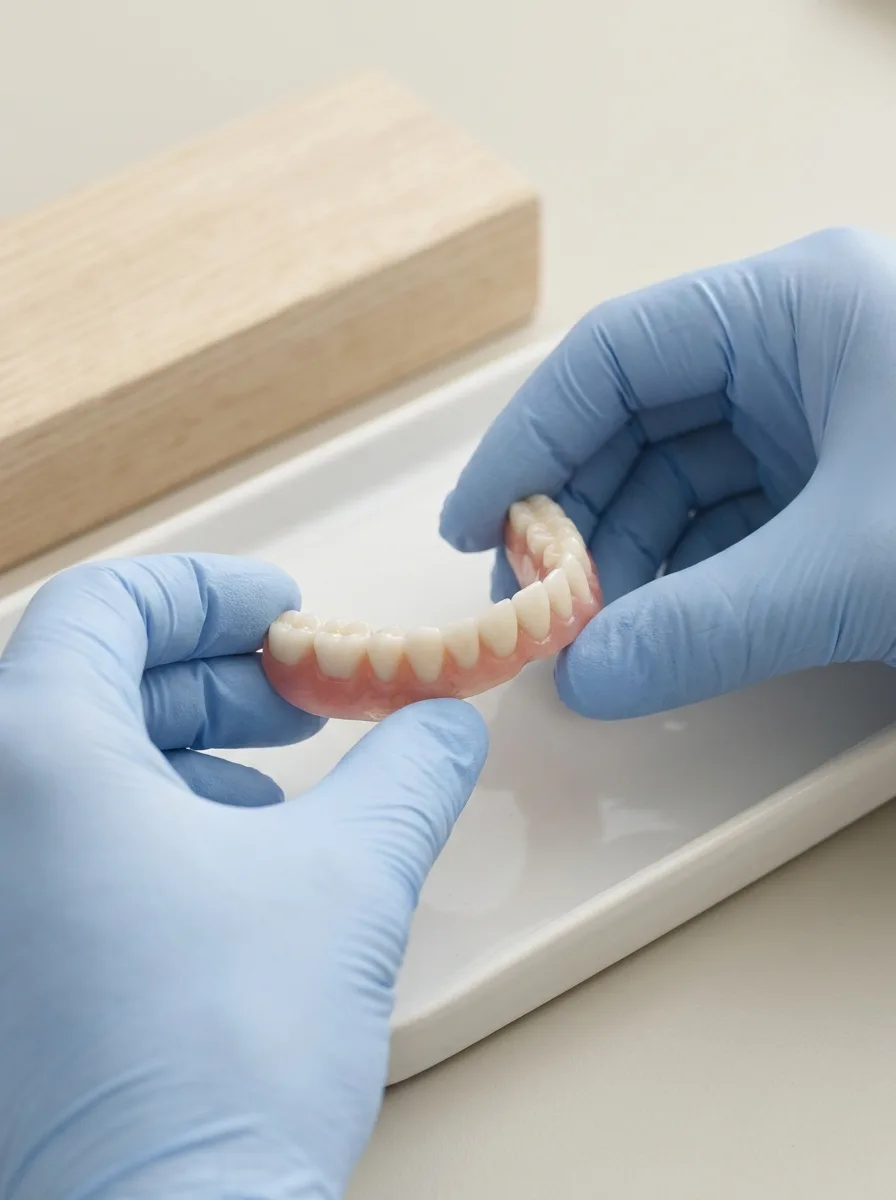
- Have older fillings, crowns or dentures reviewed when food trapping, fit or comfort changes, even if the rest of the mouth feels well.
Individual Needs Within the Family
Adults and children may benefit from care that follows their changing health, but the examination determines which treatment is appropriate. Tell the dentist about anxiety, previous difficult visits and any need for assistance. Medicines, pregnancy, diabetes and physical limitations can affect planning. Some concerns require a specialist or another assessment; a family service does not mean every procedure is suitable for every patient.
- For a child, explain any trouble tolerating brushing, sitting for an examination or communicating discomfort so the visit can be planned appropriately.
- Share medicines that cause dry mouth and conditions affecting healing or bleeding before treatment decisions are made.
- Describe caregiving or hand-movement limitations so cleaning advice uses tools and assistance the patient can realistically manage.
Planning Visits for Children and Adults
Preventive intervals depend on oral health, cavity risk and previous findings. Arrange earlier advice for pain, swelling, an injury or a new change rather than waiting for the family’s next routine visit. Bring relevant records and a current medication list. For children, explain the visit in simple terms and share any particular concerns with the team. If several procedures are recommended, ask which issues need prompt attention and which can safely be staged. This supports a practical schedule based on health needs.
Building a Picture of Each Patient’s Health
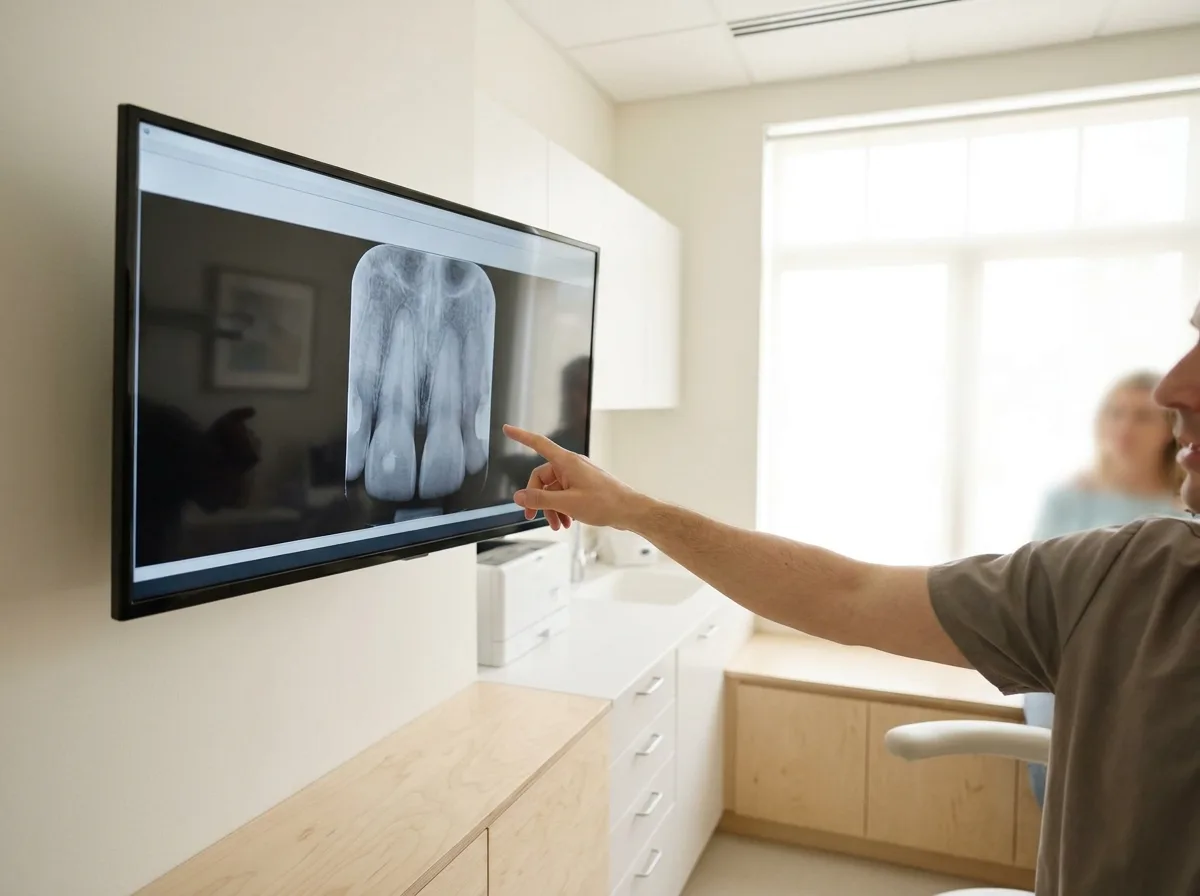
Assessment reviews medical and dental history and checks the teeth, gums, oral tissues and existing work. A child’s developing dentition and an adult’s periodontal condition may call for different observations. Imaging is chosen when it adds useful diagnostic information, and previous images may be reviewed before new ones are considered. Findings should be explained along with any need for further testing or referral.
- Ask which findings indicate disease, which reflect normal development and which will be monitored at later visits.
- Discuss whether imaging is justified by symptoms, risk or examination findings rather than expecting X-rays at every appointment.
- Clarify whether complex tooth, gum, surgical or bite concerns would benefit from specialist input while routine dental care continues.
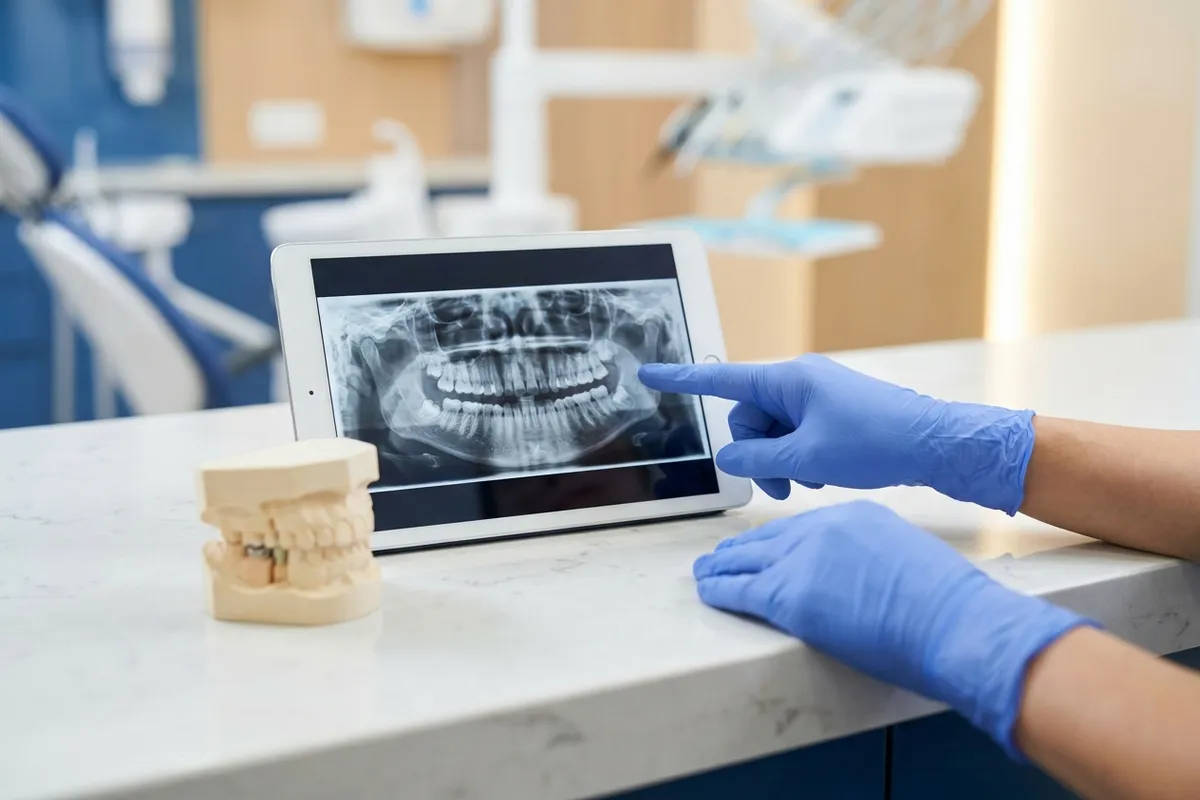
Matching Care to Age and Oral Health
Options may include preventive advice, professional cleaning, fluoride or sealants when indicated, fillings, periodontal care or a restorative plan. Different problems need different approaches: a cleaning does not repair a broken tooth, and a filling does not treat every cause of pain. Ask what each recommendation addresses and whether prevention or monitoring is reasonable. Before scheduling additional care, discuss expected stages, alternatives, maintenance and costs for that patient. A written plan can help a family prioritise care while keeping urgent disease management separate from elective changes.
Supporting Daily Care at Home
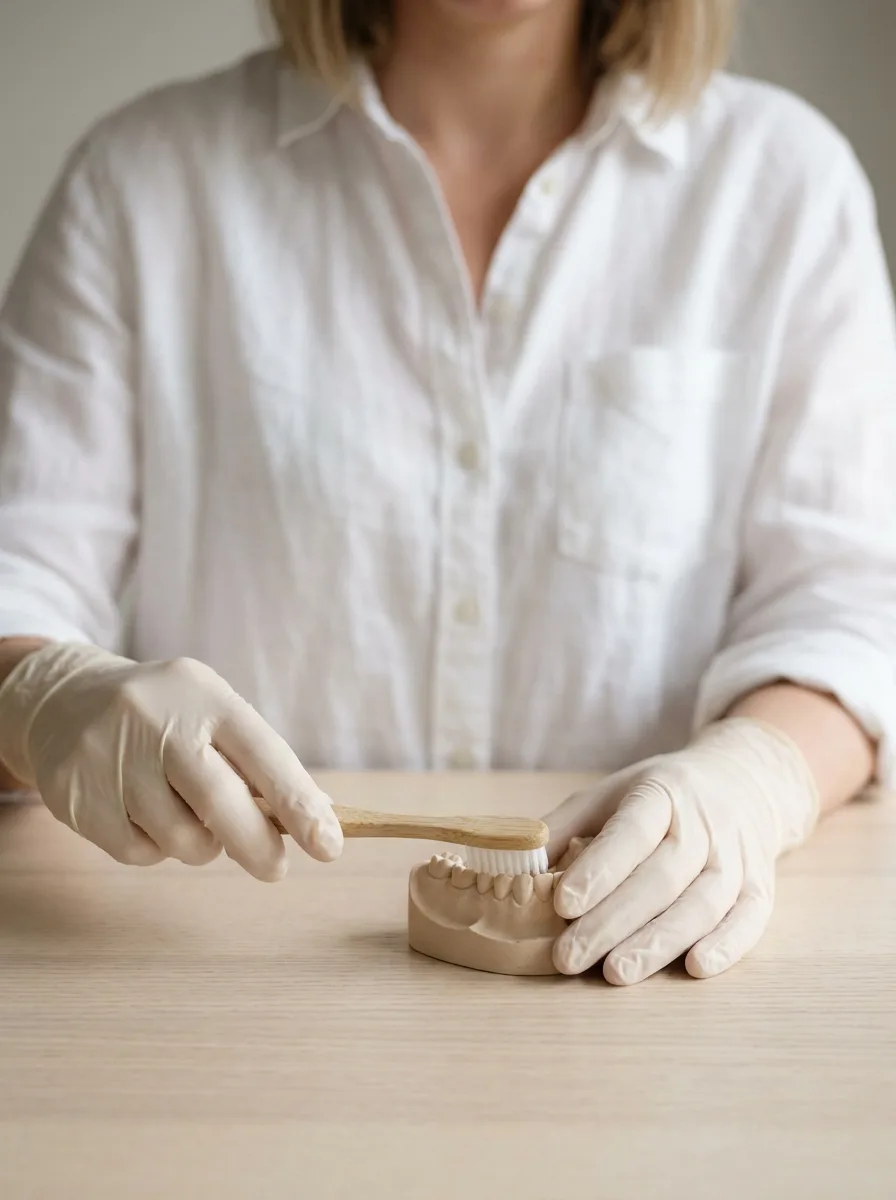
Home care should fit the patient’s age, ability and dental work. Children need suitable supervision and age-appropriate fluoride toothpaste use, while adults may need different tools around restorations or appliances. Follow instructions for any procedure and keep reviews needed to complete staged work. New symptoms should prompt advice even when a recent examination was reassuring. A family routine works best when it can be adapted as health and circumstances change.
- Check that a child’s brushing reaches back teeth, and ask the dentist how much help and toothpaste are appropriate for their age.
- Clean natural teeth and restoration margins daily, using demonstrated interdental tools that fit bridges, implants or wider spaces.
- Seek earlier assessment for persistent bleeding, swelling, a loose restoration or a nonhealing sore rather than waiting for the next shared visit.
Family dental care, step by step
Each family member receives an individual assessment, with prevention and treatment matched to their age and dental needs.
Understand each person's needs
Review health history, dental experiences and concerns for each patient. Children may need attention to tooth development and brushing habits, while adults may need assessment of existing fillings, missing teeth or gum changes.
Provide care for that stage of life
An examination guides cleaning and any recommended preventive or restorative care. Fluoride, sealants, repairs or referral are discussed according to the person's findings, rather than automatically added to every family appointment.
Build individual follow-up plans
Leave with clear priorities for each person's smile, including home-care support and any next appointments. Review changes in diet, health or dental development at later visits so the plan can evolve with your family.
Other Services








Questions About Your Care

Schedule your family visit
Riverside West Dental Group accepts new patients and PPO insurance. Call us during our regular hours.
Why patients choose Riverside West Dental
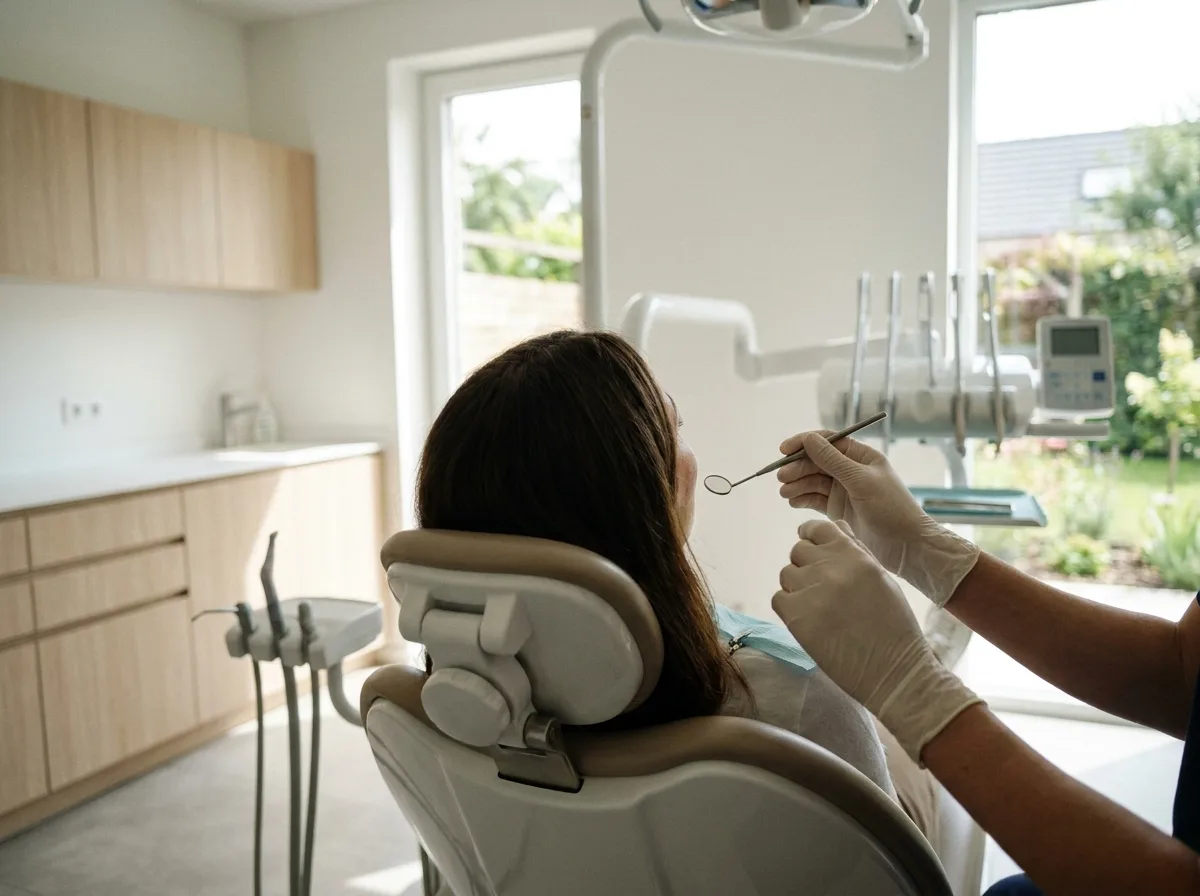
Dr. Steven S. Kim brings 30 years of experience to Riverside West Dental Group.
Experienced doctor
Dr. Kim provides efficient care for routine checkups and complex cases.
Clear explanations
You hear every finding in plain words before a plan is made.

Consistent care
You see the exact same dentist every time you visit our office.
We're waiting for you in Riverside
6945 Streeter Ave
Riverside, CA 92504
- Monday, Thursday and Friday
- 9:00AM – 6:00PM
- Tuesday, Wednesday and the weekend
- Closed