Dental Implants in Riverside
Choose from a variety of implants to suit your taste and budget. Implants can seamlessly replace missing teeth, with the appearance of a real tooth.
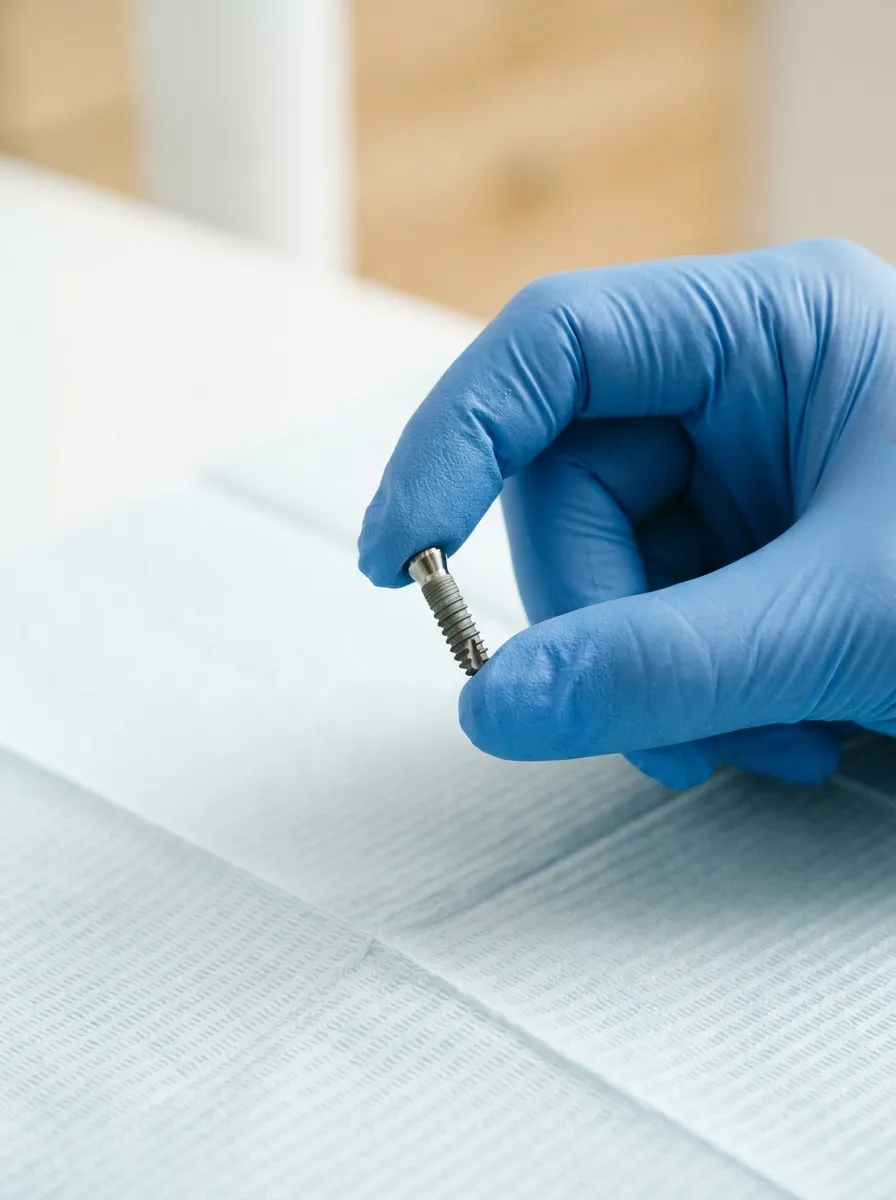
The Implant, Connection and Replacement Tooth
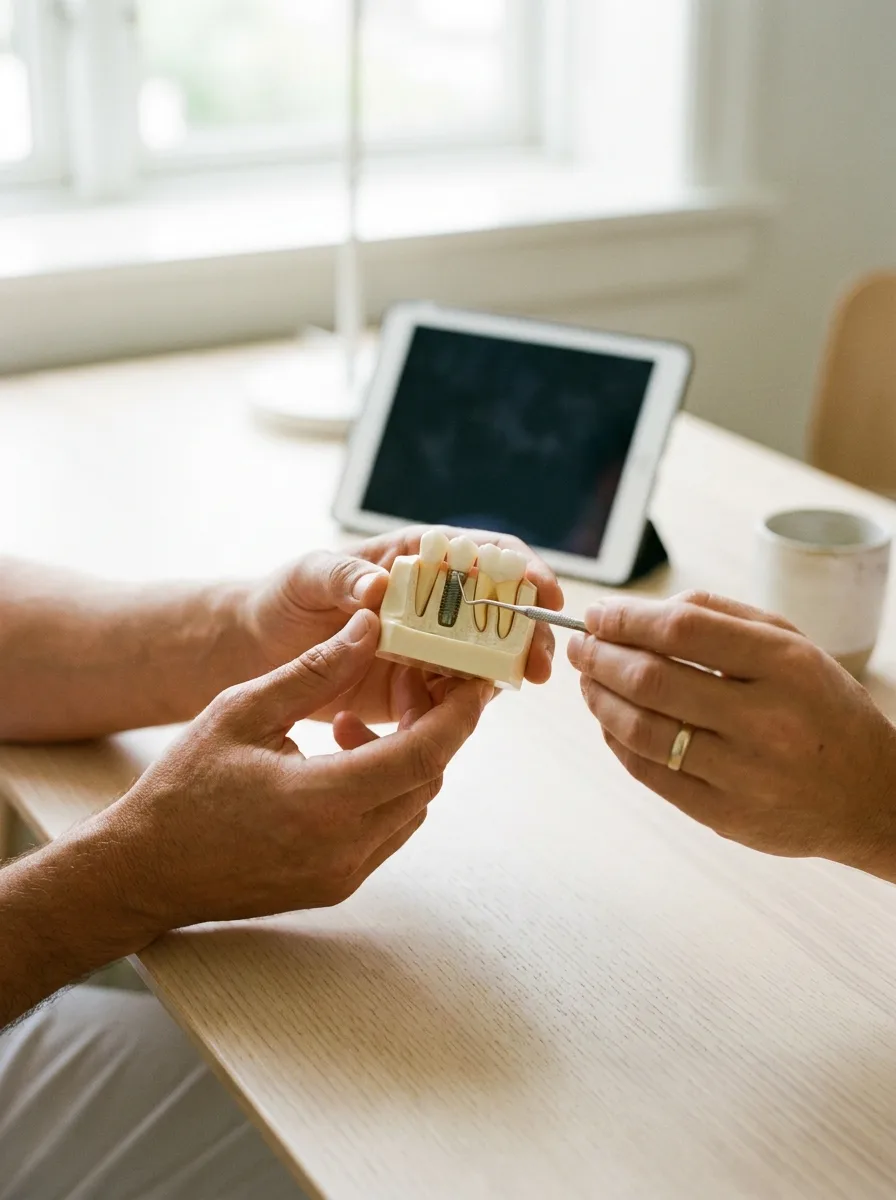
A dental implant is a post placed in the jaw to support a replacement tooth or prosthesis. It replaces the role of a missing root; a crown, bridge, or denture provides the visible teeth. Treatment includes planning, placement, healing, and restoration, with the sequence adapted to your anatomy and health.
During healing, bone develops a close attachment to the implant surface. This attachment differs from the natural support around a tooth root. The visible replacement is made separately and connects to the implant through another component. A problem with the crown or its connection is therefore not necessarily the same as a problem with the implant's support in the jaw.
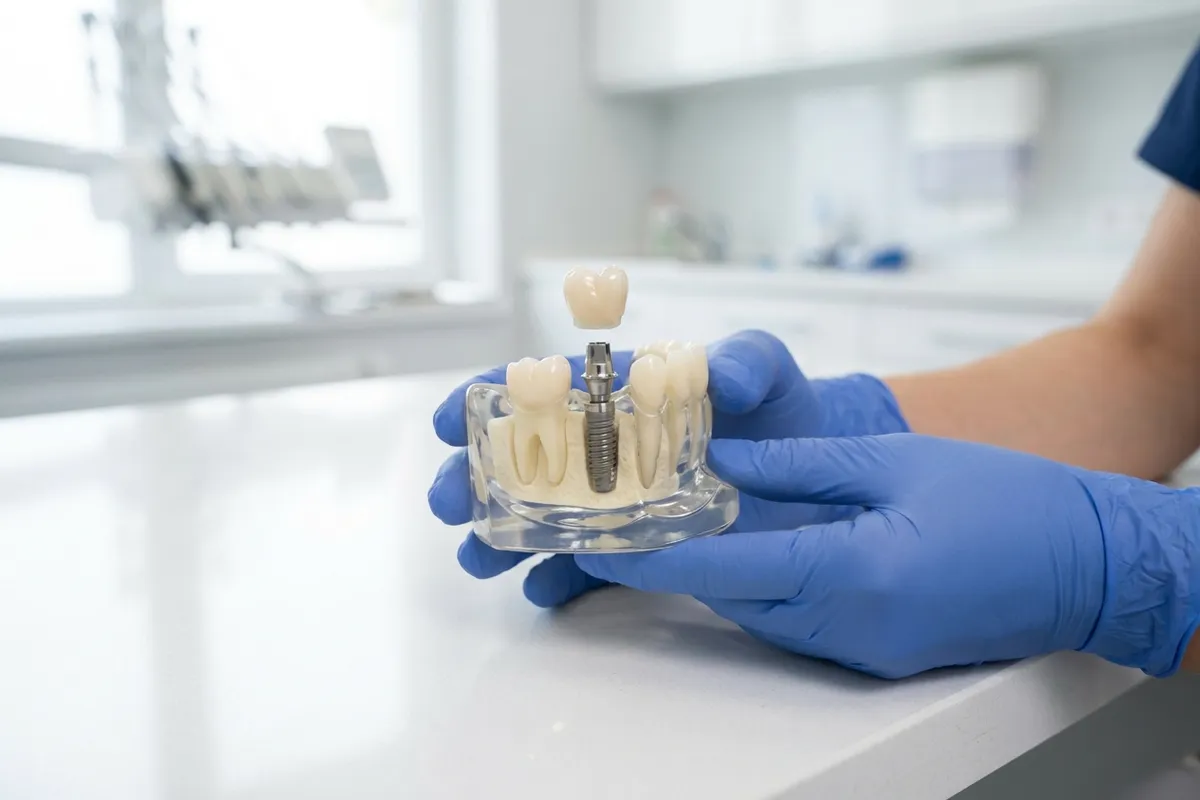
Why an Implant May Be Considered
Missing teeth can affect chewing, appearance, and the stability of the remaining dental arrangement. An implant can support a replacement without preparing adjacent teeth in some cases. It can also help retain a denture. The benefit depends on your starting condition and should be weighed against surgery, time, cost, and maintenance.
The practical goal should be clear: replacing a chewing surface, restoring a visible gap, or improving support for a larger appliance. These goals lead to different restoration designs. For example, replacing one missing front tooth calls for attention to the surrounding gum appearance as well as function. Discuss the result that matters in your daily life before choosing a surgical replacement.
- An implant can support a replacement crown without preparing neighboring teeth in suitable cases, although it requires its own surgical planning.
- Several implants may support a bridge or denture when multiple teeth are missing; the restoration design determines how support is distributed.
- Implants are one replacement option, and their potential benefits should be compared with bridges, removable dentures, and appropriate monitoring of the space.
Suitability of Bone, Gums and General Health
Suitable candidates need an assessment of bone, gum health, medical conditions, and daily cleaning habits. Smoking and some health factors can affect healing and risk. A lack of bone may require grafting or a different option. Implant treatment is individualized and is not automatically suitable for every missing tooth.
A natural tooth that is still present should have its own prognosis assessed before removal to make way for an implant. A replacement introduces surgical and prosthetic demands that keeping a treatable tooth may avoid. For an existing gap, nearby roots and the space for the final crown also affect the plan. Suitability includes the whole proposed restoration, rather than the implant post alone.
- The available bone and gum condition affect placement; grafting or another design may be needed when support is limited.
- Disclose smoking, diabetes, medicines affecting bone, and previous healing difficulties so the surgical and maintenance risks can be considered.
- Discuss whether you can clean around the proposed replacement every day; access and long-term maintenance influence suitability.
Planning Surgery, Healing and Restoration
Implant care often takes place over several stages while the surrounding bone heals. Some patients need an extraction or graft first; others may qualify for a different sequence. Immediate placement or a temporary tooth is only appropriate in selected circumstances. The dental team explain the likely timeline without promising the same schedule for everyone.
Assessing the Site and Replacement Plan
The dental team examine the teeth, gums, bite, and space for the replacement and review your medical history. Appropriate imaging helps assess supporting bone and nearby structures. The dental team discuss whether preparatory care or specialist input is needed, compare alternative replacements, and explain the expected treatment stages and ongoing maintenance.
- Selected imaging assesses bone dimensions and nearby structures, while examination checks the bite and the space available for a replacement.
- Ask whether extraction or grafting comes first, when healing will be checked, and what temporary tooth arrangement is realistic.
- Clarify who provides placement and restoration, how the stages are coordinated, and whether specialist involvement is appropriate for your site.
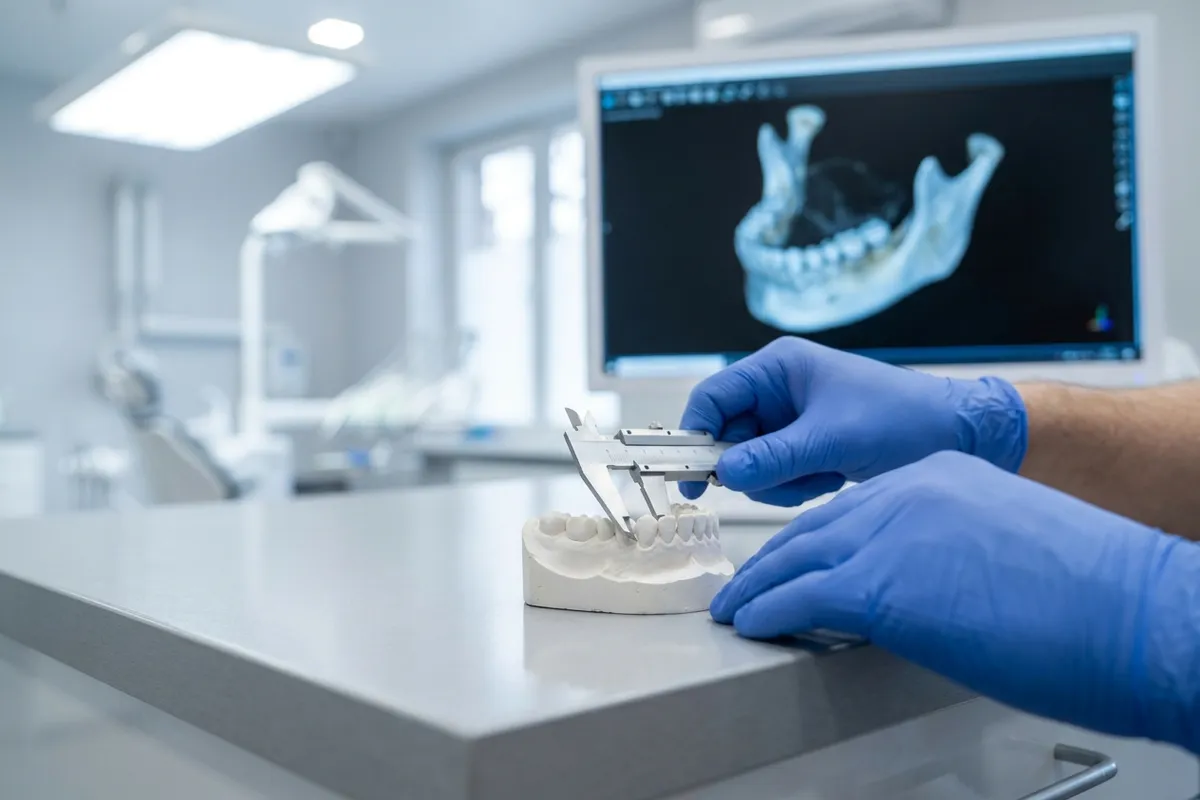
Implants Compared With Other Replacements
One implant may support a crown, while several can support a bridge or an implant-retained denture. The implant is placed, healing is monitored, and the final replacement is fitted when the site is ready. The number of implants and restoration design follow your needs, not a fixed formula.
Compare implant care with a tooth-supported bridge, a removable replacement and any reasonable option to leave a space under review. Discuss surgery, temporary teeth, healing, costs and maintenance rather than appearance alone. The implant and prosthesis may have separate repair needs. Ask which stages are included in the proposed plan and who will review both the surgical site and the final replacement.
Recovery and Long-term Implant Care
After surgery, follow the written instructions for cleaning, activity, and comfort, and attend healing reviews. Implants require daily cleaning and professional maintenance; inflammation can develop around them. Contact the treating clinician about persistent pain, swelling, or a loose component. Longevity varies, and the visible restoration may need repair or replacement over time.
Keep the implant manufacturer and model information with your dental records when provided. These details can help a future clinician identify compatible parts if the connecting component or crown needs attention. At maintenance visits, describe whether movement seems to involve the visible tooth, the appliance, or the whole area; the clinician must determine the cause before a component is repaired.
- Follow surgical cleaning and activity instructions, and avoid placing chewing forces on the site before the treating team permits it.
- After restoration, clean around the implant and under any connected bridge or appliance using the tools demonstrated for your design.
- Report bleeding, swelling, movement, or a loose component promptly; an implant-supported tooth still needs professional monitoring and possible repairs.
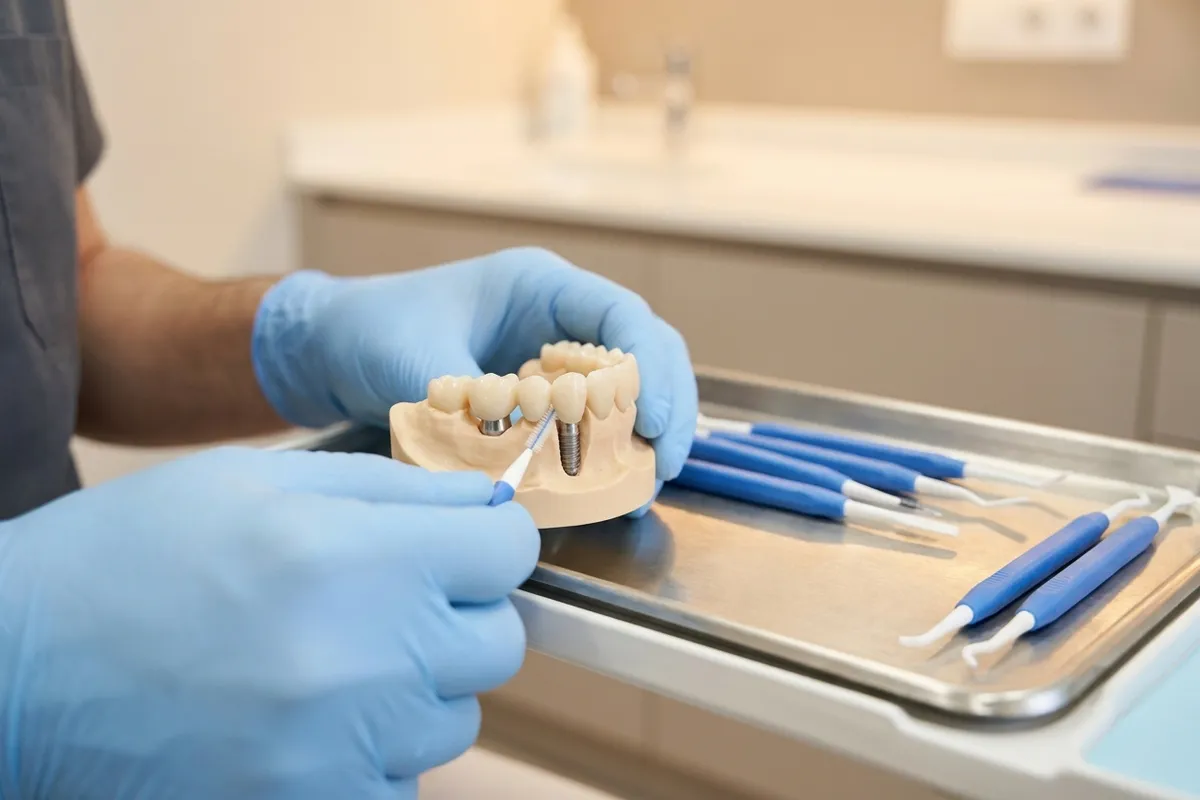
Dental implant treatment stages
Implant treatment combines planning, placement and healing with a separate phase to make and maintain the replacement tooth.
Plan the implant and final tooth
Assessment reviews bone, gums, medical history and the intended tooth replacement, with appropriate imaging. Discuss alternatives, any grafting needs and who will provide the surgical and restorative stages before treatment begins.
Place the implant and monitor healing
The implant is placed in the jaw under the agreed surgical plan. Follow site-care instructions while the surrounding bone and tissues heal; the clinician determines when the implant is ready to support its restoration.
Fit the tooth and maintain the implant
The restorative phase connects and fits the planned crown or other prosthesis, checking the bite and cleaning access. Ongoing home care and professional reviews assess the implant tissues and components; keep the implant-system details for future care.
Other Services




Questions About Your Care

Request your appointment today
Riverside West Dental Group is accepting new patients. We greet you by your first name and treat you like family.
Why patients choose Riverside West Dental
Dr. Steven S. Kim brings 30 years of experience to Riverside West Dental Group.
Experienced doctor
Dr. Kim provides efficient care for routine checkups and complex cases.
Clear explanations
You hear every finding in plain words before a plan is made.

Consistent care
You see the exact same dentist every time you visit our office.
We're waiting for you in Riverside
6945 Streeter Ave
Riverside, CA 92504
- Monday, Thursday and Friday
- 9:00AM – 6:00PM
- Tuesday, Wednesday and the weekend
- Closed