Same-day Care for a Toothache or a Broken Tooth in Riverside
When you have a sudden toothache or a broken tooth, waiting is not an option. Dr. Steven S. Kim provides same-day emergency care in Riverside to help you find relief quickly. He brings 30 years of experience to assess the problem and explain your treatment options in plain words.
What an Urgent Dental Assessment Addresses
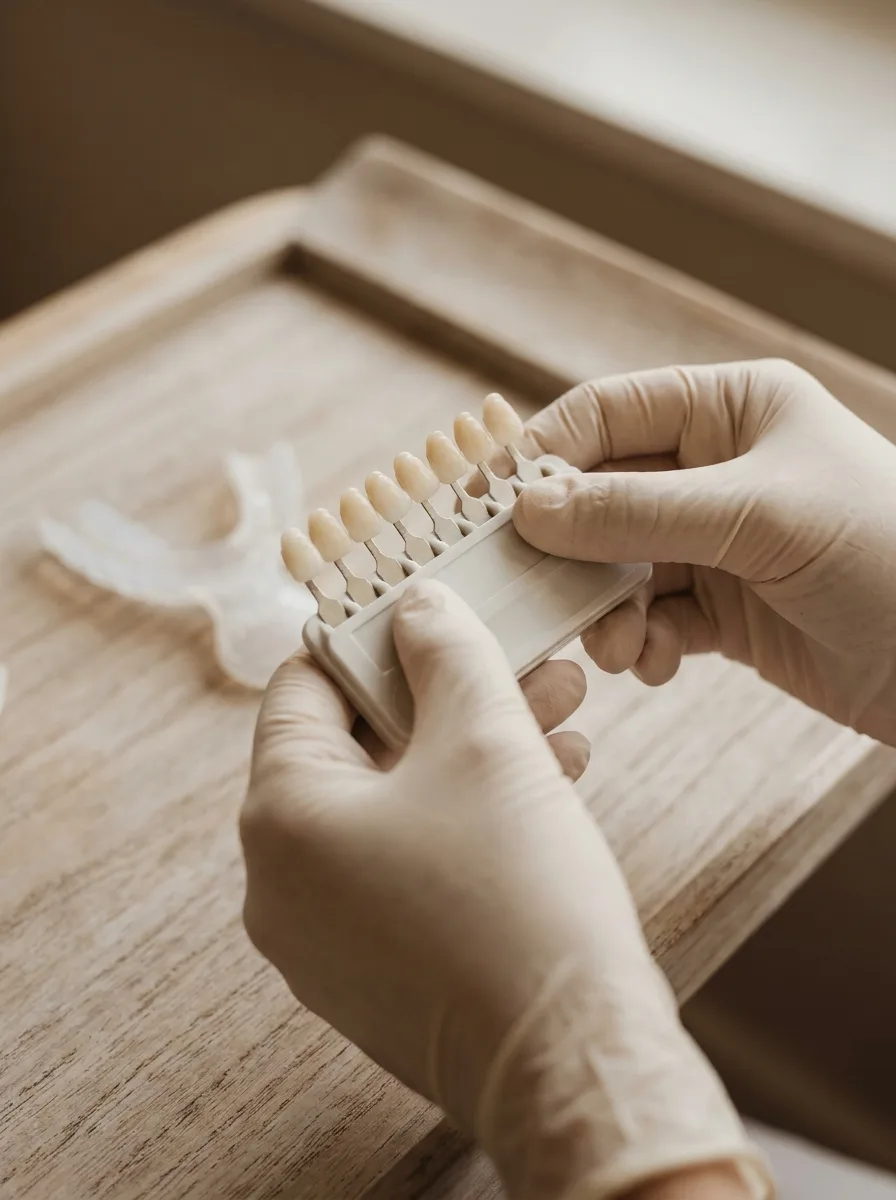
Emergency dental care starts with identifying the cause and urgency of pain, injury, or swelling. The first appointment may diagnose the problem and stabilize the affected tooth before further treatment. Call your dental team and describe what happened so the team can advise you about the next step.
The visit focuses first on the area causing trouble. Tests of a painful tooth, checks of surrounding tissues, and selected images can help distinguish decay, injury, or another source. This focused assessment has a different purpose from a routine examination of the whole mouth. Preventive or restorative appointments may still be needed after the urgent problem is addressed.
Problems That Need Prompt Attention
A broken tooth, infection, or dental injury can become harder to treat if assessment is delayed. Pain relief alone does not address the cause. Some situations also need medical care: trouble breathing or swallowing, rapidly spreading swelling, or uncontrolled bleeding should receive immediate emergency attention rather than waiting for a dental callback.
Pain that interferes with sleep or eating, a tooth knocked out by injury and a broken tooth with a sharp or exposed area all merit prompt advice. Infection may cause swelling even when tooth pain is limited. Temporary relief does not show that the cause has resolved. The decision about urgency considers swelling, injury, general symptoms and whether you can safely drink or swallow.
- Severe toothache can come from several causes; effective treatment depends on finding the source rather than simply suppressing pain.
- A fracture may expose sensitive inner tooth tissue, while a missing filling can leave a tooth vulnerable to further damage.
- Infection-related swelling needs prompt assessment because the appropriate response changes if symptoms spread or affect your general health.
Describing Symptoms and Medical Warning Signs
Tell your dentist when symptoms started, whether pain is worsening, and whether you have swelling, fever, bleeding, or a loose or missing tooth. Explain any accident or recent procedure. These details help with triage, but a telephone conversation cannot replace an examination or establish exactly which treatment you need.
After an accident, distinguish a chip from a whole tooth that has left its socket, and say whether it is a permanent tooth. Those situations need different handling and urgency. Keep a knocked-out permanent tooth moist and seek dental help immediately, handling it by the crown rather than the root. Tell the team about missing pieces or teeth even if the injured area is not very painful.
- Describe the exact location, when the problem began, and whether cold, heat, or chewing makes the pain worse.
- Tell the team about fever, facial swelling, medical conditions, allergies, and any medicines already taken for the problem.
- Bring a broken fragment or displaced crown if available, and explain whether the injury involved a baby or permanent tooth.
What to Do Before You Are Seen
Seek prompt help for severe pain or injury, and immediate dental attention for a knocked-out permanent tooth. Keep the tooth moist, handle it by the crown, and do not reinsert a baby tooth. Serious facial injury or symptoms affecting breathing or swallowing warrant emergency medical care now.
Finding the Cause of Pain or Injury
The dentist reviews the history, examines the teeth and surrounding tissues, and takes appropriate images when useful. The dental team look for causes such as decay, a crack, gum disease, or infection. The assessment determines whether immediate treatment, temporary stabilization, a later procedure, or specialist care is appropriate.
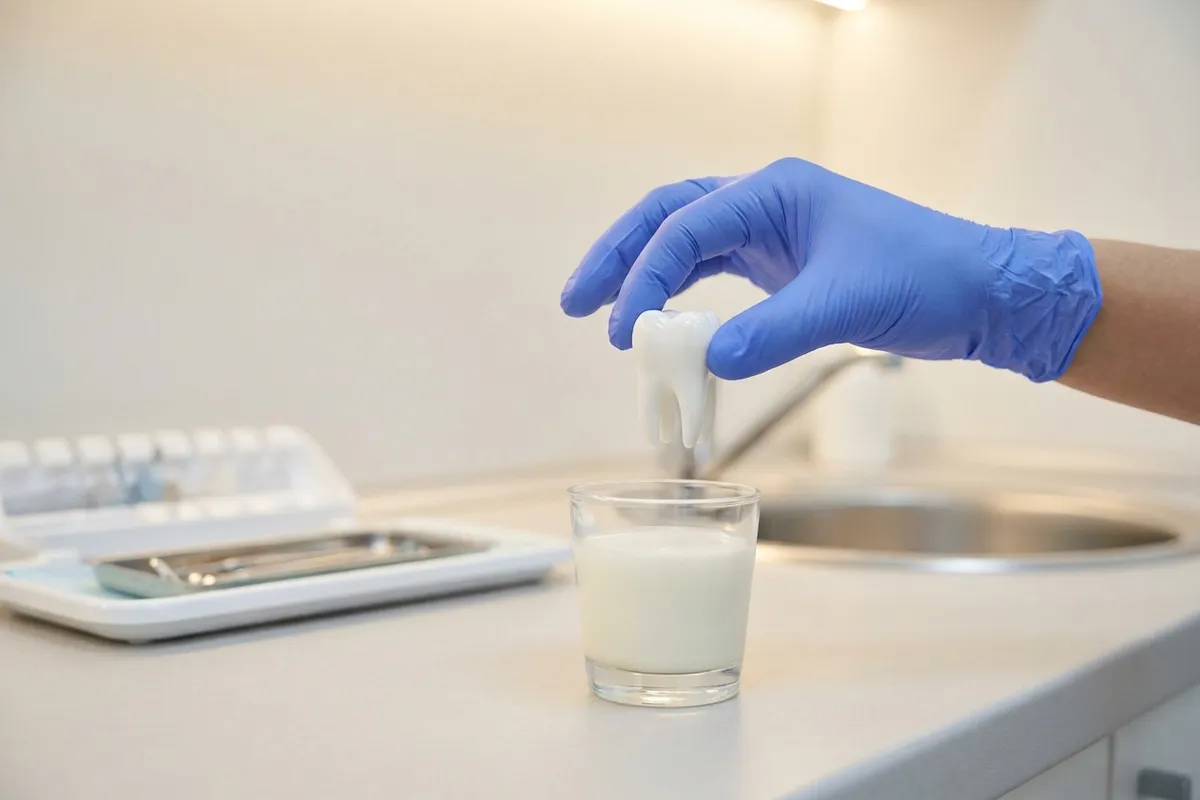
- For a knocked-out permanent tooth, handle the crown, keep it moist in milk if reinsertion is not possible, and seek immediate care.
- An examination may include bite checks, tests of tooth response, and selected images to distinguish injury, decay, and infection.
- Ask whether the first visit provides definitive treatment or temporary stabilization, and clarify what must happen at the next appointment.
Immediate Care and the Definitive Treatment
Depending on the findings, care may include a repair, filling, root canal treatment, extraction, or treatment of affected gums. A temporary restoration can protect a tooth while definitive care is arranged. Antibiotics are not a substitute for treating the dental cause and are used only when clinically indicated.
The amount of damage influences whether a broken tooth can be rebuilt directly or needs more extensive treatment. A small fractured edge differs from a break exposing the pulp or extending into the root. Similarly, stopping discomfort does not show that the tooth has regained its original strength. Discuss what can be preserved, how it will be protected between visits, and the prognosis of the proposed repair.
Following Up After an Emergency Visit
Follow the instructions for your temporary or final treatment and keep recommended follow-up appointments. Tell your dentist if pain or swelling worsens or a temporary repair comes loose. If breathing or swallowing becomes difficult, seek emergency medical help. A second appointment may be essential even if the initial pain has improved.
After an injury, discuss when the repaired tooth can safely be used and whether protection is needed before returning to sport. A sports mouthguard protects against impact and serves a different purpose from a temporary filling. Avoid using the recovering tooth to open packaging or chew hard objects. Later checks may assess the tooth's response to trauma as well as the condition of the visible repair.
- Follow instructions for the treated tooth and any temporary material; improved comfort does not always mean the repair is complete.
- Do not place aspirin against the tooth or gum, and avoid trying to glue a broken tooth or appliance yourself.
- Seek emergency medical help for breathing or swallowing difficulty, rapidly spreading swelling, serious facial injury, or bleeding that cannot be controlled.
Emergency dental care steps
Urgent care focuses on triage, identifying the cause and arranging the treatment or referral that the problem requires.
Describe the injury or symptoms
Contact the practice promptly with details of pain, swelling, bleeding or a broken or knocked-out tooth. Difficulty breathing or swallowing, or a serious facial injury, needs emergency medical attention without waiting for a dental appointment.
Examine and address the cause
A focused examination and indicated imaging guide the immediate plan. Depending on the diagnosis, care may involve stabilising an injury, repairing a tooth, treating infection or arranging urgent referral; every toothache does not need the same procedure.
Complete care and review recovery
Follow the instructions for the treatment provided and arrange any necessary definitive repair or review. Seek further assessment for worsening symptoms or new swelling; initial relief may be only the first stage of resolving the dental problem.
Other Services



Questions About Your Care

Get relief for your dental emergency
Riverside West Dental Group offers same-day care for a toothache or a broken tooth. Call us to schedule your visit.
Why patients choose Riverside West Dental
Dr. Steven S. Kim brings 30 years of experience to Riverside West Dental Group.
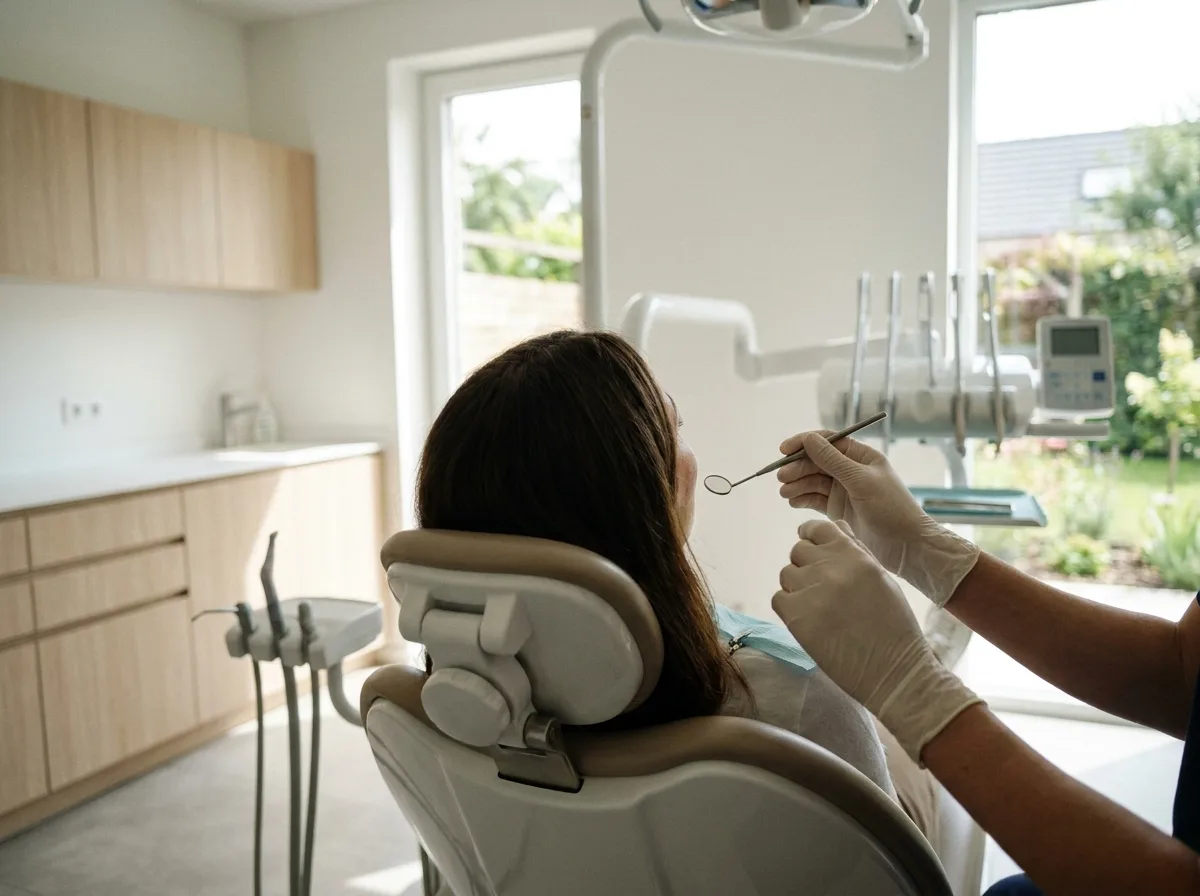
Experienced doctor
Dr. Kim provides efficient care for routine checkups and complex cases.
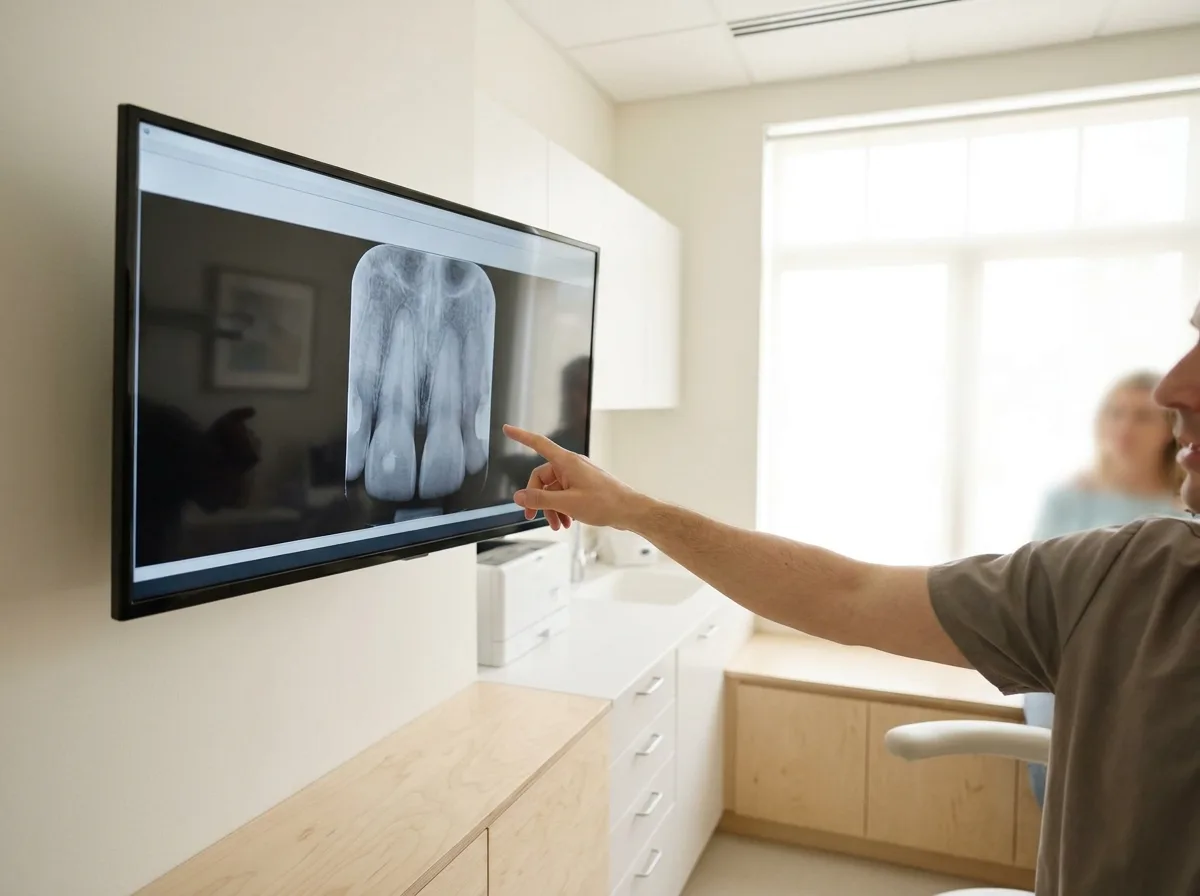
Clear explanations
You hear every finding in plain words before a plan is made.
Consistent care
You see the exact same dentist every time you visit our office.
We're waiting for you in Riverside
6945 Streeter Ave
Riverside, CA 92504
- Monday, Thursday and Friday
- 9:00AM – 6:00PM
- Tuesday, Wednesday and the weekend
- Closed