Orthodontics in Riverside
Orthodontics moves teeth into better positions. Beyond appearance, well-aligned teeth are easier to keep clean and spread the forces of chewing more evenly.
How Orthodontics Moves Teeth
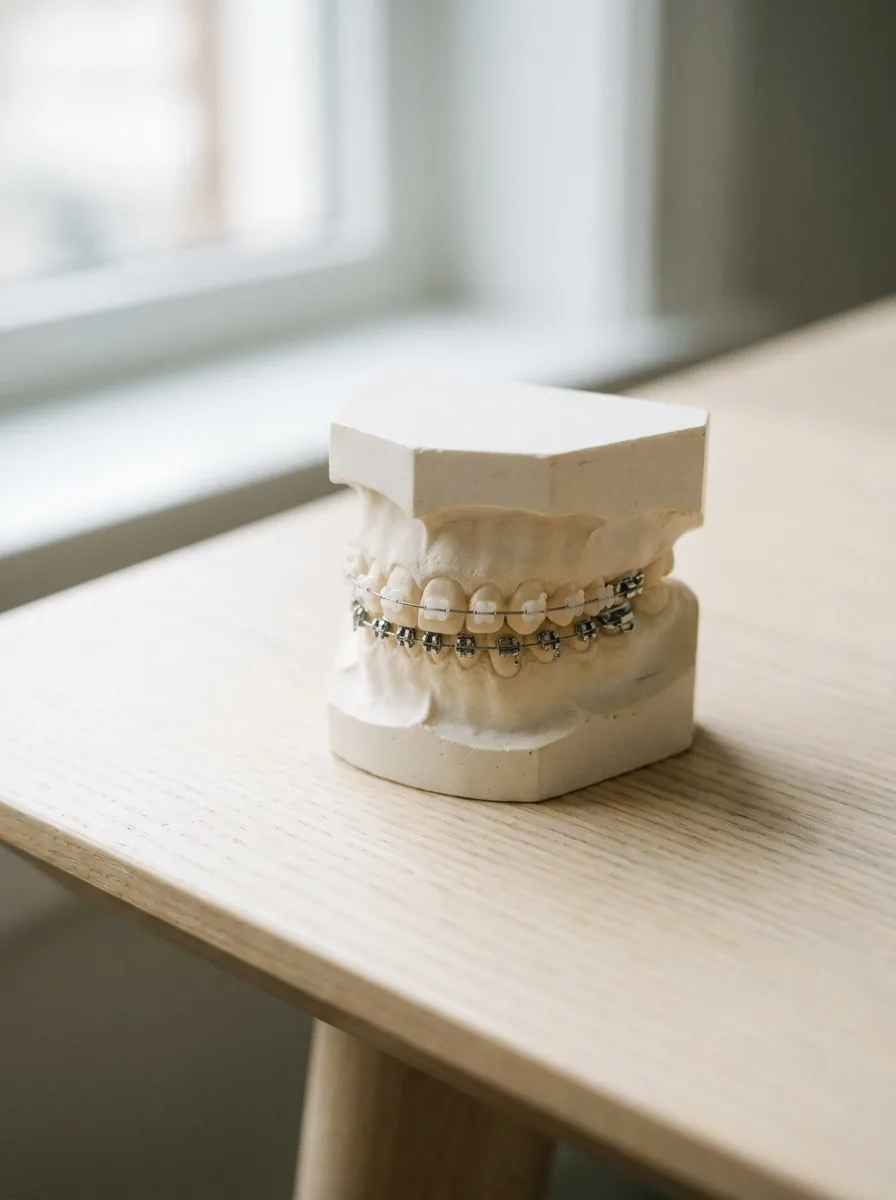
Orthodontic treatment moves teeth to address selected spacing, crowding, or bite concerns. Braces and clear aligners use different methods and have different daily requirements. The aim is a plan that considers tooth position, supporting tissues, function, and appearance instead of focusing only on straight front teeth.
Orthodontic forces act through the tissues around tooth roots and gradually change tooth position. Planning includes how the upper and lower teeth will meet, not only the visible front teeth. Movement does not directly whiten teeth, repair decay or replace a missing tooth. Records and clinical review help judge whether the intended changes remain suitable as treatment progresses.
Reasons to Assess Crowding, Spacing or the Bite
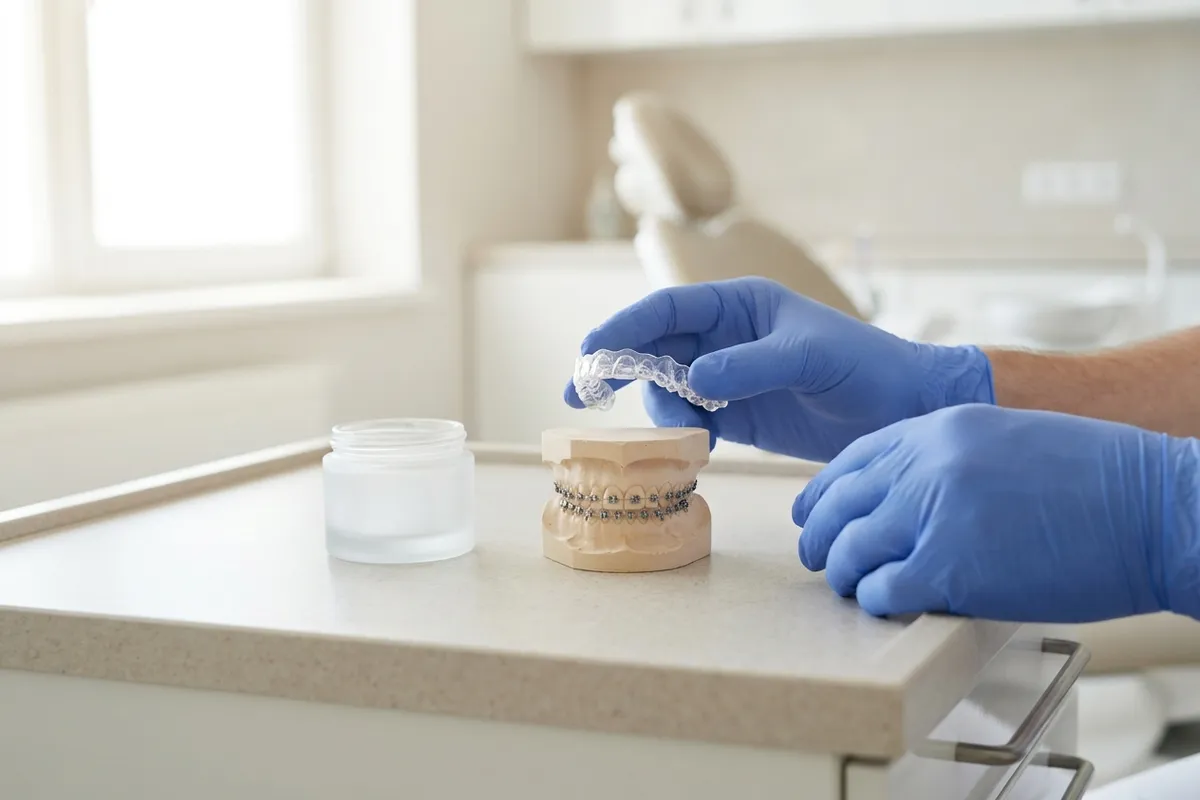
Crowding and gaps can affect appearance and make some areas difficult to clean. How the upper and lower teeth meet can also influence planning. Straightening teeth does not automatically solve every jaw symptom or dental problem, so the assessment should identify the specific concern being treated.
Crowding, spacing and bite concerns can have different causes, even when two smiles look similar. The treatment plan should explain where movement is needed and how it affects function and cleaning. If teeth are missing or restorative work is planned, the sequence may need coordination. Cosmetic preference alone cannot determine which appliance or movement strategy is appropriate.
- Crowding or spacing can affect appearance and access for cleaning, but the movements needed should be assessed together with the bite.
- Selected tooth-position changes may support later restorative work, such as creating suitable space for a planned replacement tooth.
- Orthodontic treatment addresses suitable alignment and bite concerns; it does not automatically resolve every jaw symptom or skeletal problem.
Age, Gum Health and Suitability
Adults and younger patients may be candidates depending on dental development, gum health, and the movements needed. Active decay or gum disease needs attention before movement. Tell your dentist about previous orthodontic care, restorations, or jaw symptoms. Complex bite or skeletal concerns may require an orthodontic specialist.
The spaces available for movement matter when teeth are missing or replacement work is planned. Closing a gap and preserving space for a future tooth are different goals. Existing crowns and other restorations also need to be included in that discussion. The orthodontic and restorative parts of care should agree on the intended positions, so movement supports the final dental arrangement rather than only straightening visible edges.
- Age, dental development, supporting tissues, and the nature of the movements matter more than the assumption that braces are only for children.
- Tell your dentist about previous orthodontics, retainers, missing teeth, and restorations so the assessment includes existing treatment and tooth structure.
- Discuss whether you can maintain appliance hygiene and attend reviews; fixed and removable options have different daily commitments.
Planning Active Treatment and Retention
Treatment duration depends on the case and the response of the teeth, with periodic visits to monitor progress. Braces need careful cleaning; removable aligners depend on consistent wear. Discuss the expected appointment schedule and what to do if an appliance breaks. Retention after active treatment is part of the commitment.
Records, Root Health and Jaw Relationships
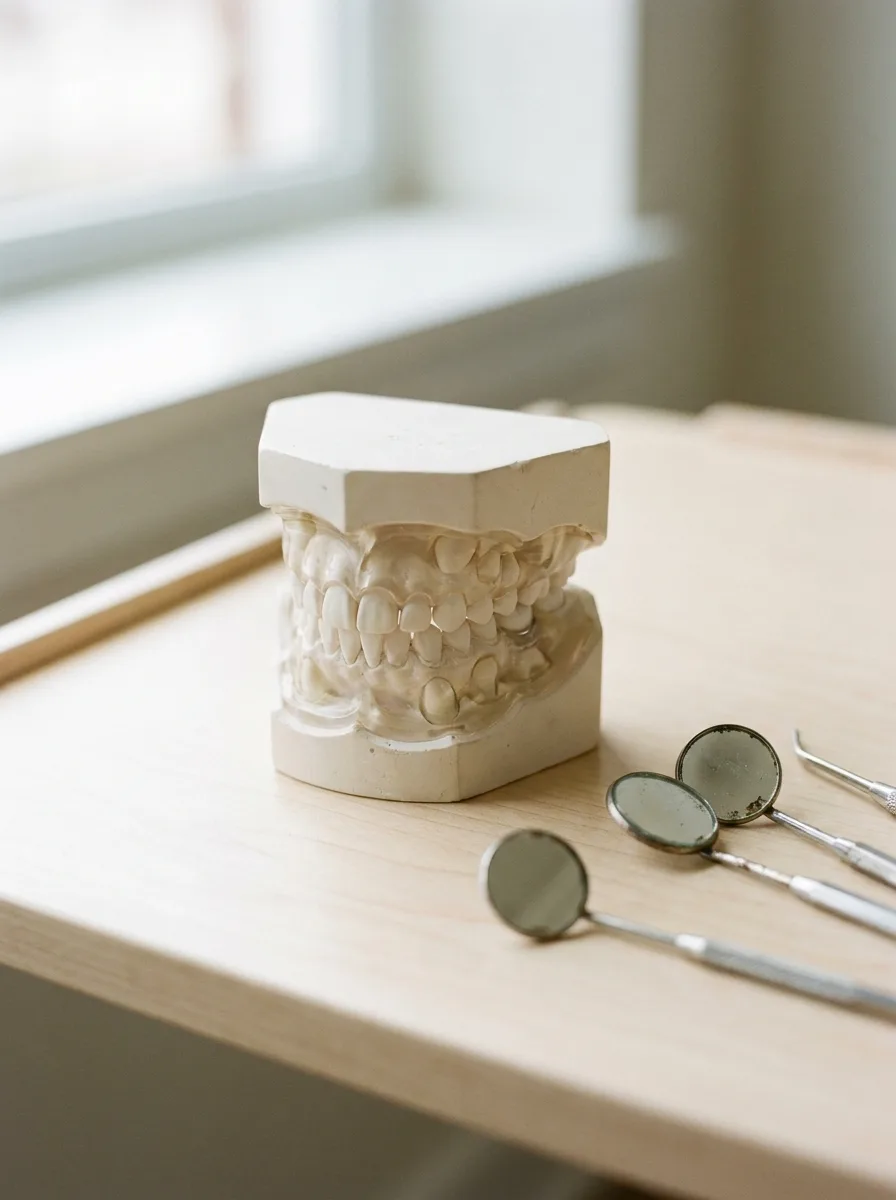
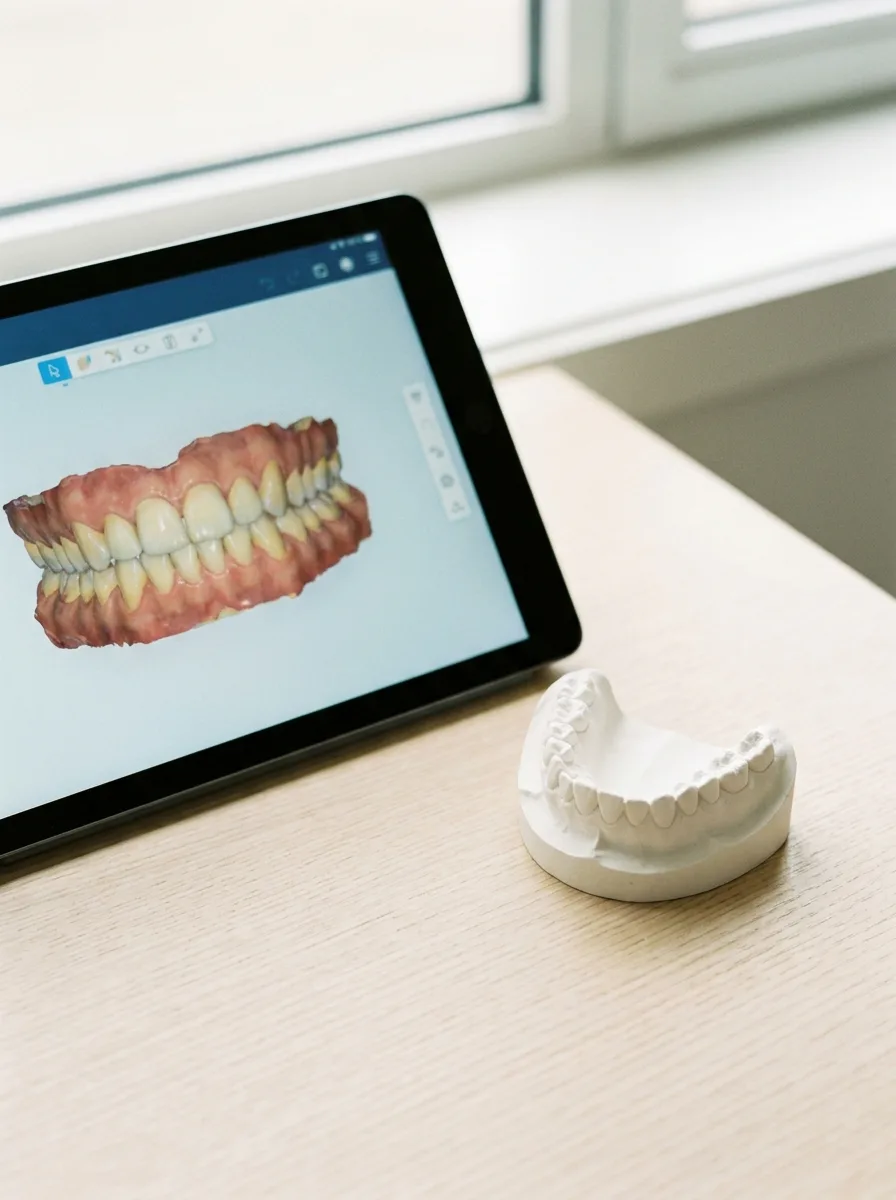
The dental team examine tooth position, the bite, gums, and existing dental work. Photographs, scans or models, and appropriate images help assess the movements required. The dental team discuss suitable options and limitations, including whether a specialist should plan or provide the care. A visual preview does not guarantee an exact result.
- Records help assess tooth position, the upper-lower bite relationship, and supporting tissues before an appliance or movement sequence is chosen.
- Compare braces and aligners based on the actual movements required, not solely how noticeable either appliance may be.
- Complex bite, jaw-development, or supporting-tissue concerns may need specialist input and coordination with other dental care.
Braces, Aligners and Other Approaches
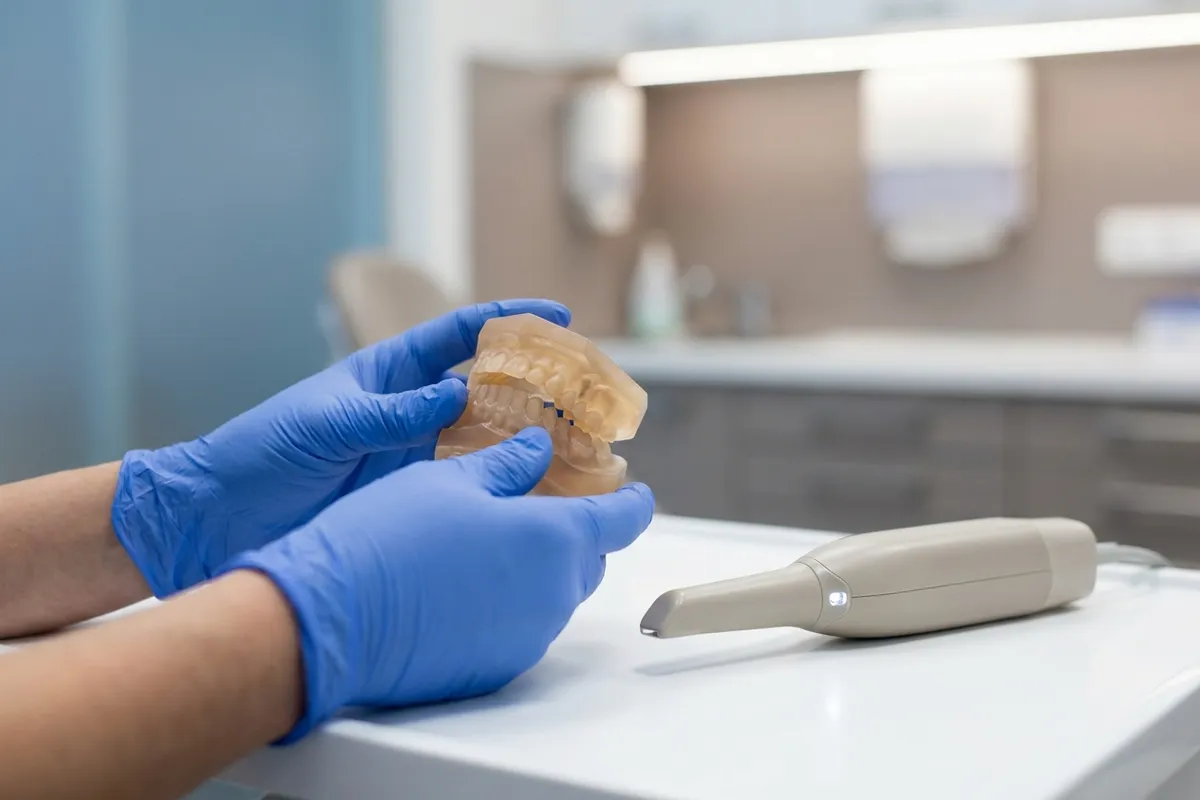
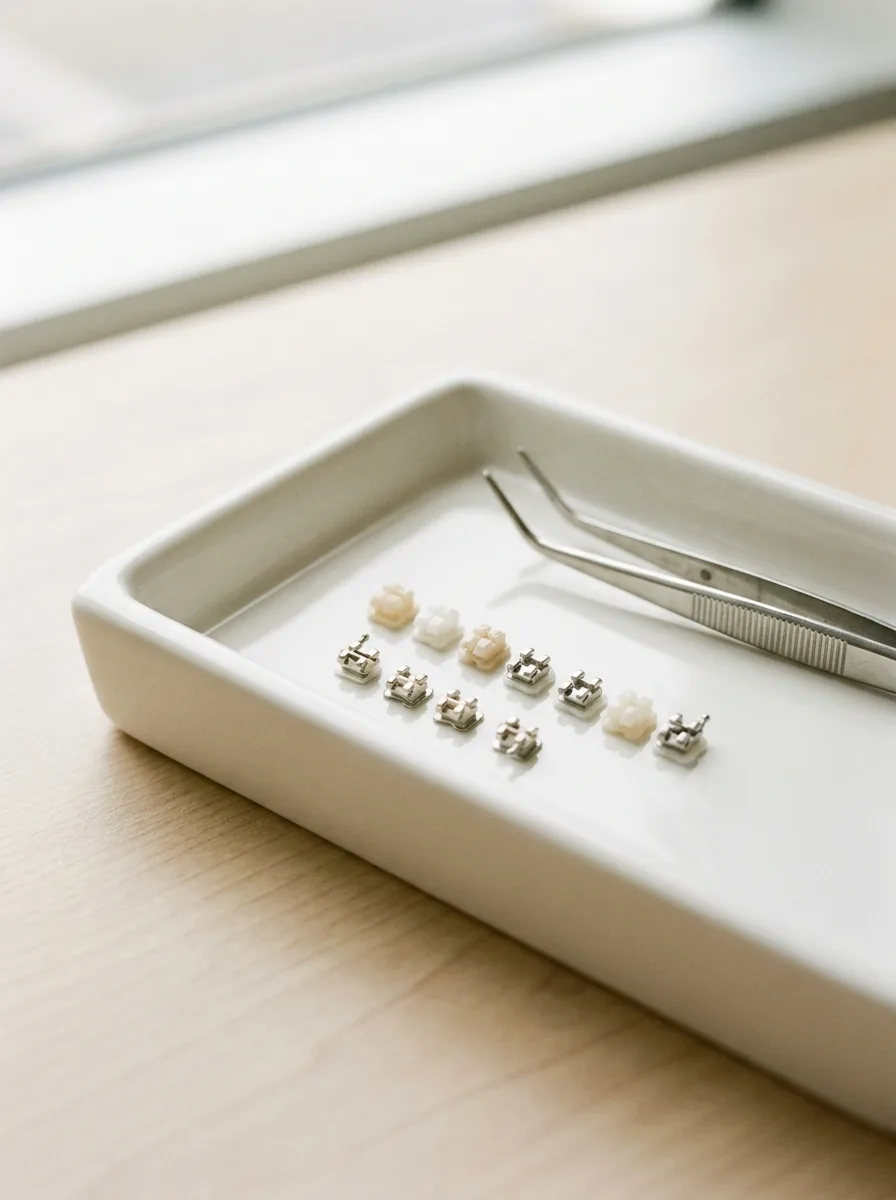
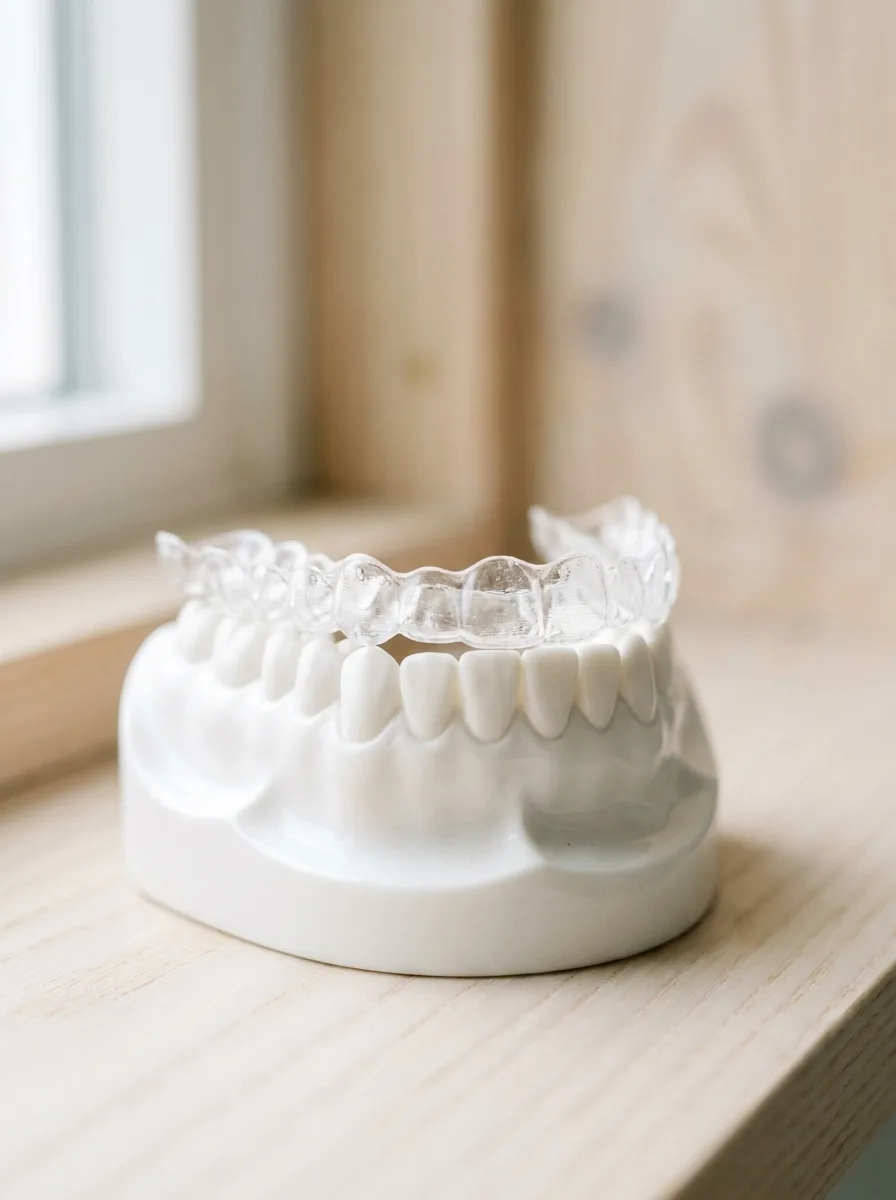
Fixed braces can provide control for movements that may be difficult with removable trays. Aligners allow removal for eating and cleaning but need reliable wear. Some plans use additional appliances or staged treatment. The choice follows the assessment and your practical needs rather than a preference for one system in every case.
With braces, brackets hold a wire that guides forces onto the teeth; removable trays apply forces through their fit against tooth surfaces. Both rely on the supporting tissues responding over time. Additional appliances may help coordinate how upper and lower teeth meet. A choice of appliance should therefore address the required movement and bite, including what extra steps are needed to achieve it.
Daily Care and Keeping Teeth in Position
Follow the cleaning and wear instructions during treatment and contact the treating team about significant discomfort or a damaged appliance. After movement finishes, retainers help limit shifting and require ongoing use as directed. Keep reviews so the result, appliance fit, and supporting oral health can be monitored.
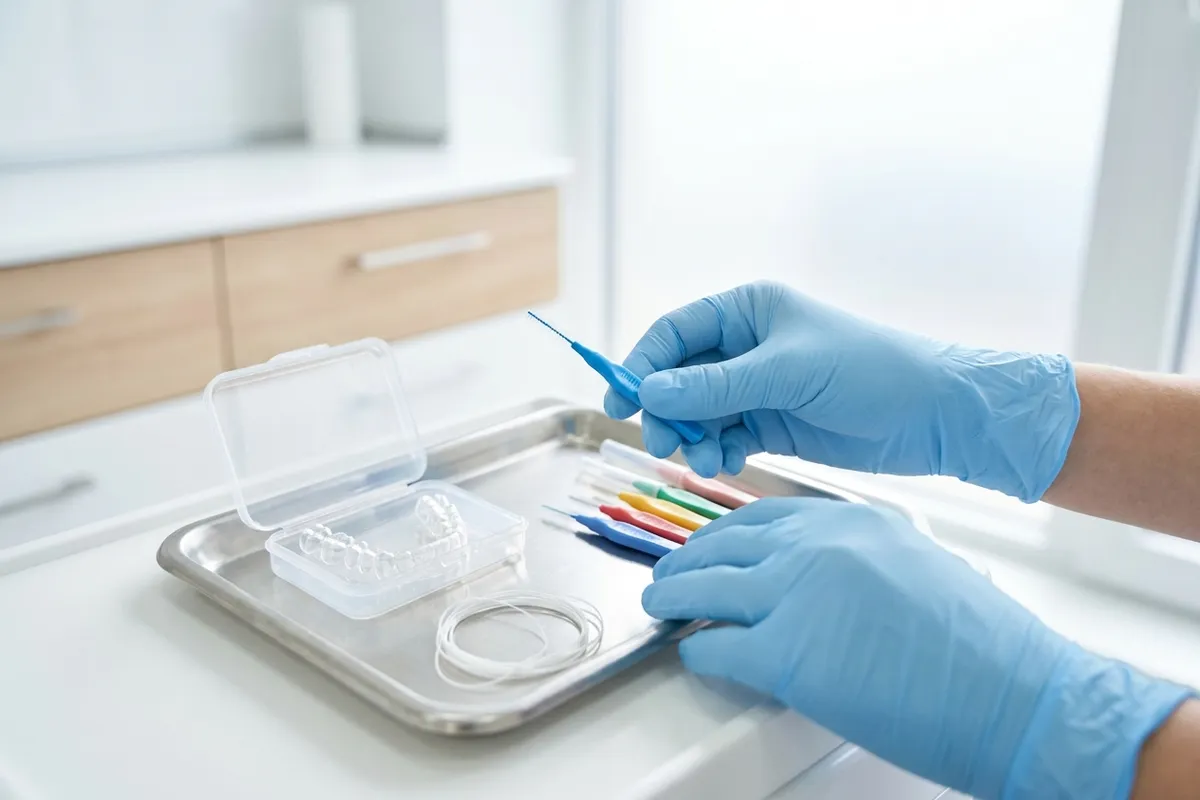
Around fixed brackets, plaque can collect in places that were easy to reach before treatment. Have the team demonstrate cleaning above and below the brackets and between the teeth, using tools suited to the appliance. Routine dental visits remain useful while orthodontic appointments focus on movement. When appliances come off, the cleaning routine changes again, including care around any fixed retainer that remains.
- Clean around appliance parts carefully, keep preventive visits, and report broken brackets, wires, or trays to the treating team.
- Follow the prescribed adjustment or wear schedule; changing it yourself can interfere with planned movement and progress checks.
- Continue retainer use as directed after active treatment, and request prompt advice if the retainer is lost, damaged, or no longer fits.
Orthodontic treatment stages
Tooth movement follows an individual bite assessment, a monitored appliance plan and retention after active treatment.
Assess the teeth and bite
Records and examination evaluate crowding, spacing, jaw relationships and gum health. Discuss the aims and limits of treatment, suitable appliance options and any need for an orthodontic specialist before tooth movement begins.
Guide and monitor tooth movement
The selected appliance applies planned forces, with reviews to check progress and make necessary adjustments. Cleaning around appliances and following instructions for elastics or removable devices support treatment; timing depends on the required movements and response.
Retain the new tooth positions
When active treatment is complete, retainers help maintain the result as supporting tissues adapt. Follow the prescribed wear and cleaning plan, and arrange review for a broken appliance or a retainer that no longer fits.
Other Services





Questions About Your Care

Request your appointment today
Riverside West Dental Group is accepting new patients. We greet you by your first name and treat you like family.
Why patients choose Riverside West Dental
Dr. Steven S. Kim brings 30 years of experience to Riverside West Dental Group.
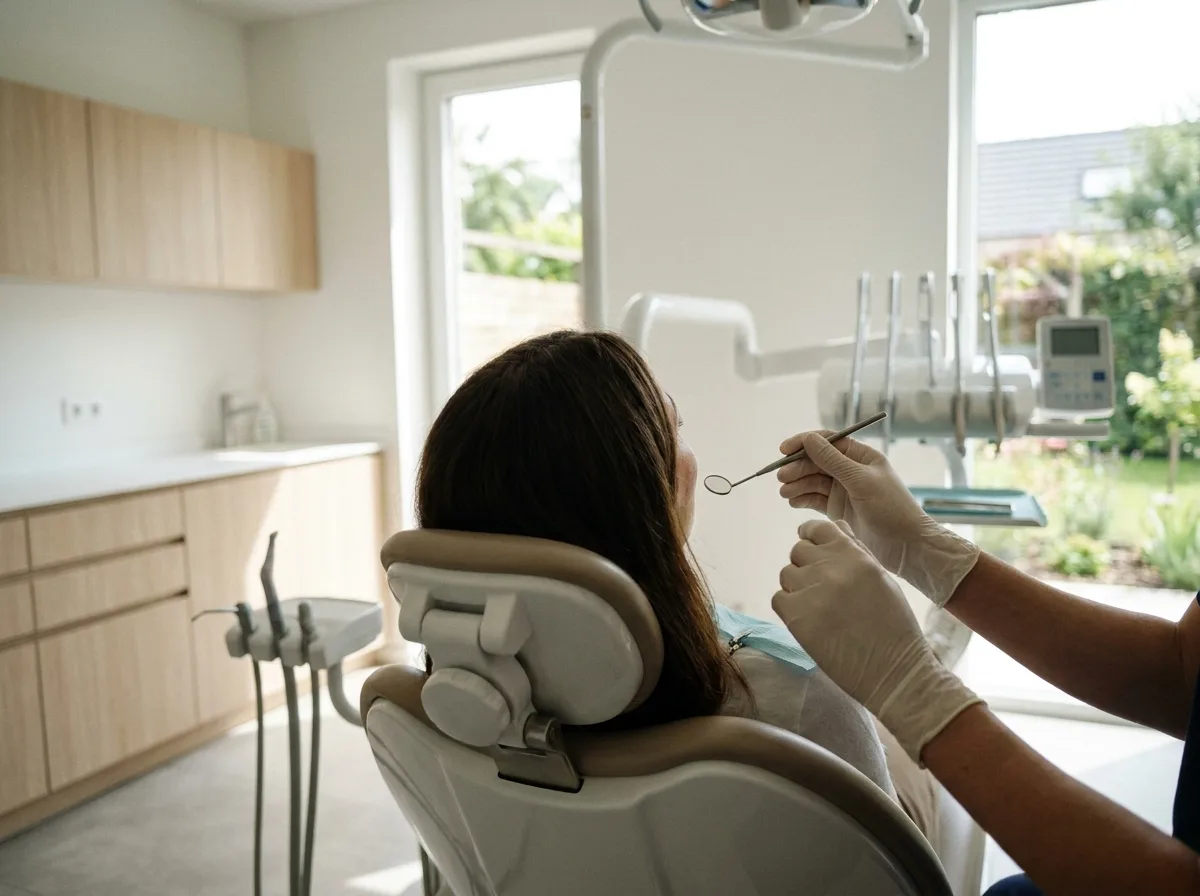
Experienced doctor
Dr. Kim provides efficient care for routine checkups and complex cases.
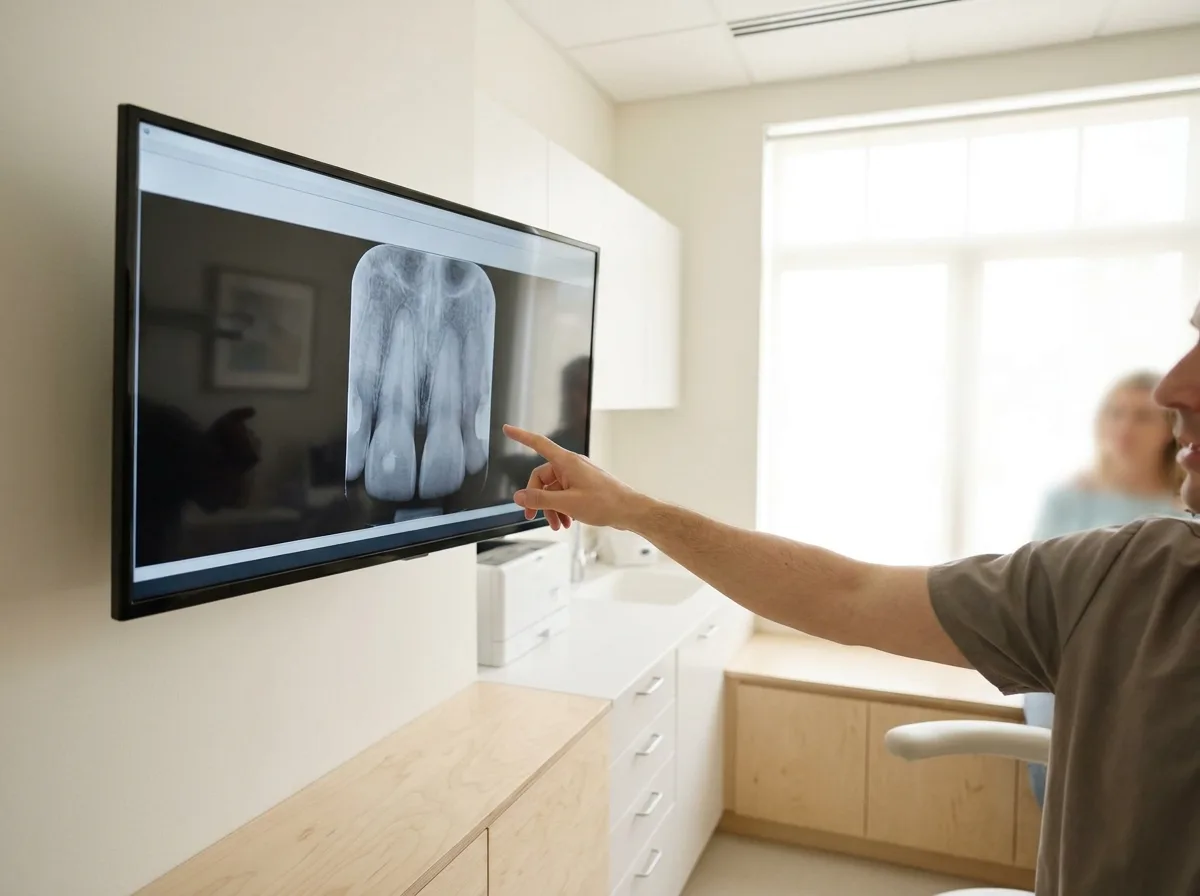
Clear explanations
You hear every finding in plain words before a plan is made.

Consistent care
You see the exact same dentist every time you visit our office.
We're waiting for you in Riverside
6945 Streeter Ave
Riverside, CA 92504
- Monday, Thursday and Friday
- 9:00AM – 6:00PM
- Tuesday, Wednesday and the weekend
- Closed