Implant Restorations in Riverside
Dr. Steven S. Kim provides implant restorations for patients in Riverside. He brings 30 years of experience to complex cases, helping you replace missing or badly broken down teeth. You see the same dentist every time, and he plans your care to require as few visits as properly needed.

The Replacement Tooth Above an Implant
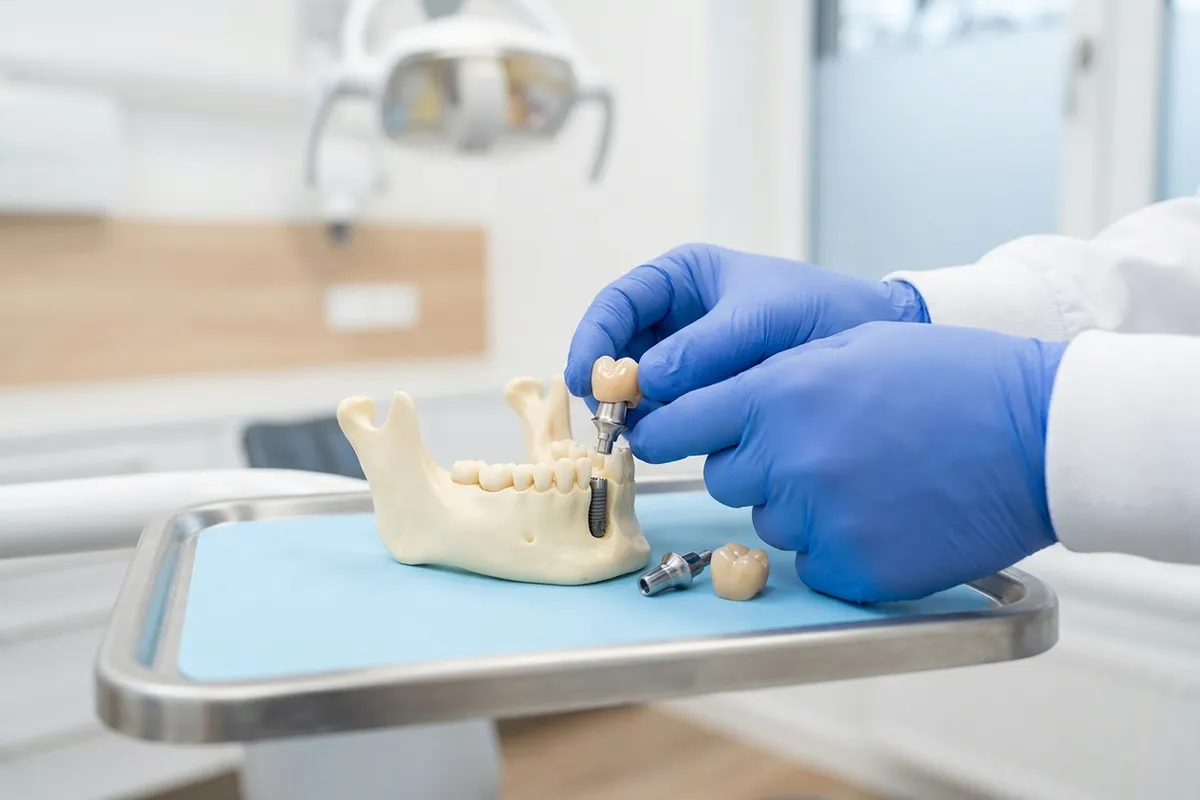
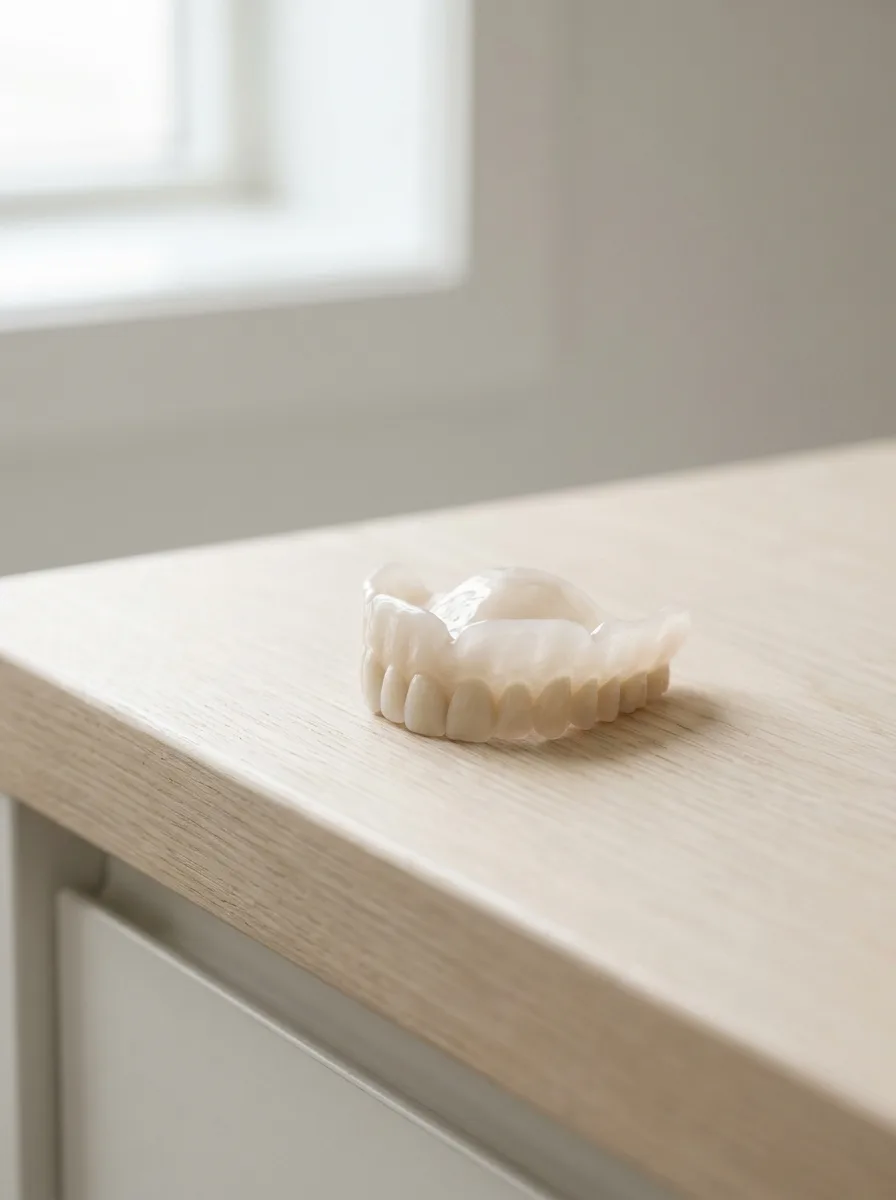
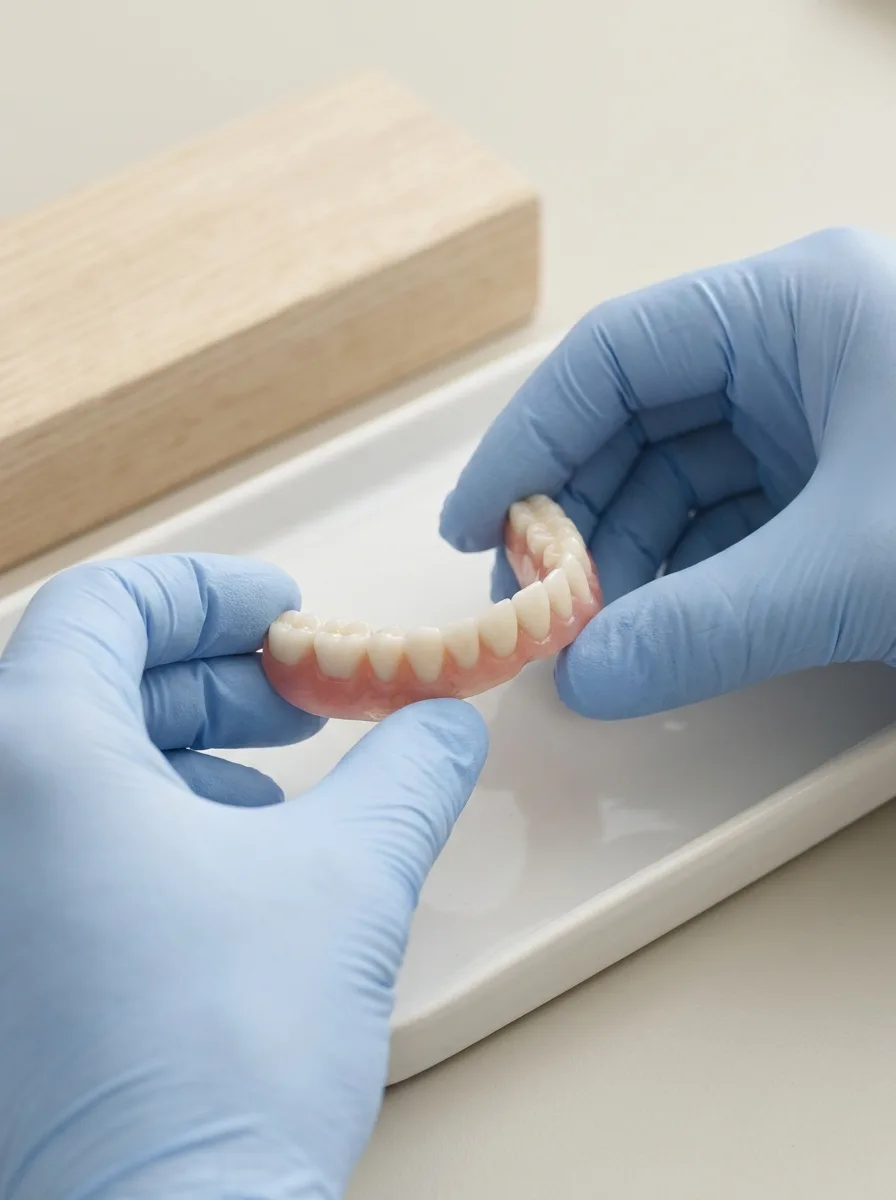
An implant restoration is the visible replacement supported by a dental implant. It can be a single crown, part of a bridge or another suitable prosthesis. The implant fixture is placed in bone, and a connecting component supports or retains the replacement. Fabricating or repairing this restoration is different from placing a new implant. Both the prosthesis and the tissues around its support need care.
A restoration must fit the implant system and work with the available space, bite and gum contours. It should allow practical cleaning. A well-matched appearance alone cannot establish that the implant is healthy, the connection is sound or the design can tolerate everyday function.
Why an Implant Restoration May Be Needed
Restoration may complete a planned implant replacement after healing, or address damage to an existing crown or connection. A chipped tooth, loosened component or changed bite needs diagnosis before replacement is chosen. Movement may involve the prosthesis, its connection or the implant itself, and these require different responses. Do not assume that replacing the visible tooth resolves a problem in the supporting bone or tissues.
- Ask whether the proposed work completes a healed implant or repairs an existing restoration, since the assessment and stages may differ.
- Report a click, new movement or a chipped surface rather than repeatedly tightening or testing the replacement yourself.
- Discuss changes in gum shape, food trapping or cleaning access that could affect the design of a replacement crown.
Suitability of the Implant and Surrounding Tissues
Suitability includes the condition and position of the implant, healthy surrounding tissues and enough restorative space. Grinding or an unfavourable bite can place extra demands on the prosthesis. A previously placed implant may require identification of its system and review of its records. Sometimes tissue treatment, connection repair or specialist input is needed before a new crown can be made. The visible replacement should not conceal an unresolved support problem.
- Bring records identifying the implant manufacturer, placement date and previous restoration when treatment was provided elsewhere.
- Mention bleeding, soreness or swelling around the implant, even when the crown itself looks undamaged.
- Describe grinding and difficulty cleaning beneath or beside the replacement so maintenance requirements influence the design.
From Healing to the Final Replacement
A new implant restoration is fitted when the treating team determines that the site is ready for the planned loading. Healing and temporary-tooth arrangements vary, so a calendar date alone does not establish readiness. Repair of an existing restoration follows a different assessment and may need compatible parts or fabrication time. Ask whether a temporary replacement is possible, what forces it can tolerate and which appointments are needed. Prompt advice is appropriate when an existing crown becomes loose or damaged.
Identifying the Implant and Checking Its Support
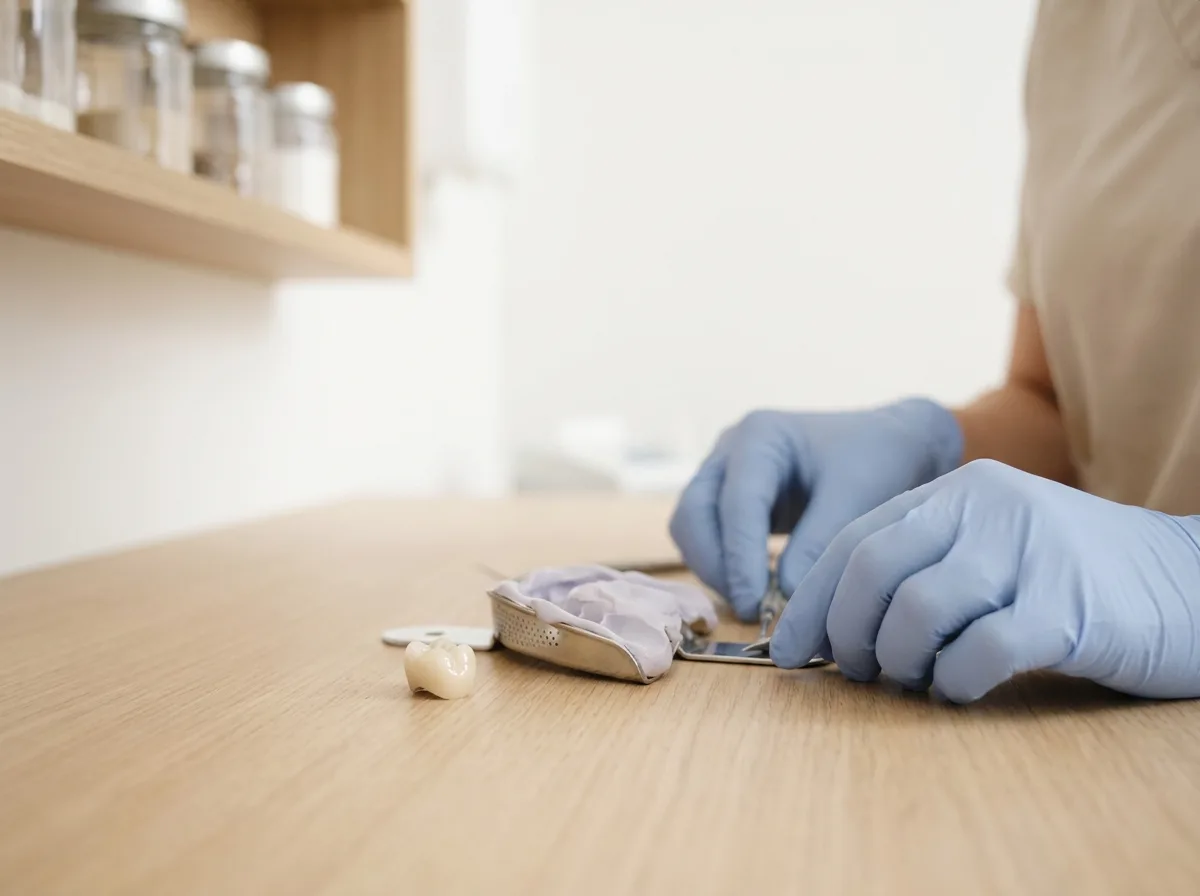
The dentist examines the implant area, soft tissues, bite and surrounding teeth, and reviews relevant imaging and treatment records. The assessment distinguishes a prosthetic problem from loss of support or inflammation. Impressions or scans and component information may be needed to plan compatible work. Where the implant system or health is uncertain, another assessment may be required before fabrication.
- Clarify whether movement comes from the crown, connection or fixture, and what each finding means for treatment.
- Ask how tissue health, contacts and cleaning access will be checked alongside the fit of the restoration.
- Confirm how the restorative and surgical teams will coordinate if supporting-tissue care or specialist advice is needed.
Restoration Designs, Materials and Repairs
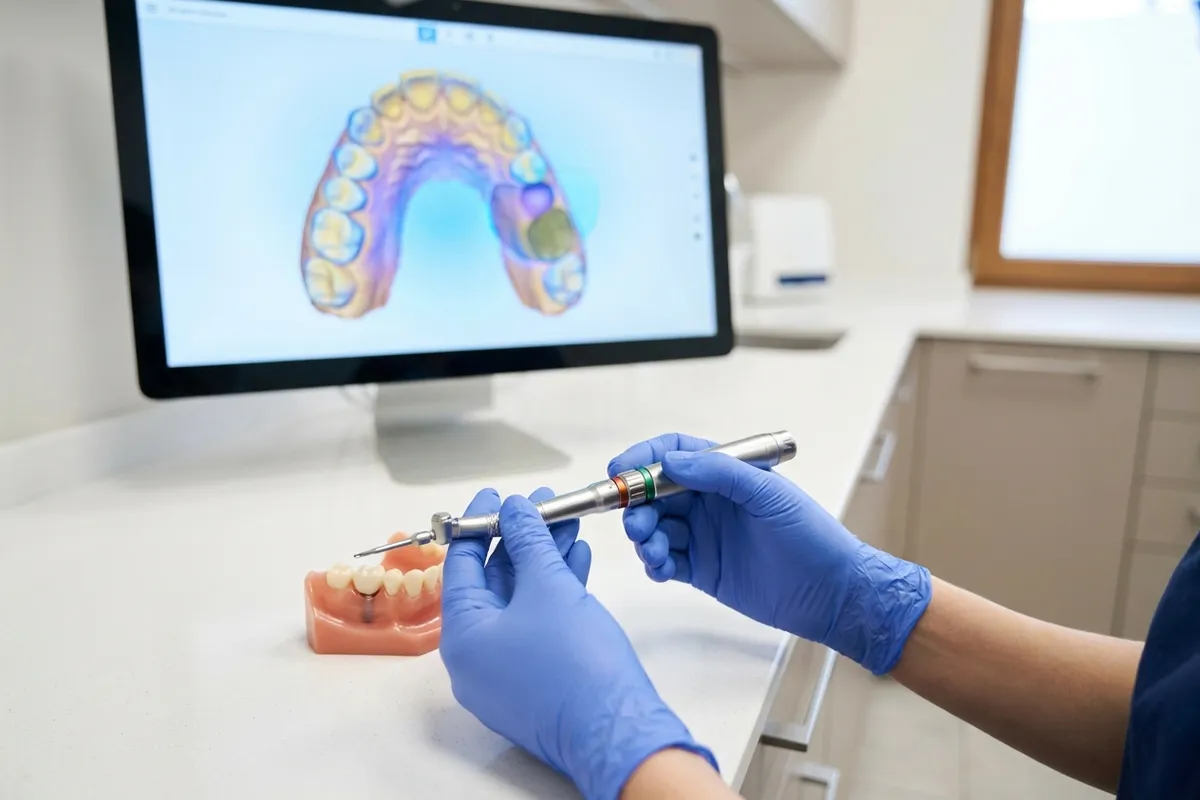
A restoration may be retained by a screw or another suitable method, depending on the system and clinical plan. Materials and contours are selected for the location, bite and appearance goals. Repair or component replacement may sometimes avoid making an entirely new prosthesis; other damage requires replacement or care of the support first. Compare access for cleaning, retrievability, repair needs and appointment stages. Ask which parts of the proposed work are included and how future maintenance will be managed rather than assuming every implant crown uses the same design.
Cleaning and Maintaining the Restoration
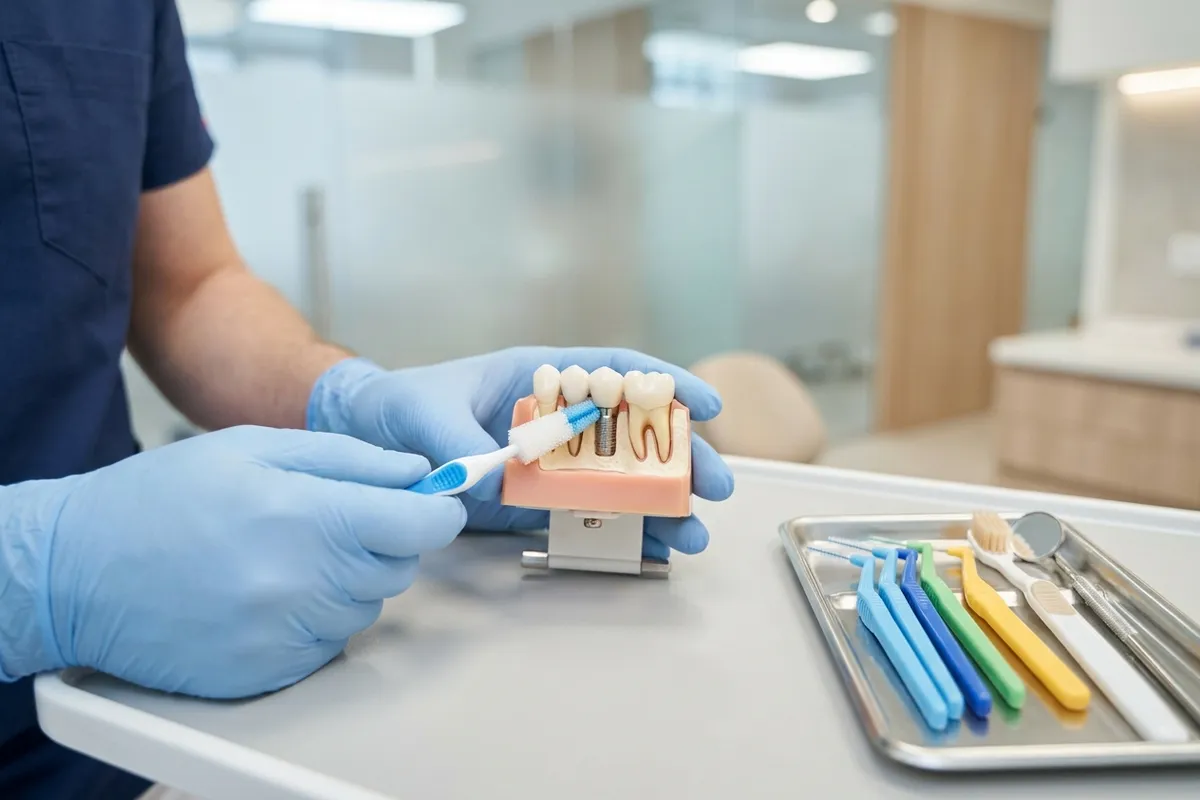
Clean around the restoration and implant with the tools demonstrated for its design. Implants do not develop cavities in the fixture, but inflammation can damage their supporting tissues, and prosthetic parts can wear or loosen. Keep reviews of tissue health, bite and components. After fitting or repair, follow any loading instructions and report continuing discomfort rather than adapting your chewing indefinitely to avoid the replacement.
- Use suitable interdental or under-bridge tools where advised, and ask for a demonstration if ordinary floss cannot reach the required area.
- Seek review for bleeding, swelling, persistent soreness, a changed bite or new movement of the replacement.
- Avoid trying to tighten, glue or reshape a damaged component yourself, and keep records of repairs for future restorative care.
Restoring an implant, step by step
This process concerns the tooth replacement attached to an implant, including fitting a new restoration or assessing an existing one.
Assess the implant and components
Review implant records, surrounding gums and the condition of the attached crown, bridge or denture. A loose or damaged restoration needs assessment before deciding whether the issue is prosthetic, implant-related or both.
Plan the replacement or repair
The restoring clinician identifies compatible components and takes the records needed for the planned prosthesis. The design considers bite forces, neighbouring teeth and access for cleaning; healing readiness matters when an implant is newly placed.
Fit and maintain the restoration
The restoration is attached and its fit, bite and cleaning access are checked. Follow the recommended maintenance visits and seek prompt review for movement, fracture or discomfort rather than attempting to tighten components yourself.
Other Services




Questions About Your Care

Book your implant consultation
Riverside West Dental Group is accepting new patients. Schedule your visit with Dr. Kim to discuss your options.
Why patients choose Riverside West Dental
Dr. Steven S. Kim brings 30 years of experience to Riverside West Dental Group.
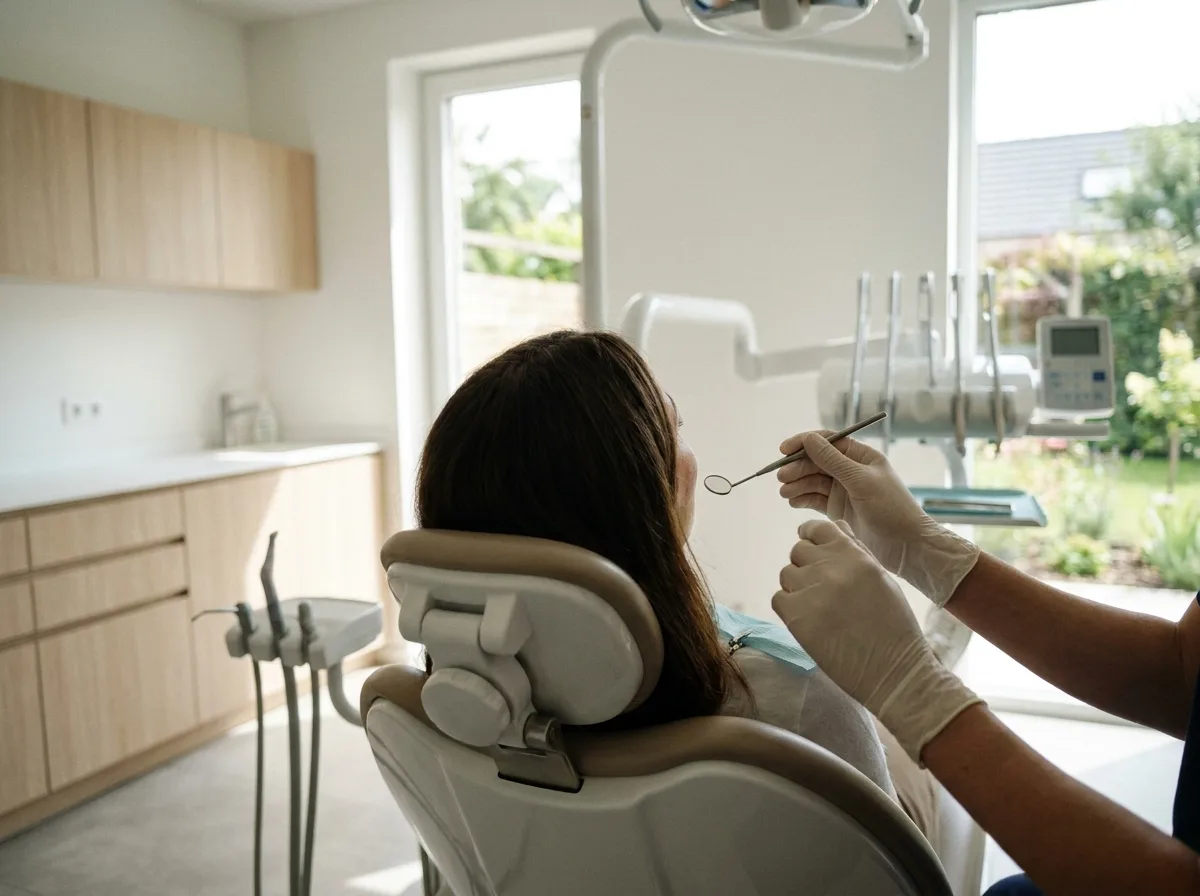
Experienced doctor
Dr. Kim provides efficient care for routine checkups and complex cases.
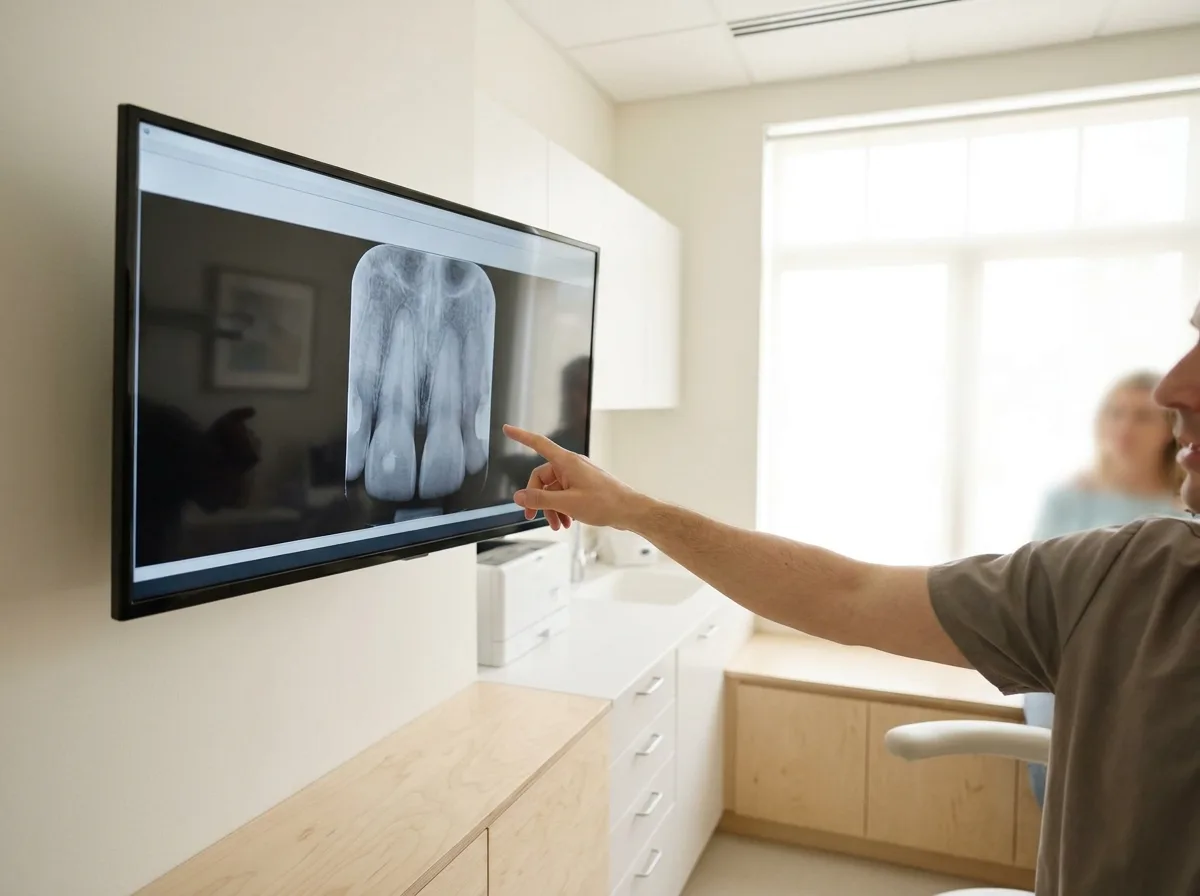
Clear explanations
You hear every finding in plain words before a plan is made.

Consistent care
You see the exact same dentist every time you visit our office.
We're waiting for you in Riverside
6945 Streeter Ave
Riverside, CA 92504
- Monday, Thursday and Friday
- 9:00AM – 6:00PM
- Tuesday, Wednesday and the weekend
- Closed