Fluoride and Sealants for Children in Riverside
Dr. Steven S. Kim offers fluoride and sealants for children at Riverside West Dental Group. He brings 30 years of experience to every visit. Kids see the same dentist each time they come in. You get clear explanations about their teeth before any work is done.
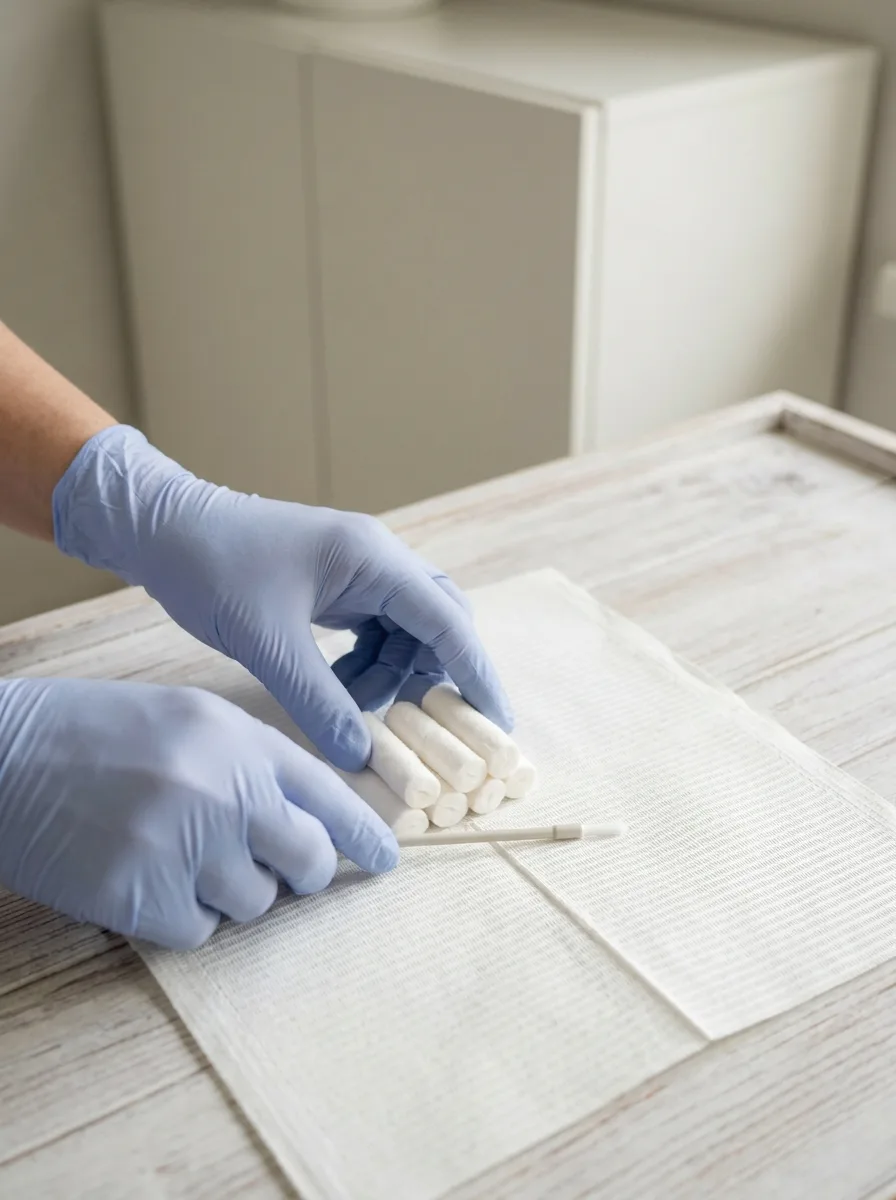
Two Different Ways to Protect Children’s Teeth
Fluoride and sealants protect children’s teeth in different ways. Fluoride supports remineralisation of early mineral loss and helps tooth surfaces resist acid attacks. A sealant forms a coating over selected pits and grooves, usually on chewing surfaces of back teeth. Both complement brushing, cleaning between teeth and sensible eating habits. They do not guarantee that cavities will never develop or replace treatment for an established cavity that needs a restoration.
A child may benefit from one measure, both or a different prevention plan. The decision considers the teeth that have erupted, the shape and condition of their surfaces, previous cavities and everyday care. Extra treatment should have a clear purpose for that child.

When Extra Cavity Protection Helps
Newly erupted molars can be difficult to clean, particularly where deep grooves collect plaque and food. Frequent sugary snacks or drinks and difficulties with brushing can add to cavity risk. Prevention aims to protect vulnerable surfaces before more extensive damage occurs. Ask which part of the recommendation concerns surface grooves and which concerns the child’s wider risk of decay; the treatments address different mechanisms.
- Discuss deep molar grooves that remain difficult to clean despite supervised brushing, since a coating may help protect those surfaces.
- Mention recent cavities or frequent sugar exposure so fluoride advice is based on the child’s current risk.
- Ask whether an early enamel change can be managed preventively or whether a cavity already needs restorative treatment.
Which Teeth and Children May Benefit
Suitability depends on tooth condition and cavity risk rather than age alone. A molar needs to be accessible for sealant placement, and keeping it dry helps the material bond. Children’s toothpaste and other fluoride exposure should also be reviewed. Report allergies and previous reactions to dental products. Discomfort or visible damage needs assessment; prevention should not hide a problem that requires another type of care.
- Tell the dentist which toothpaste and fluoride products the child uses and whether they tend to swallow toothpaste or rinse.
- Share previous sealants, cavities and trouble reaching back teeth so the plan focuses on surfaces that need protection.
- Ask whether a partly erupted tooth is ready for sealing or whether another preventive measure is suitable while it emerges.
Eruption, Appointments and Preparation
Permanent molars are often reviewed as they erupt, but later assessment can also identify suitable unsealed surfaces. Fluoride applications and repeat visits follow the child’s risk and the selected product. Bring questions about home products, snack habits and brushing support. These preventive procedures generally do not need surgical preparation. Confirm the appointment plan and any eating or brushing instructions rather than assuming all materials require the same waiting period. Existing sealants should be checked at later visits for wear or loss of coverage.
Assessing Cavity Risk and Tooth Surfaces
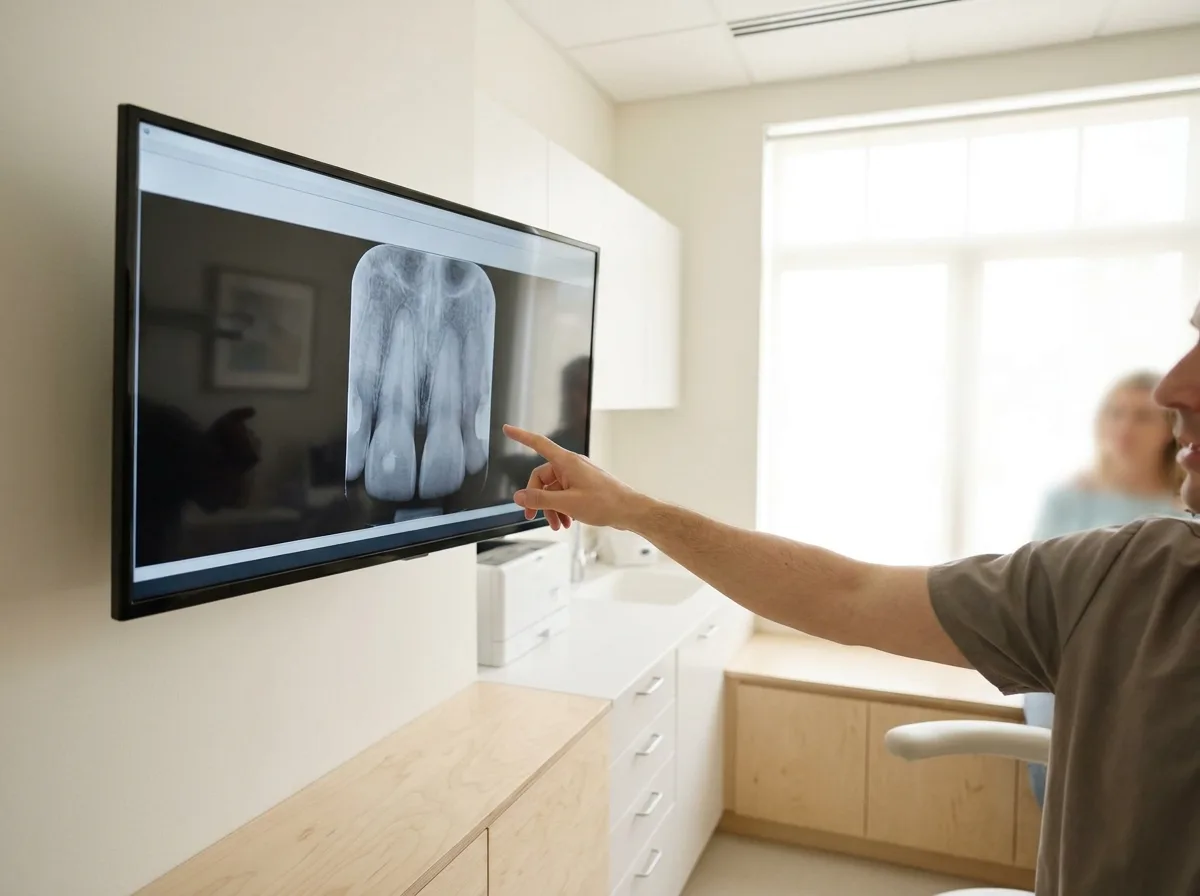
The dentist examines tooth surfaces, existing restorations and any early decay, and reviews previous cavities, diet, hygiene and relevant health history. Imaging is considered when it answers a diagnostic question. A groove coating is not a substitute for understanding whether decay extends beyond the visible surface. The assessment guides whether sealing, fluoride, monitoring or a filling best addresses the finding.
- Ask which teeth and surfaces are proposed for sealants and why those areas are at risk.
- Review fluoride exposure from toothpaste and other sources before adding a professional or prescribed home product.
- Clarify how the finished sealant, bite and future coverage will be checked, especially if the tooth was difficult to isolate.
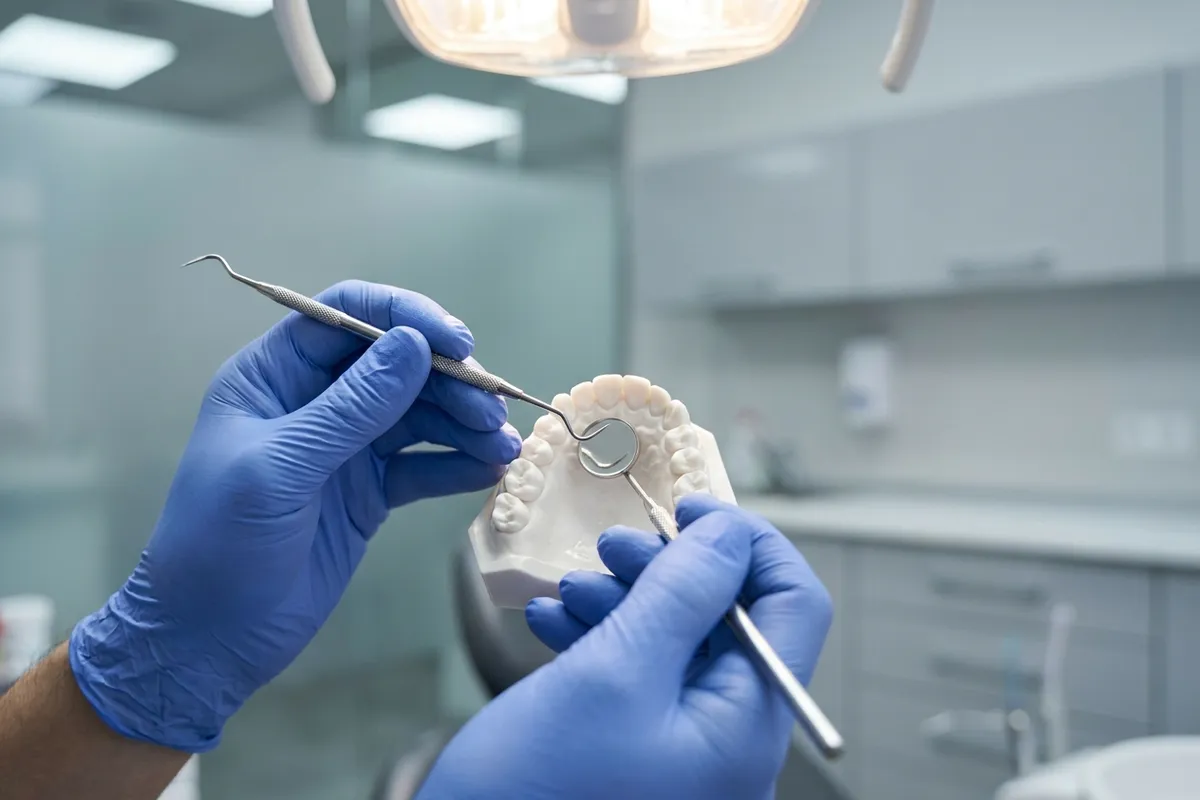
Fluoride, Sealants and Their Alternatives
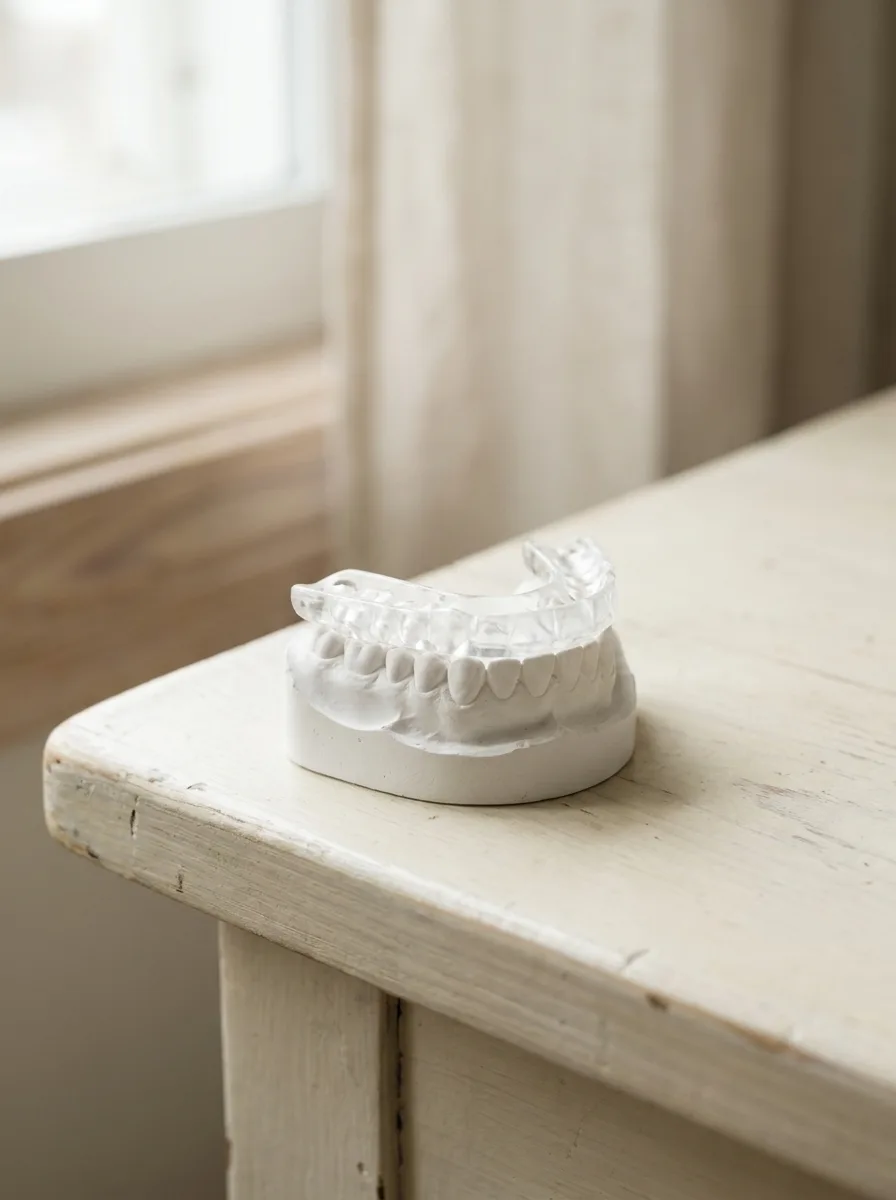
Sealant placement usually involves cleaning, preparing and drying the surface before coating the grooves; the material then sets or is cured as appropriate. Professional fluoride may be applied as varnish or another suitable preparation. Product choice follows the child’s needs. An improved daily routine or monitoring may be sufficient in some situations, while a damaged tooth may need a filling. Compare the purpose of each option, its limitations and any further applications or checks required. Stronger home fluoride products should be used only with age-appropriate professional instructions.
Keeping the Protection Working
Continue supervised brushing with fluoride toothpaste and daily care between teeth as appropriate. A sealant protects selected surfaces rather than the whole mouth, and an office fluoride application complements regular home care. Follow the instructions for the material used, since eating and brushing advice can vary. Keep examinations so protection and cavity risk can be reassessed as the child’s teeth and habits change.
- Follow product-specific eating, drinking and brushing guidance instead of applying a universal waiting rule after treatment.
- Have sealants checked for partial loss or wear and ask whether repair is needed to maintain groove coverage.
- Report a new rough area, uncomfortable bite, persistent sensitivity or pain; a protected tooth can still develop a problem.
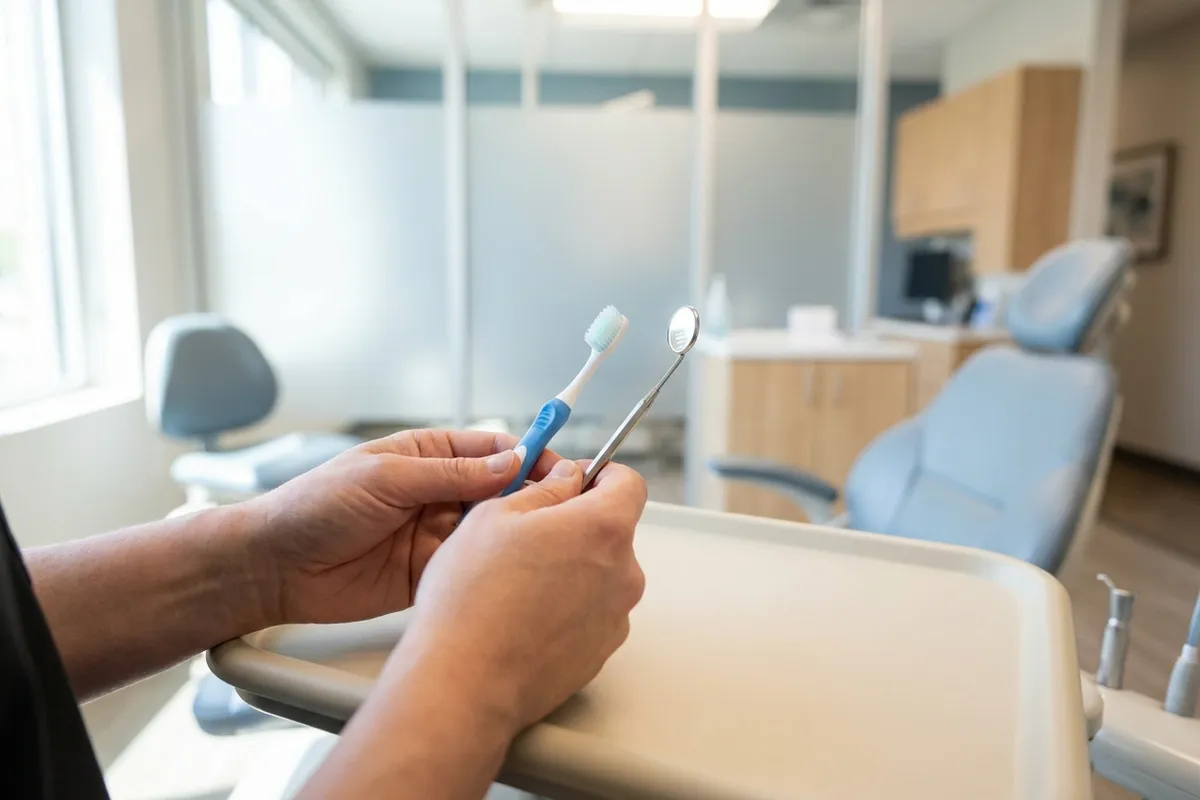
Fluoride and sealant steps
These preventive treatments are selected separately: fluoride supports enamel, while sealants protect suitable chewing-surface grooves.
Check cavity risk and tooth grooves
The dentist reviews cavity history, fluoride exposure and the surfaces of the back teeth. This helps identify which teeth may benefit from a sealant and whether additional professional fluoride is appropriate.
Apply the selected protection
For a sealant, the tooth surface is cleaned, prepared and kept dry before the coating is placed and hardened. Professional fluoride is applied using the chosen product, with instructions specific to that formulation.
Review protection over time
Follow any eating or drinking directions given for the fluoride product and continue daily brushing. Later examinations check sealant retention, signs of decay and whether the child's prevention plan needs to change.
Other Services









Questions About Your Care

Schedule your child's visit
Dr. Steven S. Kim is taking new patients in Riverside. Call (951) 687-7300 to book an appointment.
Why patients choose Riverside West Dental
Dr. Steven S. Kim brings 30 years of experience to Riverside West Dental Group.
Experienced doctor
Dr. Kim provides efficient care for routine checkups and complex cases.
Clear explanations
You hear every finding in plain words before a plan is made.

Consistent care
You see the exact same dentist every time you visit our office.
We're waiting for you in Riverside
6945 Streeter Ave
Riverside, CA 92504
- Monday, Thursday and Friday
- 9:00AM – 6:00PM
- Tuesday, Wednesday and the weekend
- Closed