Clear Aligners in Riverside
Clear aligners are thin, custom-made trays worn over the teeth. Each set moves the teeth a little further, and you change to the next set every week or two.
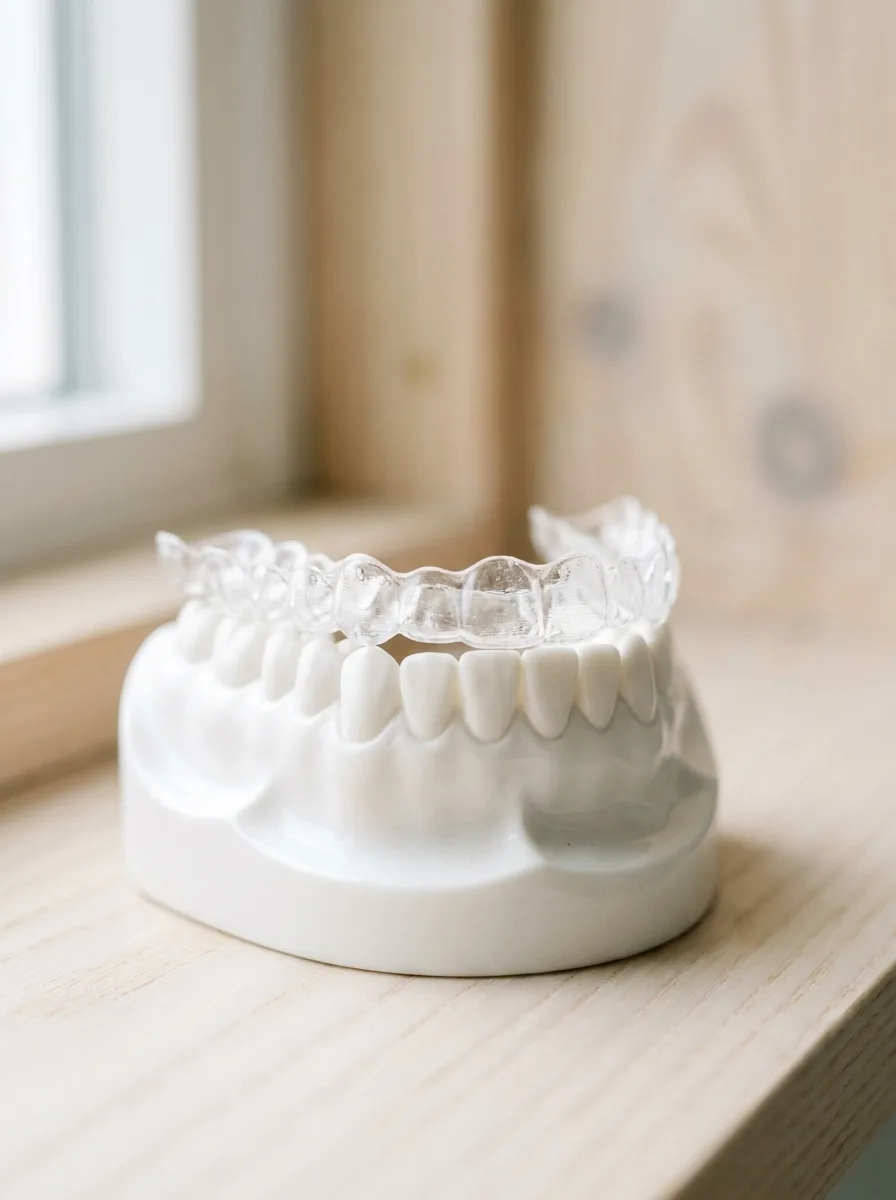
How a Series of Aligners Moves Teeth
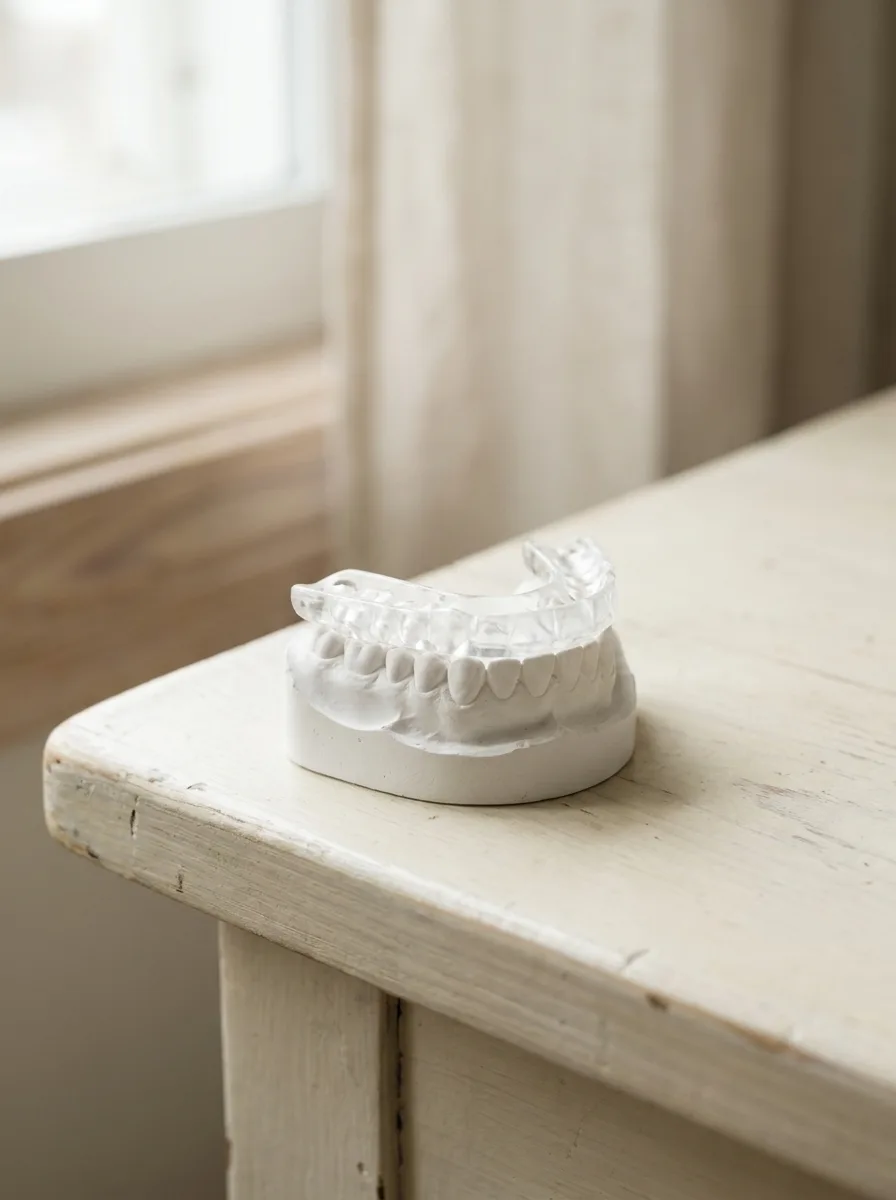
Clear aligners are removable trays that move teeth through a planned sequence. Each set produces selected changes, with monitoring throughout treatment. They may suit some crowding, spacing, and bite concerns, but not every movement is appropriate for aligners. Suitability starts with an examination and a discussion of your goals.
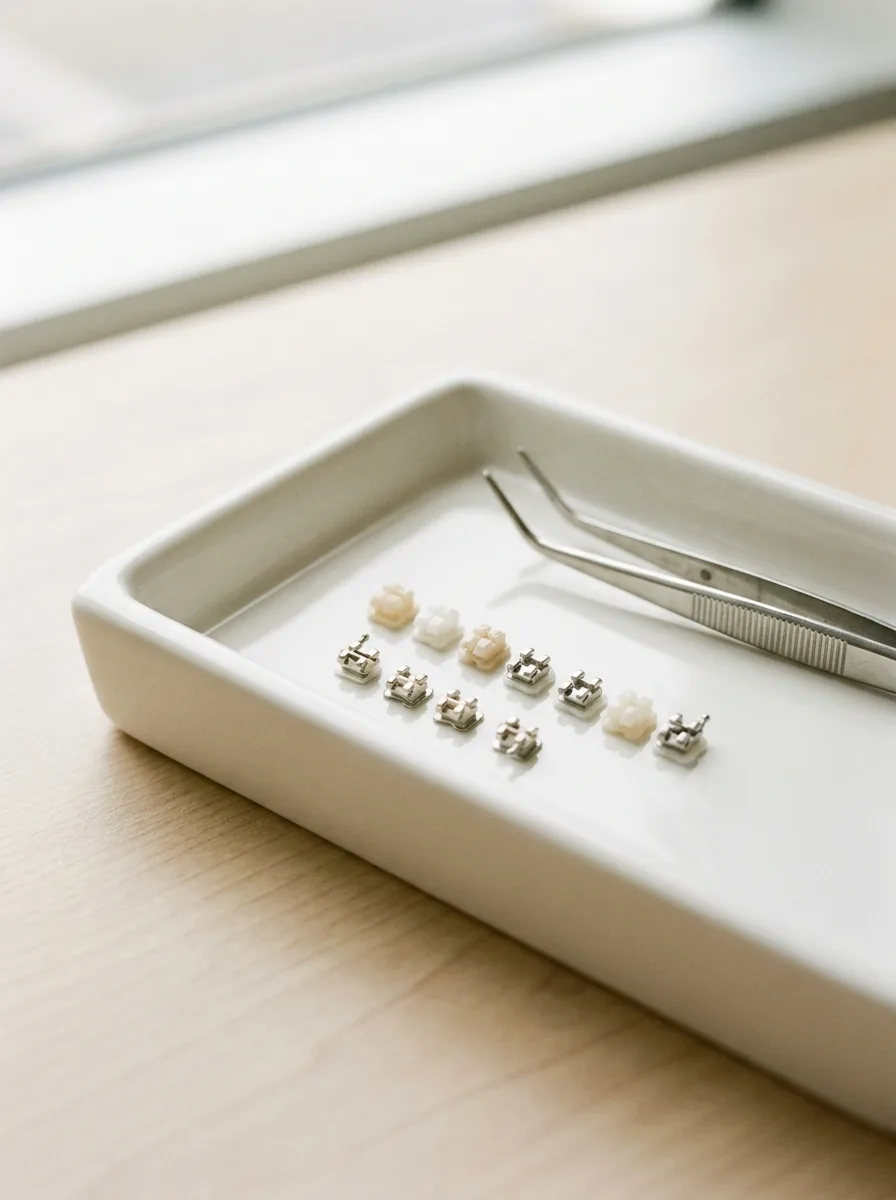
An aligner fits over the tooth surfaces and transfers pressure to selected areas. Small bonded attachments may give a tray additional contact for a planned movement. Because the trays are removable, that pressure is interrupted whenever they are out. The appliance's fit and your actual wear both matter; ordering the next tray alone does not establish that the teeth are ready for it.
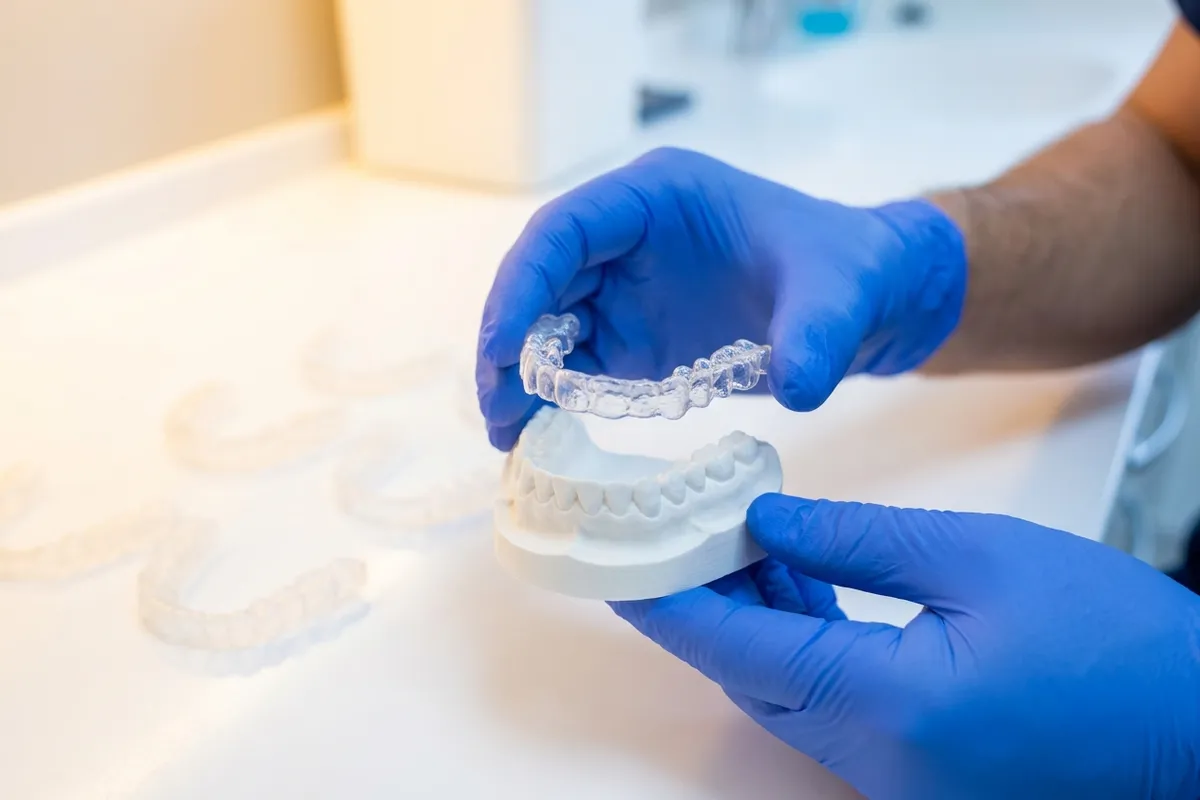
When Removable Trays May Be Considered
Patients often value a less noticeable appliance and the ability to remove trays for meals and hygiene. The approach can also fit selected restorative plans that need tooth movement first. These advantages depend on consistent wear; an aligner plan should address your bite and health rather than appearance alone.
An arrangement of front teeth can look straighter while the upper and lower teeth still meet poorly. The purpose of a supervised plan is to consider both. For a gap near a tooth needing restoration, movement may also change the space available for that repair. Clarify whether the goal is alignment, bite improvement, restorative preparation, or a combination before judging the value of treatment.
- Removable trays can offer a discreet approach for selected crowding, spacing, or bite concerns when the planned movements are suitable.
- Removing trays for meals and cleaning can be convenient, but the benefit depends on putting them back and meeting the prescribed wear schedule.
- Some movements need attachments or additional techniques, while others may be more appropriate for fixed appliances or specialist care.
Bite Complexity and Consistent Wear
Healthy gums and teeth and the ability to follow wear instructions are important. Tell your dentist about previous orthodontics, jaw symptoms, and existing restorations. Attachments or other techniques may be needed, and some cases are better treated with fixed appliances or specialist care. Different brands do not make every case interchangeable.
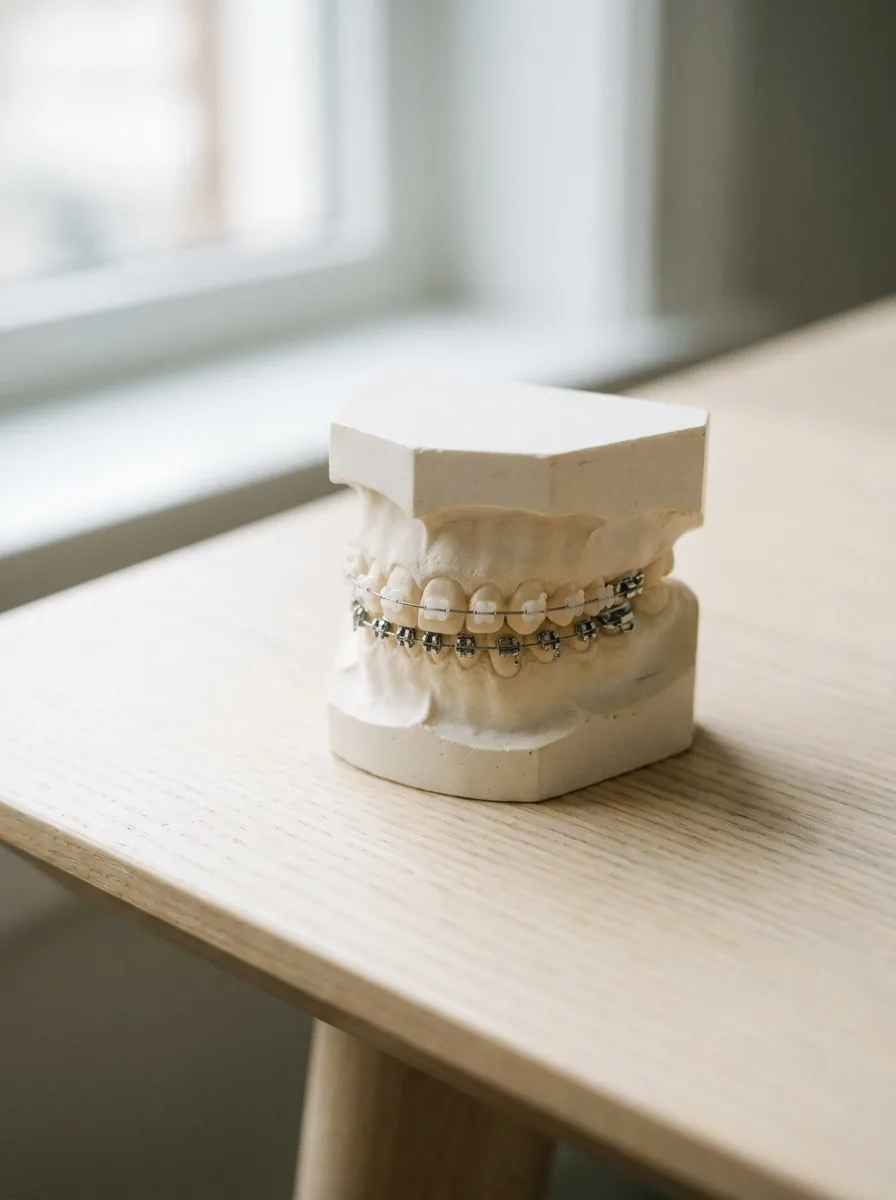
Consider daily tray wear around meals, drinks, and cleaning. Long periods out of the mouth can make removable treatment difficult even when the tooth movements are suitable. Discuss that limit before starting. Fixed appliances offer a different way to deliver the planned forces, although they have their own cleaning commitments.
- Tell your dentist about gum disease, previous orthodontics, missing teeth, and restorations so the plan accounts for the support available for movement.
- Discuss your routine honestly: frequent snacking, travel, or difficulty wearing trays consistently may affect whether removable treatment is practical.
- Ask which system is proposed and why it fits your case; instructions and treatment capabilities should not be assumed identical across brands.
Records, Tray Changes and Review Visits
The prescribed wear schedule and change intervals depend on the system and your plan. Treatment time varies with the movements and how teeth respond. Allow for possible refinements and review visits. Removing trays frequently or changing them without instructions can interfere with progress, and retainers are usually needed after movement ends.
Assessing Movement and Tracking Progress
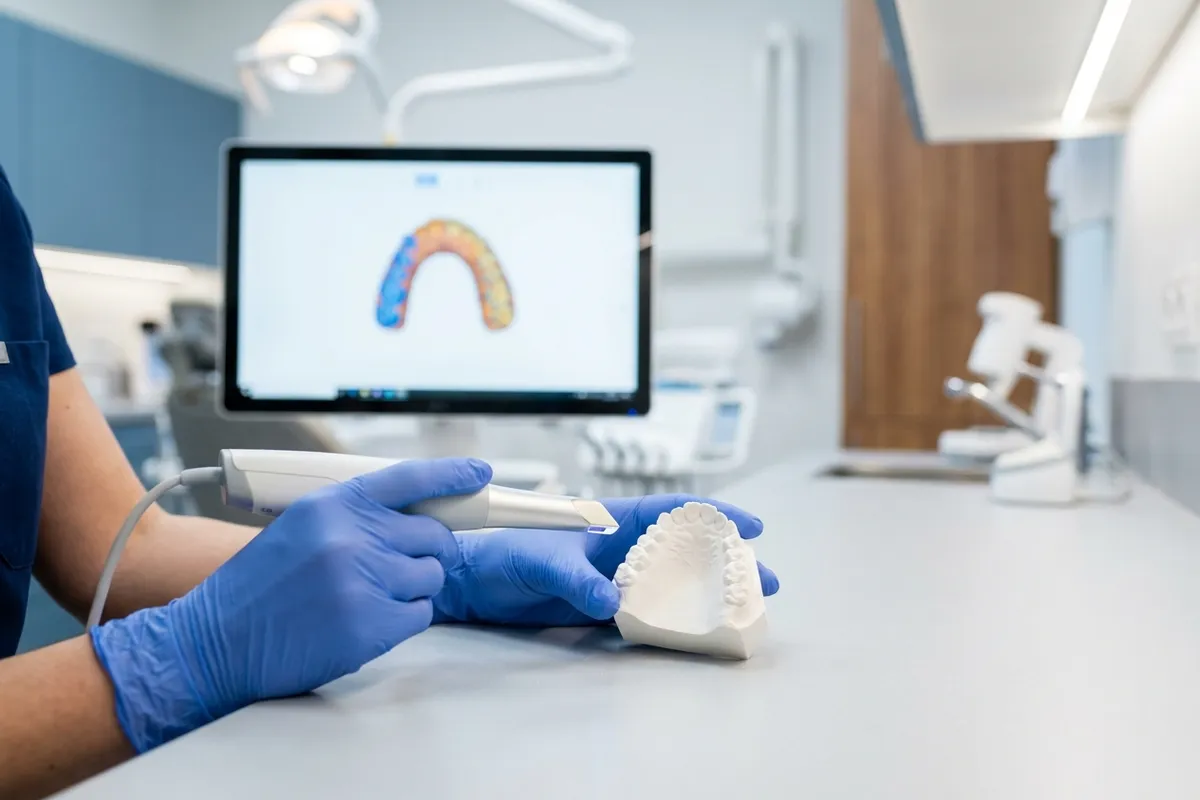
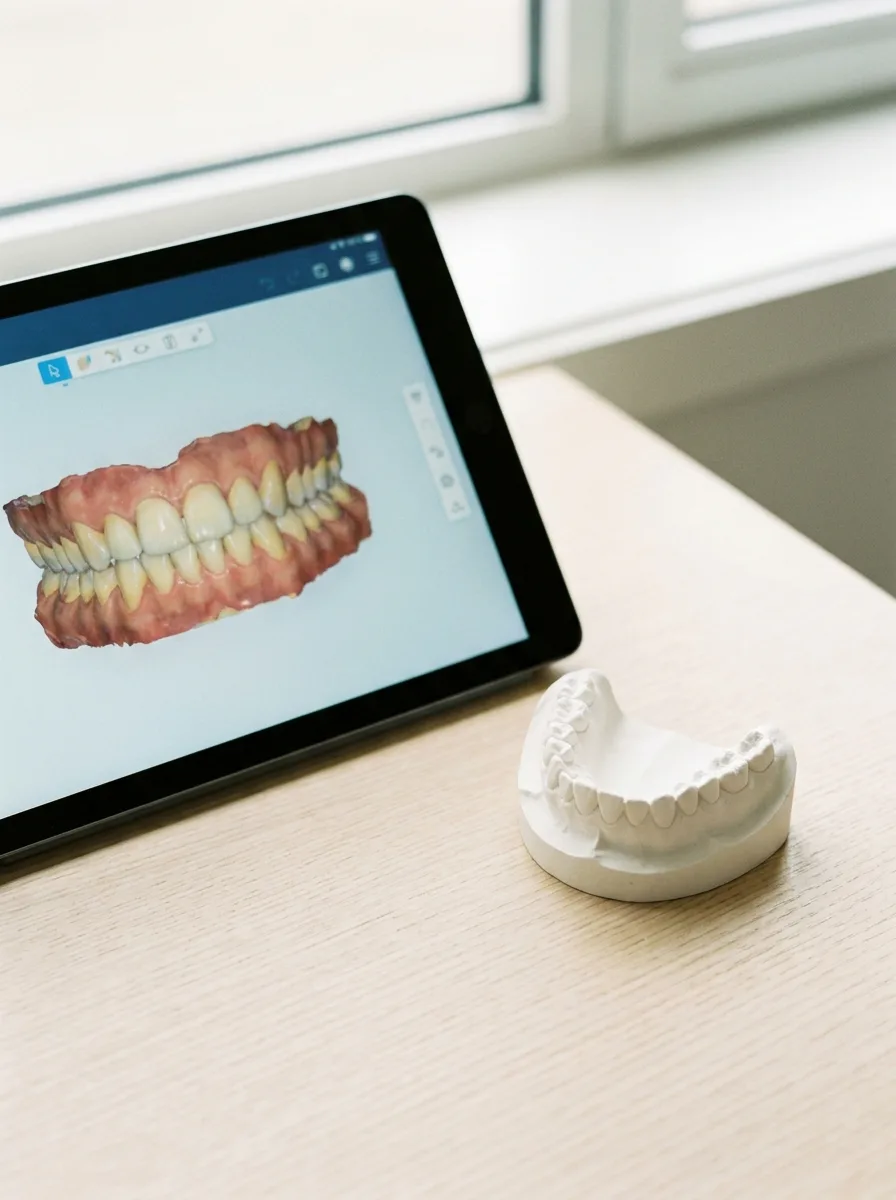
The dental team assess teeth, gums, and the bite and collect photographs, scans or models, and appropriate images. The proposed sequence helps explain what movement is planned and its limits. The dental team compare suitable systems and other options and discuss whether additional dental care or specialist input is needed first.
- Scans or models and other records support planning, while examination confirms gum health, bite relationships, and the feasibility of proposed movement.
- Clarify whether attachments, limited space-making between teeth, or other steps are included and what their purpose is in your plan.
- Review visits check whether teeth track with the trays; additional aligners or plan changes may be needed rather than forcing a poorly fitting set.
Aligners, Braces and Treatment Adjustments
You wear a series of trays and change them as directed. Tooth-colored attachments or other steps may help achieve certain movements. Reviews check fit, oral hygiene, and progress; additional trays may be needed. Remove the aligners for meals and follow the product-specific cleaning instructions given by the treating team.
A tray that no longer seats closely may signal that the teeth and the planned stage do not match. The clinician may review wear, attachments, and the movement achieved before deciding how to proceed. Sometimes the plan needs additional trays or a different technique. Explain where the fit has changed and keep the affected tray available rather than advancing through the sequence on your own.
Cleaning Trays and Planning Retention
Temporary pressure may occur with a new tray. Report significant pain, rubbing that does not settle, or poor fit rather than forcing wear or changing the schedule yourself. At the end of active treatment, retainers help preserve tooth position. Continue hygiene and follow-up because teeth can move again over time.
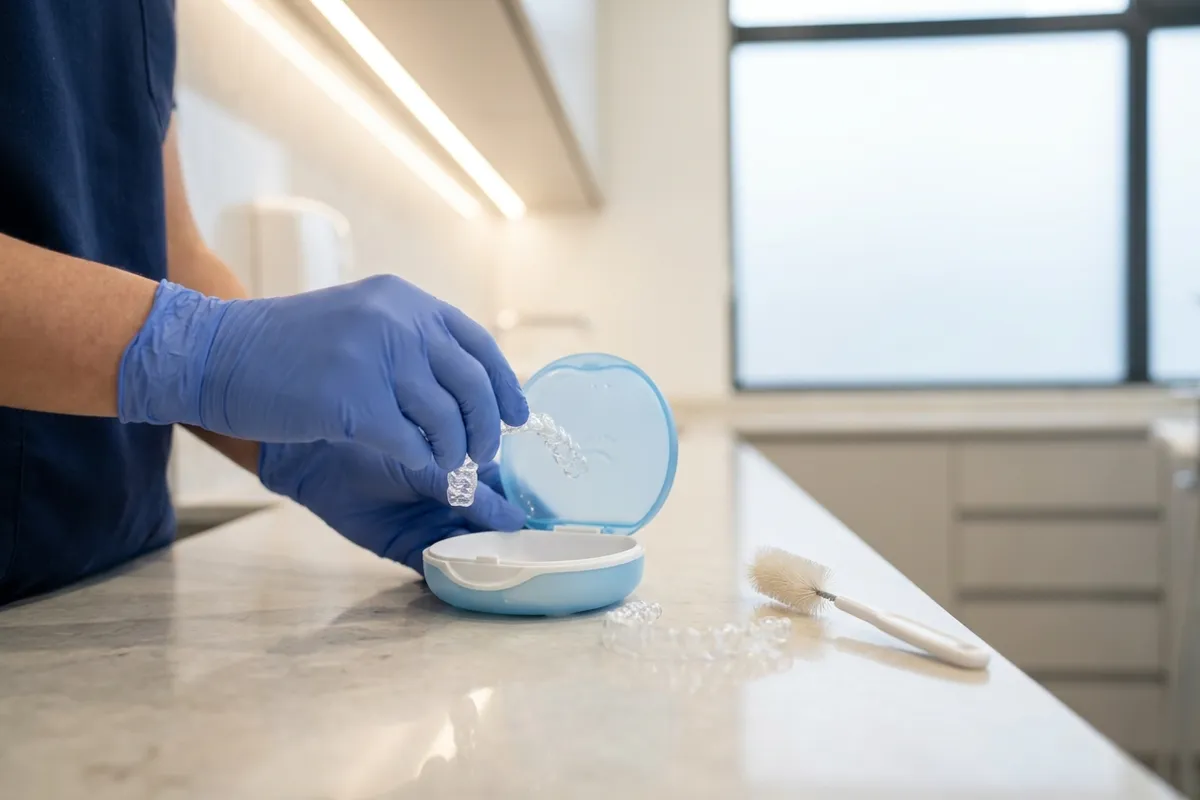
Remove trays for meals and clean your teeth before replacing them as instructed. Drinks other than water can leave sugar or pigments trapped around the teeth. Clean trays with a suitable method, protect them from heat and store them safely when removed. Report a lost or damaged tray promptly. Retention after active treatment needs a separate wear and maintenance plan.
- Remove trays for meals and follow instructions for drinks, brushing, and appliance cleaning before replacing them.
- Contact the team about a lost tray, damaged attachment, persistent rubbing, or poor fit before changing the sequence independently.
- Plan for retainers after active alignment; finishing the last movement tray does not eliminate the need for ongoing retention.
Clear aligner treatment steps
Aligner care combines planned tray changes with clinical monitoring, followed by retainers to help maintain the new positions.
Plan suitable tooth movements
The assessment and tooth records establish whether aligners can address your crowding, spacing or bite concerns. Discuss alternatives and any proposed attachments or additional preparation, along with the wear commitment needed for the plan.
Wear trays and check their fit
Use each set for the time and daily wear directed by the treating clinician. Progress visits check tooth movement and tray seating; a poorly fitting aligner or movement that falls behind the plan needs review before advancing.
Refine the result and retain it
Further aligners may be recommended if movements need refinement. Once active treatment is finished, follow the retainer plan and maintenance reviews, because stopping tray treatment does not prevent teeth from shifting later.
Other Services





Questions About Your Care

Request your appointment today
Riverside West Dental Group is accepting new patients. We greet you by your first name and treat you like family.
Why patients choose Riverside West Dental
Dr. Steven S. Kim brings 30 years of experience to Riverside West Dental Group.
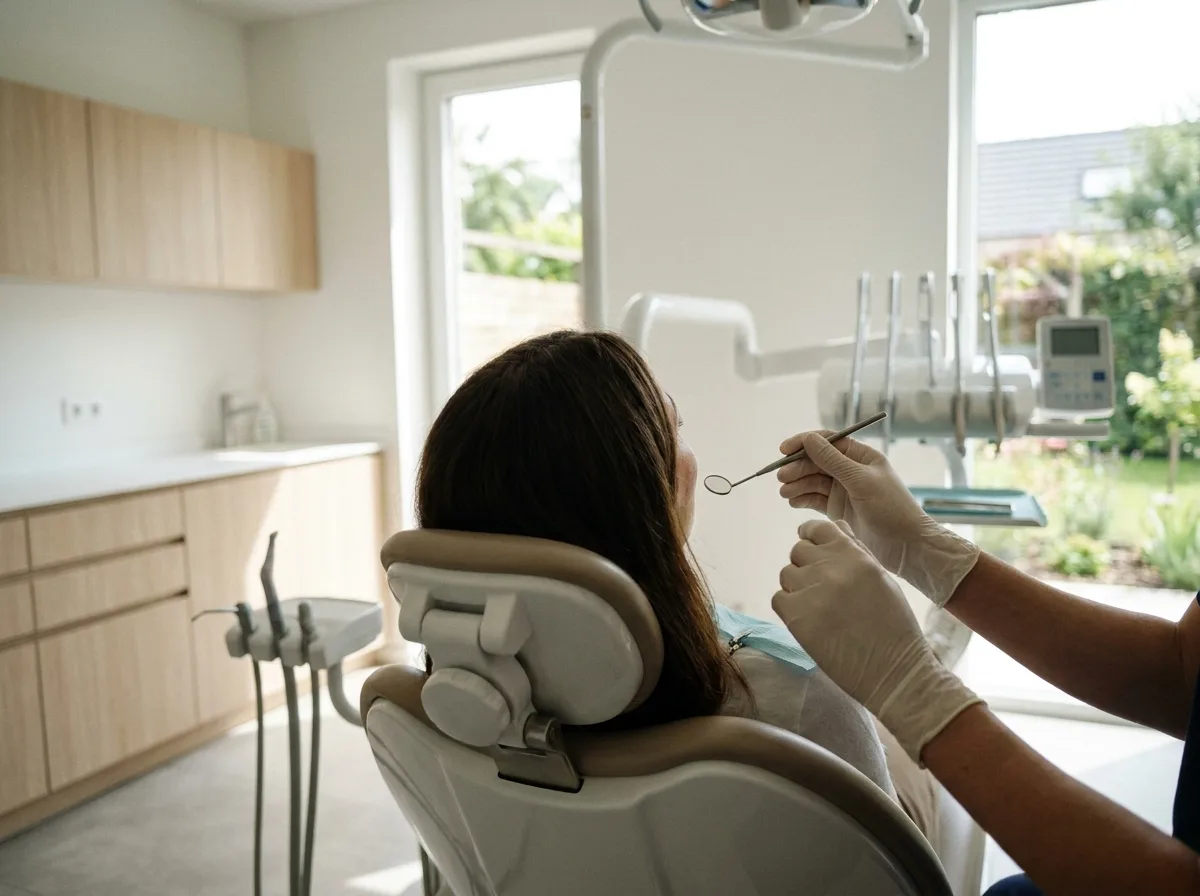
Experienced doctor
Dr. Kim provides efficient care for routine checkups and complex cases.
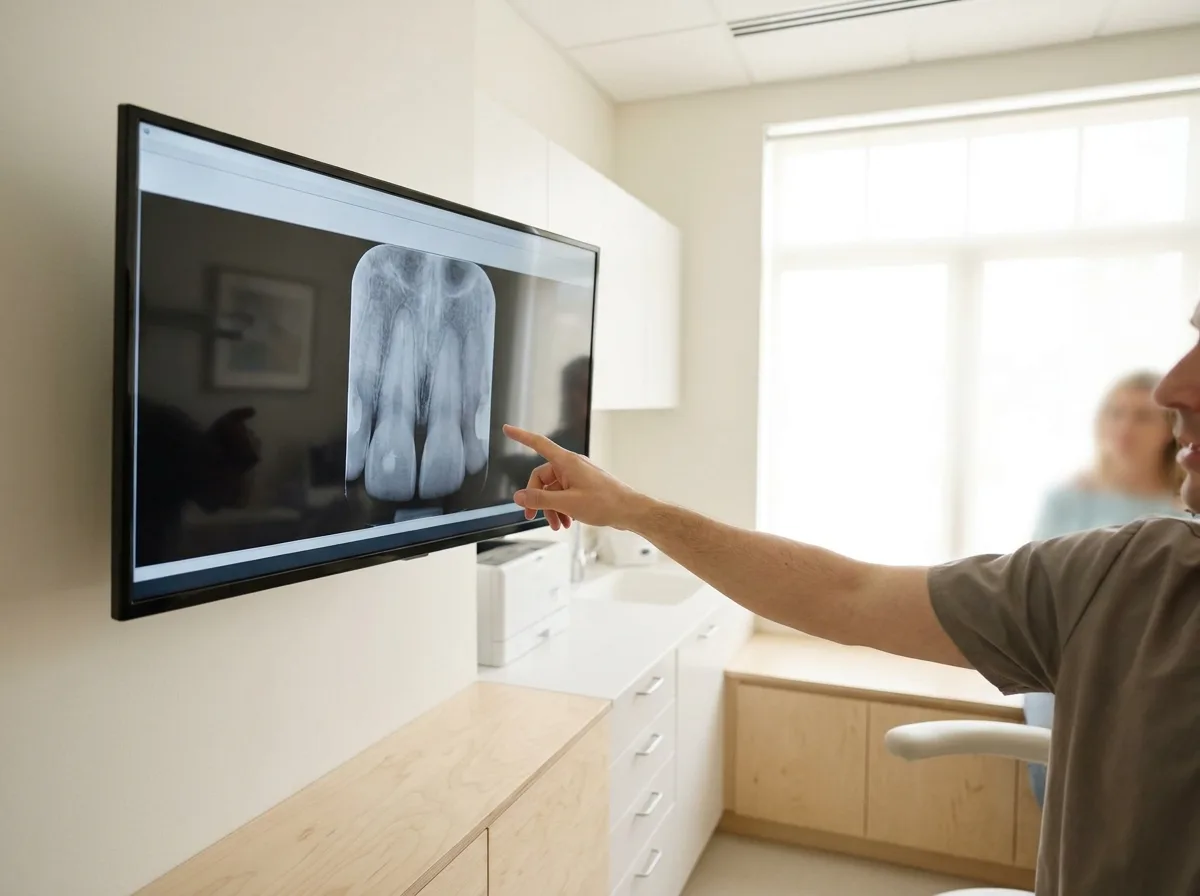
Clear explanations
You hear every finding in plain words before a plan is made.

Consistent care
You see the exact same dentist every time you visit our office.
We're waiting for you in Riverside
6945 Streeter Ave
Riverside, CA 92504
- Monday, Thursday and Friday
- 9:00AM – 6:00PM
- Tuesday, Wednesday and the weekend
- Closed