Amalgam Filling Replacement in Riverside
Silver amalgam fillings can wear, crack or leak after many years. When one needs replacing, a tooth-coloured filling restores the tooth and looks natural.
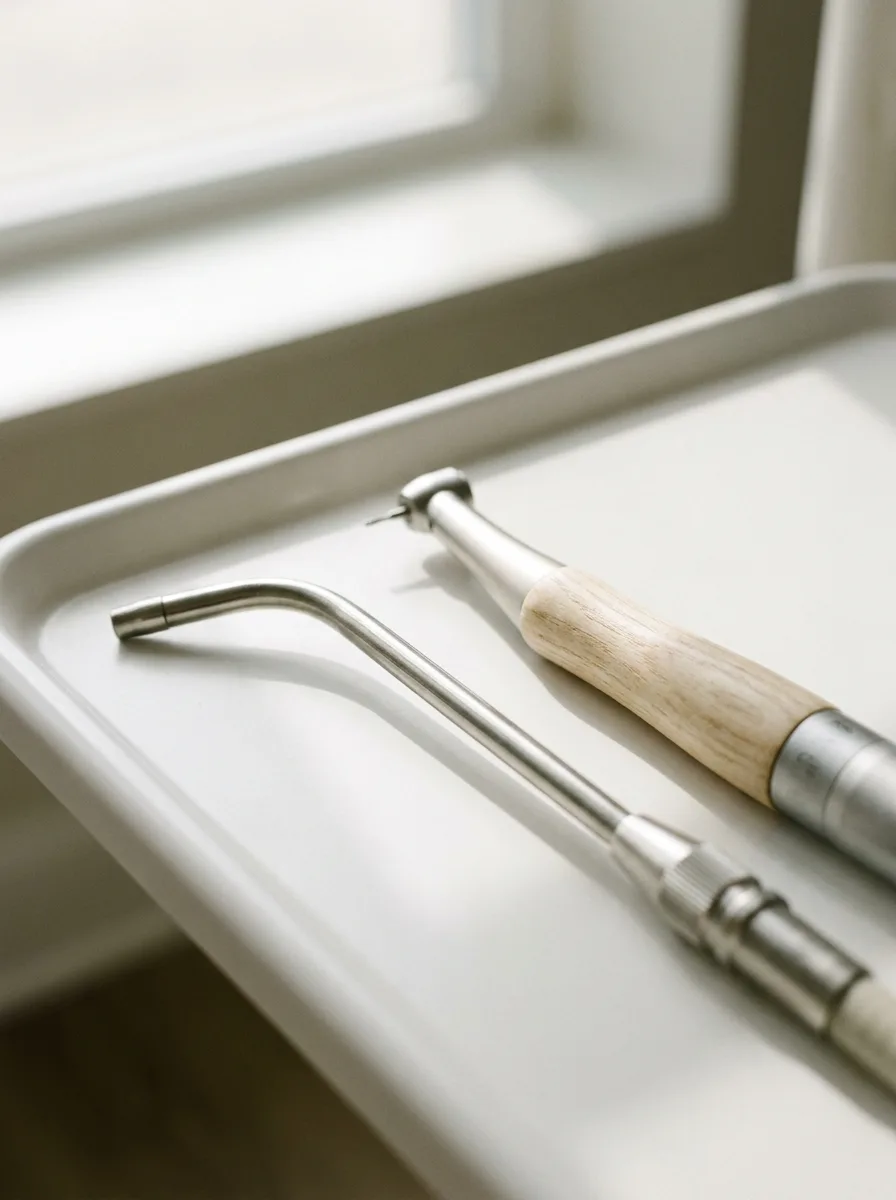
When an Amalgam Filling Needs Replacement
Replacing an amalgam filling is considered when the restoration is damaged, decay is present, or another clinical reason supports replacement. An intact filling generally does not need removal solely because it contains amalgam. Removing sound restorations can sacrifice healthy tooth structure, so the decision starts with an examination.
Amalgam is the existing filling material, not the tooth itself. Replacing it involves removing the restoration, checking the exposed cavity, and rebuilding that part of the tooth. This differs from placing a first filling in a small cavity: the old repair may already occupy substantial space. The replacement design must account for that starting point rather than simply exchange one color for another.
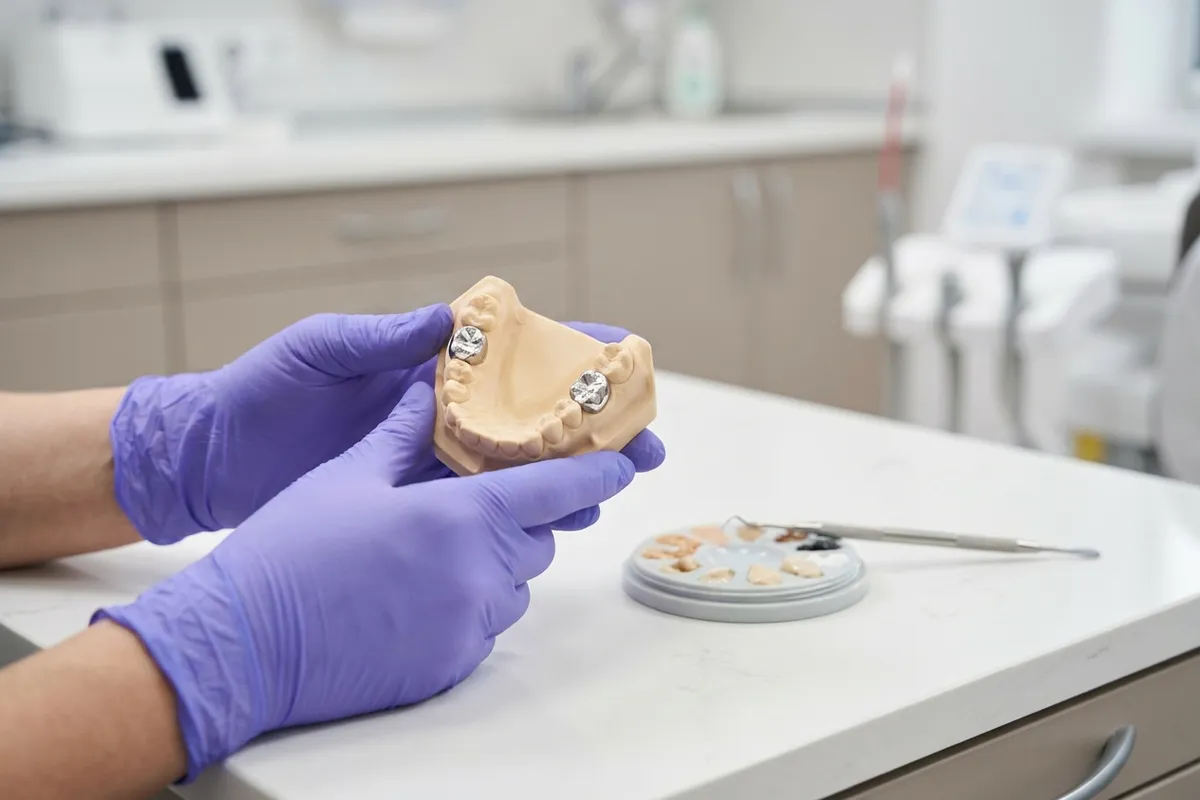
Damage, Decay and Reasons to Reassess
A fractured filling, decay around its edges, or damage to the surrounding tooth may call for repair or replacement. The amount of remaining structure matters as much as the old material. Cosmetic preferences can be discussed, but they should be weighed against preparation, cost, and the possibility of additional treatment.
A chipped edge, cracked cusp and underlying decay may need different solutions. Sometimes a local repair is possible; other findings justify full replacement or protective coverage. Ask to understand which defect has been identified. The goal is to manage the affected tooth while retaining useful structure, rather than replace all metal fillings as a routine preventive measure.
- Replacement may be appropriate when an amalgam filling is fractured, has decay around it, or no longer functions properly.
- An intact filling without underlying decay is not automatically safer to remove; removal can sacrifice healthy tooth structure and temporarily increase mercury exposure.
- Changing a visible metal filling is an elective preference in some cases and should be weighed against preparation and future maintenance.
Symptoms and Material Considerations
Tell your dentist about a rough edge, food catching, sensitivity, pain on biting, or part of a filling coming loose. These symptoms can have several causes. Let your dentist know about relevant medical conditions or material sensitivities. A dark-looking margin alone does not establish that an otherwise intact filling needs removal.
Material allergies and relevant health conditions should be reviewed without assuming that every concern means existing fillings must come out. The FDA distinguishes choosing a material for a new filling from removing a sound old one. Share pregnancy or nursing status and kidney or neurological conditions. Your dentist can discuss these factors alongside the actual condition of the restoration and any need for medical advice.
- Describe a broken edge, new sensitivity, food trapping, or bite change so the assessment focuses on the filling's actual condition.
- Discuss pregnancy, nursing, kidney or neurological conditions, and known material allergies when comparing restorative materials and whether replacement is indicated.
- Ask how much tooth structure remains and whether a direct filling or a more protective restoration is suitable after removal.
Replacement Now or Continued Monitoring?
The dentist assesses whether treatment is needed now or the restoration can be reviewed at future visits. The FDA does not recommend removing sound amalgam fillings without decay or another clinical need. If replacement is advised, the dental team explain the reason and the likely extent of work before you proceed.
Checking the Filling and Remaining Tooth
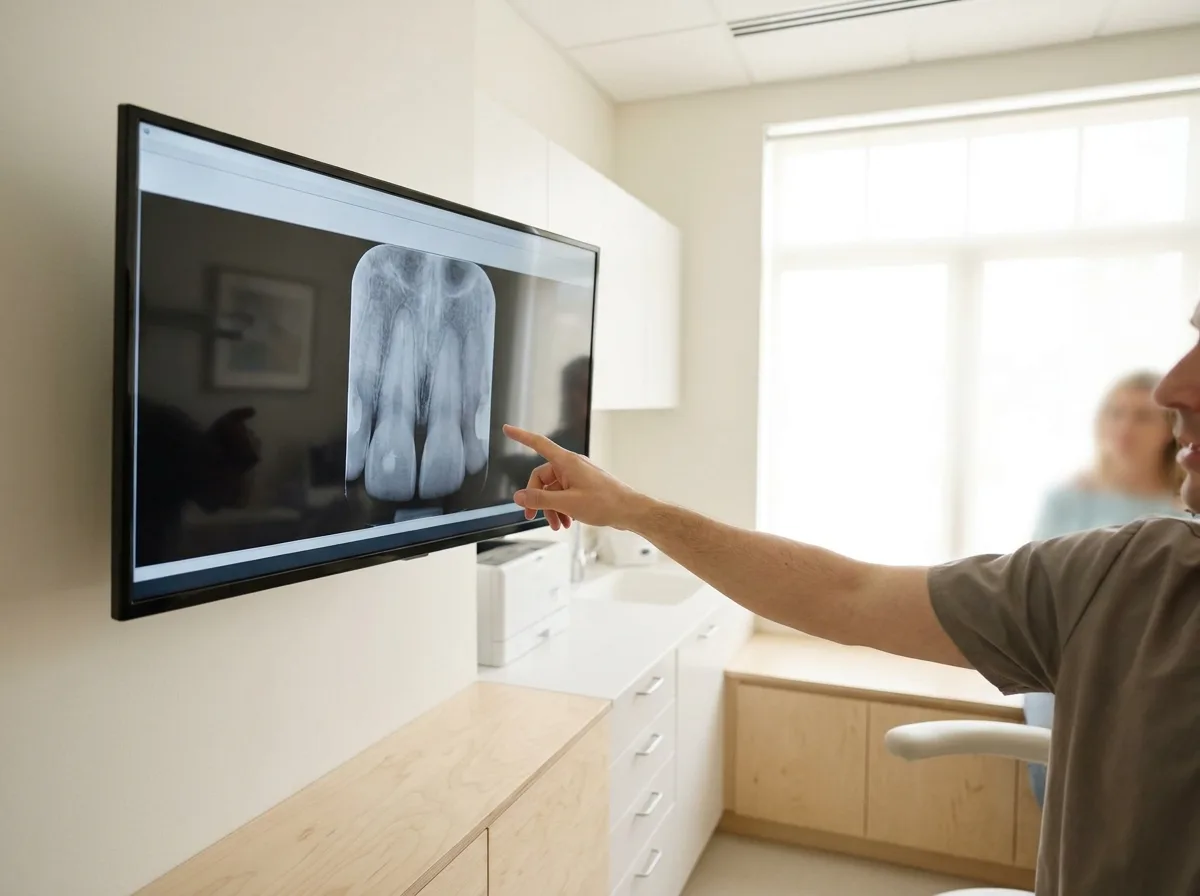
The dental team examine the filling, tooth structure, bite, and surrounding tissues and review images when needed. The assessment looks for decay, cracks, and involvement of the nerve. These findings guide whether repair, a new filling, partial coverage, a crown, or another approach would best preserve a useful tooth.
- The dentist checks the existing restoration, surrounding tooth, bite, and selected images for decay or structural concerns before recommending replacement.
- Cooling, suction, and appropriate isolation are considered during removal, but no technique should be presented as eliminating all exposure or risk.
- Material choice follows tooth location, cavity size, remaining structure, and personal considerations rather than a promise of detoxification or improved general health.
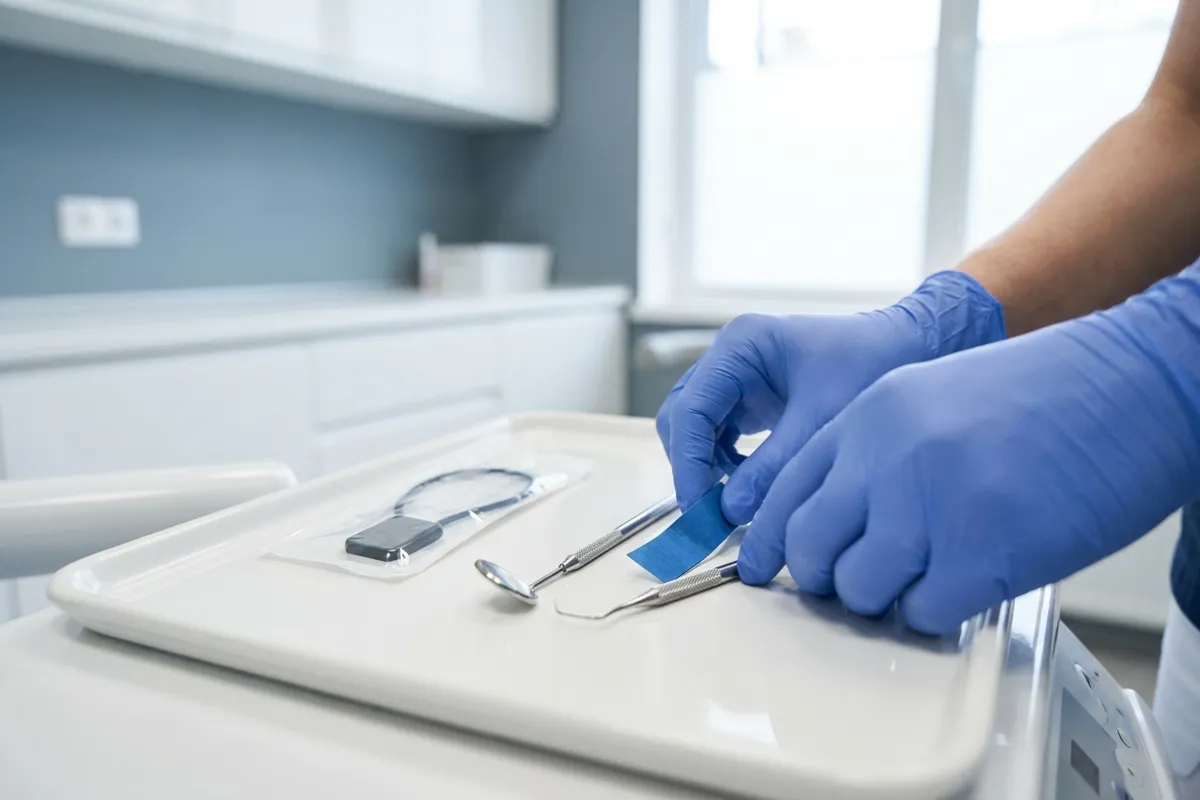
Repair Options and Material Tradeoffs
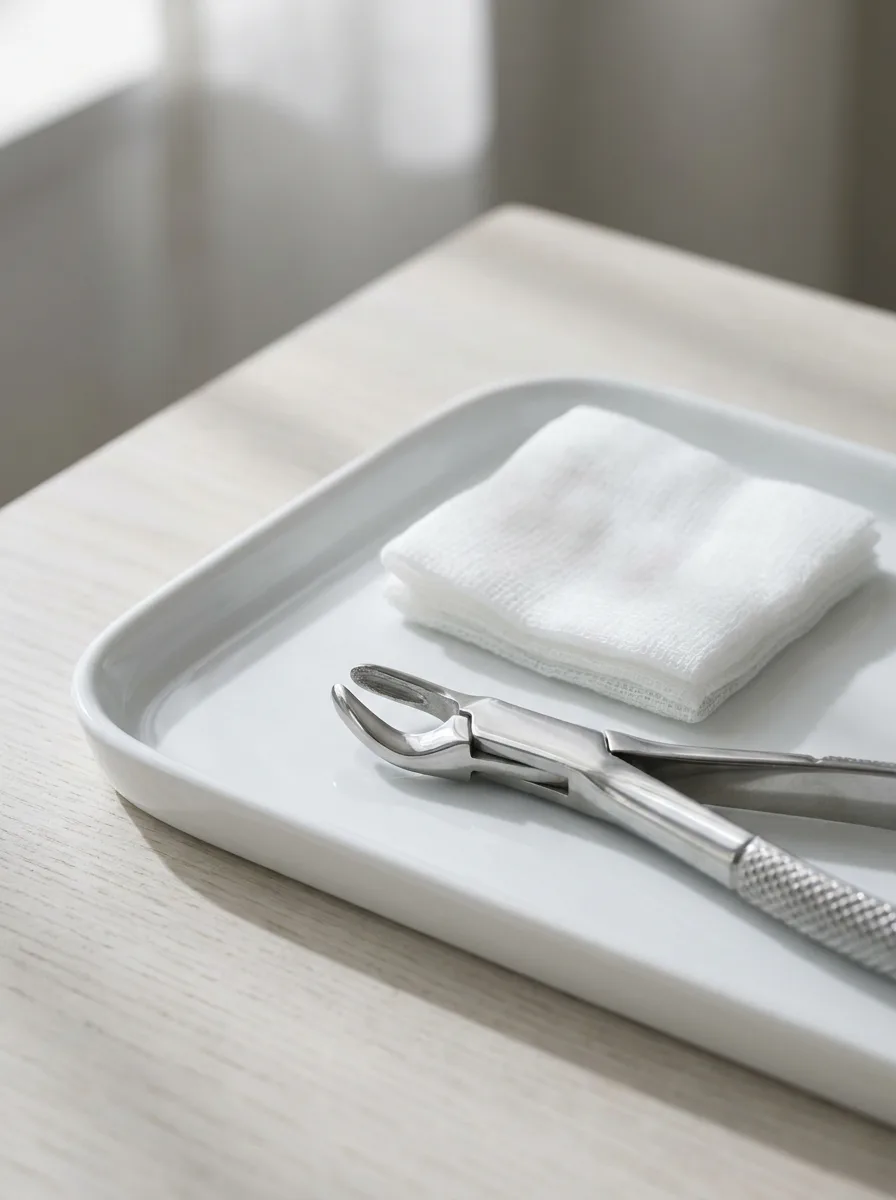
When appropriate, the old restoration and damaged material are removed with suitable dental equipment, and the tooth is restored. Composite resin is one possible replacement material, while larger defects may need a different design. The dental team discuss isolation, comfort, and the final restoration rather than promise that changing material improves general health.
Composite resin may suit some replacement cavities, while a larger defect may need an onlay or crown. Choice depends on the remaining tooth and the ability to create a sound repair, not simply a preference for a lighter colour. Monitoring an intact filling is also an option. Compare the preparation, likely stages and future maintenance before deciding to remove a functioning restoration.
Caring for the Replacement Restoration
Temporary sensitivity can follow replacement. Contact the treating clinician about a bite that feels high, worsening pain, or a loose restoration. Continue daily cleaning and examinations because decay can develop around new fillings too. Future repair or replacement may be needed, and longevity depends on the tooth, restoration, and your habits.
Care also depends on what replaced the amalgam. A direct composite repair and a temporary covering awaiting an onlay or crown have different limits during eating. Confirm which stage is complete before using that side normally. Record the replacement date and tooth so future clinicians can assess changes in this repair alongside remaining older fillings.
- Follow the aftercare for the replacement material and wait for numbness to resolve before chewing normally on the treated tooth.
- Report persistent sensitivity, a high bite, or a fractured edge so the repair can be reviewed and adjusted if needed.
- Continue prevention and examination of the replacement margins; changing the material does not eliminate future decay or restoration wear.
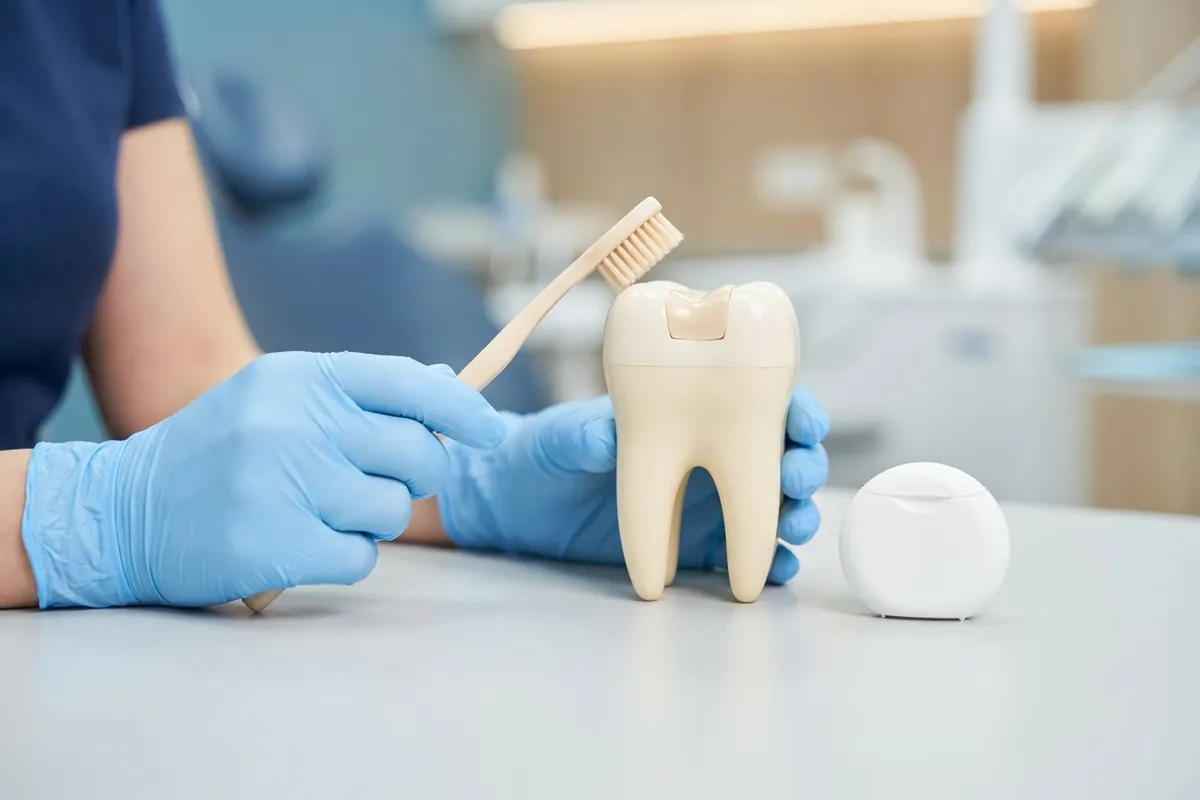
Amalgam replacement steps
Replacement is considered for a clinical reason; a sound amalgam filling does not automatically need to be removed.
Check whether replacement is needed
The dentist examines the filling and surrounding tooth for decay, cracks or other concerns. Discuss retaining a sound restoration versus replacement, including loss of tooth structure and the temporary increase in mercury exposure during removal.
Remove and rebuild when indicated
If replacement is agreed, the old filling is removed with appropriate clinical precautions and the remaining tooth is assessed. The repair may use a filling or another restoration, depending on the size and strength of the tooth.
Check the replacement in function
The new restoration's shape, contacts and bite are checked. Follow its specific care instructions and report persistent sensitivity or pain; replacement is a dental repair, with no promised detoxification or wider health benefit.
Other Services






Questions About Your Care

Request your appointment today
Riverside West Dental Group is accepting new patients. We greet you by your first name and treat you like family.
Why patients choose Riverside West Dental
Dr. Steven S. Kim brings 30 years of experience to Riverside West Dental Group.
Experienced doctor
Dr. Kim provides efficient care for routine checkups and complex cases.
Clear explanations
You hear every finding in plain words before a plan is made.

Consistent care
You see the exact same dentist every time you visit our office.
We're waiting for you in Riverside
6945 Streeter Ave
Riverside, CA 92504
- Monday, Thursday and Friday
- 9:00AM – 6:00PM
- Tuesday, Wednesday and the weekend
- Closed