Crowns in Riverside
When a tooth is badly broken down or failing, Dr. Steven S. Kim places custom crowns to repair it. With 30 years of experience, he handles complex cases right here in Riverside. He explains every finding in plain words before planning any work, so you know exactly what to expect.
What a Dental Crown Covers
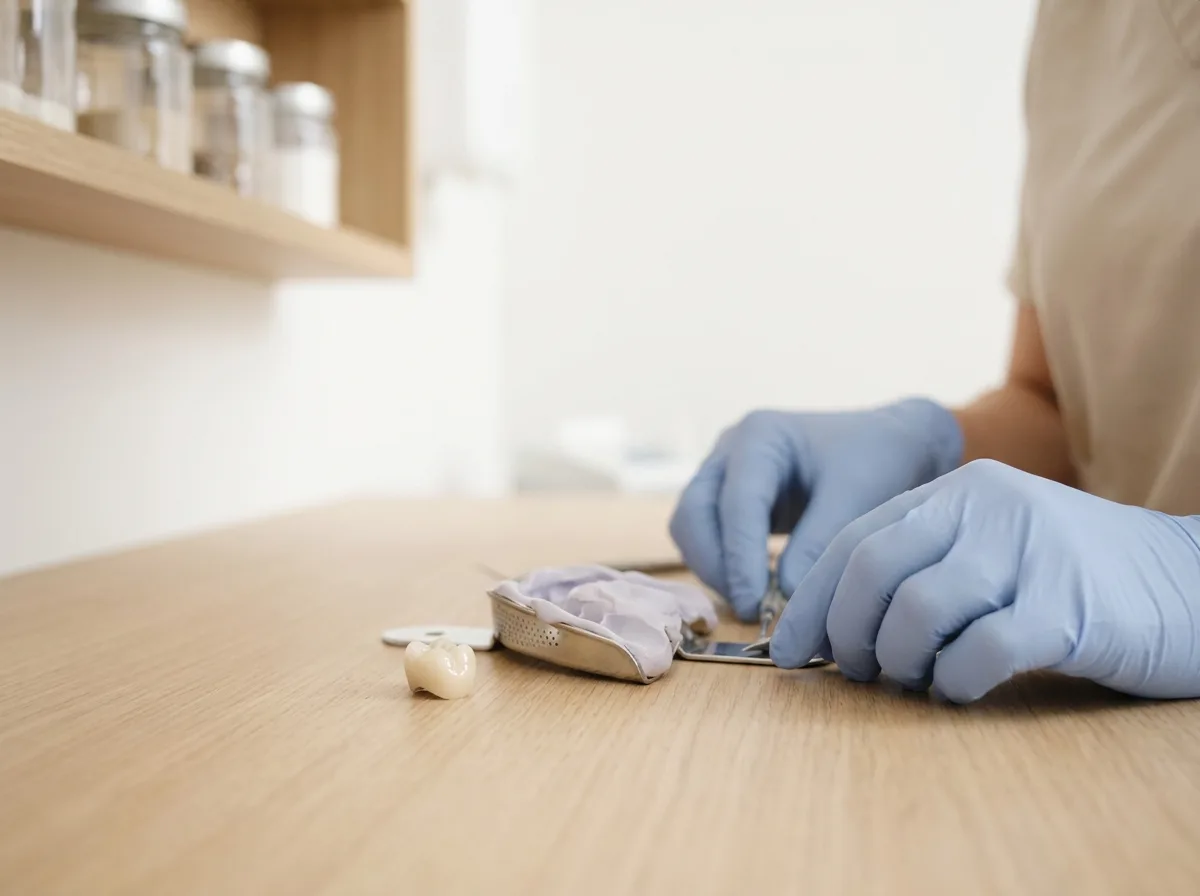
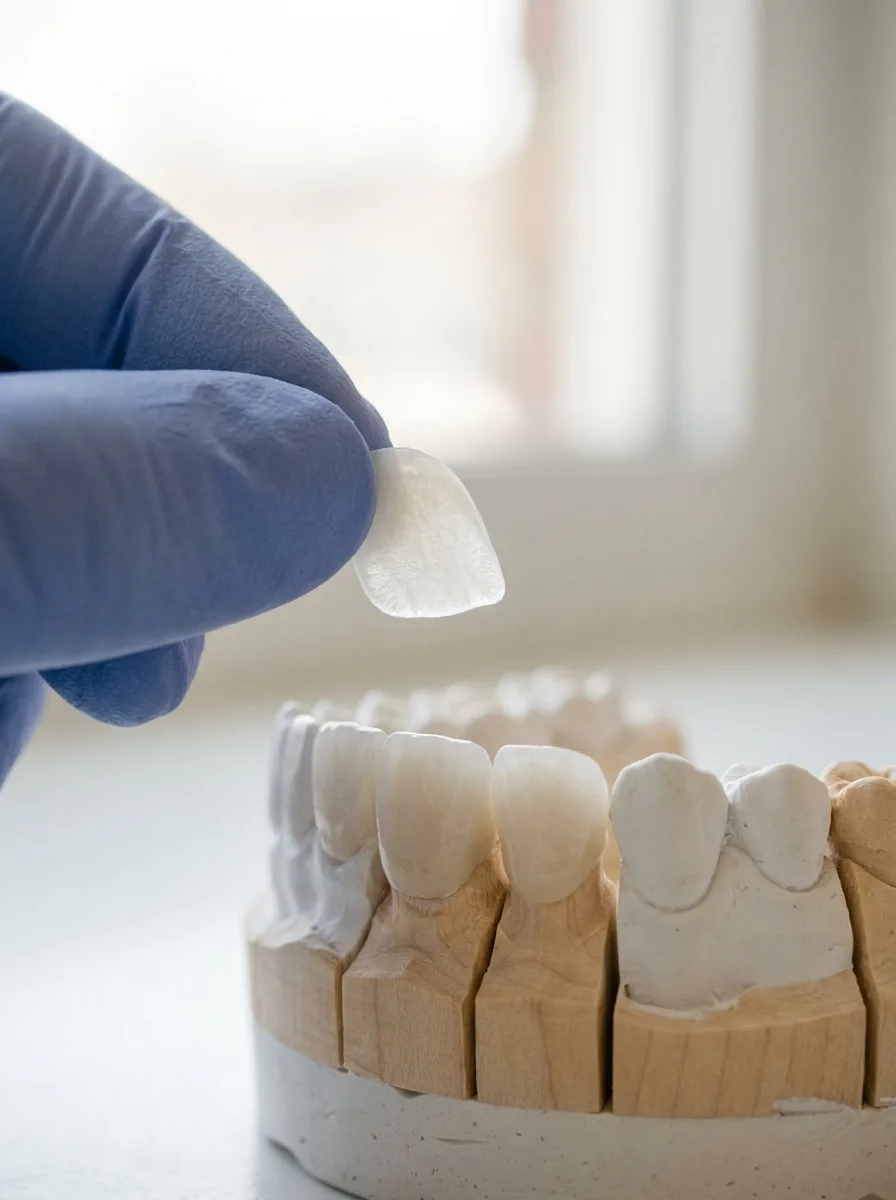
A dental crown covers a prepared tooth to restore its shape and protect suitable remaining structure. It may be considered when a smaller restoration would not provide enough support. A crown can also form the replacement tooth above an implant, but that has a different foundation from a natural tooth. Coverage does not remove decay risk at the margin or treat every problem inside the tooth.
The crown’s design must work with the tooth beneath it, the gumline and the bite. Appearance is one consideration alongside strength, cleaning access and the amount of preparation required. Not every damaged or discoloured tooth needs full coverage, so the decision begins with assessment. Coverage cannot make an otherwise unrestorable root suitable for repair.
When Coverage May Protect a Tooth
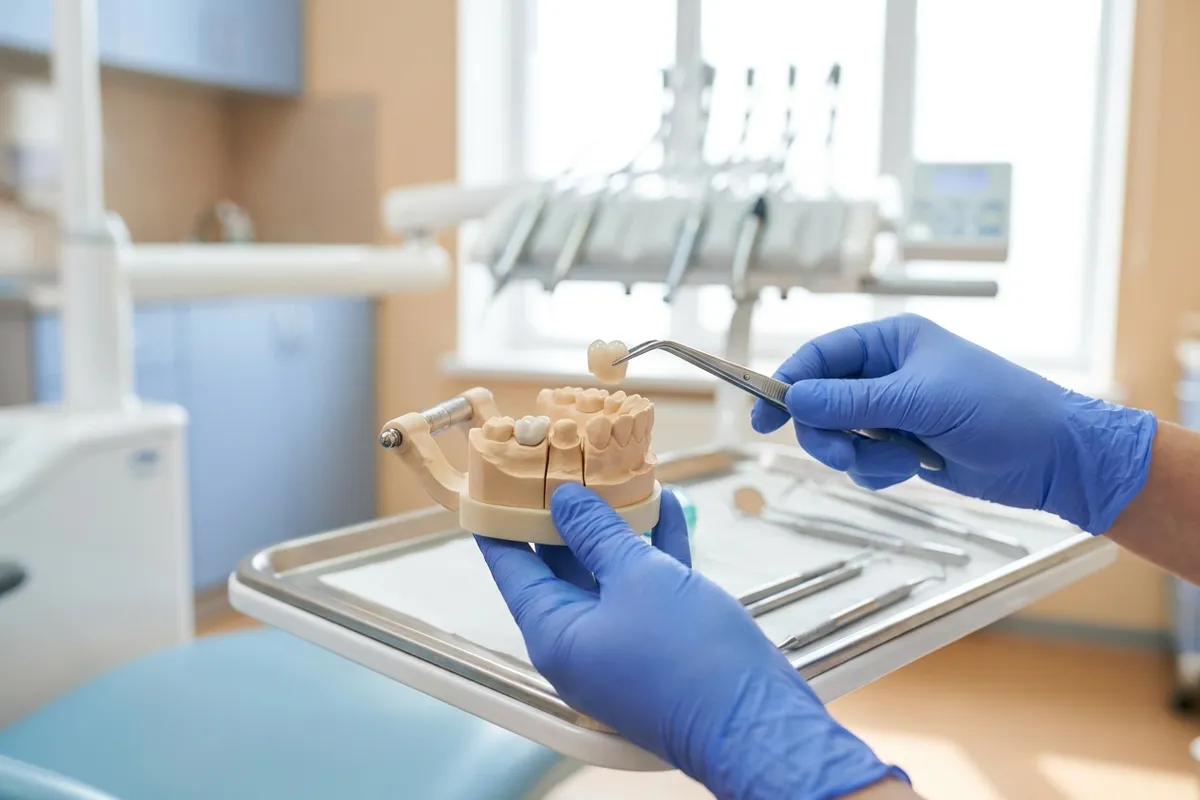
A tooth with a large filling, a broken cusp or substantial wear may need protective coverage when sufficient healthy support remains. Some root-treated teeth also need a crown or another protective restoration. The choice depends on how much structure is left and the forces on the tooth. Ask what a crown adds compared with repairing the affected area more conservatively.
- Discuss repeated filling fractures or a broken supporting cusp, since a larger filling may not provide the same protection as suitable coverage.
- Ask how the amount and position of remaining tooth structure affect whether a crown can be maintained.
- If the tooth has had root canal treatment, clarify which final restoration is recommended rather than assuming every treated tooth needs the same design.
Symptoms and Crown Suitability
Pain on chewing, a cracked edge, sensitivity or a damaged old crown warrants examination. These findings do not automatically mean a new crown is the solution. A deep fracture, pulp disease or poor periodontal support may require another approach first. Grinding and difficulty cleaning near the gumline also affect planning. The dentist should explain the prognosis of the supporting tooth as well as the intended restoration.
- Describe whether biting pain occurs on pressure or release, and report lingering temperature sensitivity or swelling.
- Mention large existing fillings, prior root canal treatment and any history of a crown coming loose.
- Discuss grinding, visible-tooth preferences and cleaning limitations so the material and margin design fit daily use.
Preparing for a Temporary and Final Crown
Active decay, gum inflammation or a pulp problem may need attention before the crown is prepared. Custom treatment can include tooth preparation, an impression or scan, a temporary crown and a later fitting. The actual sequence depends on the tooth and fabrication arrangements; same-day completion should not be assumed. Ask how to protect the temporary, when to return and whom to contact if it loosens. Allow time to assess fit and comfort before planning around a particular event or travel date.
Checking the Tooth Beneath the Crown
Assessment checks remaining structure, any crack, the pulp or previous root treatment, gum health and the bite. Selected imaging helps answer questions about roots, decay or supporting tissues. The dentist explains whether the tooth can support a useful restoration and what alternatives remain. If a complex root or structural problem is suspected, specialist assessment may help before irreversible preparation.
- Ask which findings support full coverage and whether partial coverage or a direct repair is suitable.
- Clarify how the preparation, impression or scan and temporary protection will be arranged for your tooth.
- At fitting, confirm that contacts, margins, shade and the bite are checked rather than assessing appearance alone.
Coverage Choices and Their Tradeoffs
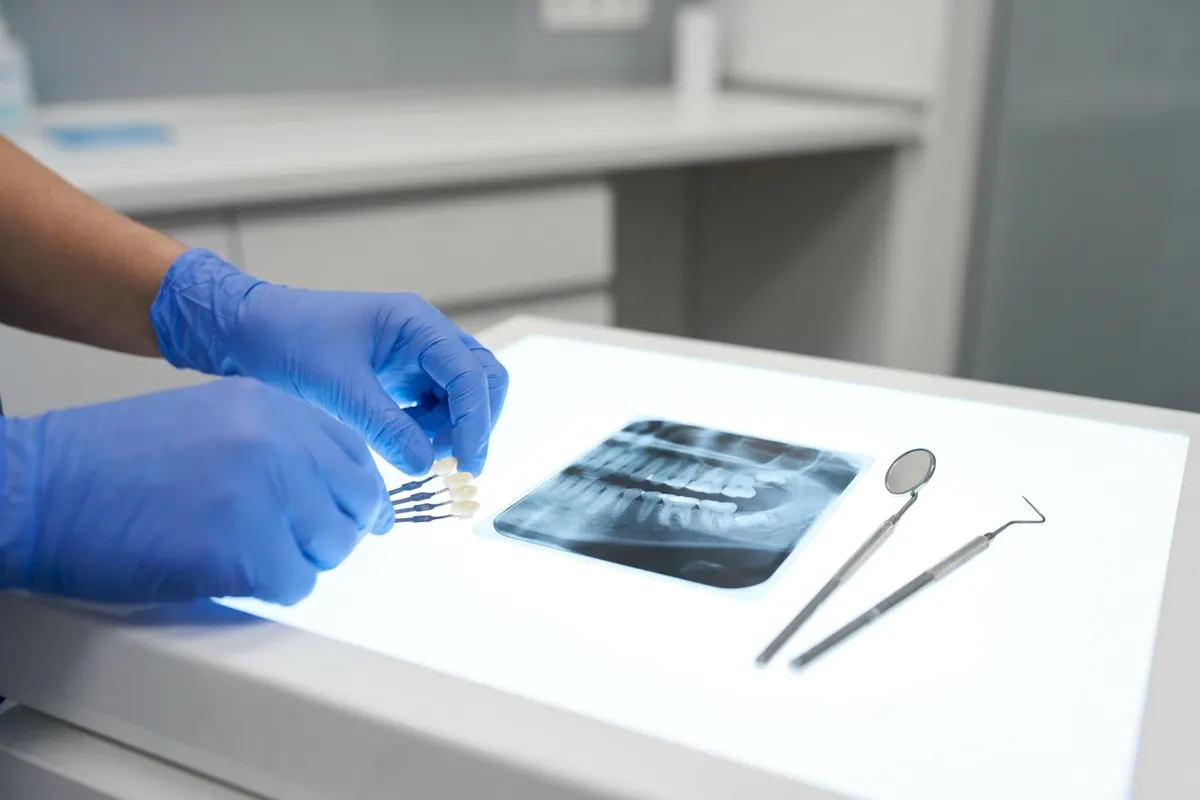
A filling, inlay or onlay may preserve more tooth in selected cases; a crown covers more extensively when that protection is justified. Material choices differ in appearance, thickness requirements and suitability for the tooth’s location. A tooth that cannot be predictably restored may need a separate discussion about extraction and replacement. Before choosing, compare the amount of preparation, expected stages, risks and maintenance. The final crown is checked and secured using a method appropriate to its design, and any persistent bite discomfort should be reviewed.
Caring for the Crown and Its Margins
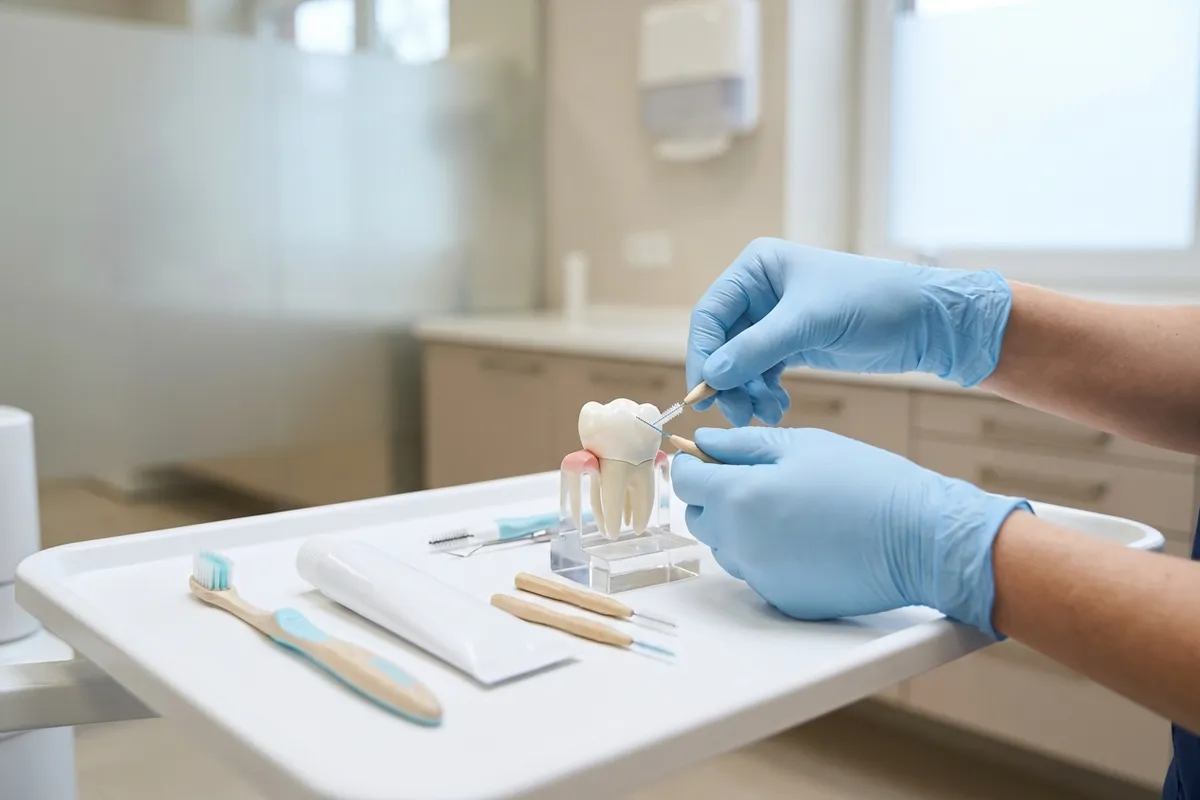
Follow instructions for temporary protection and avoid normal chewing while the area remains numb. Once restored, clean the gumline and crown margins with fluoride toothpaste and suitable interdental tools. The underlying tooth can still develop decay, and the crown can wear, chip or loosen. Regular review assesses both the restoration and its support; a comfortable tooth does not eliminate the need for prevention.
- Contact the office if a temporary crown comes off, and avoid using household adhesives on an exposed prepared tooth.
- Report a bite that feels high, persistent sensitivity, food trapping or a rough edge after fitting.
- Arrange assessment if the final crown moves or breaks; avoid repeatedly testing a loose restoration or continuing to chew heavily on it.
Your crown treatment process
Crown treatment moves from checking the tooth's support to preparing it and fitting a restoration that covers it.
Check the tooth's foundation
The dentist evaluates decay, cracks, gum health and remaining tooth structure before recommending coverage. Any necessary treatment of the tooth or supporting tissues is addressed as part of the crown plan.
Prepare and record the tooth
The tooth is shaped to make room for the crown, and records are taken for its fit and bite. A temporary crown may protect the prepared tooth while the final restoration is being made.
Fit and secure the crown
The final crown is checked for seating, contacts and bite before it is secured. You receive cleaning guidance for the crown margin and advice on reporting looseness, ongoing discomfort or a bite that feels uneven.
Other Services








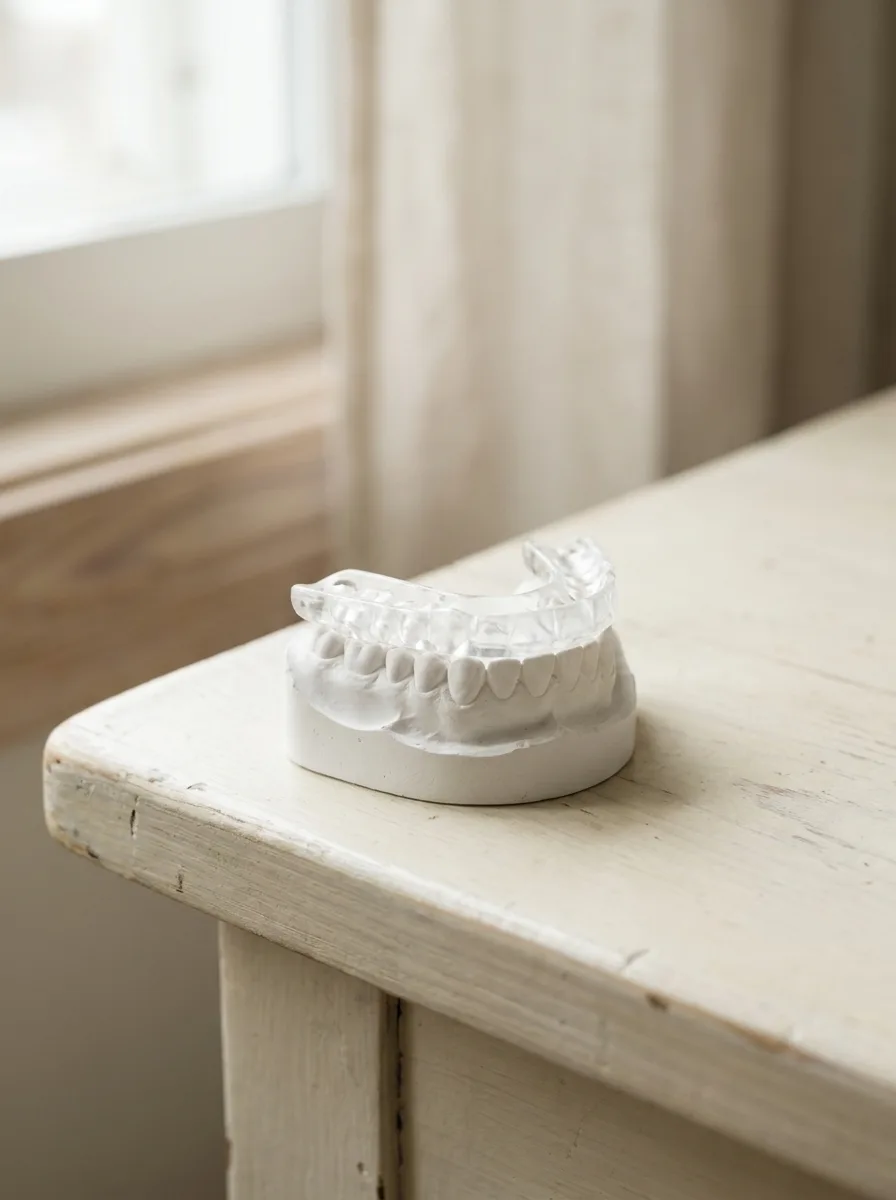
Questions About Your Care

Request your appointment today
Riverside West Dental Group is accepting new patients. We greet you by your first name and treat you like family.
Why patients choose Riverside West Dental
Dr. Steven S. Kim brings 30 years of experience to Riverside West Dental Group.
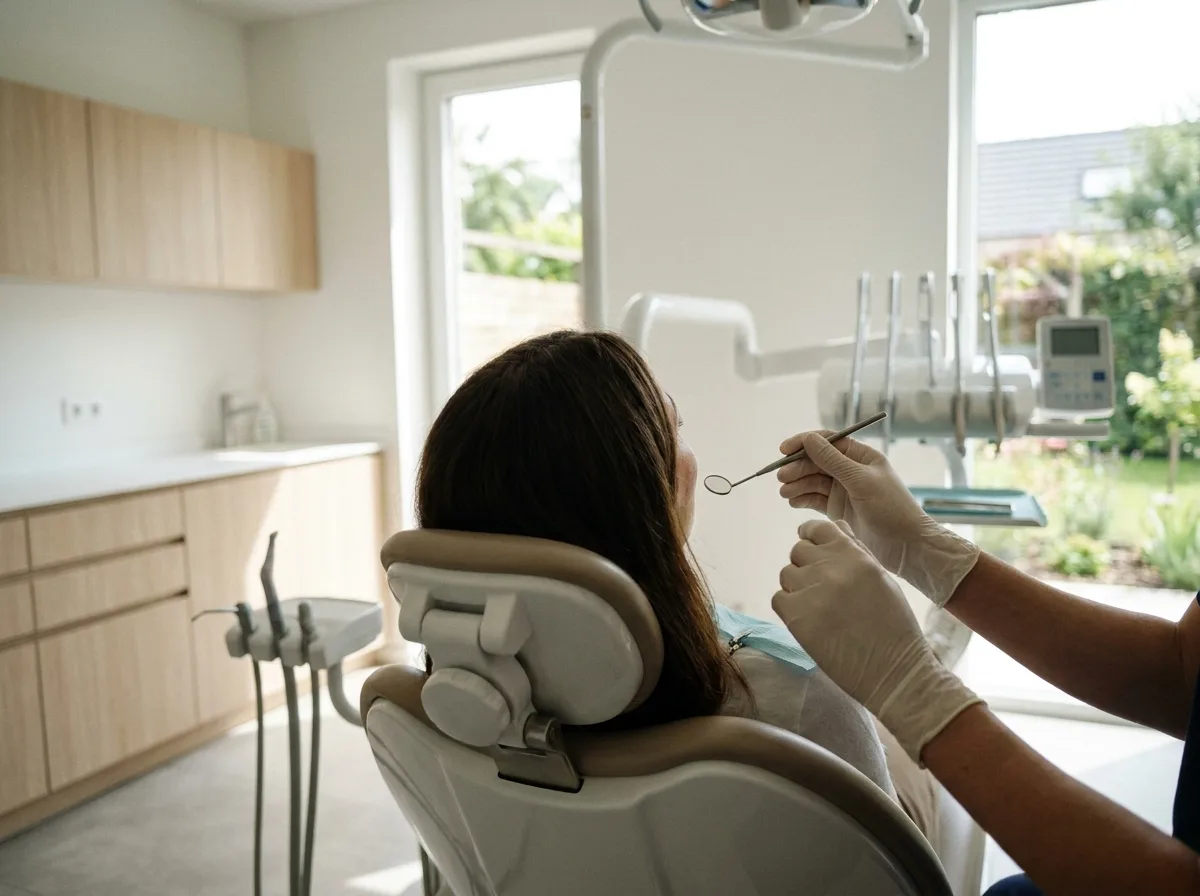
Experienced doctor
Dr. Kim provides efficient care for routine checkups and complex cases.
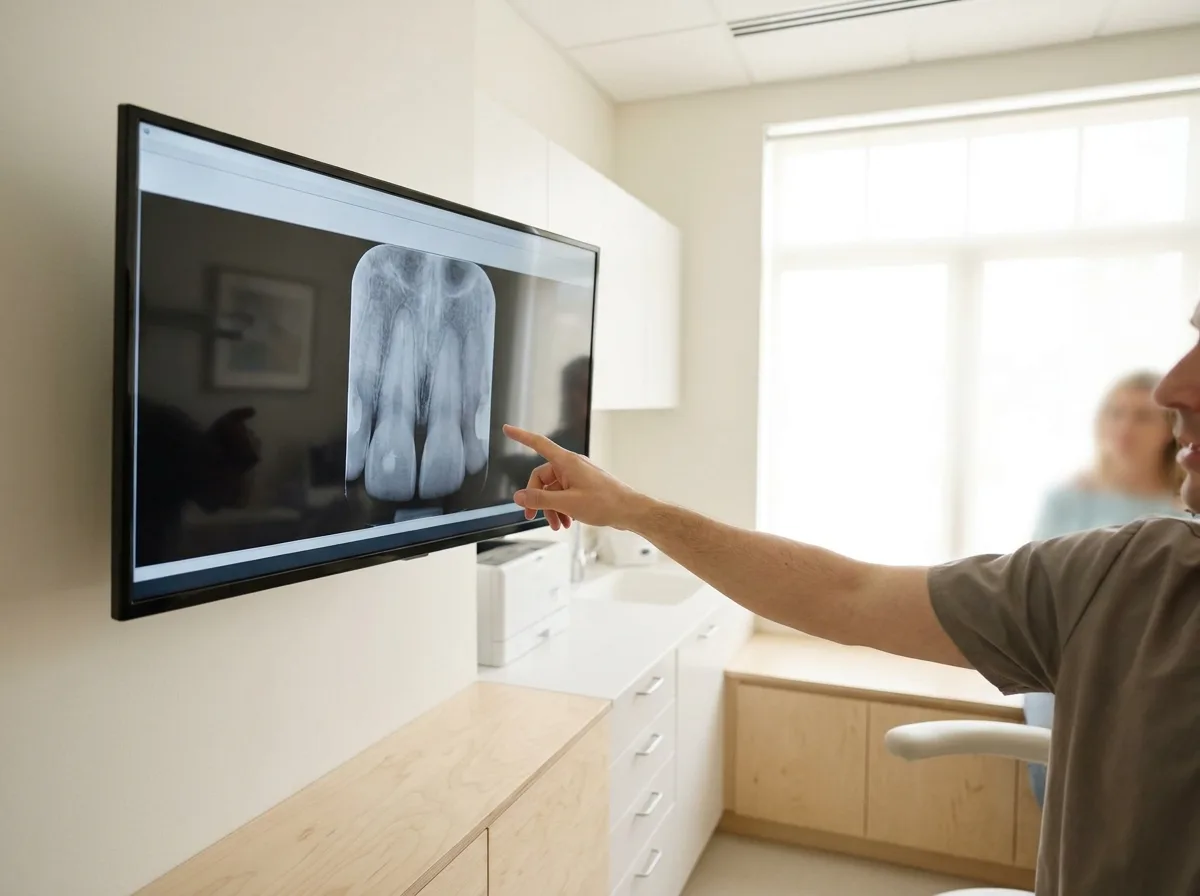
Clear explanations
You hear every finding in plain words before a plan is made.

Consistent care
You see the exact same dentist every time you visit our office.
We're waiting for you in Riverside
6945 Streeter Ave
Riverside, CA 92504
- Monday, Thursday and Friday
- 9:00AM – 6:00PM
- Tuesday, Wednesday and the weekend
- Closed