Wisdom Teeth Removal in Riverside
Wisdom teeth usually appear in the late teens or early twenties. When there is no room for them they can become trapped, push on other teeth, or get infected.
Wisdom Teeth, Eruption and Impaction
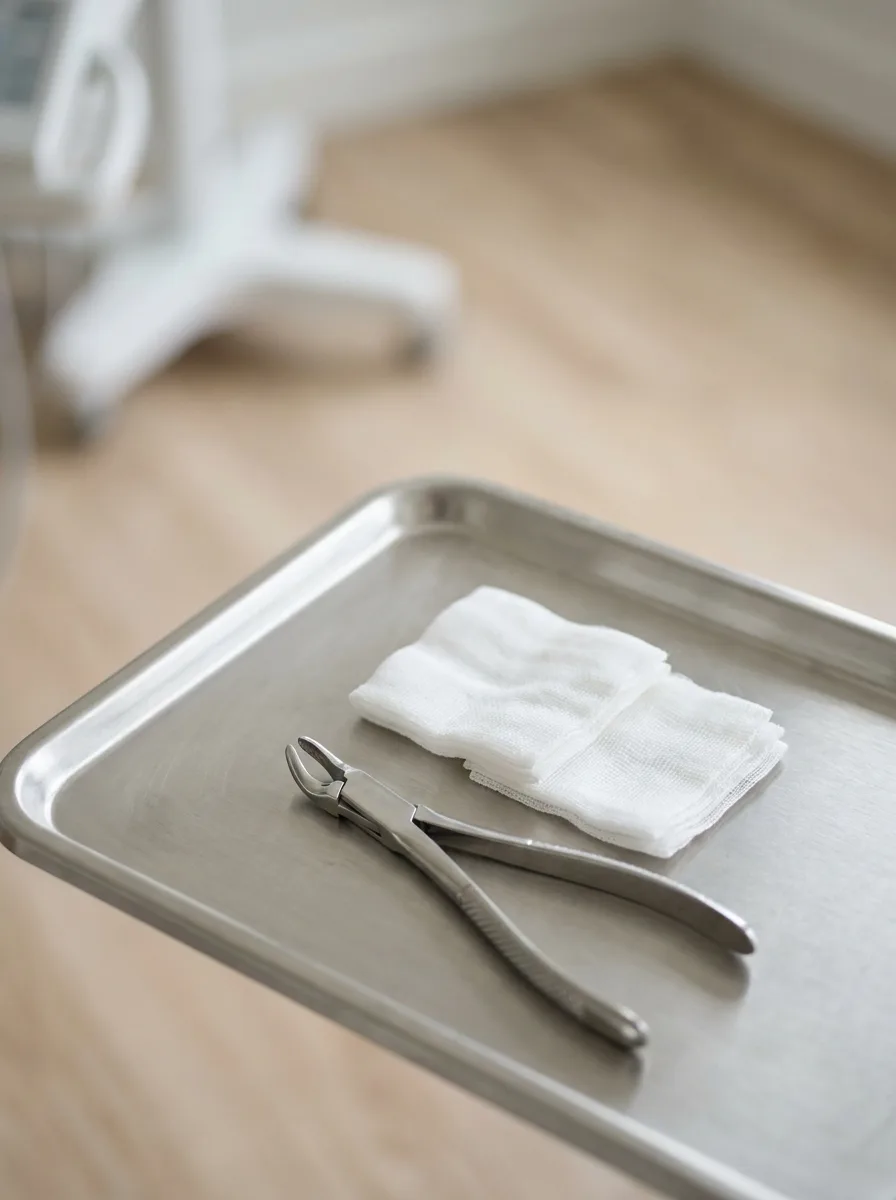
Wisdom teeth are the third molars at the back of the mouth. They may emerge normally, partly erupt, or remain impacted beneath gum or bone. An assessment helps determine whether they can be monitored or whether removal is appropriate. The presence of a wisdom tooth alone does not require extraction.
A fully erupted wisdom tooth may function normally, whereas a partly erupted or impacted third molar can be difficult to maintain. Impaction describes position rather than a diagnosis of infection. The dentist assesses the tooth and adjacent area for disease and future risk. Healthy retained teeth still need review, and the absence of pain alone does not show that monitoring is unnecessary.
Reasons to Remove or Monitor a Third Molar
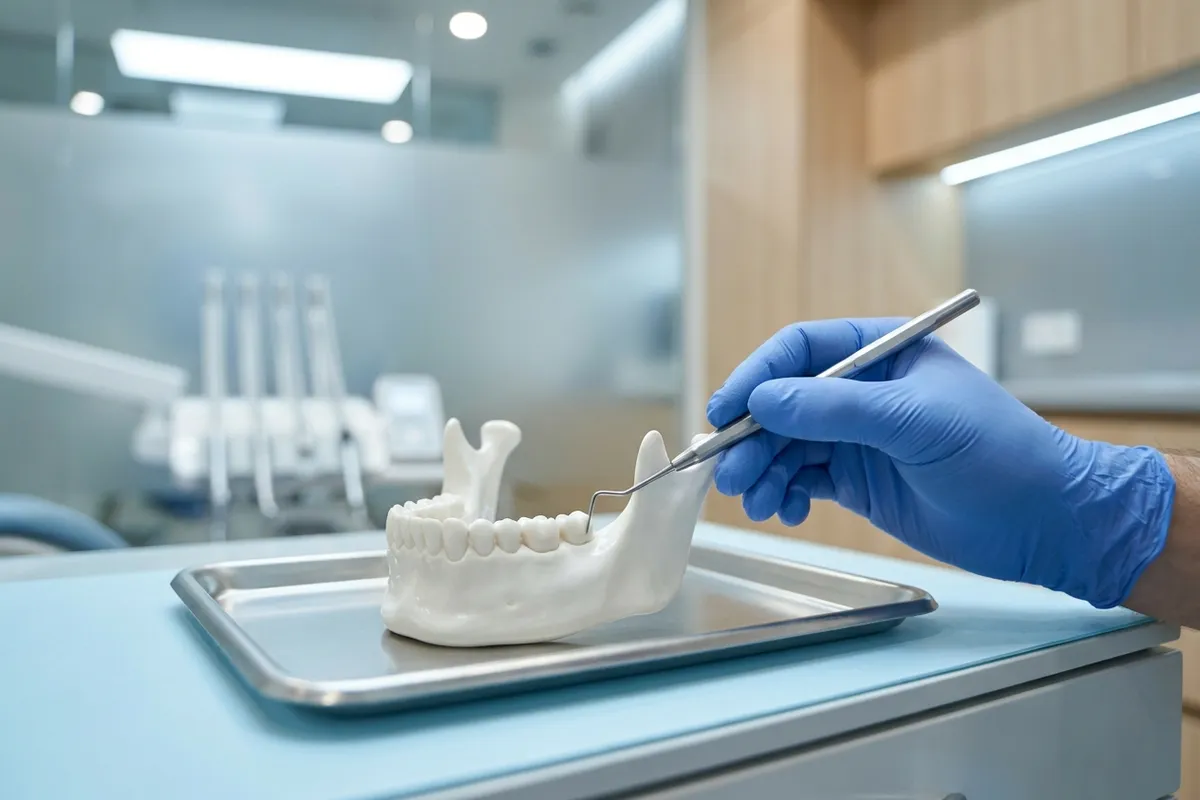
Limited space or an unfavorable position can make a wisdom tooth difficult to clean. Decay, gum inflammation, infection, or damage to a neighboring tooth may develop in some cases. An impacted tooth may also need assessment even without pain. The decision considers actual findings and future risk rather than a single symptom.
The neighboring second molar is part of the assessment, not just the wisdom tooth. A difficult-to-clean contact at the back can affect a tooth you rely on for chewing. If removal is advised because that neighbor is at risk or already damaged, its own treatment needs should be discussed too. Removing the wisdom tooth does not automatically repair decay or lost support on the adjacent tooth.
- Partly erupted wisdom teeth can create areas that trap food and are difficult to clean at the back of the mouth.
- Decay, recurrent inflammation, infection, or damage to a neighboring tooth may support removal when confirmed by assessment.
- Healthy, maintainable wisdom teeth may remain under observation; neither their presence nor lack of pain settles the decision by itself.
Symptoms and Factors Affecting Suitability
Mention pain or swelling at the back of the mouth, a bad taste, food trapping, or difficulty opening your jaw. These symptoms can have other causes and need examination. Rapidly spreading swelling or difficulty breathing or swallowing requires urgent medical attention rather than waiting for a planned removal appointment.
Position, root shape and proximity to nerves or the sinus affect both the procedure and its risks. A previous episode of swelling may matter even if it has settled. Mention difficulty opening your mouth and changes in sensation, as well as your medical and medication history. Complex anatomy may warrant an oral-surgeon assessment rather than assuming all wisdom teeth are removed in the same way.
- Mention swelling, a bad taste, food trapping, or difficulty opening your mouth, including episodes that improve and then return.
- Tell your dentist about medical conditions, medicines, tobacco use, and previous surgical healing or anesthesia difficulties before planning removal.
- Ask how root development, tooth position, and nearby structures influence the benefits and risks of removing your particular tooth.
Choosing Timing and Preparing for Removal
Timing depends on tooth development, position, oral health, symptoms, and the likelihood of future problems. Some teeth can be monitored with regular review. Removing an affected tooth may be simpler before further complications occur, but there is no single best age or automatic rule that applies to everyone.
Evaluating Position, Roots and Nearby Structures
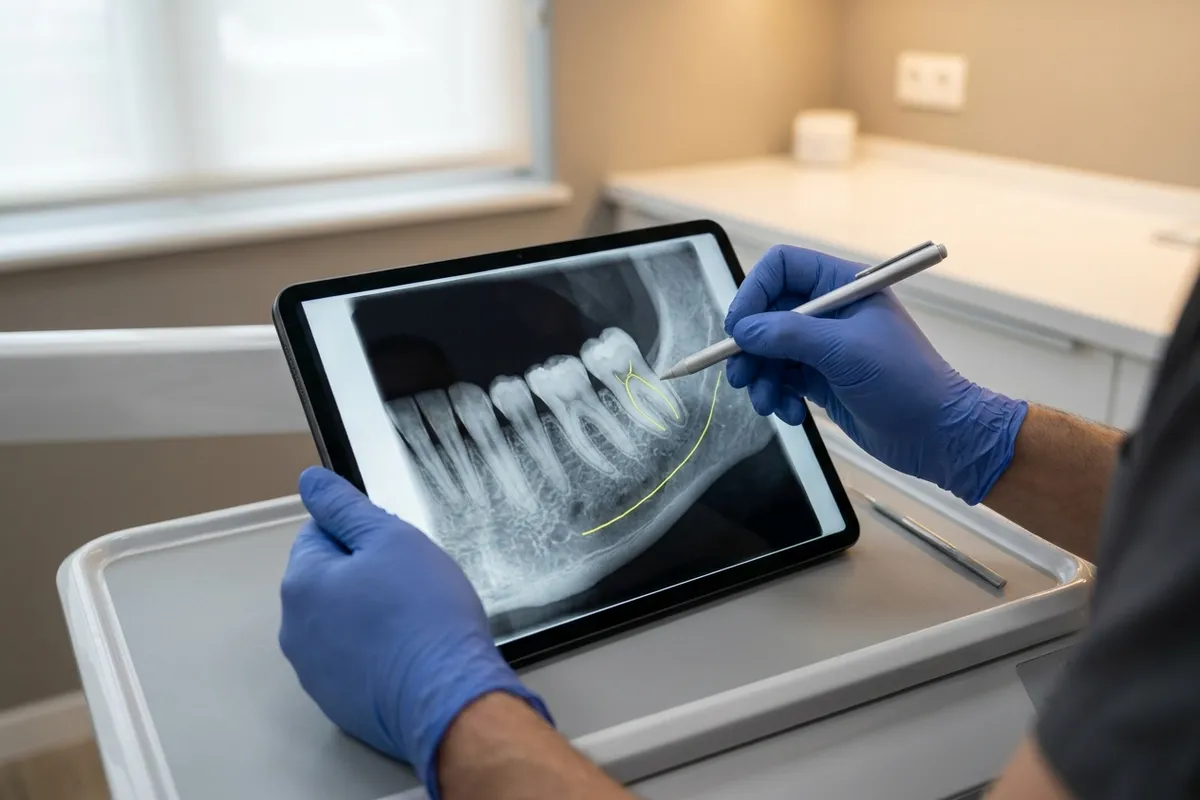
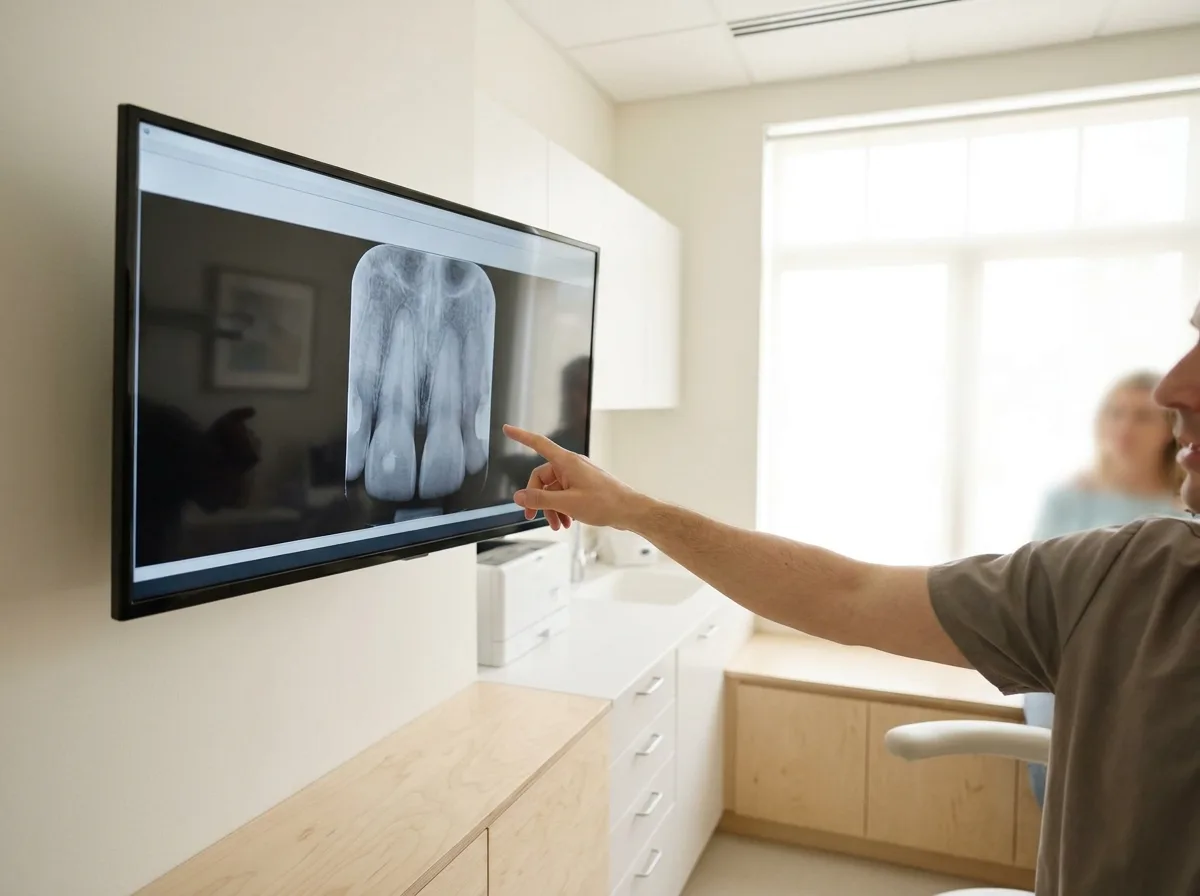
The dental team examine the area and use appropriate imaging to assess tooth position, root development, and nearby structures. Health history helps with surgical and comfort planning. The dental team discuss monitoring, removal, the expected recovery, and whether an oral surgeon should be involved for an impacted or complex tooth.
- Appropriate imaging helps assess impaction and the relationship to adjacent teeth, relevant nerves, or the sinus for upper wisdom teeth.
- Discuss whether monitoring, removal, or specialist assessment is appropriate, and how often retained wisdom teeth should be reviewed.
- The expected technique and comfort plan depend on access, position, and your health; not every wisdom tooth requires the same surgery.
Observation, Removal and Surgical Choices
A healthy, maintainable wisdom tooth may remain under observation. Removal can be considered when disease or a significant risk is identified. The technique and comfort measures depend on the tooth and your needs. The dental team explain whether surgical steps are expected and how the procedure fits with other dental care.
For an impacted tooth, the surgeon may need to open the gum and divide the tooth into pieces to remove it. These steps reflect access and position rather than a different type of tooth replacement. Nerve-related risks are particularly relevant to some lower wisdom teeth. A specialist can explain whether the proposed approach, another surgical strategy, or continued observation fits the individual findings.
Socket Care and Recovery Warning Signs
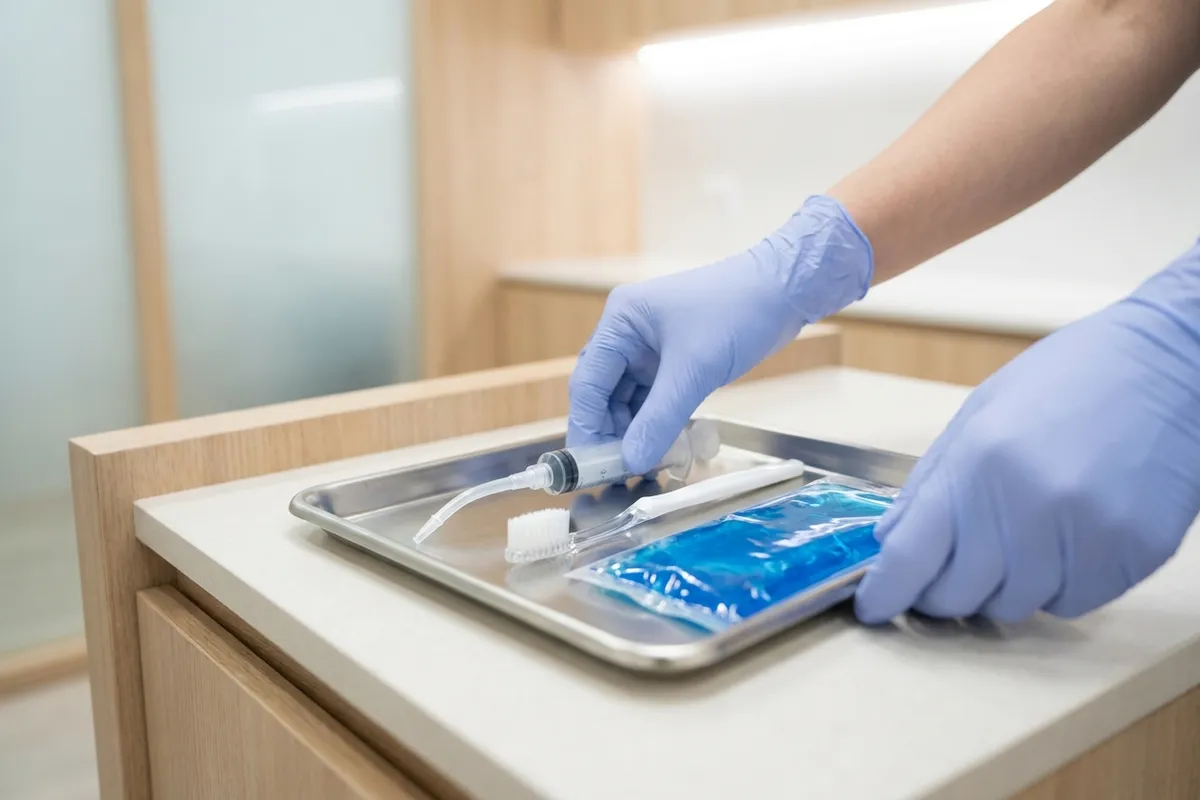
Follow instructions for protecting the socket, cleaning, food, activity, and comfort. Tenderness, swelling, and limited opening can occur during recovery, but the course varies. Contact the treating clinician about worsening pain, fever, persistent bleeding, or other unexpected changes. Attend recommended reviews rather than assuming the site has healed because discomfort has eased.
Back-of-mouth stiffness can make cleaning and eating awkward even when the front feels comfortable. Choose foods you can manage without forcing the jaw or disturbing the wound, following the surgical advice. Keep the other teeth clean using the method demonstrated. If numbness in the lip, chin, or tongue persists unexpectedly, describe its location and duration to the treating clinician for assessment.
- Follow socket-protection and cleaning instructions, choose suitable foods, and avoid smoking or disturbing the area during recovery as advised.
- Worsening pain after initial improvement, persistent bleeding, fever, or increasing swelling warrants contact with the treating team.
- Keep recommended reviews, and seek emergency medical help if swelling causes difficulty breathing or swallowing rather than waiting for an appointment.
Wisdom tooth removal stages
Removal is planned around each tooth's position and problems; a healthy wisdom tooth may instead be monitored.
Check position and reasons for removal
Assessment considers pain, infection, decay and effects on nearby teeth. Indicated imaging helps review roots and nearby nerves or sinuses, so monitoring, removal and any specialist involvement can be discussed.
Remove the selected tooth
After the agreed anaesthesia, the dentist or surgeon removes the tooth. An impacted tooth may need gum access, division into sections or removal of surrounding bone; closure and stitches depend on the surgical approach.
Protect the site and review symptoms
Follow instructions for the socket, food and cleaning while recovering. Arrange review for worsening pain, swelling, persistent bleeding or altered sensation, rather than assuming every postoperative symptom should be left until the next routine visit.
Other Services




Questions About Your Care

Request your appointment today
Riverside West Dental Group is accepting new patients. We greet you by your first name and treat you like family.
Why patients choose Riverside West Dental
Dr. Steven S. Kim brings 30 years of experience to Riverside West Dental Group.
Experienced doctor
Dr. Kim provides efficient care for routine checkups and complex cases.
Clear explanations
You hear every finding in plain words before a plan is made.

Consistent care
You see the exact same dentist every time you visit our office.
We're waiting for you in Riverside
6945 Streeter Ave
Riverside, CA 92504
- Monday, Thursday and Friday
- 9:00AM – 6:00PM
- Tuesday, Wednesday and the weekend
- Closed