Tooth Extractions in Riverside
We always try to save a tooth first. When a tooth is too damaged or infected to repair, removing it protects your other teeth and your health.
What Tooth Removal Involves
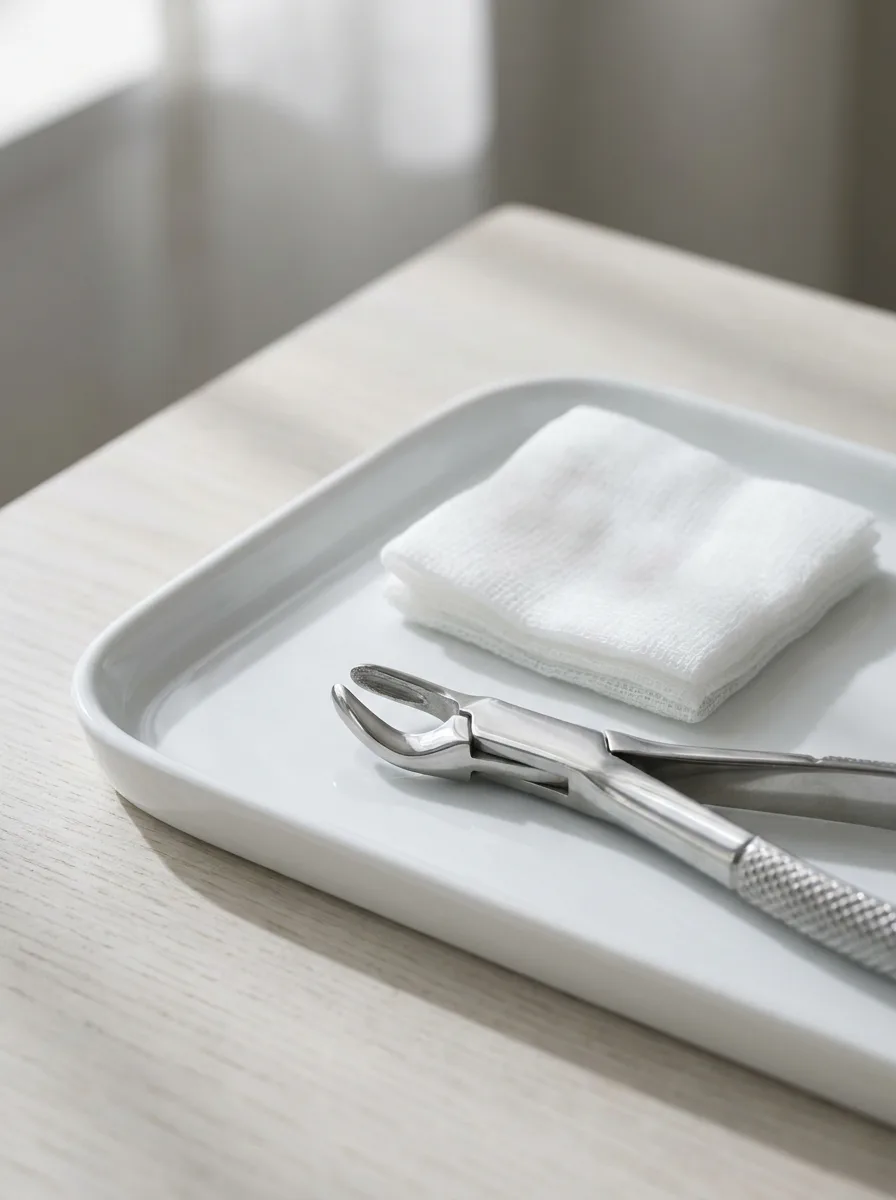
A tooth extraction removes a tooth when keeping it is no longer a suitable option or removal forms part of a broader treatment plan. Reasons may include severe decay, fracture, or infection. The dental team assess the tooth first and discuss whether restorative or root canal treatment could preserve it.
Straightforward removal and surgical extraction describe different techniques, chosen for the tooth’s position and condition. A surgical approach may involve access through the gum or dividing the tooth. The service name alone cannot establish how your tooth will be removed. Discuss the diagnosis and whether keeping the tooth through restorative, root canal or periodontal care remains a realistic alternative.
Reasons a Tooth May Not Be Maintainable
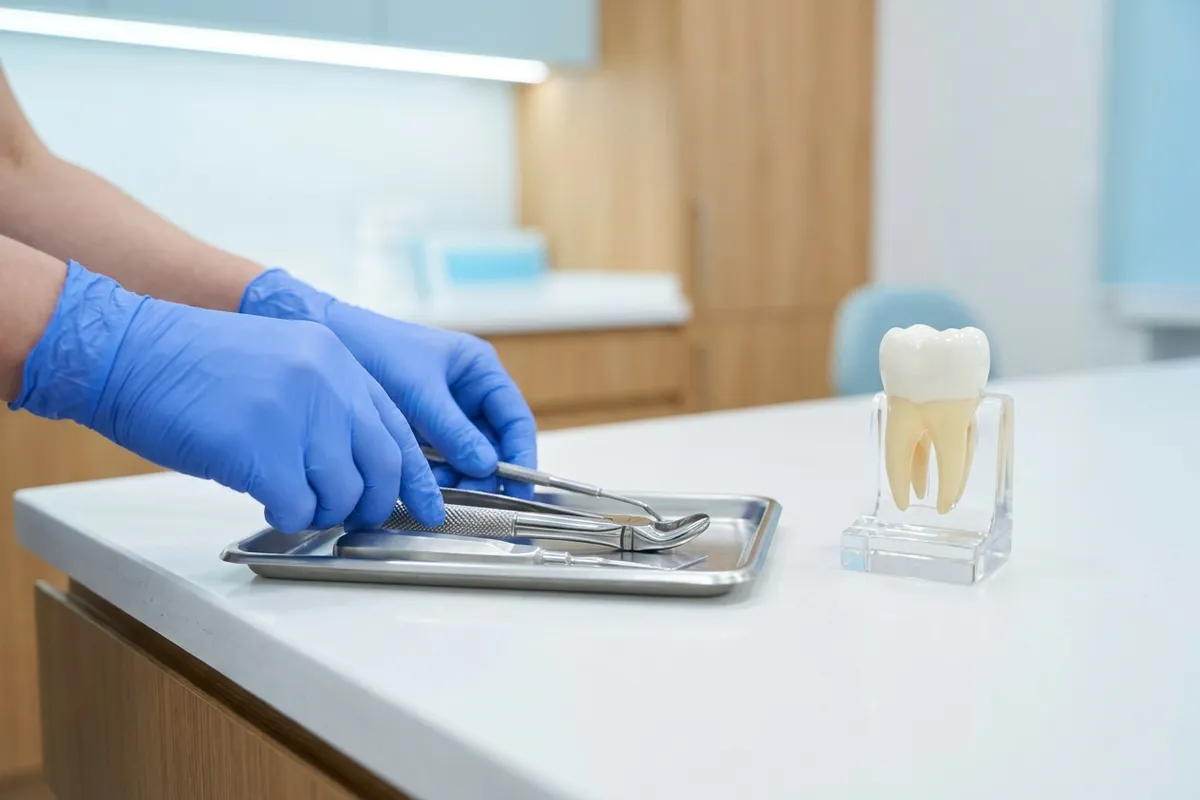
A tooth with too little healthy structure or an unfavorable fracture may not be predictably restored. Advanced disease can also affect its support or surrounding tissues. Removing a tooth can address the source of a problem, but the decision includes the consequences of the gap and possible replacement afterward.
The ability to save a tooth depends on more than whether it can be filled. A fracture extending into the root or substantial loss of supporting bone can undermine a repair even when part of the crown remains. By contrast, pain alone does not establish that removal is necessary. Understanding the tooth's structural and supporting limits makes the retention-versus-removal discussion more specific to your situation.
- Removal may be appropriate for a tooth that cannot be restored, advanced supporting-tissue damage, or selected orthodontic or surgical needs.
- An extraction treats the affected tooth but creates a space that may need a separate discussion about replacement and future function.
- Saving the tooth through a suitable restoration, root canal treatment, or gum care should be considered when clinically reasonable.
Symptoms and Health Factors Before Removal
Pain, swelling, a broken tooth, or increasing difficulty chewing should be examined. The severity of pain does not by itself determine whether extraction is necessary. If swelling is spreading or you have difficulty breathing or swallowing, seek urgent care. A dental assessment helps distinguish treatable damage from a tooth that cannot be saved.
Bring a complete medication list and mention blood thinners, medicines affecting bone and previous prolonged bleeding. Diabetes control, tobacco use and healing difficulties also influence planning. These factors need an individual assessment rather than an automatic refusal of treatment. Do not stop or change prescribed medicines yourself; the dental team may coordinate with the prescribing clinician before advising any alteration.
- Describe pain, swelling, previous dental treatment, and whether the tooth is broken below the gumline or difficult to access.
- Provide a medication list, including blood thinners and medicines affecting bone, and mention previous bleeding or healing problems.
- Ask how replacement planning affects the extraction and whether preserving bone at the site should be discussed before removal.
Urgency and Preparing for the Appointment
Urgency depends on symptoms, infection, and the condition of the tooth. Planned removal allows time to discuss preservation, replacement, and recovery needs. Tell your dentist about medications, medical conditions, and previous healing problems. Do not stop prescribed medication without direction from the appropriate clinician.
Assessing Roots and Nearby Structures
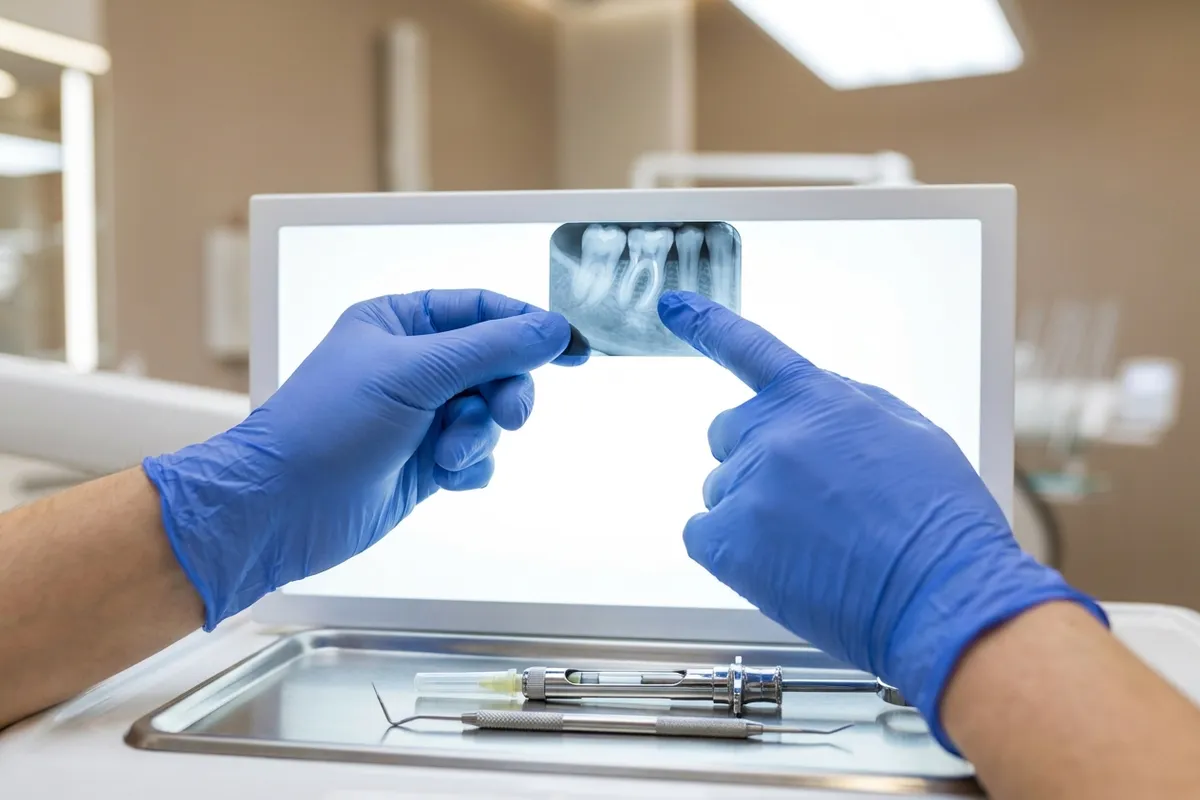
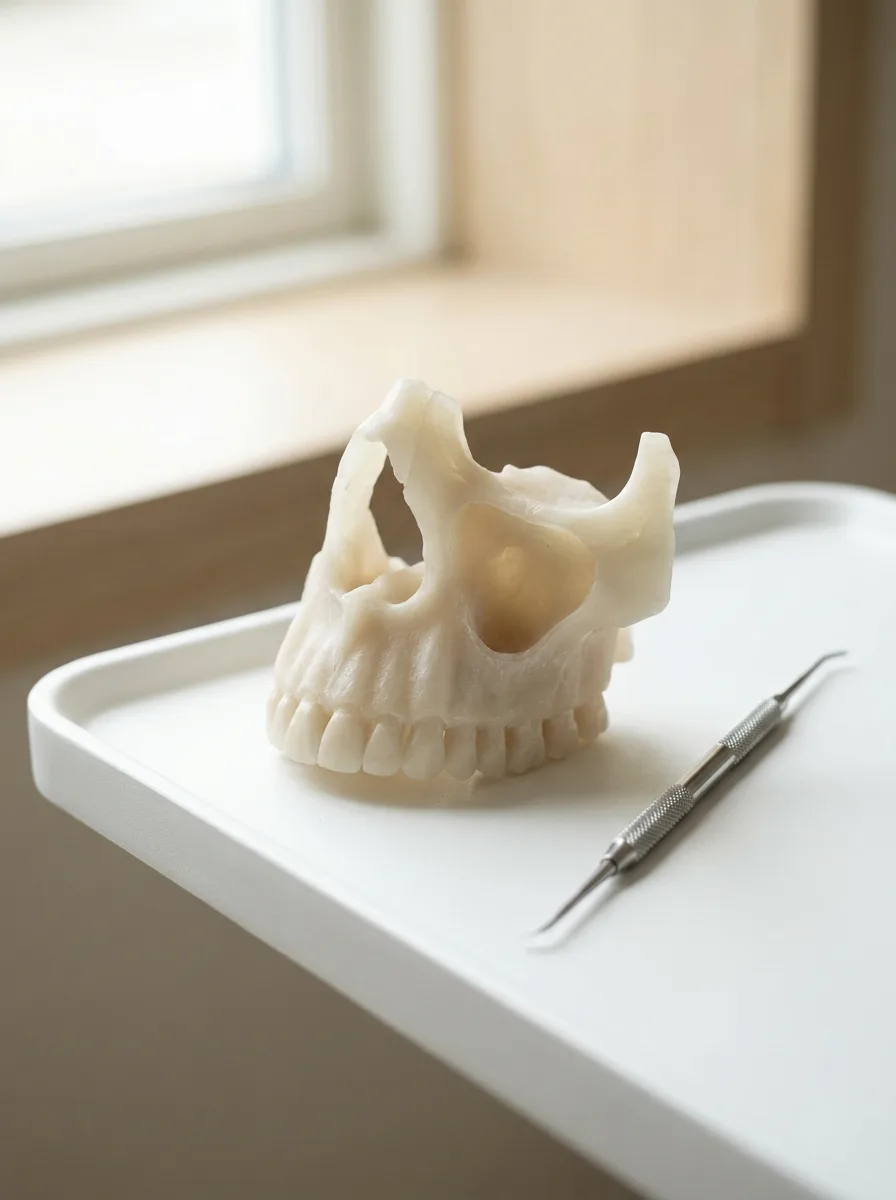
The dental team examine the tooth, gums, and neighboring structures and review appropriate images of the roots and surrounding bone. Health history helps guide treatment and comfort planning. The dental team explain whether a straightforward or surgical removal is expected and when referral or additional assessment may be appropriate.
- The tooth's condition, root shape, and nearby structures help determine whether a straightforward or surgical extraction is expected.
- Local anesthesia and any additional comfort arrangements are planned individually; confirm preparation and transportation requirements rather than assuming sedation is included.
- Discuss reasonable alternatives, site-specific risks, and what will happen to the empty space before agreeing to the extraction plan.
Saving, Removing and Replacing the Tooth
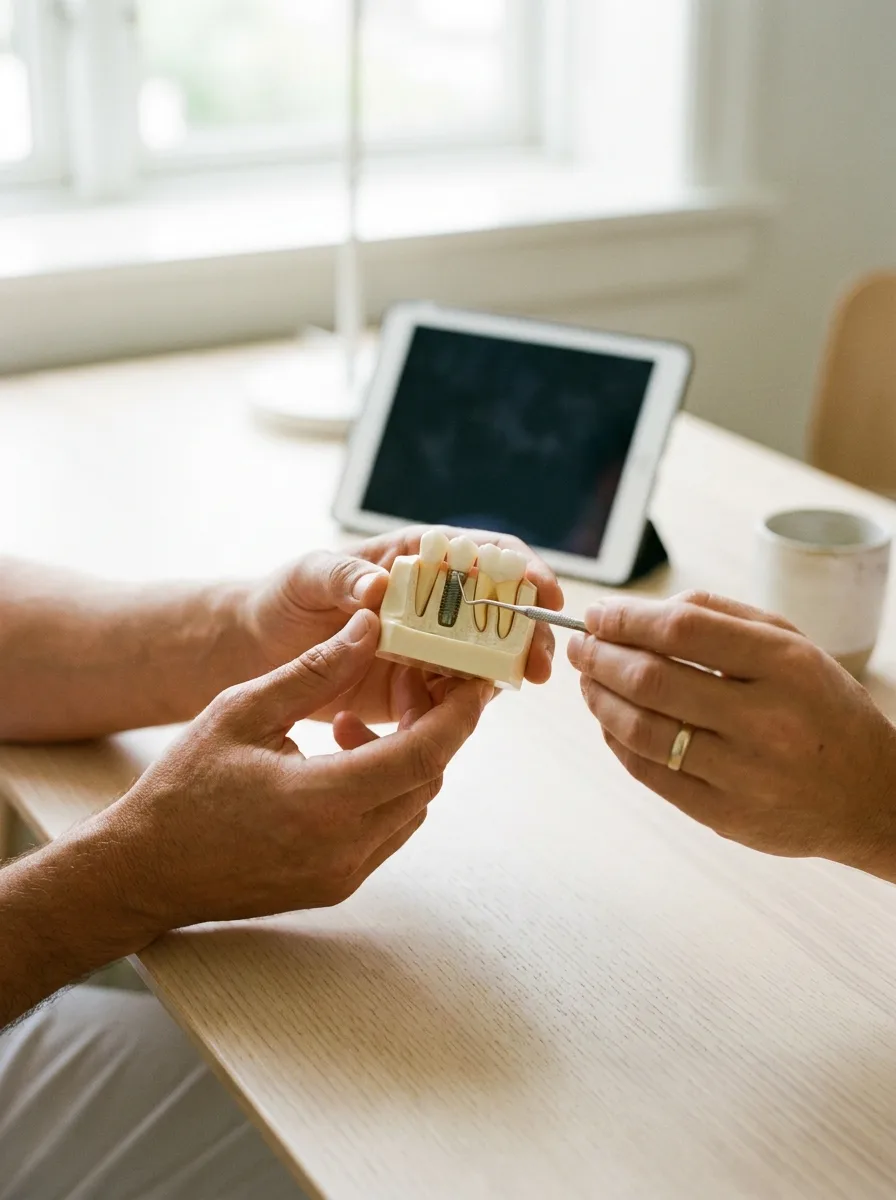
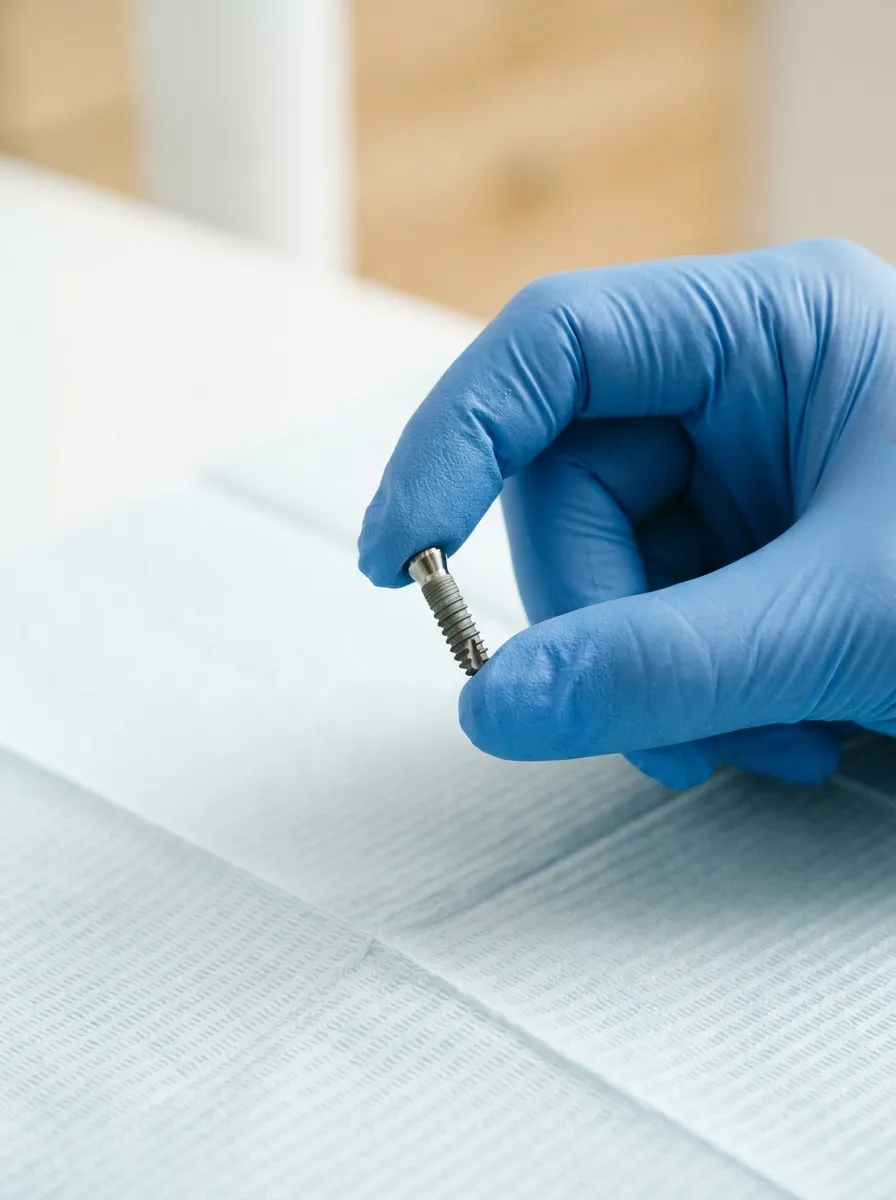
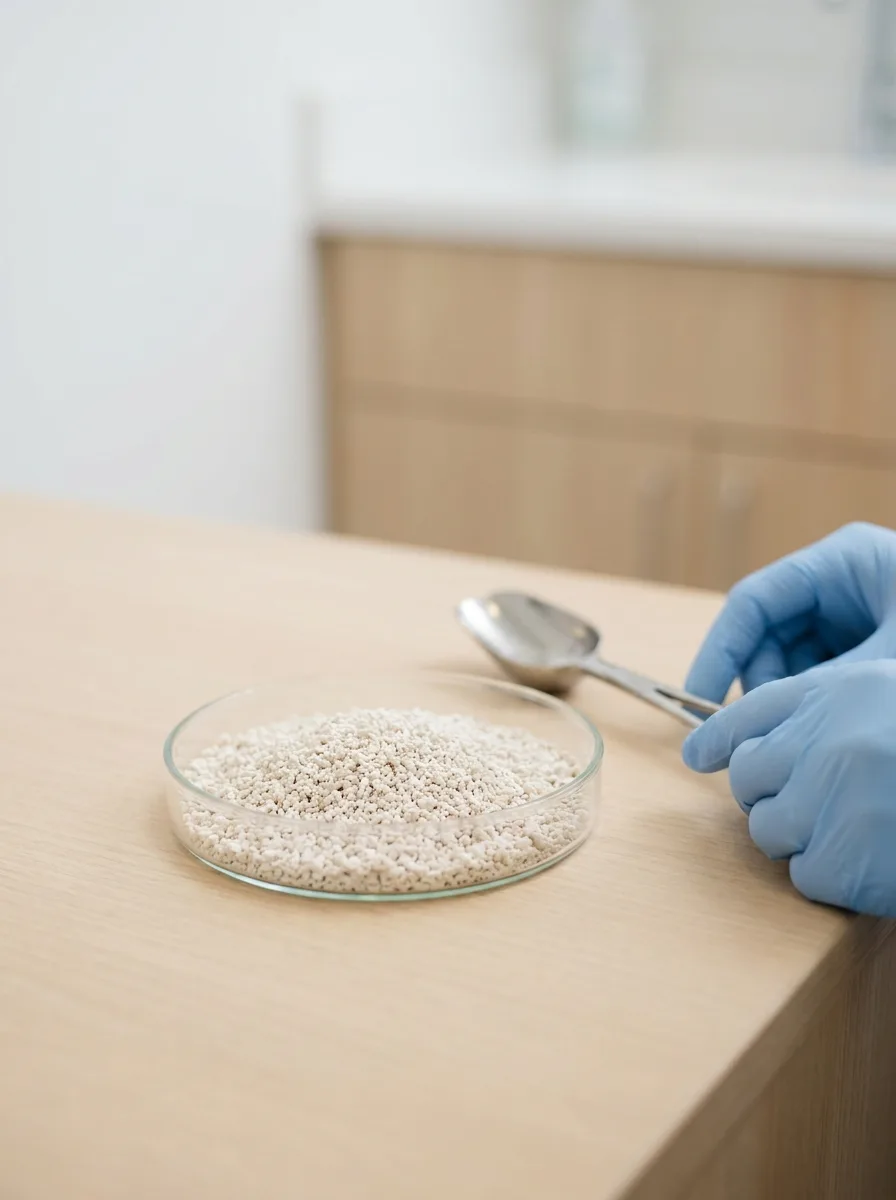
Local anesthesia is generally used to numb the area. The technique depends on tooth position and condition; some removals require surgical steps. Before treatment, your dentist can discuss socket preservation and later options such as an implant, bridge, or denture when suitable. Not every extraction needs the same replacement approach.
If the tooth can be maintained, compare the expected prognosis and demands of preserving it with removal and possible replacement. Where extraction is appropriate, discuss whether socket preservation adds value to the intended next stage. A bridge, denture or another replacement may have different preparation and maintenance needs. The choice should account for neighbouring teeth, healing and your preferences.
Protecting the Socket During Healing
Protect the healing socket and follow the written instructions for food, cleaning, activity, and medication. Avoid smoking and other habits that interfere with healing. Some tenderness and swelling can occur. Contact the treating clinician for worsening pain, ongoing bleeding, fever, or other concerns rather than assuming every symptom is normal recovery.
A blood clot forms in the socket as part of early healing. Disturbing it can lead to a painful complication called dry socket. This explains why the first instructions differ from everyday cleaning: vigorous rinsing or probing the area can disrupt the healing surface. Continue care of the rest of the mouth as advised while following the specific timing for cleaning beside the extraction site.
- Protect the initial clot and follow instructions about gauze, rinsing, brushing, food, and activity during the early healing period.
- Avoid smoking during recovery as advised, and do not probe the socket or pull on stitches to check the site yourself.
- Contact the treating clinician for worsening pain, persistent bleeding, fever, or swelling, and attend reviews needed for healing and replacement planning.

Tooth extraction stages
Extraction care includes deciding whether removal is necessary, carrying it out safely and protecting the healing socket.
Assess removal and alternatives
The dentist checks the tooth, roots and nearby structures, using imaging when indicated. Discuss whether the tooth can be retained, the risks of removal and replacement choices where a missing tooth could affect function.
Remove the tooth with suitable care
The area is numbed and the tooth is removed using the approach its condition requires. Some cases need surgical access or specialist referral; the treating clinician explains the plan and any measures used to close the site.
Protect and review the socket
Follow the clinician's guidance on bleeding control, food, cleaning and activity while the socket heals. Contact the treating team for persistent bleeding or worsening pain or swelling, and review any planned tooth replacement after healing.
Other Services




Questions About Your Care

Request your appointment today
Riverside West Dental Group is accepting new patients. We greet you by your first name and treat you like family.
Why patients choose Riverside West Dental
Dr. Steven S. Kim brings 30 years of experience to Riverside West Dental Group.
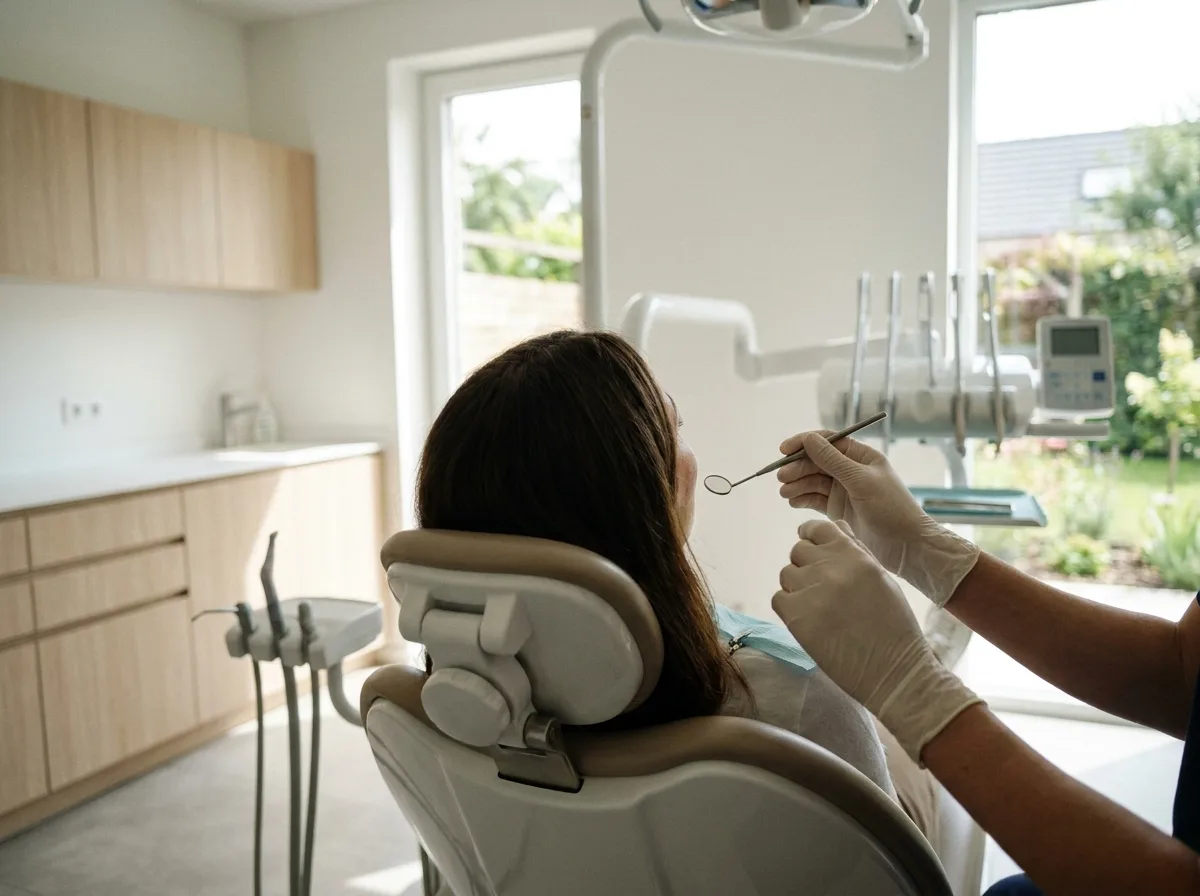
Experienced doctor
Dr. Kim provides efficient care for routine checkups and complex cases.
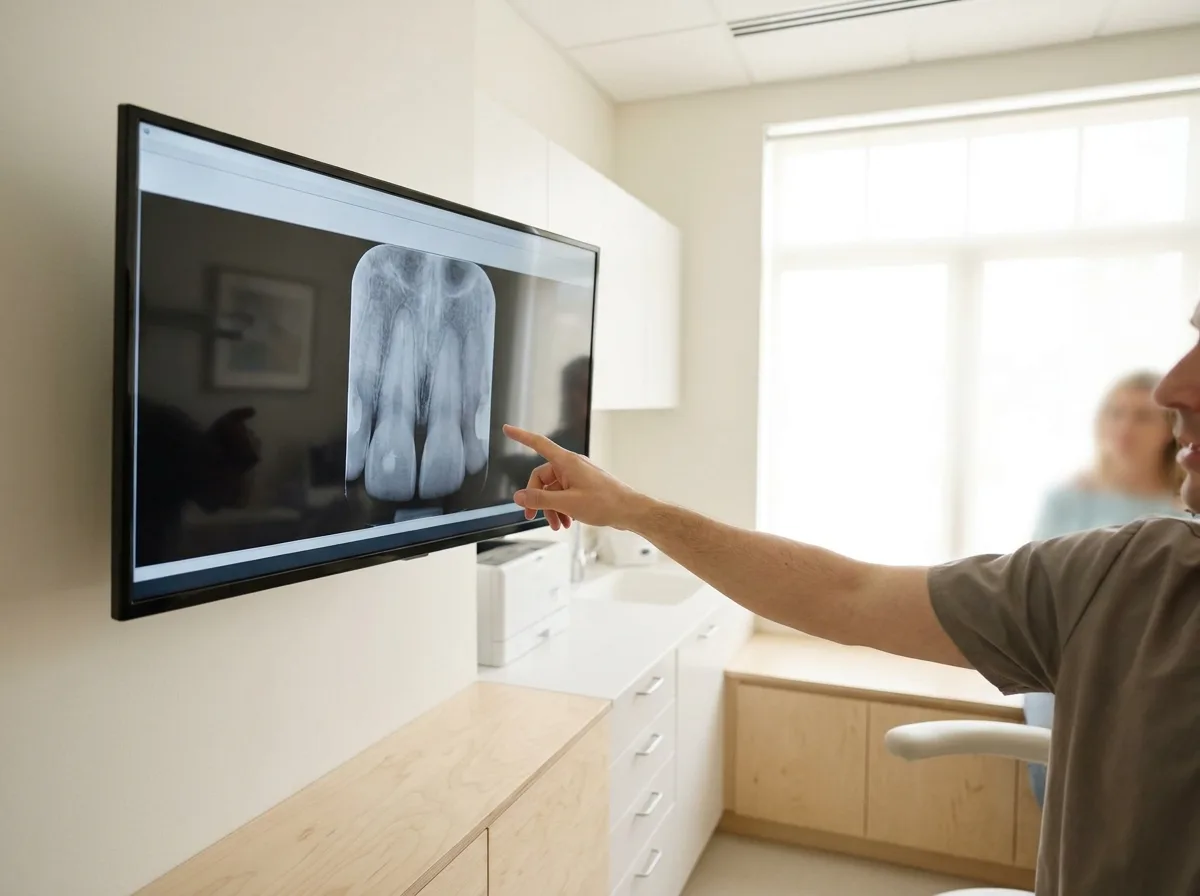
Clear explanations
You hear every finding in plain words before a plan is made.

Consistent care
You see the exact same dentist every time you visit our office.
We're waiting for you in Riverside
6945 Streeter Ave
Riverside, CA 92504
- Monday, Thursday and Friday
- 9:00AM – 6:00PM
- Tuesday, Wednesday and the weekend
- Closed