Gum Disease Treatment in Riverside
Dr. Steven S. Kim provides gum disease treatment for patients in Riverside. Healthy gums protect the bone that holds your teeth in place. We explain every finding in plain words before planning any work. You see the same dentist every time you visit our office.
Gingivitis, Periodontitis and Treatment Goals
Gum disease treatment addresses inflammation and infection affecting the tissues that support the teeth. Gingivitis and periodontitis need different assessments and care. Scaling and root planing may be appropriate for disease below the gumline, while some cases need further periodontal treatment. Daily cleaning and follow-up remain part of the plan.
Gingivitis is inflammation of the gums without the attachment and bone loss that characterise periodontitis. Bleeding may be an early clue, but the diagnosis needs measurements and examination. Cleaning below the gumline aims to reduce the deposits contributing to disease. It does not automatically replace lost support, and a mouth that feels less sore can still need ongoing periodontal care.
Why Care Below the Gumline May Help
Periodontal disease can create pockets between the teeth and gums and lead to loss of supporting bone. A routine cleaning may not adequately reach deposits in those pockets. Deep cleaning addresses the affected areas, while ongoing home care and maintenance help control the factors that allow inflammation to return.
Gingivitis affects the gum tissues and can improve when plaque is controlled. Periodontitis includes damage to deeper support, so less bleeding after treatment does not mean that lost support has been fully rebuilt. Understanding that distinction helps explain why a person can feel better yet still need continuing periodontal care. Treatment aims to control disease and retain useful support where possible.
- Bleeding and swollen gums may indicate inflammation; an examination determines whether the problem is limited to gingivitis or involves deeper supporting tissues.
- Deposits below the gumline can require a different treatment from routine polishing or a standard preventive cleaning appointment.
- Managing periodontal disease helps maintain teeth and surrounding tissues, but continuing plaque control and maintenance remain necessary after active treatment.
Signs of Disease and Factors That Affect Care
Bleeding, swollen gums, bad breath, gum recession, or loose teeth should be evaluated. Gum disease may progress with little pain, so symptoms alone do not show its severity. Let your dentist know about smoking, diabetes, and previous periodontal treatment, since these can affect risk and the treatment plan.
If teeth have shifted or spaces have opened, the way you clean between them may need to change. Floss, an interdental brush, or another recommended aid can suit different spaces. Ask for a demonstration at the areas you struggle to reach, including around bridges. The home-care method should fit the current gum and tooth arrangement, rather than relying on a tool that no longer reaches the affected sites.
- Mention bleeding when brushing, persistent bad breath, loose teeth, or spaces that seem to be changing between teeth.
- Tell your dentist about diabetes, tobacco use, medicines, and previous gum treatment because these influence risk, healing, and recall planning.
- Describe areas that are painful or difficult to clean so the home-care plan can use tools suited to your gum condition.
Active Treatment and Reassessment
Treatment follows findings such as inflammation, bleeding, pocket depth, and changes in supporting bone. Early gum inflammation may respond to professional cleaning and improved home care. Periodontitis may require deeper cleaning and reassessment. The timing of follow-up reflects the condition and response rather than one routine interval.
Measuring Gum Health and Supporting Bone
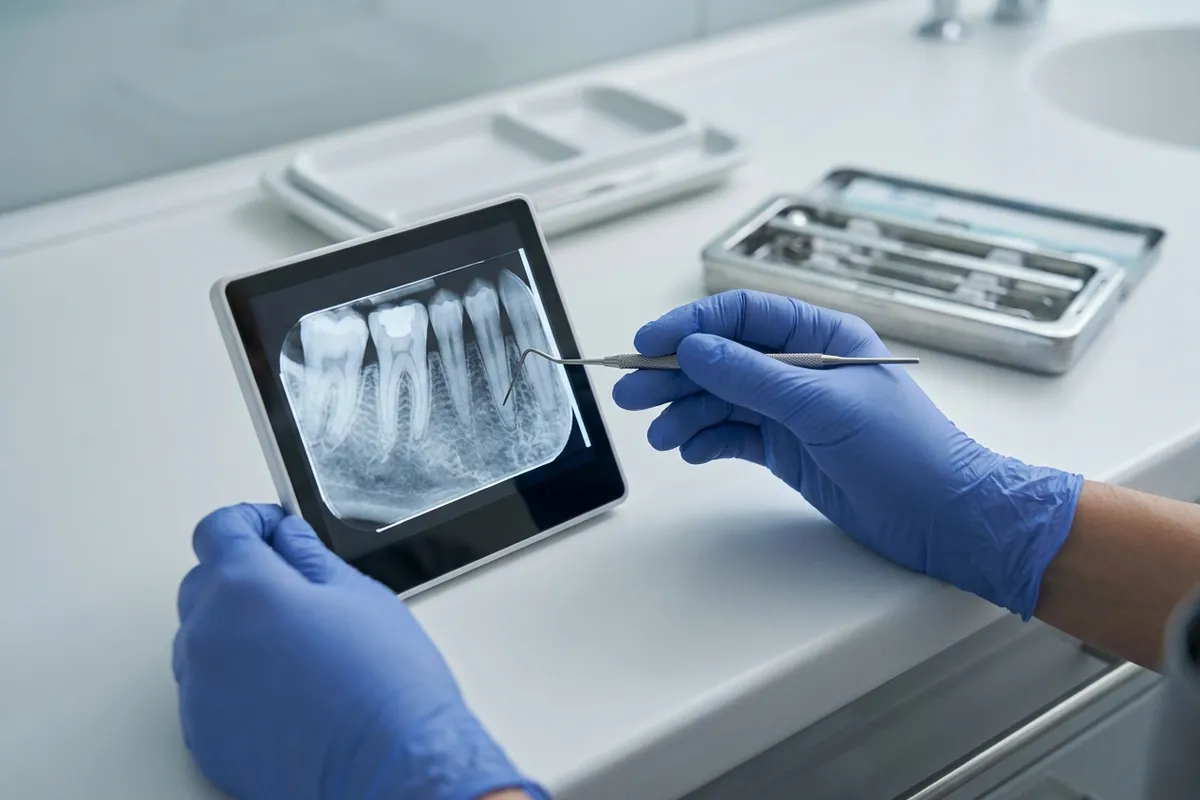
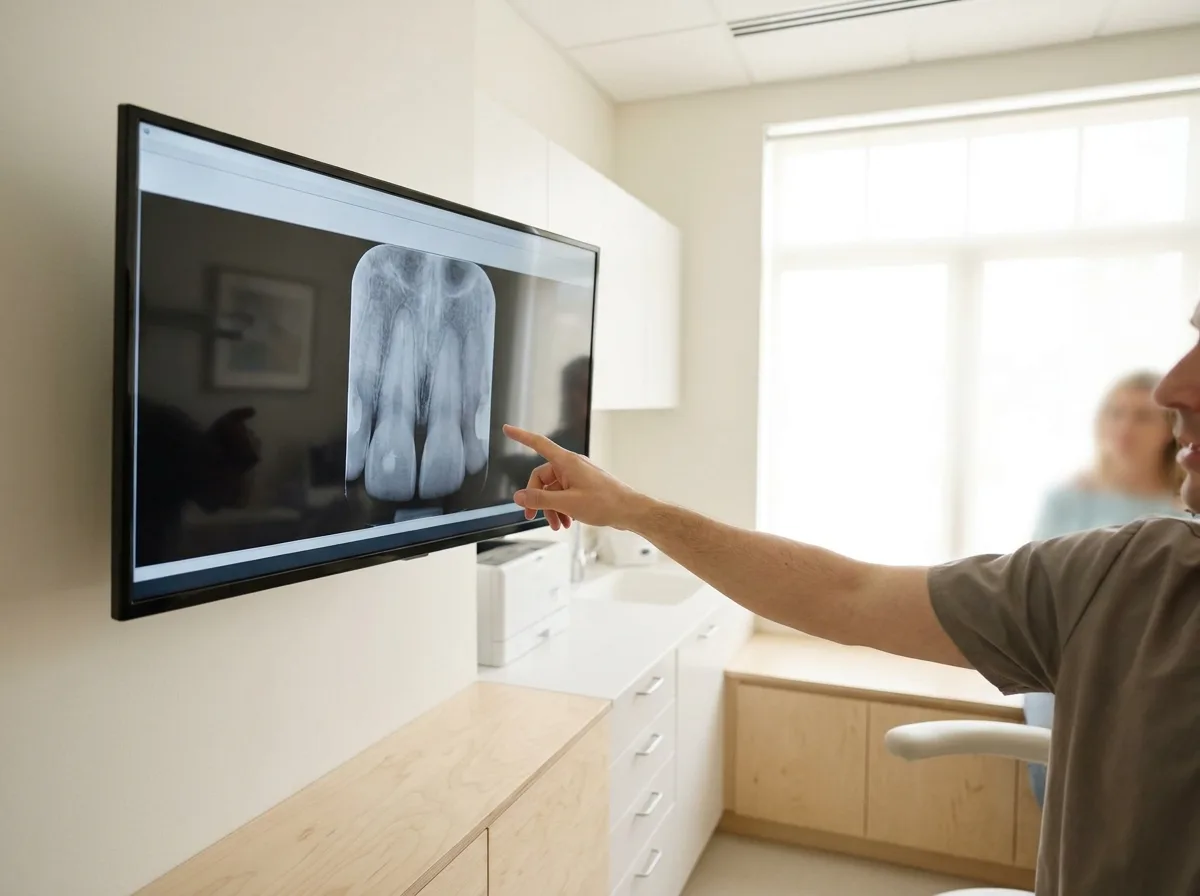
The dental team measure gum pockets, check bleeding and tooth mobility, and review appropriate images for bone changes. Medical history and home care are part of the assessment. The dental team explain which areas need treatment and whether nonsurgical care is a suitable starting point or specialist evaluation is also needed.
- Pocket measurements, bleeding findings, and selected imaging help assess disease severity and identify areas needing care below the gumline.
- Nonsurgical treatment may include scaling and root planing when indicated; response is reassessed before deciding whether additional care is necessary.
- Advanced or persistent problems may need periodontal specialist assessment, including discussion of surgical options where appropriate.
Nonsurgical Care and Further Treatment
Options may include professional cleaning, scaling and root planing, prevention guidance, and periodontal maintenance. Local anesthesia may be used for deeper treatment, which can take more than one visit. Persistent pockets or more advanced disease may need specialist assessment or surgical care. The dental team explain the purpose and sequence of recommendations.
Reassessment compares pocket measurements, bleeding, and the condition of individual sites after initial care. Improvement in one part of the mouth does not establish the same response everywhere. Persistent deeper areas may need targeted treatment, while other areas move into maintenance. This review explains why another cleaning appointment, a specialist consultation, or surgery may be discussed instead of repeating one treatment for the whole mouth.
Periodontal Maintenance After Treatment
Tenderness and temporary sensitivity can follow treatment. Follow the instructions given for cleaning and comfort, and attend the reassessment to check healing and pocket depth. Periodontal maintenance is often needed afterward. Continued deep pockets or inflammation may require further treatment, and lost supporting tissue is not automatically restored by cleaning.
After deeper cleaning, gums may become less swollen and root surfaces may be more noticeable or sensitive. The dentist can advise on these changes and check persistent discomfort. Daily cleaning should reach the gumline and interdental spaces without aggressive scrubbing. Maintenance visits review deposits, bleeding and pocket measurements over time, so improving symptoms is a reason to continue the plan rather than end it.
- Follow the cleaning instructions for sensitive or recently treated areas and keep the reassessment appointment even if bleeding improves.
- Periodontal maintenance is individualized and may be more frequent than routine cleaning; it checks the response and recurring deposits or inflammation.
- Report renewed swelling, increasing tooth mobility, or persistent bleeding so the plan can be reassessed instead of relying only on mouthrinse.

Gum disease treatment stages
Periodontal care starts with measuring disease, then treating the affected areas and checking how the tissues respond.
Measure gum and bone changes
The assessment records pocket depths, bleeding and tooth support, with imaging when needed to evaluate bone loss. Medical history and factors such as tobacco use help explain risk and guide treatment planning.
Treat deposits and inflammation
Care may include cleaning below the gumline with scaling and root planing, alongside tailored home-care instruction. More advanced or persistent disease may need additional treatment or a periodontist's assessment rather than routine cleaning alone.
Reassess and maintain gum health
After initial treatment, the clinician checks bleeding, pocket depths and other signs of response. Findings determine whether further care is needed and how often supportive periodontal maintenance should be scheduled.
Other Services







Questions About Your Care

Schedule your gum treatment
Riverside West Dental Group is taking new patients. Call our office to get started.
Why patients choose Riverside West Dental
Dr. Steven S. Kim brings 30 years of experience to Riverside West Dental Group.
Experienced doctor
Dr. Kim provides efficient care for routine checkups and complex cases.
Clear explanations
You hear every finding in plain words before a plan is made.

Consistent care
You see the exact same dentist every time you visit our office.
We're waiting for you in Riverside
6945 Streeter Ave
Riverside, CA 92504
- Monday, Thursday and Friday
- 9:00AM – 6:00PM
- Tuesday, Wednesday and the weekend
- Closed