Root Canal Treatment in Riverside
Dr. Steven S. Kim provides root canal treatment to save infected or badly damaged teeth. With 30 years of experience, he navigates complex cases efficiently to properly restore your tooth. You see the same dentist every time you visit our Riverside office.

Treating the Tissue Inside a Tooth
Root canal treatment addresses inflamed or infected tissue inside a tooth. The affected pulp is removed, the canals are cleaned and sealed, and the tooth then receives an appropriate final restoration. The aim is to retain a natural tooth that can still be restored rather than remove it automatically.
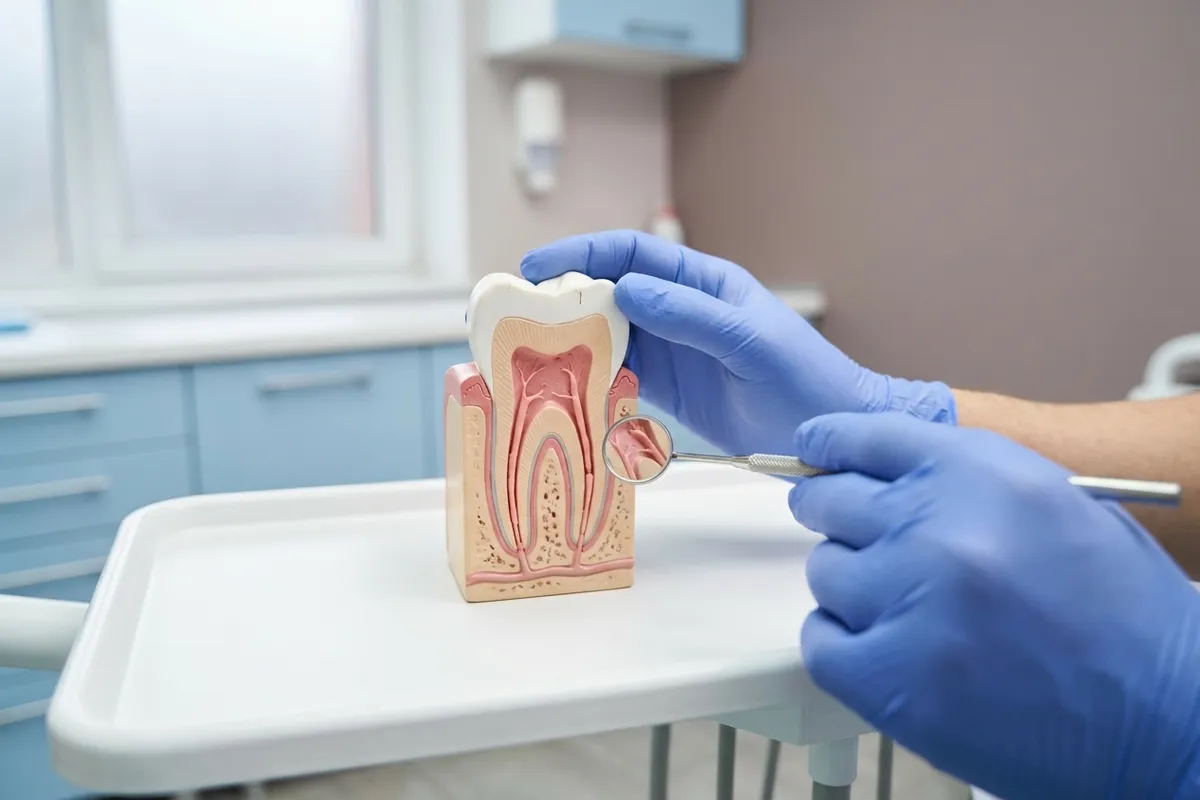
The pulp contains nerves and blood vessels inside the crown and roots. After the pulp is removed, the tooth remains supported by the tissues surrounding its roots, but it needs a sound seal and suitable restoration. Root canal treatment does not rebuild missing outer tooth structure. Whether the tooth can be kept depends on both the internal infection and the condition of what remains.
Why the Pulp May Need Treatment
Deep decay, cracks, repeated dental procedures, or trauma can affect the pulp. Infection may also involve tissues around the root. A filling on the outside does not resolve every internal problem. The assessment considers the root, remaining tooth structure, and whether treatment offers a reasonable way to preserve the tooth.
A tooth can need internal treatment despite having no visible cavity at the front. Its pulp is enclosed inside the crown and roots, so problems there are assessed differently from surface enamel damage. Conversely, a sensitive tooth does not automatically need a root canal. The important distinction is whether the pulp can recover or requires treatment, together with whether the tooth can be restored afterward.
- Inflamed or infected pulp may require treatment even when the outer part of the tooth appears mostly intact.
- Cleaning and sealing the canals addresses the internal problem; a later restoration protects the tooth for everyday use.
- Keeping a restorable natural tooth may avoid an extraction and replacement, but prognosis depends on cracks, structure, and surrounding support.
Symptoms and Whether a Tooth Can Be Saved
Lingering temperature sensitivity, pain when biting, swelling, or a darkened tooth can be clues, but symptoms vary and some affected teeth cause little pain. Tell your dentist about previous injuries and treatments. Spreading swelling or difficulty breathing or swallowing requires urgent medical attention rather than waiting for a routine dental visit.
Some teeth with diseased pulp cause little pain, while pain from another area may feel as though it comes from the wrong tooth. The dentist therefore combines your account with tests and imaging. Mention a previous injury even if it happened years ago. Restorability, gum support and the extent of any fracture all influence whether root canal treatment is a reasonable option.
- Mention deep decay, repeated restorations, or a previous injury, including trauma that happened long before the current symptoms.
- Tell your dentist about swelling, a gum bump, lingering heat or cold pain, and discomfort when biting or releasing your bite.
- Ask whether the tooth is restorable before treatment begins; some fractures or extensive structural loss make preservation less predictable.
Treatment Visits and the Final Restoration
The timing depends on symptoms and the condition of the tooth. Treatment may take one or more visits, followed by a separate restoration stage. A temporary filling needs protection between appointments. Do not assume that relief from pain means the tooth is fully restored or that further appointments are optional.
Finding the Source of Tooth Pain
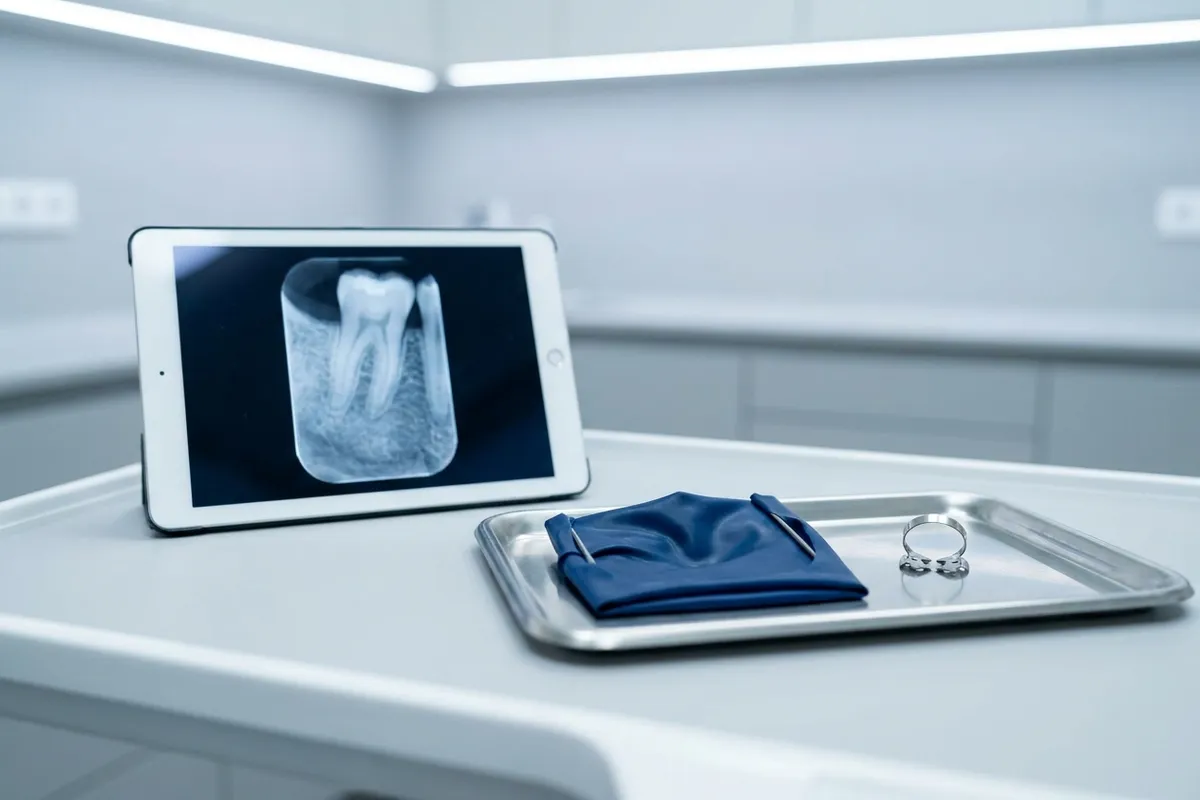
The dental team examine the tooth and surrounding tissues, assess symptoms, and review images of the roots and supporting bone. The amount of remaining structure and any crack affect whether the tooth can be saved. The dental team discuss alternatives and whether an endodontist should assess or treat a complex case.
- Tests of tooth response and selected images help identify the affected tooth; pain alone may not accurately locate the source.
- The tooth is isolated during treatment so the canals can be cleaned and sealed while limiting contamination from saliva.
- Complex anatomy, previous root canal treatment, or an uncertain diagnosis may justify evaluation by an endodontic specialist.
Root Canal Treatment and Alternatives
Local anesthesia is used for comfort, and the tooth is isolated while the affected pulp is removed and the canals are cleaned, shaped, and sealed. A temporary or definitive restoration closes the tooth. The final filling or crown depends on how much structure remains and the forces placed on it.
The main alternative for a tooth that cannot be maintained may be extraction, followed by a separate discussion about the space. A previously treated tooth may sometimes be assessed for retreatment or another endodontic procedure. These are decisions for the specific diagnosis. Compare likely prognosis, appointment stages and restoration needs; retaining a natural tooth is valuable only when it can remain useful and maintainable.
Recovery and Protecting the Treated Tooth
Some tenderness can occur after treatment. Follow instructions for comfort, cleaning, and chewing, and complete the recommended final restoration. Contact the treating clinician about worsening pain, swelling, or a lost temporary filling. The treated tooth can still develop decay or fracture, so daily care and ongoing reviews remain important.
Removing the pulp does not remove all sensation around a tooth. The tissues supporting the root can still feel pressure, which helps explain tenderness on biting after treatment. Follow the recovery advice rather than repeatedly testing the tooth with hard food. At later reviews, the clinician may use examination and selected images to assess the tissues around the roots, not simply whether the original toothache has stopped.
- Protect any temporary filling and avoid heavy biting on the tooth until the recommended final restoration is completed.
- Keep the restoration appointment even if pain improves; root canal treatment and rebuilding the tooth may be separate stages.
- Report worsening pain, swelling, or a lost temporary filling, and seek immediate medical attention if swelling affects breathing or swallowing.

Root canal treatment stages
Saving the tooth involves treating the canals and completing a protective restoration; these may require separate appointments.
Confirm the source of pain
Symptoms, tooth tests and appropriate X-rays help establish whether the pulp is inflamed or infected and whether the tooth can be restored. The dentist discusses alternatives and any need for an endodontic referral.
Clean and seal the canals
With anaesthesia and isolation, the treating clinician removes damaged pulp, cleans and shapes the canals, then fills and seals them. The number of treatment visits depends on the tooth and its condition.
Restore and review the tooth
A suitable permanent filling or crown protects the treated tooth after canal treatment. Avoid heavy chewing on an unrestored tooth and attend recommended reviews to assess symptoms, the restoration and healing around the roots.
Other Services





Questions About Your Care

Save your tooth
Dr. Steven S. Kim accepts new patients and PPO plans in Riverside. Contact us to schedule your root canal treatment.
Why patients choose Riverside West Dental
Dr. Steven S. Kim brings 30 years of experience to Riverside West Dental Group.
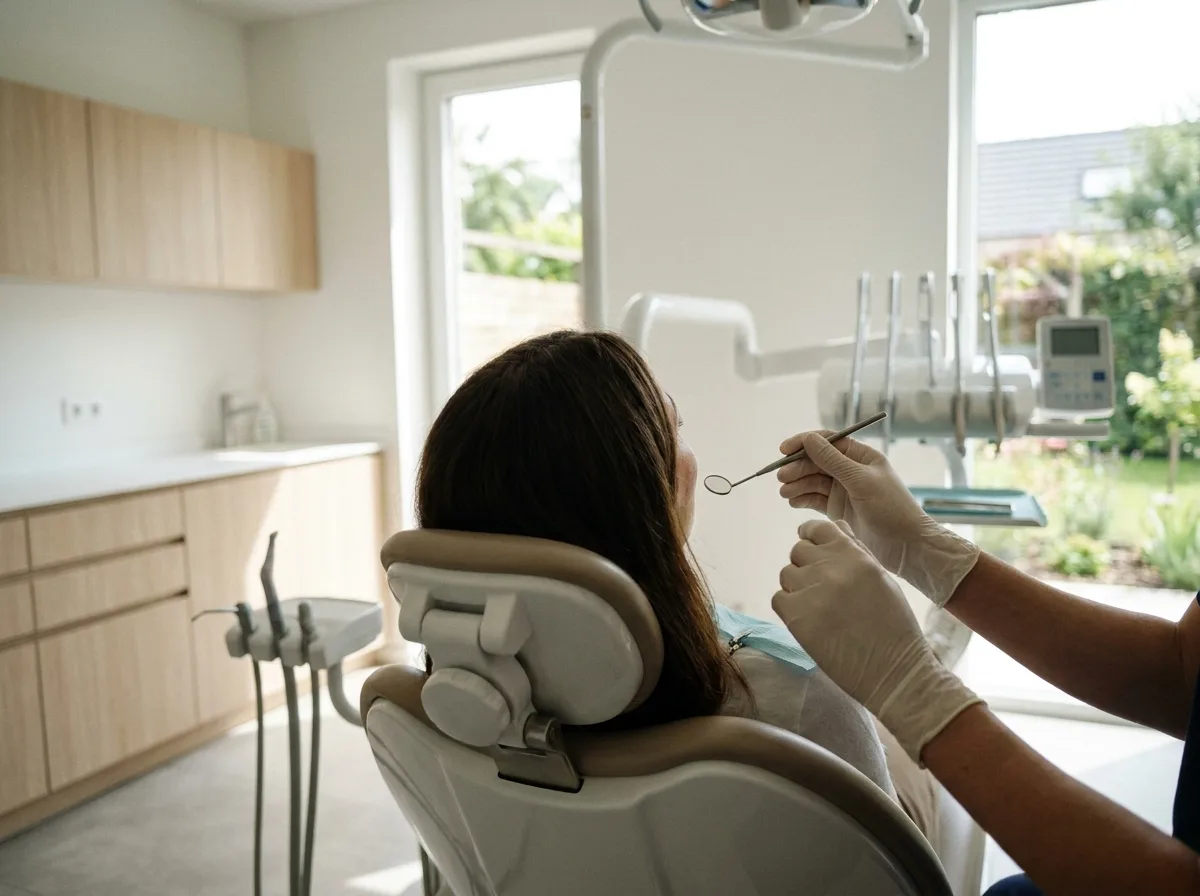
Experienced doctor
Dr. Kim provides efficient care for routine checkups and complex cases.
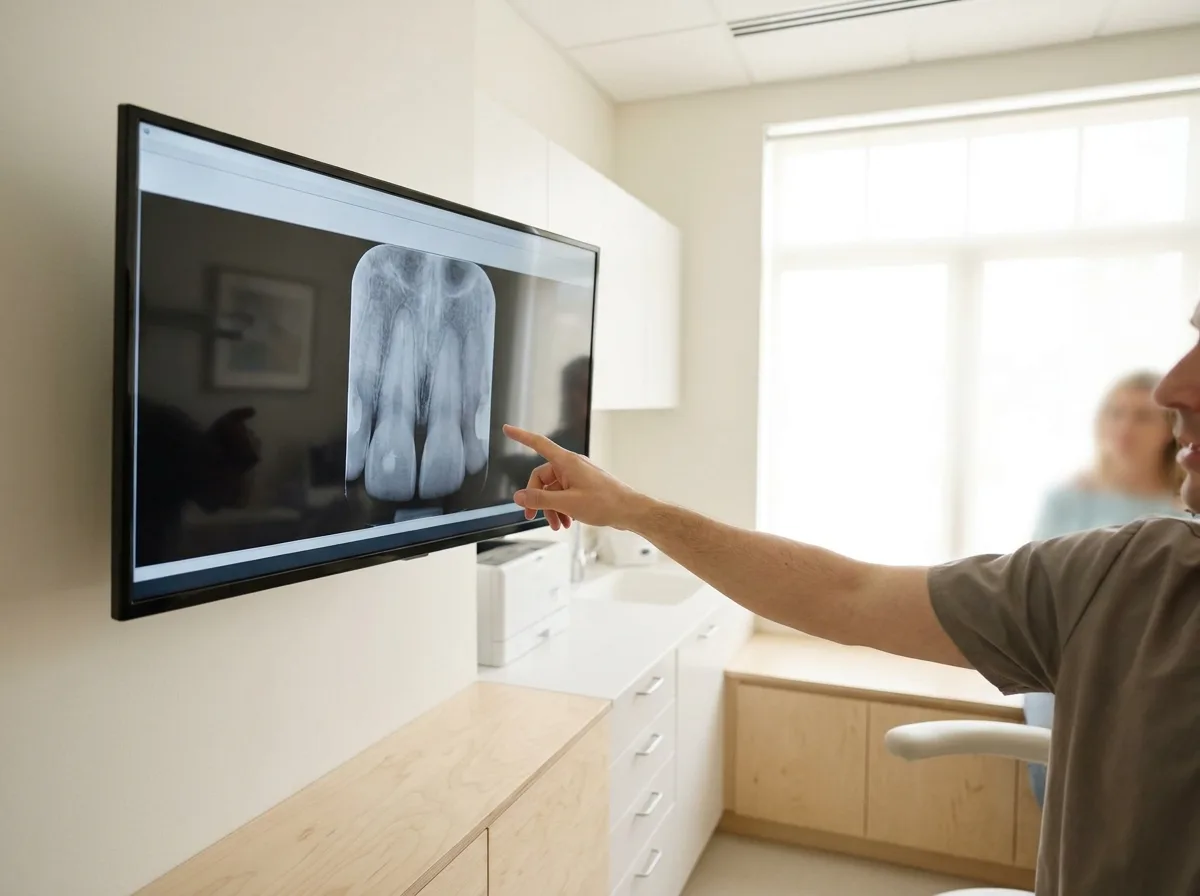
Clear explanations
You hear every finding in plain words before a plan is made.

Consistent care
You see the exact same dentist every time you visit our office.
We're waiting for you in Riverside
6945 Streeter Ave
Riverside, CA 92504
- Monday, Thursday and Friday
- 9:00AM – 6:00PM
- Tuesday, Wednesday and the weekend
- Closed