Checkups and Cleanings in Riverside
Dr. Steven S. Kim provides routine checkups and cleanings in Riverside. You see the same dentist every time you visit. We explain every finding in plain words before we plan any work. We accept PPO insurance to help cover your preventive care.
What an Exam and Cleaning Can Do
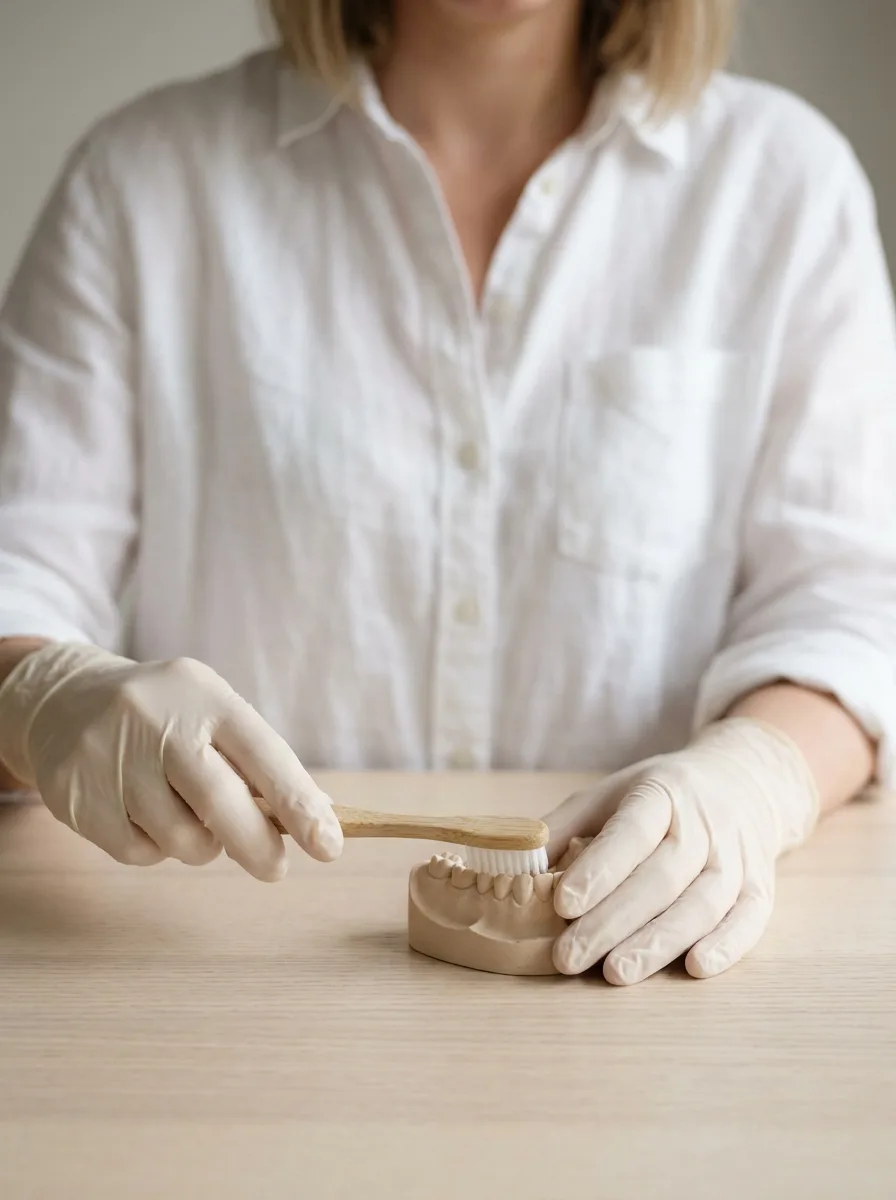
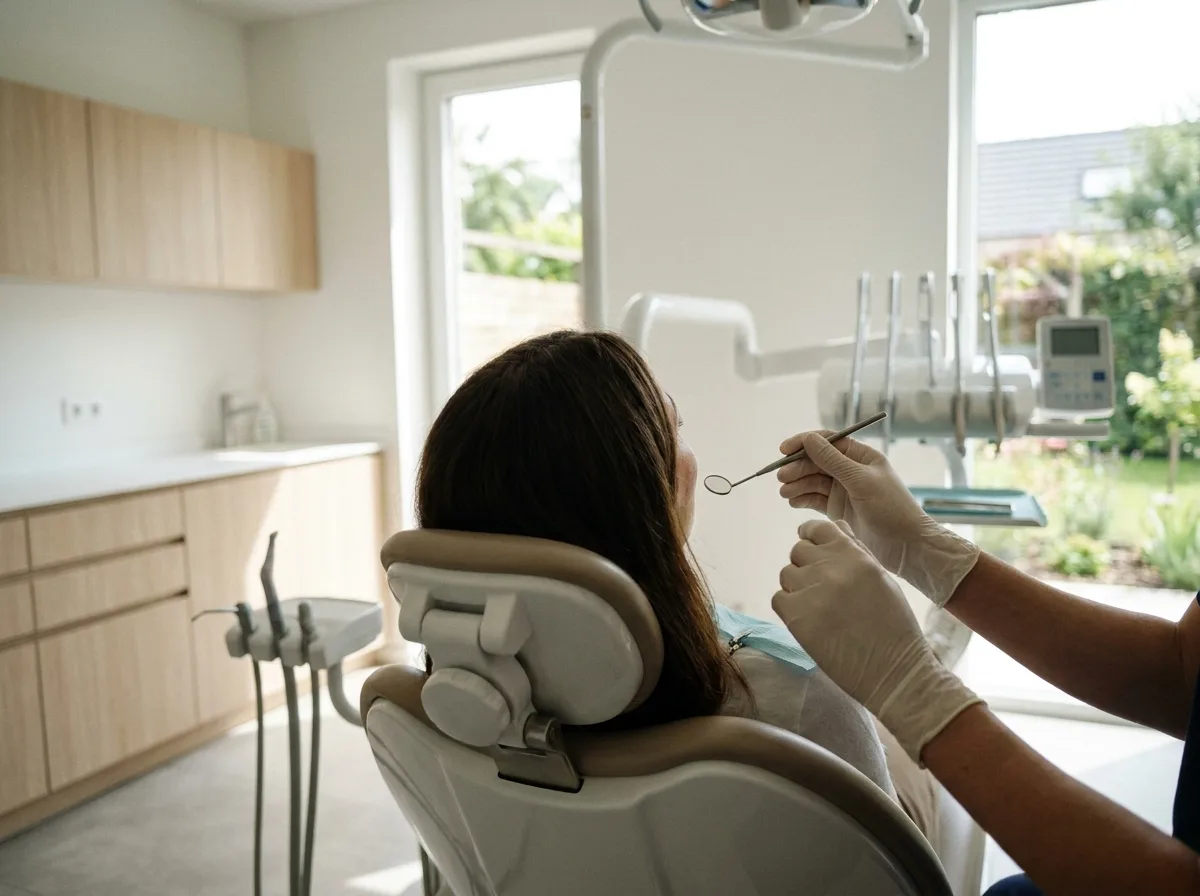
An examination checks your teeth, gums, mouth, and existing dental work. A cleaning removes plaque and hardened tartar that home brushing cannot always manage. Together they support prevention and help identify concerns before they become painful. After assessment, the findings guide a plan for your individual needs.
The examination and the cleaning answer different questions. An exam looks for changes in tooth surfaces, supporting tissues and the rest of the mouth; cleaning removes deposits rather than diagnosing every cause of discomfort. A polished tooth can still have decay between its neighbours. Equally, a tooth that looks stained may need cleaning rather than a filling. Findings should guide the next step.
Why Preventive Visits Matter
Decay, gum inflammation, and damaged restorations can develop without obvious symptoms. Professional cleaning also reaches deposits you cannot remove with a toothbrush. A routine visit gives you time to discuss changes, review your home care, and understand which findings need treatment or monitoring rather than assuming every visit requires a procedure.
A routine appointment can also review how older dental work is holding up. A crown that feels comfortable may still have a vulnerable edge, and a filling may become difficult to clean when its contact changes. Tell the dentist about food trapping rather than simply accepting it as normal. Checking these details helps distinguish a home-care problem from something that needs repair.
- Early cavities may have no symptoms; an examination can identify areas needing prevention, monitoring, or a restorative discussion.
- Tartar at the gumline cannot reliably be removed with home brushing and may contribute to ongoing irritation.
- Existing fillings and crowns need checks for damage and problems at their edges, even when they still feel comfortable.
Changes to Mention at Your Visit
Tell your dentist about bleeding gums, tooth sensitivity, food catching, broken dental work, or discomfort when chewing. Bring questions about medicines that make your mouth dry and areas you struggle to clean. A nonhealing sore or new change in your mouth deserves assessment even if your next routine appointment is not yet due.
People with a history of periodontal treatment may need maintenance that differs from a standard preventive cleaning. Exposed roots, a dry mouth and difficulty using an interdental tool can also change the plan. Bring any appliance you wear and mention recent medicines. The team can adapt practical advice to the surfaces you need to clean instead of recommending the same routine to everyone.
- Mention frequent cavities, dry mouth, or new medicines so the visit can include prevention suited to your risk.
- Describe bleeding, tooth movement, or previous gum treatment; routine cleaning and periodontal maintenance are different types of care.
- Tell your dentist if anxiety, a sensitive gag reflex, or difficulty sitting comfortably makes a dental visit harder for you.
Choosing Your Recall Schedule
Recall timing depends on cavity risk, gum health, previous treatment, and new symptoms. Many people attend about twice a year, while others need a different schedule. If you have missed visits, start with an examination. New pain, swelling, or injury should be assessed promptly instead of waiting for a routine recall.
Checking Teeth, Gums and Existing Work
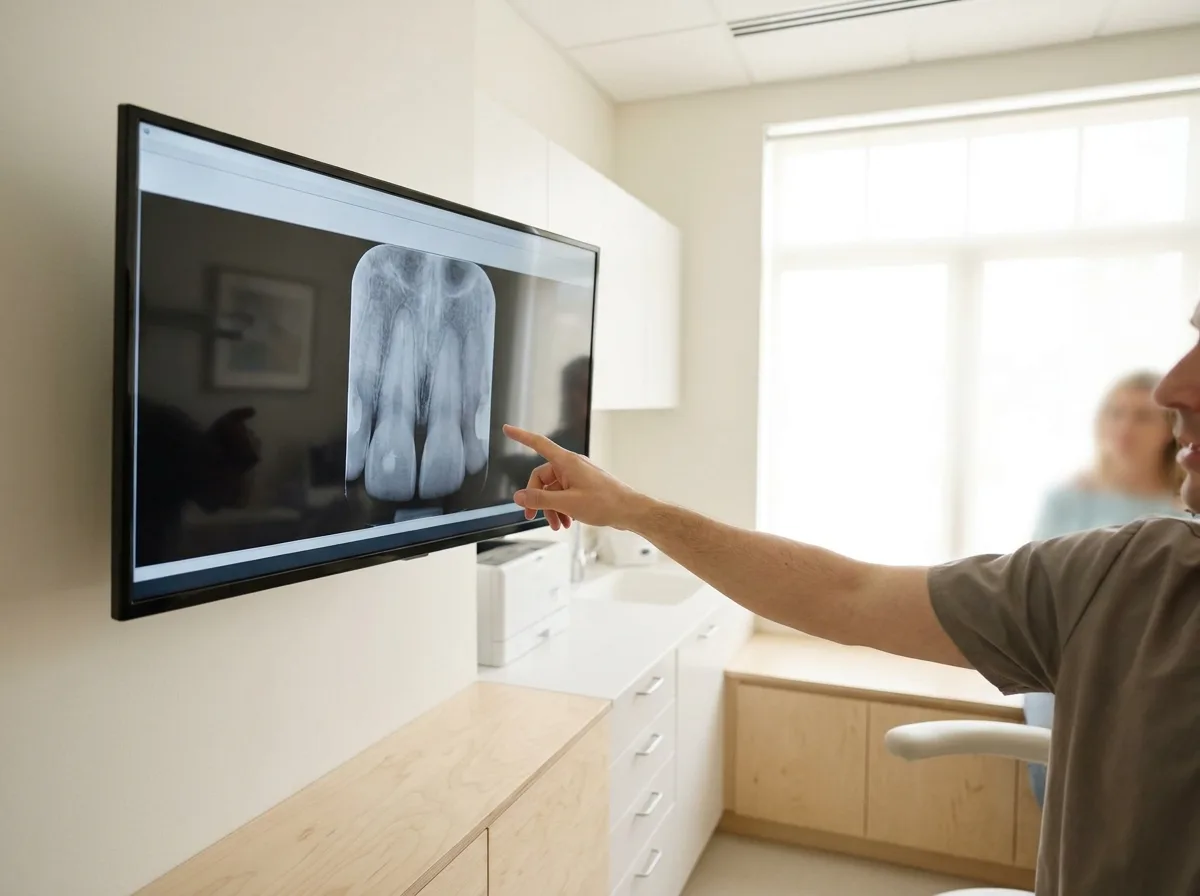
The dental team review your health history and medications, examine teeth and oral tissues, and assess gum health and existing restorations. Gum measurements help distinguish routine cleaning from periodontal care. X-rays are recommended when they answer a useful clinical question. The dental team explain the findings and discuss any priorities for further treatment.
- Tooth surfaces and existing restorations are assessed alongside gum tissues; the examination is broader than a search for cavities.
- Gum measurements help establish whether deposits and inflammation call for routine cleaning or a separate periodontal treatment plan.
- Ask which findings need attention now, which can be watched, and how the next recall interval was chosen.
Routine Cleaning or Additional Care?
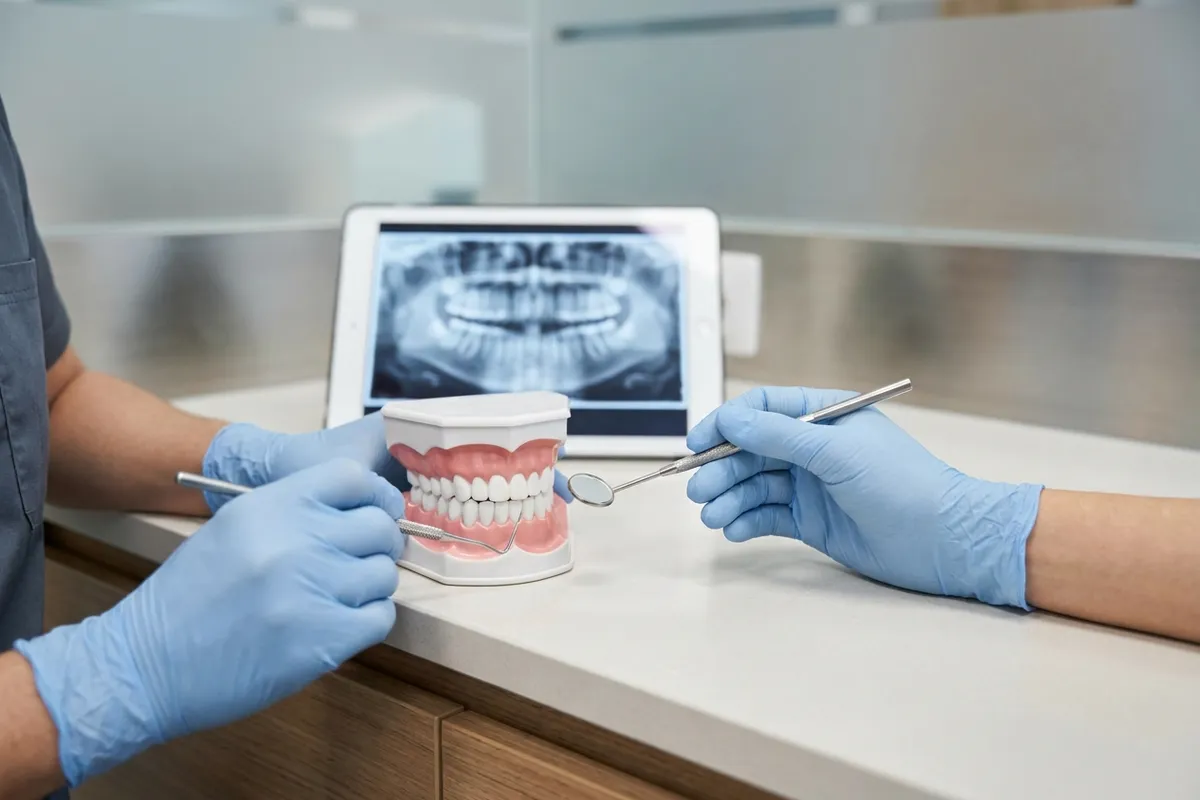
Your visit may include scaling and polishing, advice on daily cleaning, and preventive treatments when indicated. If gum disease or decay is found, the dental team explain why a different type of care is needed. You can compare options and ask about appointment stages and costs before scheduling additional treatment.
If a separate treatment is recommended, ask what the examination found and what the proposed care is intended to achieve. A routine cleaning does not replace treatment for established periodontal disease, and polishing does not repair a cavity. Some early changes may be monitored with prevention. Knowing the distinction makes it easier to plan follow-up and understand why another visit may be necessary.
Maintaining Health Between Visits
Continue brushing with fluoride toothpaste and cleaning between teeth daily. Follow advice for sensitive areas or inflamed gums and contact the treating clinician about persistent discomfort. Your next visit should reflect the examination findings. An apparently healthy checkup still calls for ongoing home care and monitoring as health and risk change.
Use the visit to check whether your everyday cleaning method reaches the areas that matter. The best interdental tool depends on the spaces between teeth and any bridges or appliances. A professional demonstration can reveal where your usual technique misses plaque. Keep a note of continuing bleeding or sensitivity, since a change that persists may need assessment before the next scheduled recall.
- Review any brushing or interdental technique demonstrated during the visit and ask for a simpler tool if necessary.
- Keep track of sensitivity or bleeding that persists after the visit instead of assuming another cleaning will resolve it.
- Arrange the recommended recall and return sooner for a broken restoration, swelling, or a new sore that does not heal.
Your checkup and cleaning process
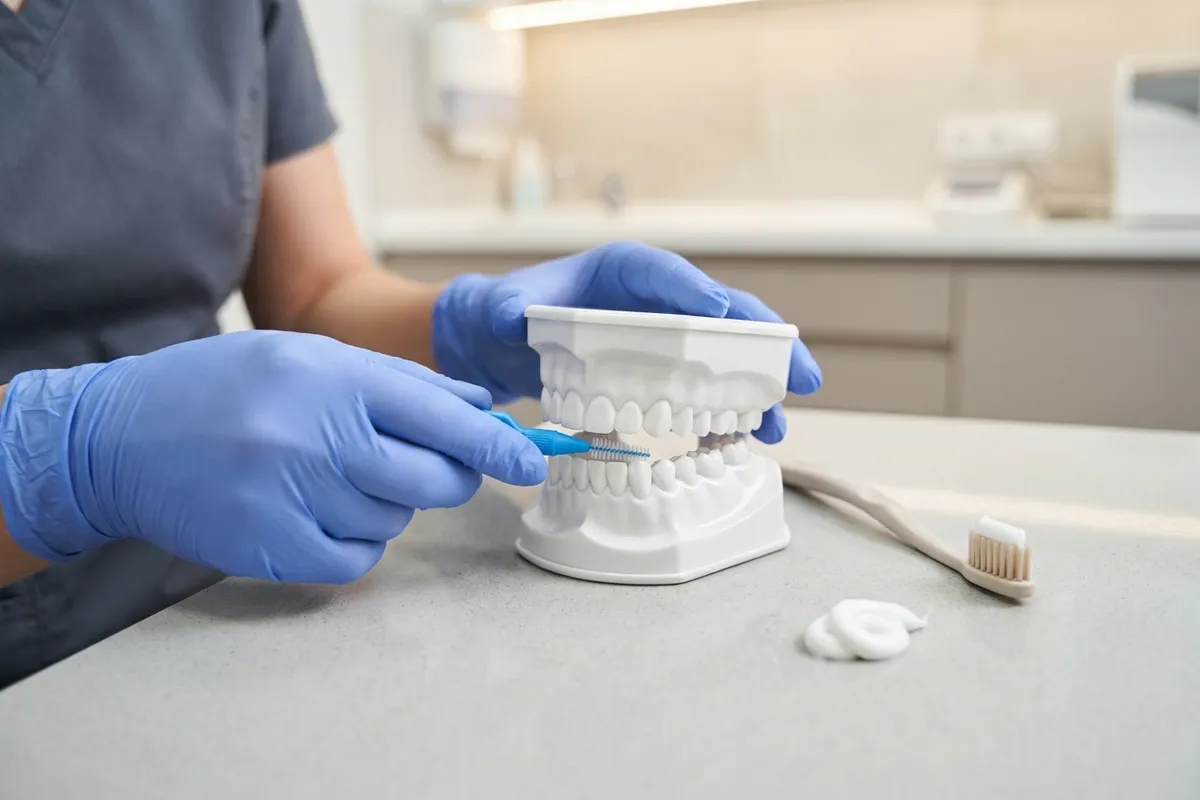
A preventive visit connects an examination, professional cleaning and a plan for caring for your teeth between visits.
Examine teeth and gums
Share any pain, bleeding or changes since your last visit. The examination checks for decay, gum problems and worn restorations; X-rays are considered when your history or findings make them useful.
Remove plaque and tartar
Professional cleaning removes deposits that brushing cannot reach or remove. If the examination identifies gum disease needing deeper treatment, the dental team explains that separate care rather than relying on a routine cleaning.
Plan prevention and recall
Review the findings, any treatment needed and practical brushing or interdental-cleaning advice. Your next checkup interval reflects your cavity and gum-disease risk, rather than a schedule that is identical for everyone.
Other Services



Questions About Your Care

Schedule your next checkup
Riverside West Dental Group is accepting new patients. Call our office to book your visit.
Why patients choose Riverside West Dental
Dr. Steven S. Kim brings 30 years of experience to Riverside West Dental Group.
Experienced doctor
Dr. Kim provides efficient care for routine checkups and complex cases.
Clear explanations
You hear every finding in plain words before a plan is made.
Consistent care
You see the exact same dentist every time you visit our office.
We're waiting for you in Riverside
6945 Streeter Ave
Riverside, CA 92504
- Monday, Thursday and Friday
- 9:00AM – 6:00PM
- Tuesday, Wednesday and the weekend
- Closed