Oral Surgery in Riverside
Oral surgery covers the procedures that go beyond a filling or a cleaning: removing teeth, preparing the jaw for implants, and treating problems in the gums and bone.
What Falls Within Oral Surgery
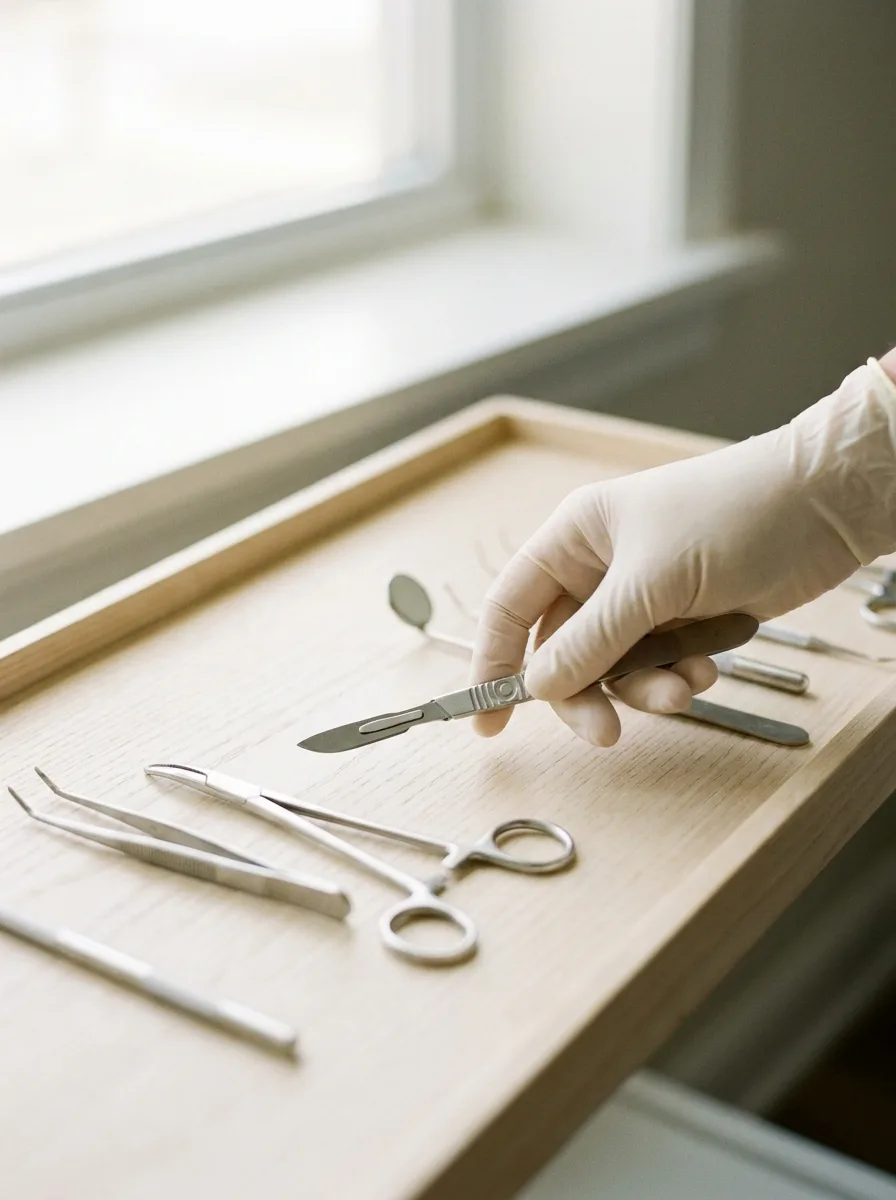
Oral surgery includes selected procedures involving teeth, gums, or jawbone that need more than routine restorative care. An extraction, graft, or another surgical plan starts with a diagnosis. The exact procedure, comfort measures, and need for specialist involvement depend on your condition and medical history.
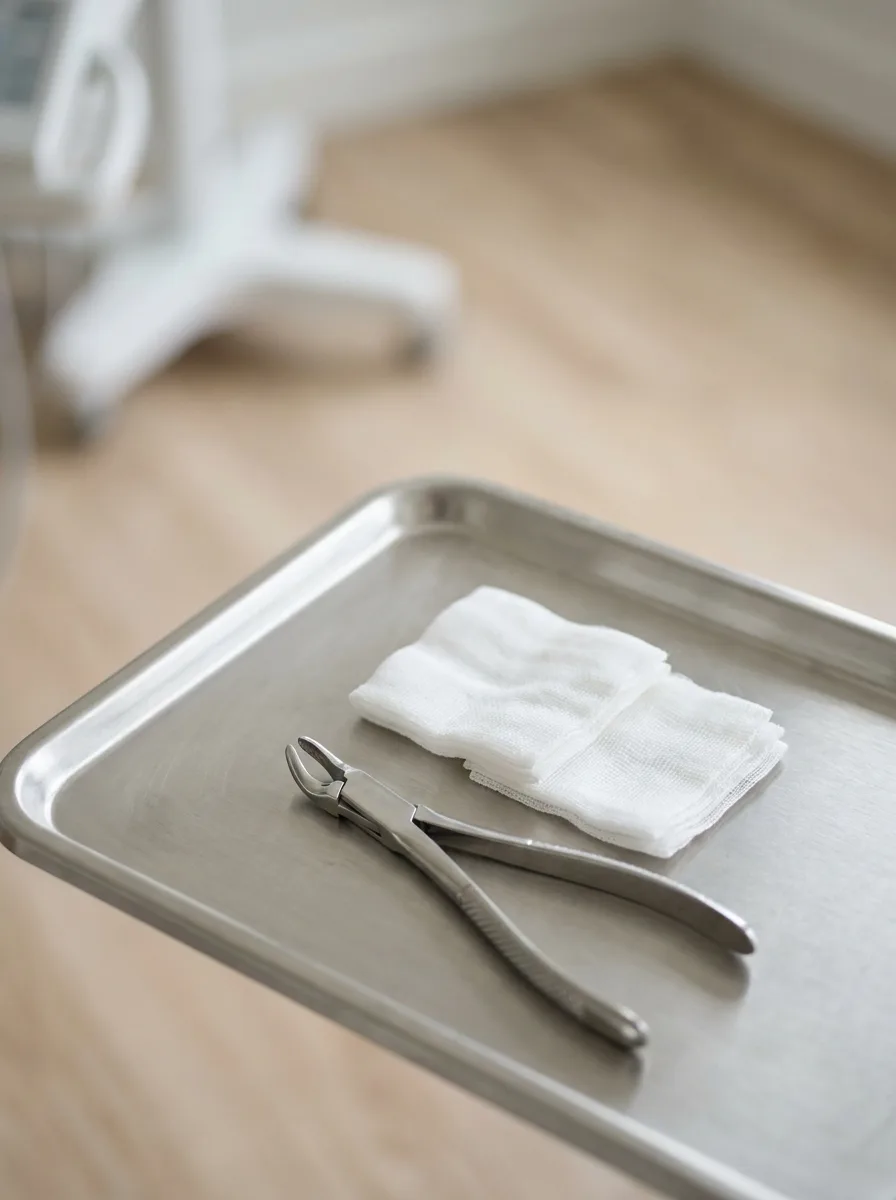
The procedures described in Riverside’s existing service catalogue include removal of teeth, implant placement and selected bone or gum procedures. Each has a separate clinical aim and recovery plan. A consultation should identify the exact operation being considered. General information about oral surgery cannot establish that every procedure, anaesthetic option or complex case is managed in the same setting.
Why a Surgical Approach May Be Needed
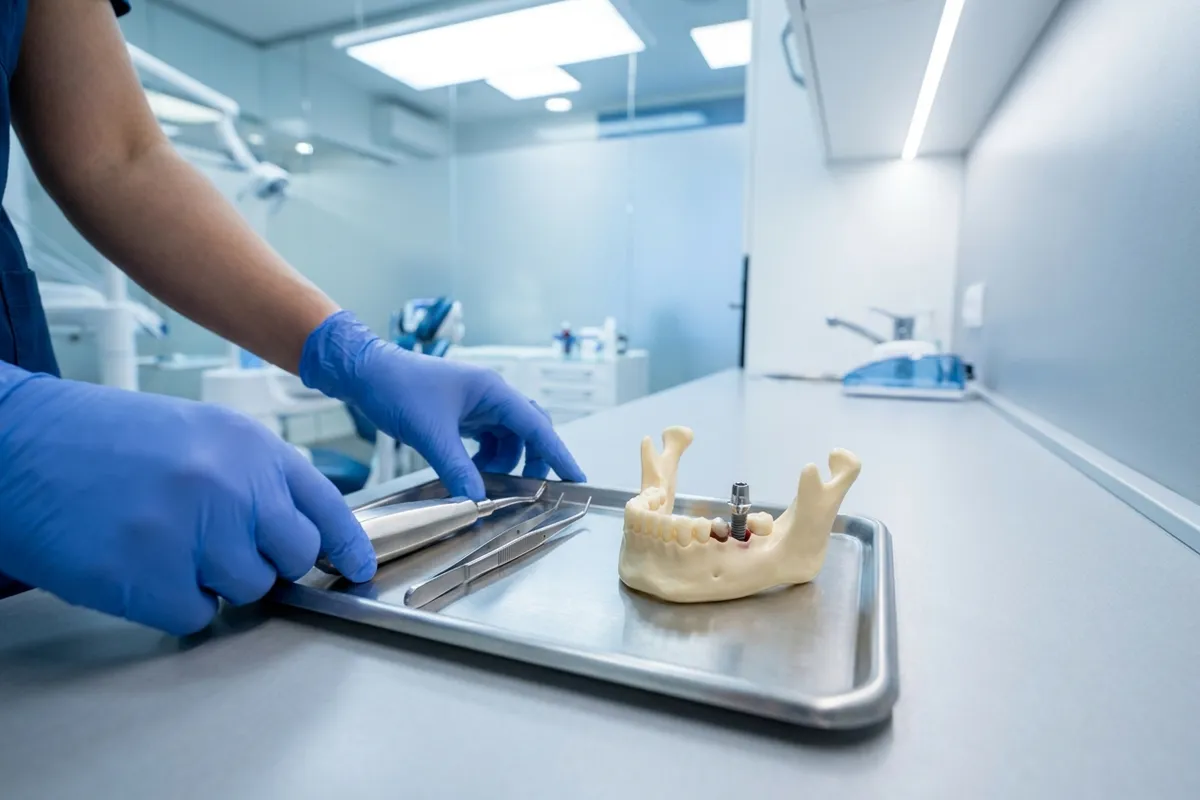
A tooth that cannot be restored, an impacted tooth, or a deficient site for later replacement may require surgical care. Different problems call for different techniques. The dental team explain what the procedure is intended to achieve and whether conservative treatment, monitoring, or another option should be considered before surgery.
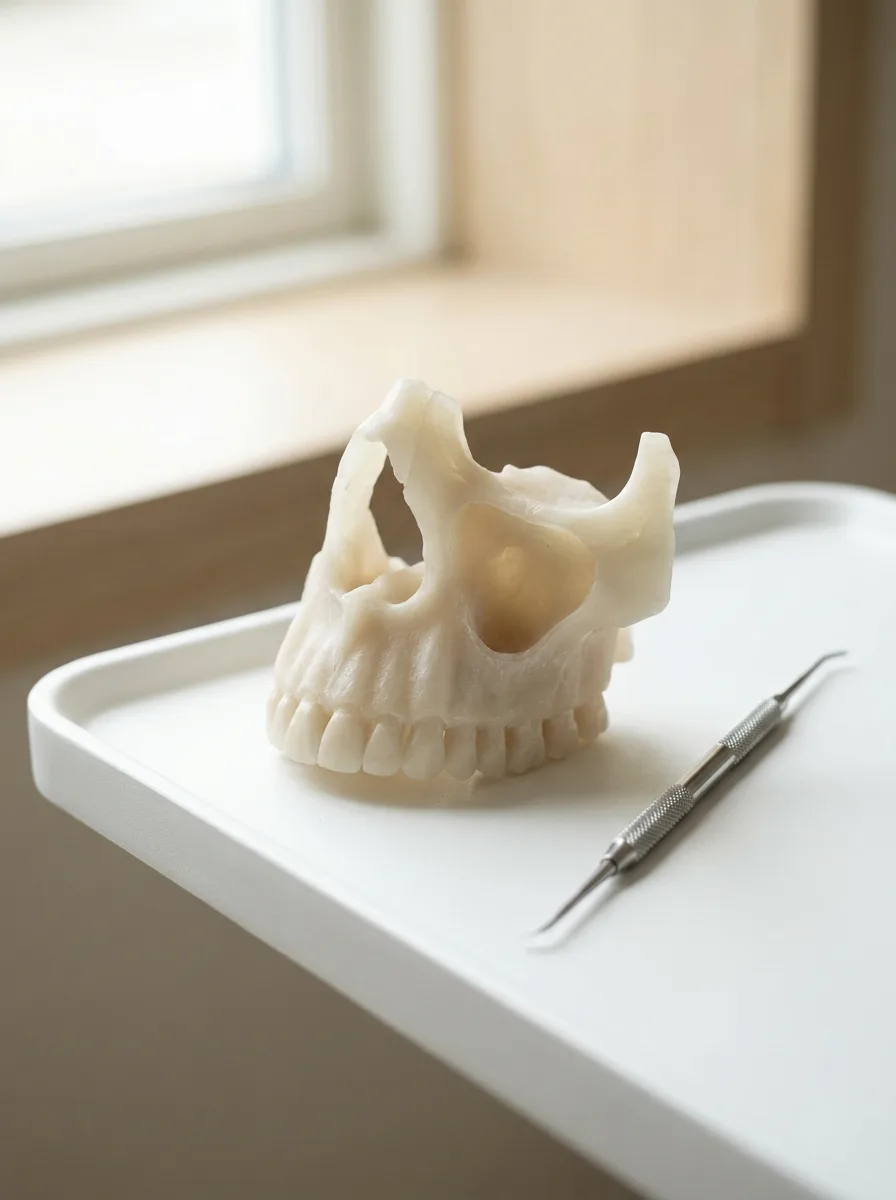
Surgery may treat current disease or prepare for an optional later restoration. Those purposes should be clear before a decision is made. An extraction, for example, removes a tooth, while a graft may support a future implant plan. Ask which part addresses the diagnosed problem, what would happen with monitoring and whether a conservative treatment could meet the goal.
- An unrestorable tooth or complex root position can require surgical care beyond the steps used for a straightforward extraction.
- Selected bone procedures may prepare a site for future replacement rather than treating an immediate pain complaint.
- The decision should identify the actual diagnosis and purpose of surgery, including whether monitoring or a conservative option is reasonable.
Symptoms and Medical Factors to Discuss
Describe pain, swelling, injury, jaw symptoms, and previous treatment. Bring details of medical conditions, medications, allergies, and past anesthesia or healing problems. Rapidly spreading swelling, uncontrolled bleeding, or difficulty breathing or swallowing needs urgent medical attention rather than waiting for a routine surgical consultation.
Previous surgery, difficult healing, allergies and reactions to anaesthetic can change preparation. Bring medicines and supplements rather than relying on memory, particularly if you take blood thinners or drugs affecting bone. The team may coordinate with your physician. Medical factors influence the plan without automatically ruling out surgery, and prescribed medicines should never be changed independently in anticipation of treatment.
- Describe swelling, injury, recurring infection, or a broken tooth, and bring information about previous procedures in the area.
- Share your complete medication list, allergies, medical conditions, and past anesthesia or bleeding problems before planning the appointment.
- Ask whether the proposed procedure needs specialist facilities or referral and how subsequent restorative care will be coordinated.
Preparation for the Specific Procedure
Scheduling depends on urgency and the proposed procedure. You may need imaging, medical coordination, or a specialist assessment before treatment. Follow the preparation instructions for your specific plan; fasting and transport needs depend on anesthesia arrangements. Do not stop prescribed medicines on your own.
Diagnosis, Imaging and Specialist Assessment
The dentist examines the affected area, reviews health history, and uses appropriate images to understand roots, bone, and nearby structures. The dental team discuss the diagnosis, treatment choices, risks, and anticipated stages. Referral is explained when the case requires a specialist or facilities suited to the planned care.
- Examination and appropriate imaging establish the location and relationship to adjacent teeth, bone, nerves, or other structures when relevant.
- Discuss the exact procedure, reasonable alternatives, site-specific risks, and whether a temporary tooth or appliance is part of the plan.
- Clarify anesthesia arrangements, preparation, transport needs, and whom to contact after surgery; these depend on your actual treatment plan.

Choosing Surgery or Another Approach
The technique follows the diagnosis, and local anesthesia or other appropriate comfort measures are discussed beforehand. Sedation is not assumed for every procedure or patient. The dental team explain the planned work, any temporary arrangements, and what should happen next so that you can prepare for the day and recovery period.
The alternatives depend on the diagnosis, not on the broad label of oral surgery. Saving a tooth, monitoring an asymptomatic finding or choosing another replacement may be reasonable in selected cases. Discuss benefits, site-specific risks, anaesthesia and follow-up. Confirm whether specialist referral is needed and how surgical care will connect with any subsequent restorative treatment before arranging the appointment.
Procedure-specific Recovery and Follow-up
Written instructions address cleaning, food, activity, and medicines for the procedure performed. Keep the scheduled reviews and contact the treating clinician for worsening symptoms or concerns about healing. Persistent bleeding, fever, or spreading swelling needs prompt attention. The next stage of care may depend on an examination of the healed site.
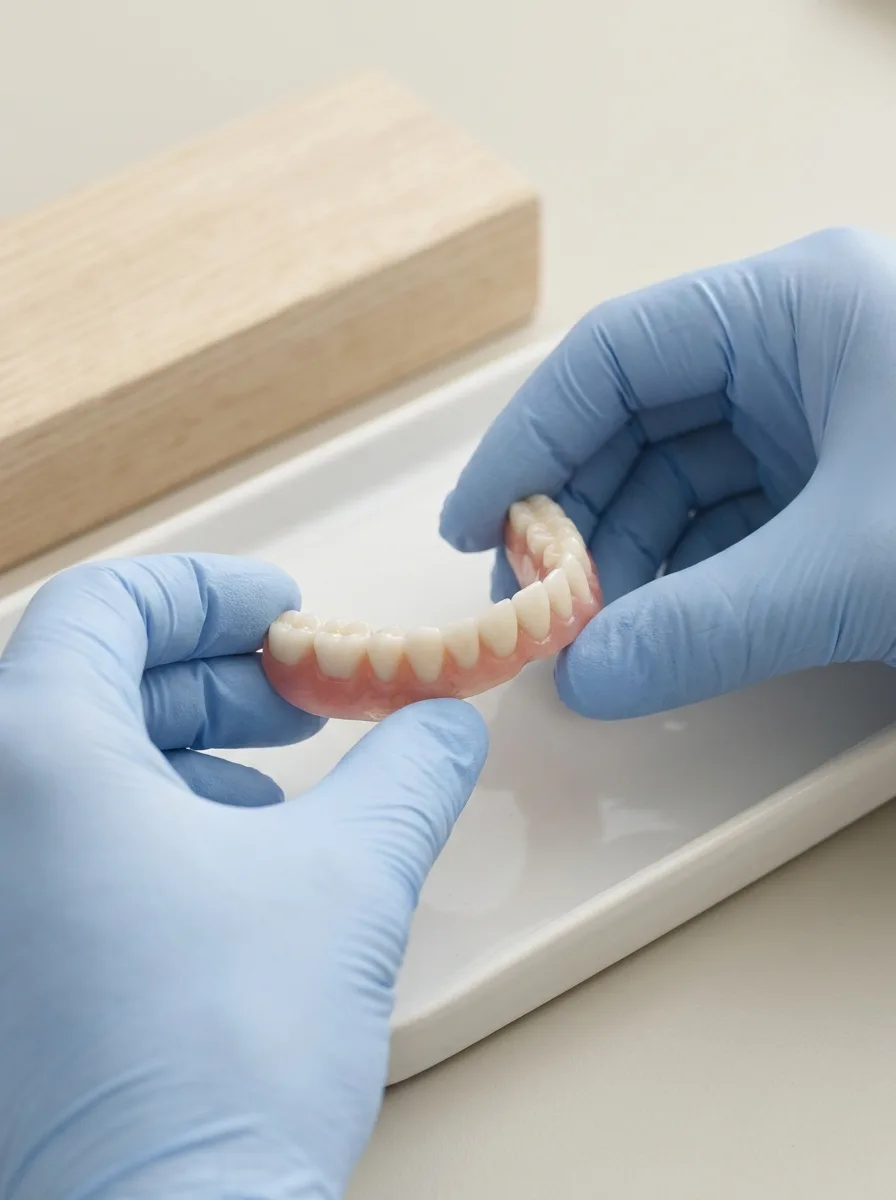
If a temporary denture or other removable appliance is part of the plan, clarify whether and when it should be worn over the surgical area. A fit that was comfortable before surgery can feel different with swelling or stitches. Bring it to the review if it presses on the wound. The surgeon can assess both the site and the appliance rather than relying on symptoms alone.
- Follow written instructions on bleeding control, food, cleaning, activity, and medicines, and avoid improvising changes based on another person's recovery.
- Keep scheduled reviews so stitches, healing, and readiness for any later treatment can be assessed by the treating clinician.
- Seek prompt advice for worsening pain, fever, or persistent bleeding, and emergency medical care for breathing or swallowing difficulty.

Oral surgery, step by step
The exact procedure determines the preparation and recovery plan; surgical care is arranged around the diagnosis and its complexity.
Define the surgical problem
Examination, relevant imaging and medical history establish what needs treatment and whether surgery is appropriate. Discuss alternatives, nearby structures at risk and whether the case requires a specialist's assessment.
Prepare for the planned procedure
The treating team explains the surgical approach and confirms preparation for the anaesthesia selected for your case. The procedure then follows that plan; transport, eating and medication instructions depend on the actual treatment and anaesthesia.
Follow the recovery and review plan
Use the wound-care, diet and activity instructions provided for your surgery. Attend scheduled reviews and seek advice for worsening symptoms or uncontrolled bleeding; additional restorative or implant care is arranged when the surgical site is ready.
Other Services











Questions About Your Care

Request your appointment today
Riverside West Dental Group is accepting new patients. We greet you by your first name and treat you like family.
Why patients choose Riverside West Dental
Dr. Steven S. Kim brings 30 years of experience to Riverside West Dental Group.
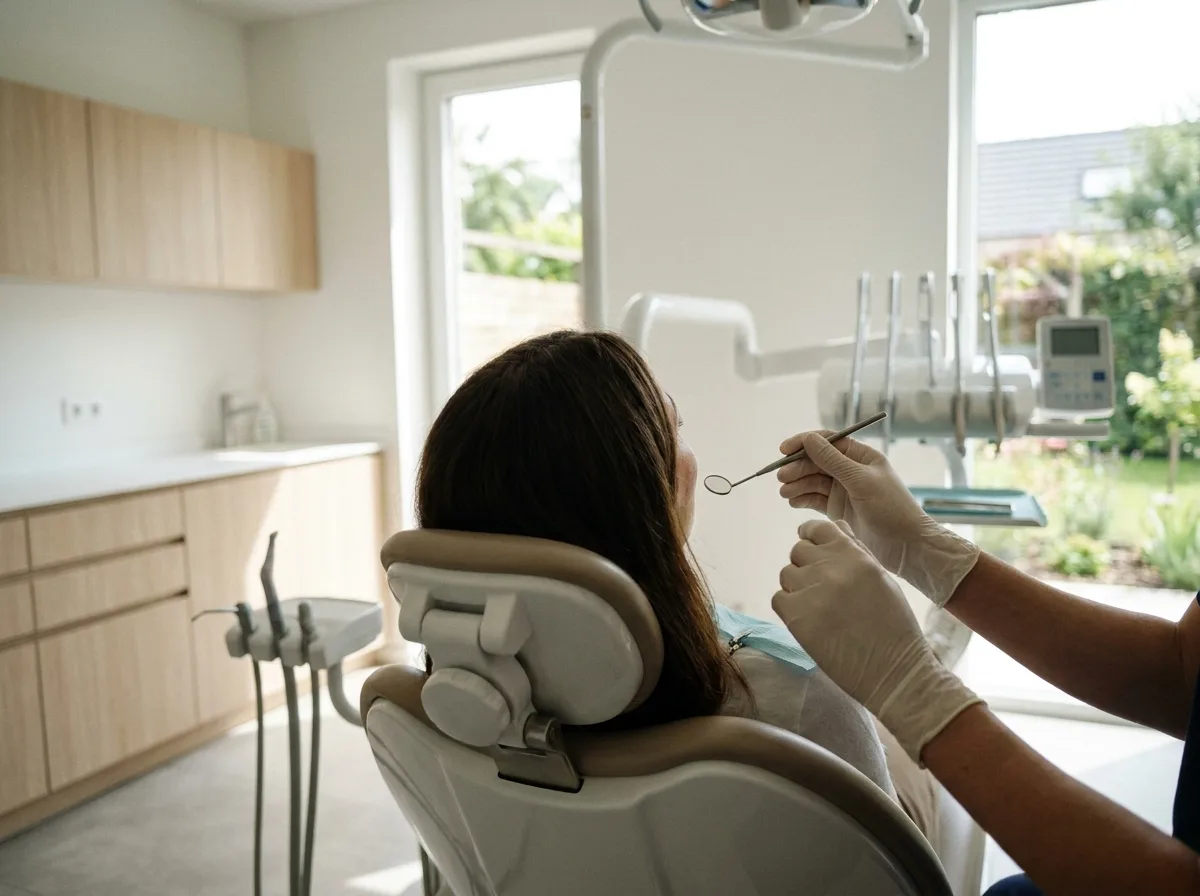
Experienced doctor
Dr. Kim provides efficient care for routine checkups and complex cases.
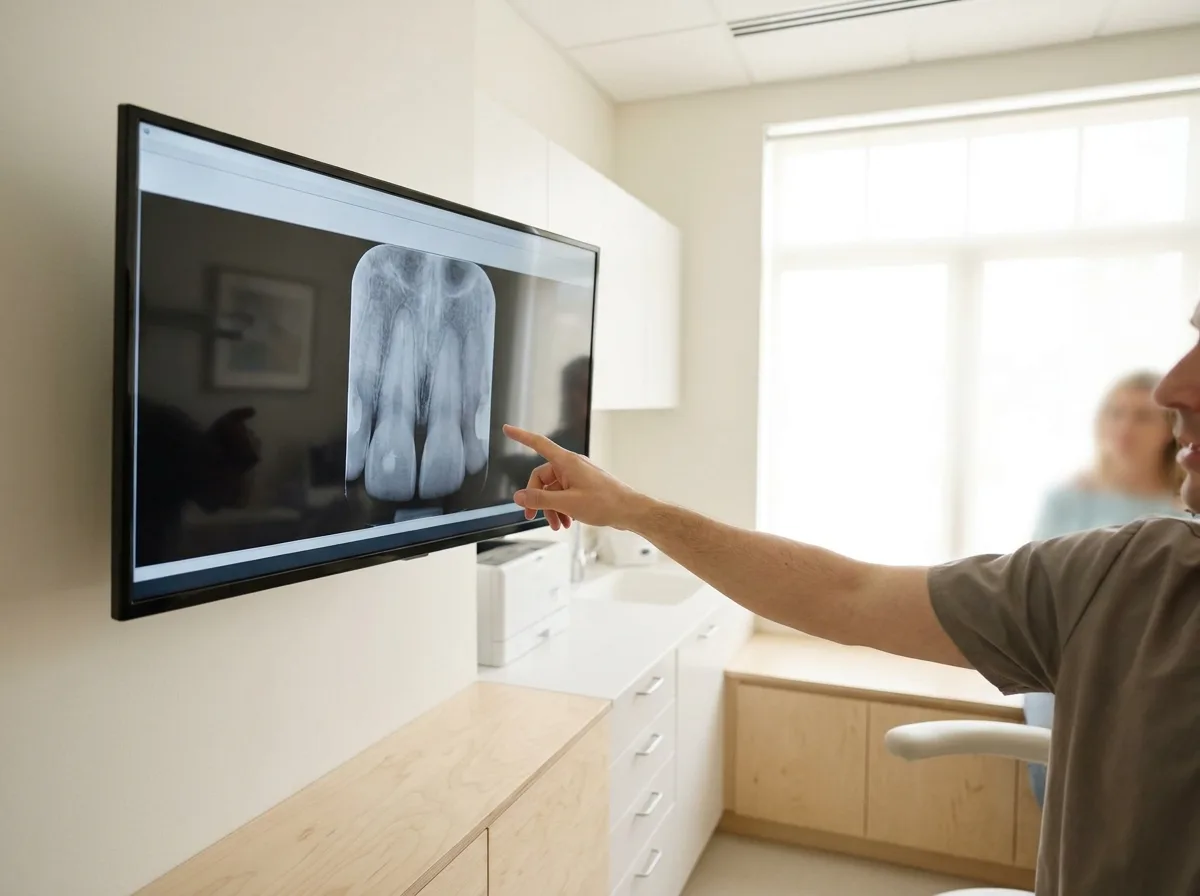
Clear explanations
You hear every finding in plain words before a plan is made.

Consistent care
You see the exact same dentist every time you visit our office.
We're waiting for you in Riverside
6945 Streeter Ave
Riverside, CA 92504
- Monday, Thursday and Friday
- 9:00AM – 6:00PM
- Tuesday, Wednesday and the weekend
- Closed