Dentures in Riverside
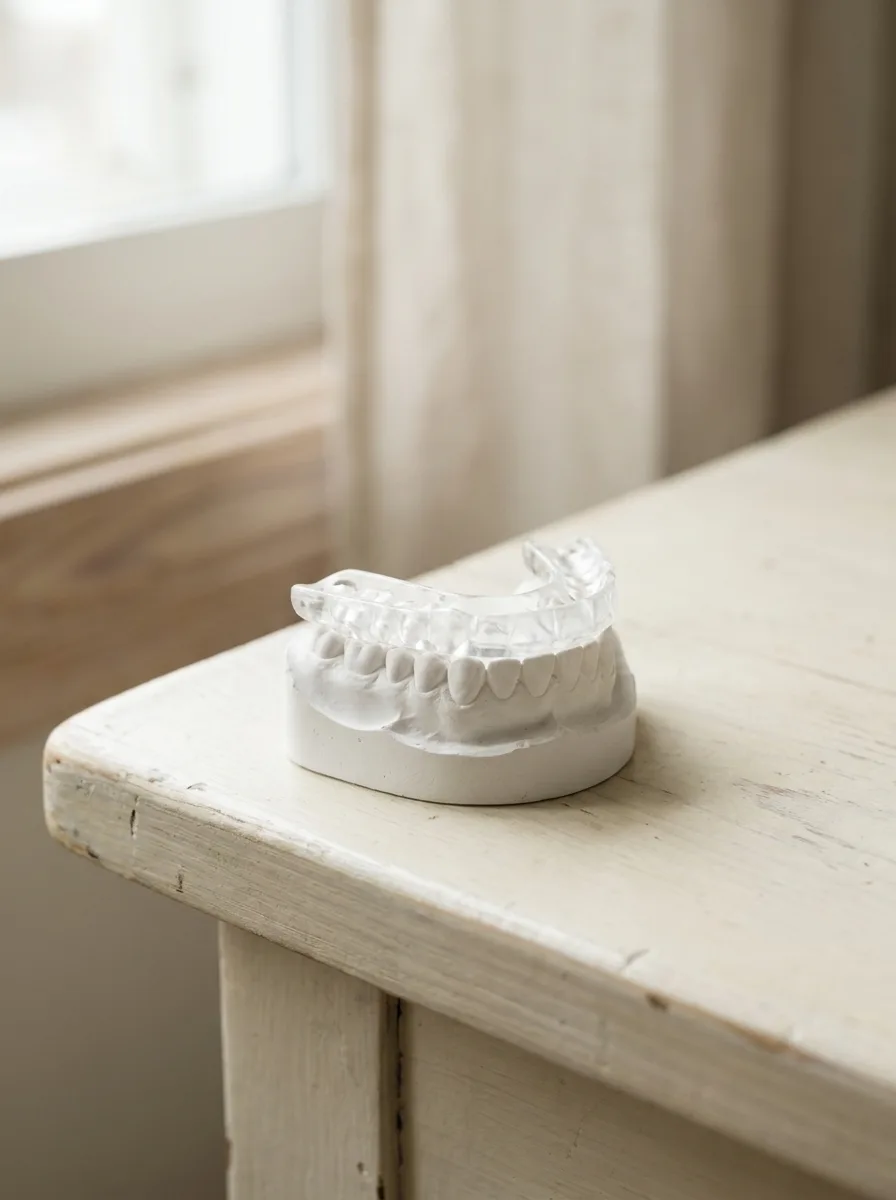
When needed, a set of false teeth can be customized to your mouth. At Riverside West Dental Group we take an impression of your mouth and work with quality labs to produce dentures that comfortably fit.
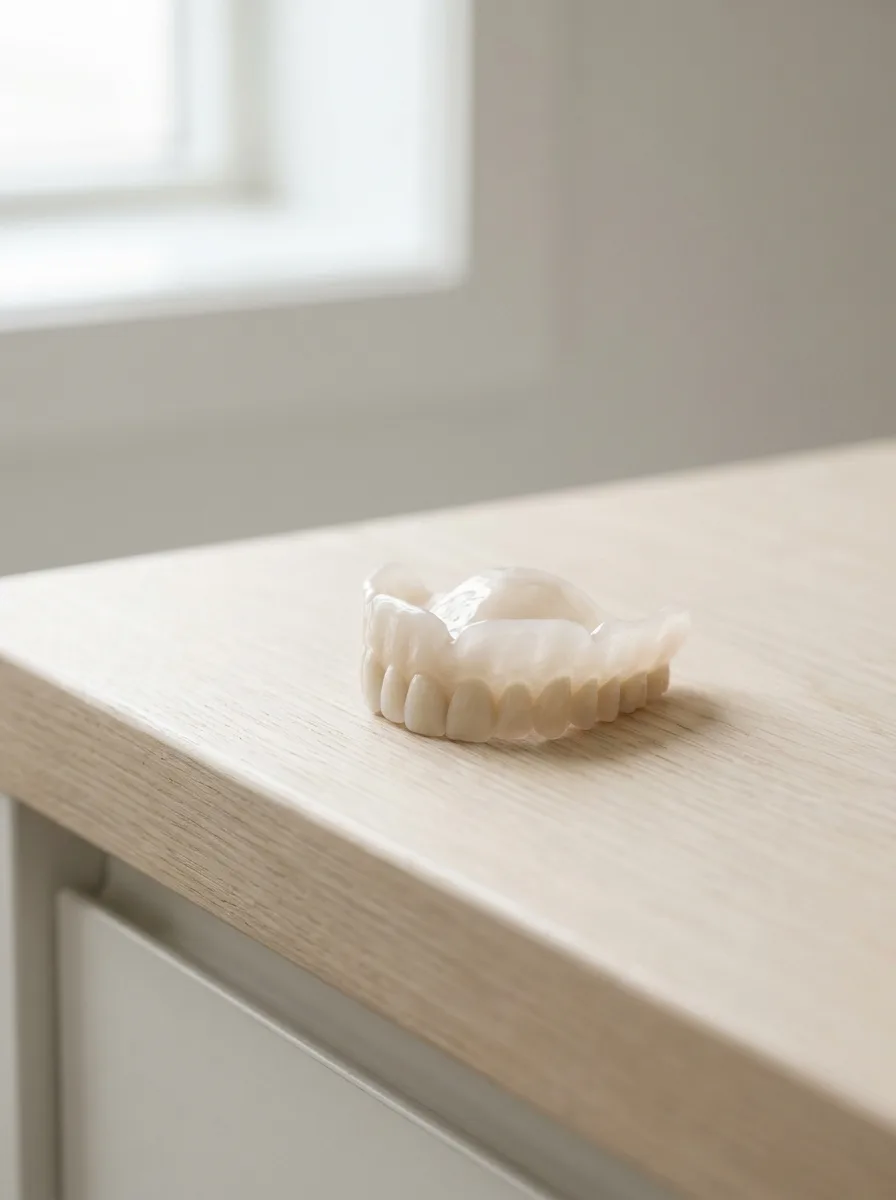
What Complete and Partial Dentures Replace
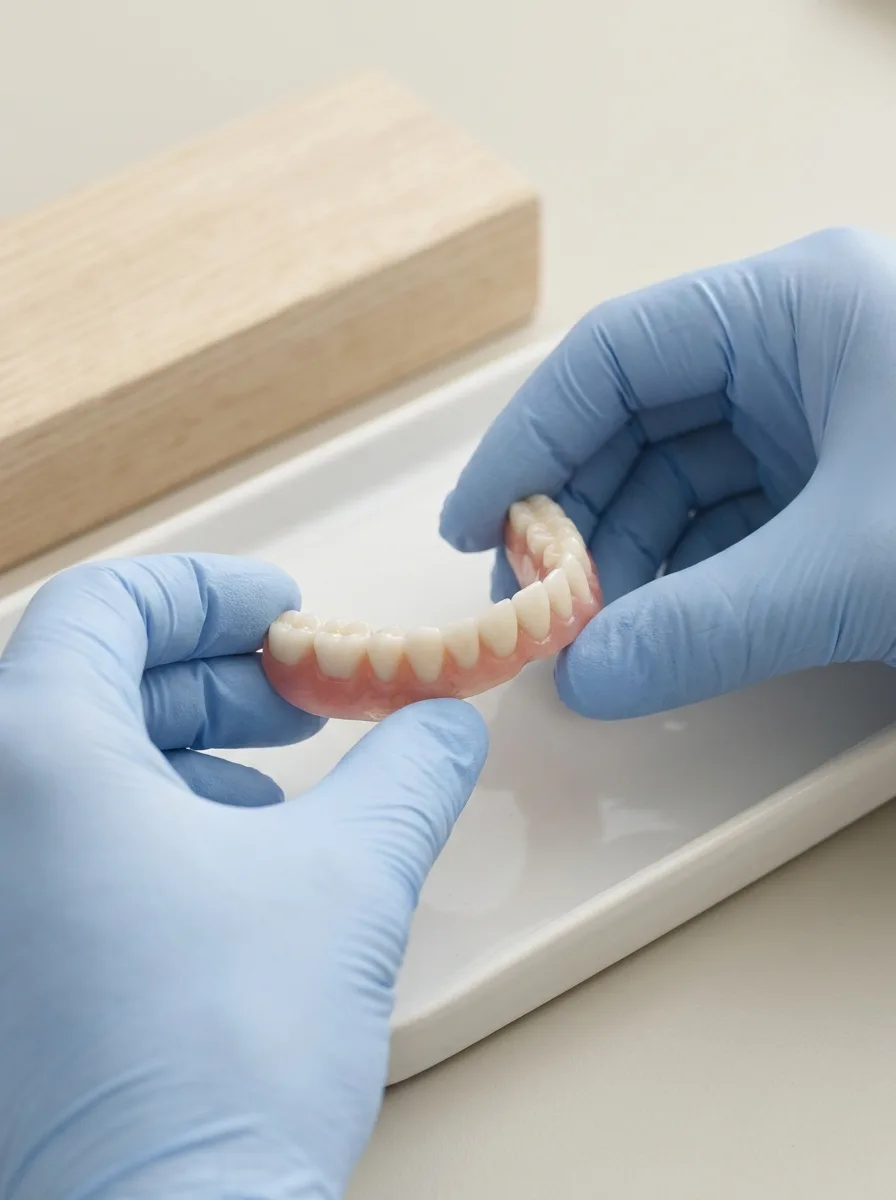
Dentures replace multiple missing teeth with a removable appliance. A partial denture fits around remaining teeth; a complete denture replaces all teeth in an arch. Design, fit, and the condition of supporting tissues influence comfort and function. Dentures are one option alongside bridges and implant-supported replacements.
The denture base carries the artificial teeth and rests against the mouth's tissues. A partial design also uses the remaining teeth as part of its support and retention. Cheek and tongue movements influence how a removable appliance behaves during eating and speech. Learning to control a new denture is therefore part of adaptation, rather than evidence that it works exactly like natural teeth immediately.
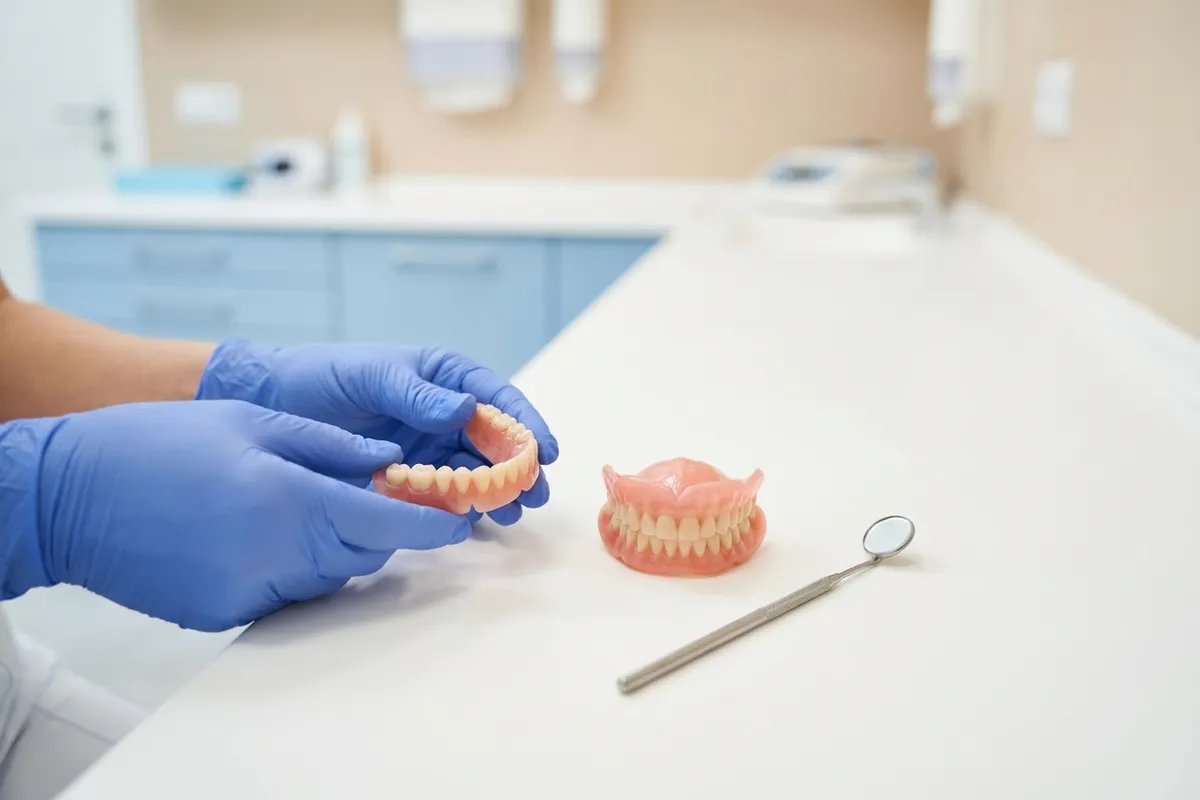
Reasons to Consider a Removable Replacement
Missing teeth can make eating, speaking, and smiling more difficult. A denture can restore useful function and support appearance, although it may feel different from natural teeth. A partial must also work with the remaining teeth and gums. The plan balances these needs with cleaning, maintenance, and your preferences.
Missing teeth can affect eating, speech and confidence, but a removable replacement needs to be planned around the mouth as it is now. The shape of the ridge and the position of remaining teeth influence stability. A previous denture that has become loose may need assessment for adjustment, relining or replacement rather than simply more adhesive or a similar appliance made without examination.
- Complete dentures replace a full arch, while partial dentures work around remaining teeth and must protect those teeth during use.
- A removable replacement can restore useful chewing and appearance, although adaptation and limitations differ from those of natural teeth.
- Poorly fitting dentures can create sore areas or instability, so increasing adhesive is not always the appropriate long-term solution.
Fit, Remaining Teeth and Daily Suitability
Tell your dentist about loose or broken dentures, sore spots, chewing difficulties, and any changes in speech or fit. If you still have natural teeth, their health matters to the design. A denture that becomes uncomfortable may need adjustment or replacement rather than more adhesive or an improvised repair.
Remaining teeth used to support a partial denture need assessment for decay and periodontal health. A dry mouth, delicate tissues or limited hand movement can make wearing and cleaning more difficult. Tell the dentist about gagging, previous sores or trouble removing an appliance. These details guide design and practical support; they do not automatically mean that the same replacement suits every patient.
- Tell your dentist whether this is your first denture or a replacement and which problems you experienced with a previous appliance.
- Remaining teeth need assessment for decay, gum support, and suitability as supports before a partial denture is designed.
- Discuss dry mouth, limited dexterity, or difficulty removing an appliance because these may affect comfort and the daily care plan.
Planning Fabrication and Adjustment Visits
Planning can begin before extractions when an immediate denture is being considered, or after tissues have healed for a conventional approach. Gums and bone change during healing, so fit may need adjustment. The dental team explain the likely stages and whether a temporary appliance is part of your plan.
Assessing the Mouth and Denture Supports
The dental team examine the remaining teeth, gums, supporting ridges, and bite, and review relevant health history. Impressions or scans and measurements help establish fit, tooth position, and appearance. The dental team discuss expectations for chewing and adaptation, as well as whether tooth-supported or implant-supported alternatives may be suitable.
- Impressions or scans record supporting tissues, while jaw measurements guide the position of teeth and how the arches meet.
- Where a trial stage is included, review appearance, speech, and bite before final processing, recognizing later adjustments may still be needed.
- If extractions are planned, compare immediate and later dentures and clarify how healing-related tissue changes will be managed.
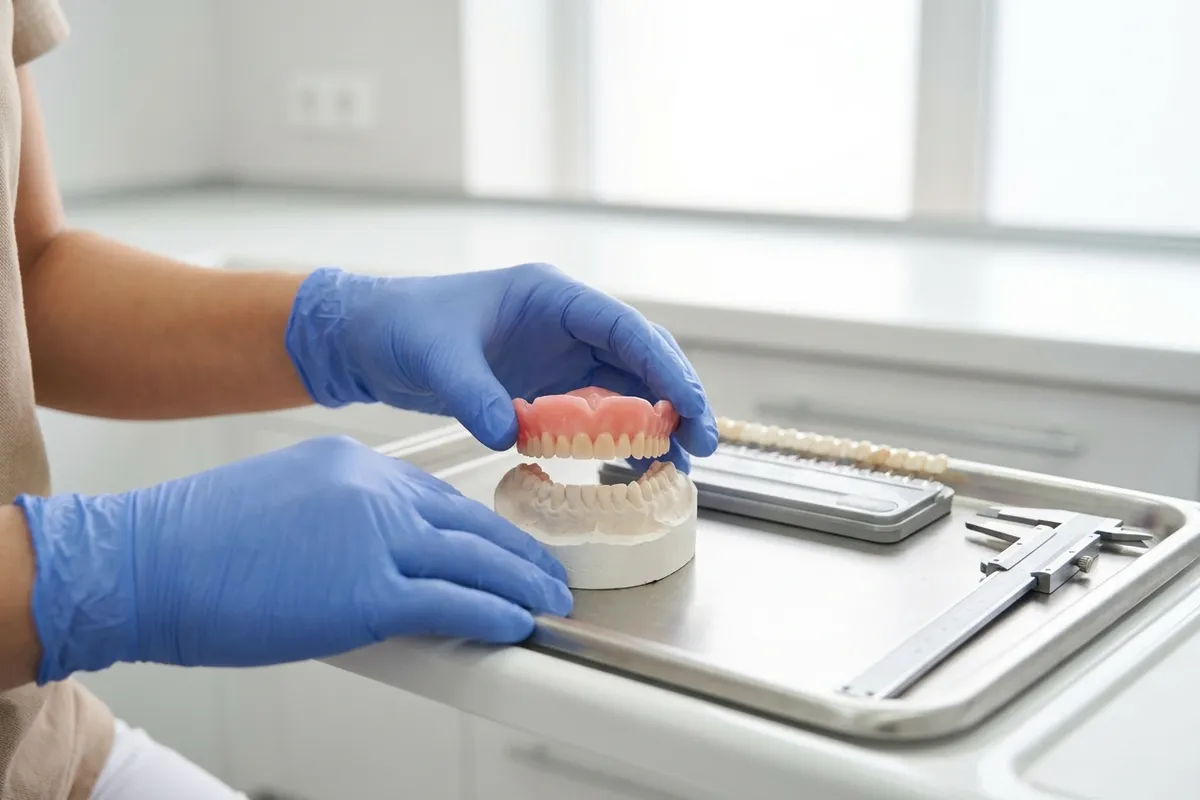
Denture Designs and Replacement Alternatives
Options include complete dentures, removable partials, and selected implant-supported designs. Fitting may involve several appointments and a trial stage to review appearance and bite. Adjustments after delivery are common. Let your dentist know where pressure or movement occurs so changes can be made to the appliance appropriately.
A removable denture may avoid implant surgery, but its movement and adaptation requirements differ from a fixed replacement. An implant-retained design may add stability in suitable cases and has separate surgical and maintenance demands. Discuss which designs can meet your needs and how worn components will be repaired. The comparison should include cleaning, comfort and future adjustments as well as appearance.
Cleaning, Wearing and Maintaining Dentures
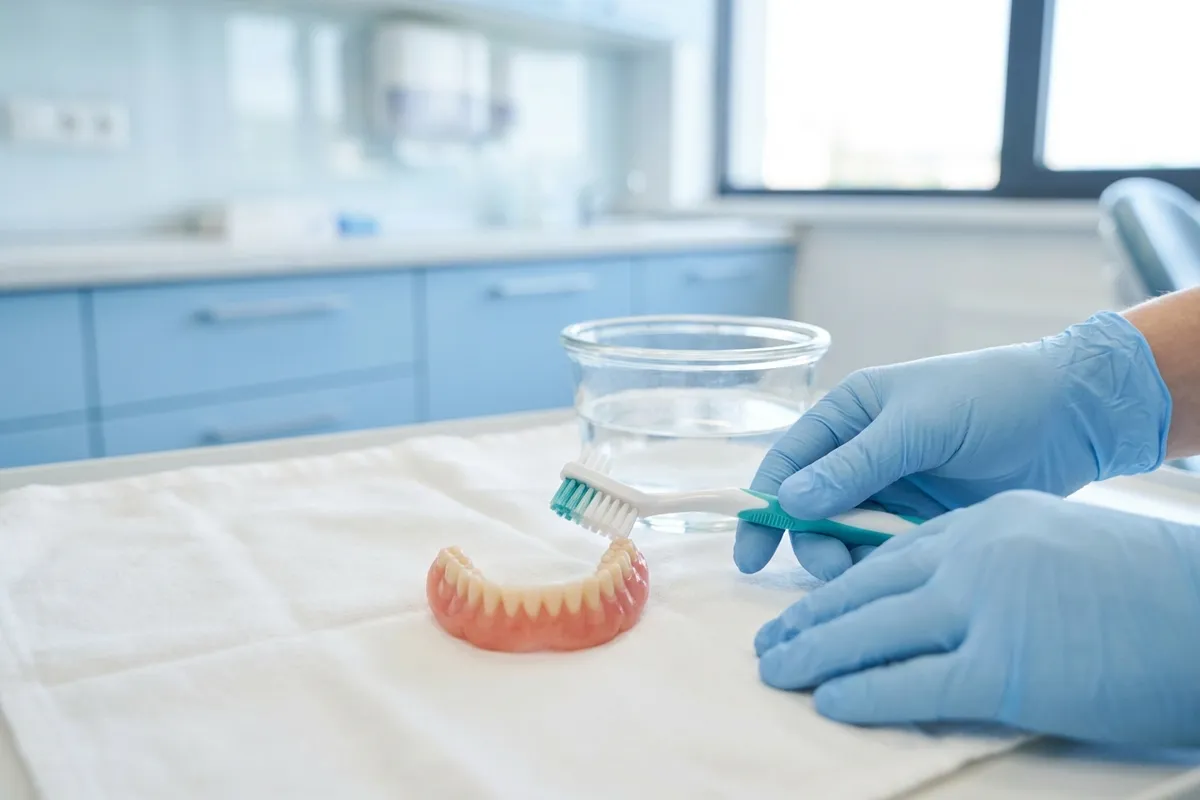
Clean dentures and oral tissues each day, follow instructions about storage and removal, and keep review appointments. Most removable dentures should be taken out during sleep unless directed otherwise. Never bend clasps or repair an appliance yourself. Persistent soreness, looseness, or a damaged denture needs professional attention.
With a partial denture, pay attention to the natural teeth beside its supporting parts. Take the appliance out to clean those tooth surfaces and the spaces between them, as well as cleaning the denture separately. For a complete denture, the gums, tongue, and palate still need gentle care. Cleaning only the artificial teeth leaves other areas of the mouth unattended.
- Start with manageable foods and follow guidance on adaptation; persistent rocking or soreness should be assessed rather than endured indefinitely.
- Clean the appliance outside the mouth using suitable products, rinse it thoroughly, and follow instructions for overnight removal and storage.
- Avoid hot water, bending clasps, or household glues; bring a cracked or poorly fitting denture for professional assessment.
Your denture fitting process
Making dentures involves choosing the right design, recording the mouth and refining the fit as you adapt to the appliance.
Choose a denture design
The dentist examines the gums, remaining teeth and areas of tooth loss. Discuss a complete or partial denture, alternatives and how any planned extractions or tissue healing could affect fitting and later adjustments.
Record the mouth and check the setup
Measurements and impressions guide denture construction, including tooth position and the way the jaws meet. Trial stages may be used to assess appearance and bite before the appliance is completed; the sequence varies with the design.
Fit, adapt and adjust
At delivery, the denture is checked for comfort and function, with cleaning and removal instructions. Follow-up visits address sore spots or instability, and changing gum or bone contours may eventually require a reline or replacement.
Other Services



Questions About Your Care

Request your appointment today
Riverside West Dental Group is accepting new patients. We greet you by your first name and treat you like family.
Why patients choose Riverside West Dental
Dr. Steven S. Kim brings 30 years of experience to Riverside West Dental Group.
Experienced doctor
Dr. Kim provides efficient care for routine checkups and complex cases.
Clear explanations
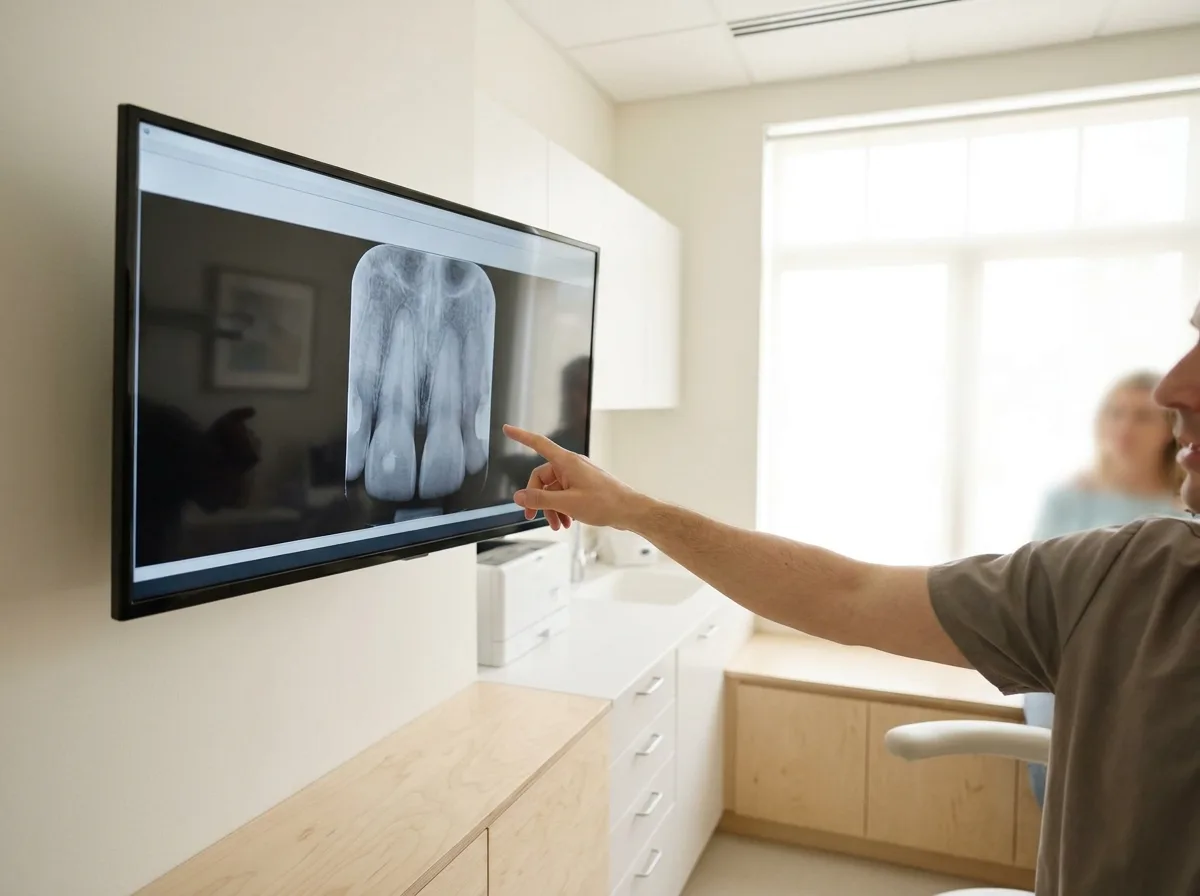
You hear every finding in plain words before a plan is made.

Consistent care
You see the exact same dentist every time you visit our office.
We're waiting for you in Riverside
6945 Streeter Ave
Riverside, CA 92504
- Monday, Thursday and Friday
- 9:00AM – 6:00PM
- Tuesday, Wednesday and the weekend
- Closed