Smile Makeover in Riverside
A smile makeover is not one treatment but a plan: the right combination of whitening, bonding, veneers, crowns or alignment to reach the smile you have in mind.
A Smile Makeover Is an Individual Plan
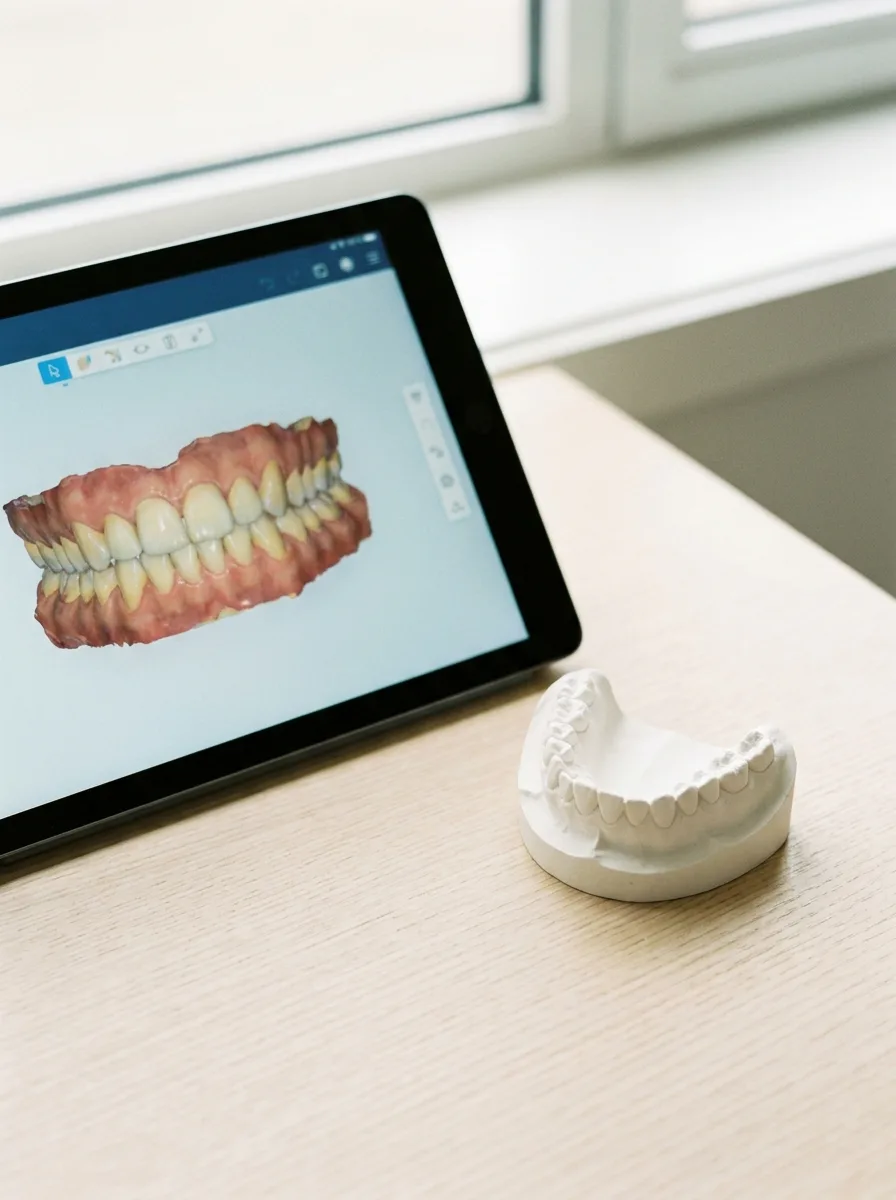
A smile makeover coordinates selected treatments to address several appearance or functional goals. It may include whitening, bonding, veneers, restorations, or alignment. It is not a fixed package and does not mean every tooth needs treatment. Planning begins with your oral health and the specific concerns you would like to address.
A written plan helps distinguish teeth that will stay unchanged from those receiving a specific procedure. It can identify which changes are essential repairs and which are optional appearance goals. This gives you a way to consider each part separately: improving one tooth does not commit you to changing the whole arch, and declining an elective stage need not mean abandoning necessary dental care.
Deciding Which Changes Matter to You
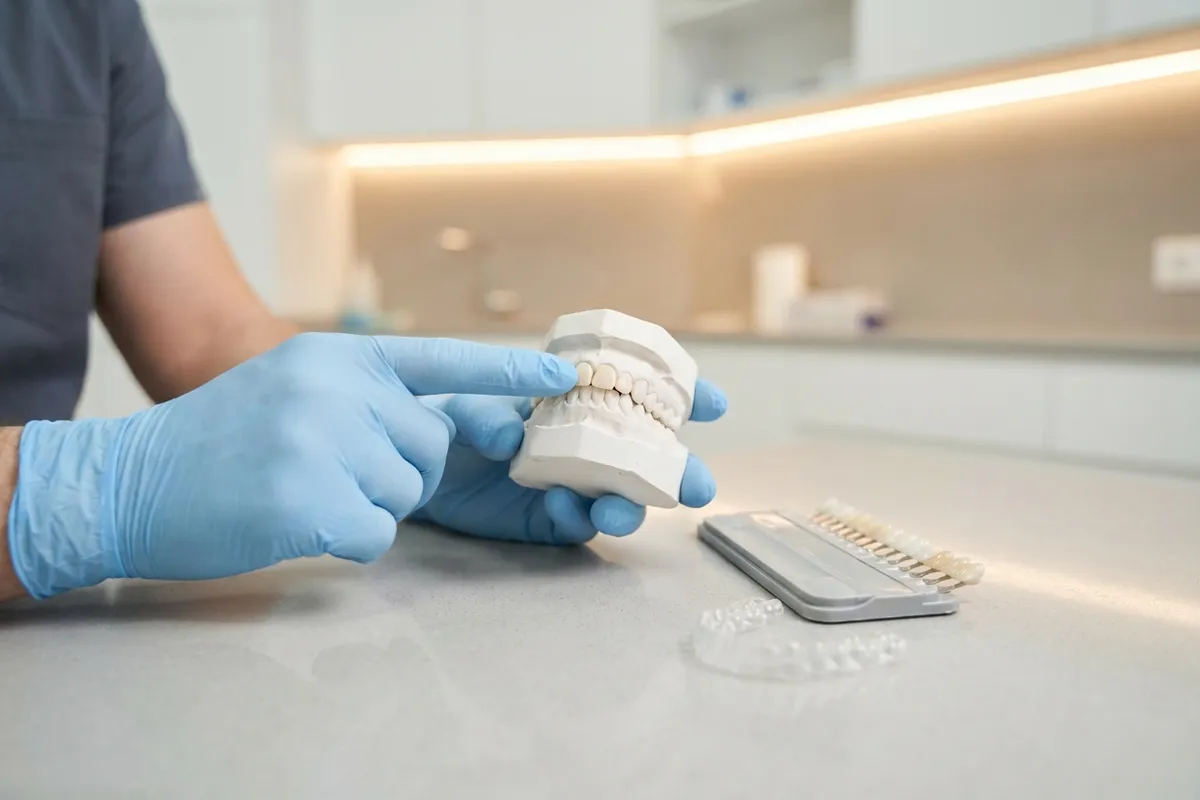
Treatments can influence one another: whitening before choosing a crown can change the appropriate shade, and moving teeth may reduce later preparation. Coordinating stages helps avoid unnecessary work. It also separates health priorities from elective changes and allows a broader plan to be compared with more conservative alternatives.
List the features that matter most to you, such as a chipped edge, uneven colour or an uncomfortable gap. This helps distinguish essential repairs from elective changes. Some concerns may be addressed by one conservative treatment rather than several restorations. If damage keeps recurring, finding its cause is part of planning a maintainable result rather than simply recreating a preferred appearance.
- A coordinated plan can address several goals such as color, uneven edges, spacing, or missing teeth without assuming every tooth needs alteration.
- Whitening, alignment, and restorative work can influence one another, making treatment order important for shade selection and preparation.
- Conservative options or treating only selected areas may meet your goals with less intervention than a uniform full-smile approach.
Health, Bite and Suitability for Combined Care
Explain what you want to change and what you like about your current smile. Concerns may include color, uneven edges, gaps, missing teeth, or existing restorations. Photographs help describe preferences, but the result depends on your teeth, gums, and bite. Discuss comfort, cleaning access, budget, and expected maintenance as well.
Decay, periodontal disease and unstable restorations need assessment before cosmetic steps are planned around them. Grinding, sensitivity and limited cleaning access can also affect the proposed result. Explain practical constraints such as appointment availability and the ability to maintain appliances. These details help the dentist compare realistic approaches and decide whether another clinician should assess a complex part of the plan.
- Explain the features you like as well as those you want changed so planning preserves aspects of your current smile.
- Discuss active dental disease, grinding, sensitivity, and existing restorations before deciding which appearance changes are appropriate.
- Include comfort, cleaning access, budget, time, and future repairs among your priorities rather than judging a plan only by a preview image.
Sequencing Treatment and Allowing Time
Decay, gum disease, and structural concerns are assessed first. Alignment, healing, and whitening may need completion before certain restorations. The plan can be staged according to clinical needs and your priorities. An event date should not replace the time needed for treatment, fabrication, or recovery.
Assessing the Whole Smile and Its Supports
The dental team assess teeth, gums, the bite, and existing restorations alongside your appearance and functional goals. Appropriate records support discussion of options and sequencing. The dental team explain what can be previewed and where biological or material limits apply. Planning also identifies whether specialist assessment is needed for any part of treatment.
- The assessment identifies health priorities and evaluates teeth, gums, bite, and records relevant to the proposed combination of care.
- Ask which procedures are essential for function or disease management and which are elective changes you can choose to defer.
- Clarify sequencing, any temporary or trial stage, specialist involvement, and how the plan can be adjusted if goals or circumstances change.
Comparing Staged and Limited Changes
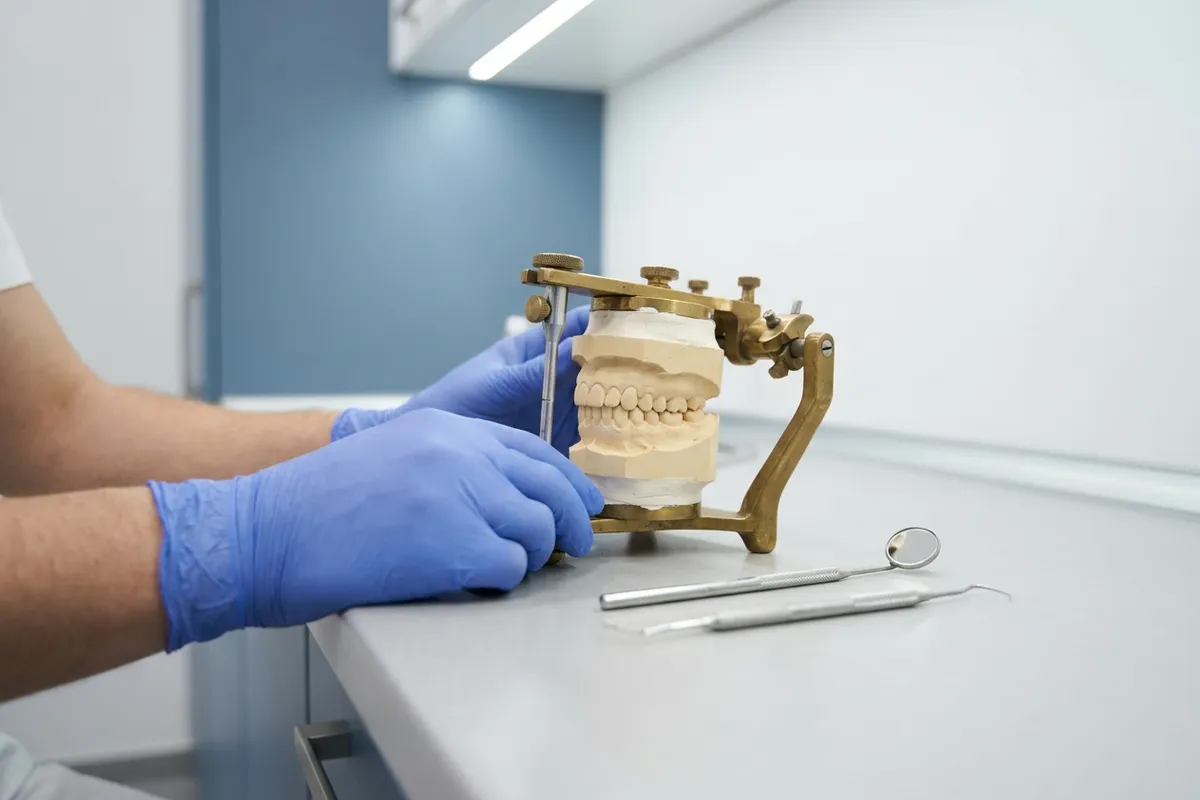
Whitening changes suitable natural tooth color; bonding and veneers change shape; aligners move teeth; restorations repair or replace structures. These choices differ in preparation, reversibility, cost, and maintenance. The dental team compare combinations and conservative alternatives, including doing less when it can meet your goals without unnecessary changes.
Compare a limited change with a staged combination and ask what each step contributes. Orthodontic movement, whitening and shade-matched restorations may need a deliberate sequence so one stage does not undermine another. Irreversible preparation deserves separate consideration for each tooth. Understand expected maintenance and future repair, as well as how the plan could be adjusted if your priorities change.
Maintaining Each Part of the Result
Once the planned stages are complete, maintenance needs to account for the combination you received. Natural teeth and restoration margins still need daily cleaning and preventive reviews. Report persistent sensitivity, an uncomfortable bite, or a loose restoration promptly. Different parts of the result may need attention at different times, so keep the continuing care plan alongside your treatment records.
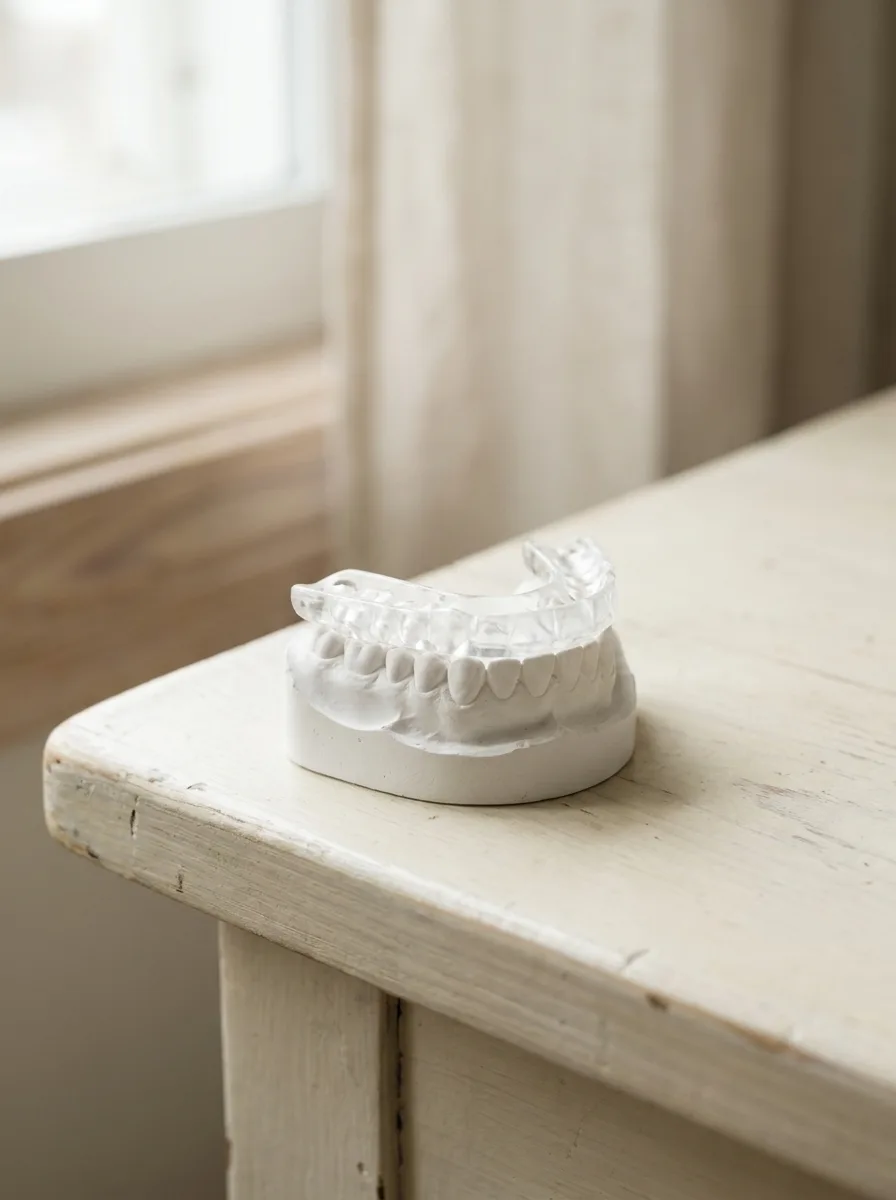
Combined care can change how an existing appliance fits. A retainer made before a new veneer or crown may not seat over the altered tooth shape. Coordinate that fitting with the treating clinicians rather than forcing an old appliance into place. Keep a record of completed stages so future adjustments, whitening, or repairs can account for which teeth were moved, restored, or left natural.
- Follow each procedure's aftercare and complete staged appointments; the plan may not be finished when the most visible change appears.
- Maintain any prescribed retainer or protective appliance, and continue cleaning around natural teeth and restoration margins.
- Review changes in comfort, appearance, and bite over time, including the possibility of repairs, replacement, or future maintenance of individual treatments.
Your smile makeover stages
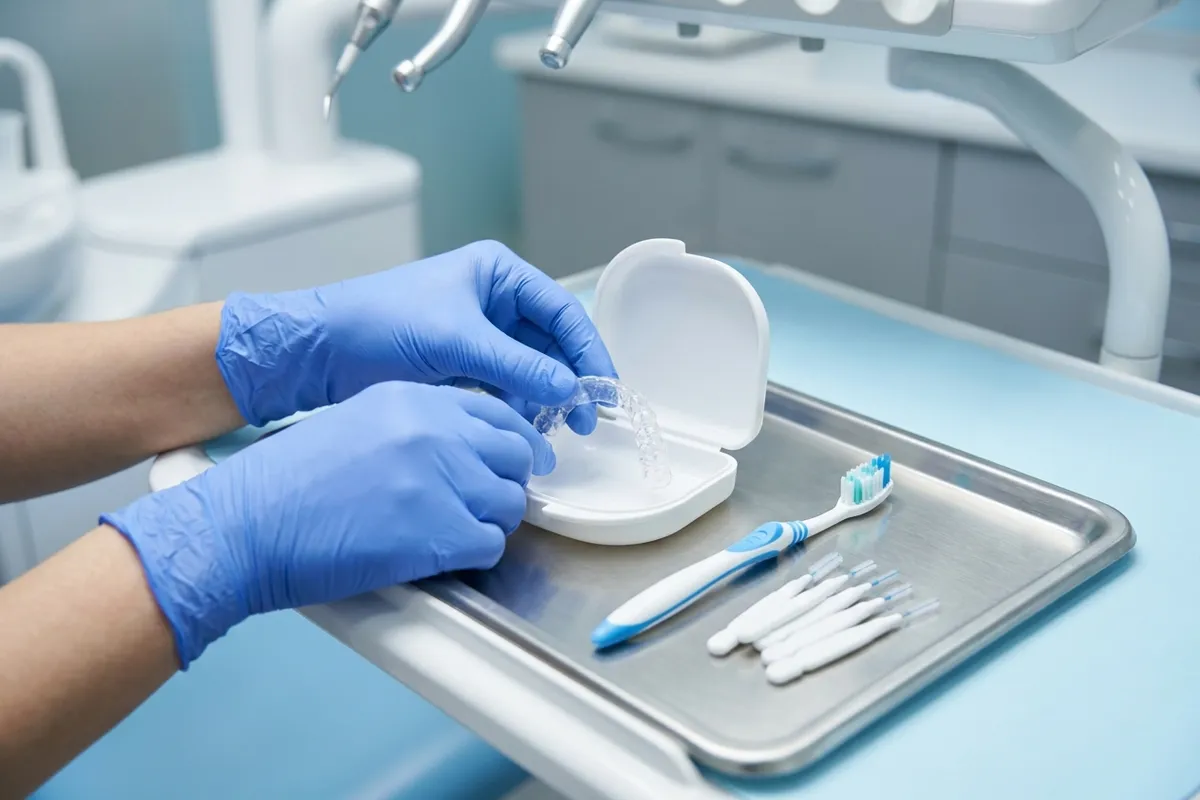
A makeover coordinates several possible treatments, with the order determined by dental health, bite and the changes you choose.
Set goals and assess the whole smile
Review concerns across the teeth and gums, including missing teeth, tooth position and previous restorations. The assessment identifies health problems and bite issues that affect which aesthetic changes are practical.
Agree the treatment sequence
Compare the options, costs and maintenance commitments for each part of the plan. Disease treatment or tooth movement may come before whitening and final restorations, so later work fits the resulting tooth positions and appearance.
Complete stages and review the result
Each agreed stage is checked before moving to the next, with attention to appearance, comfort and function. The final maintenance plan covers all treatments involved, including restorations, retainers or implants where these are part of your care.
Other Services







Questions About Your Care

Request your appointment today
Riverside West Dental Group is accepting new patients. We greet you by your first name and treat you like family.
Why patients choose Riverside West Dental
Dr. Steven S. Kim brings 30 years of experience to Riverside West Dental Group.
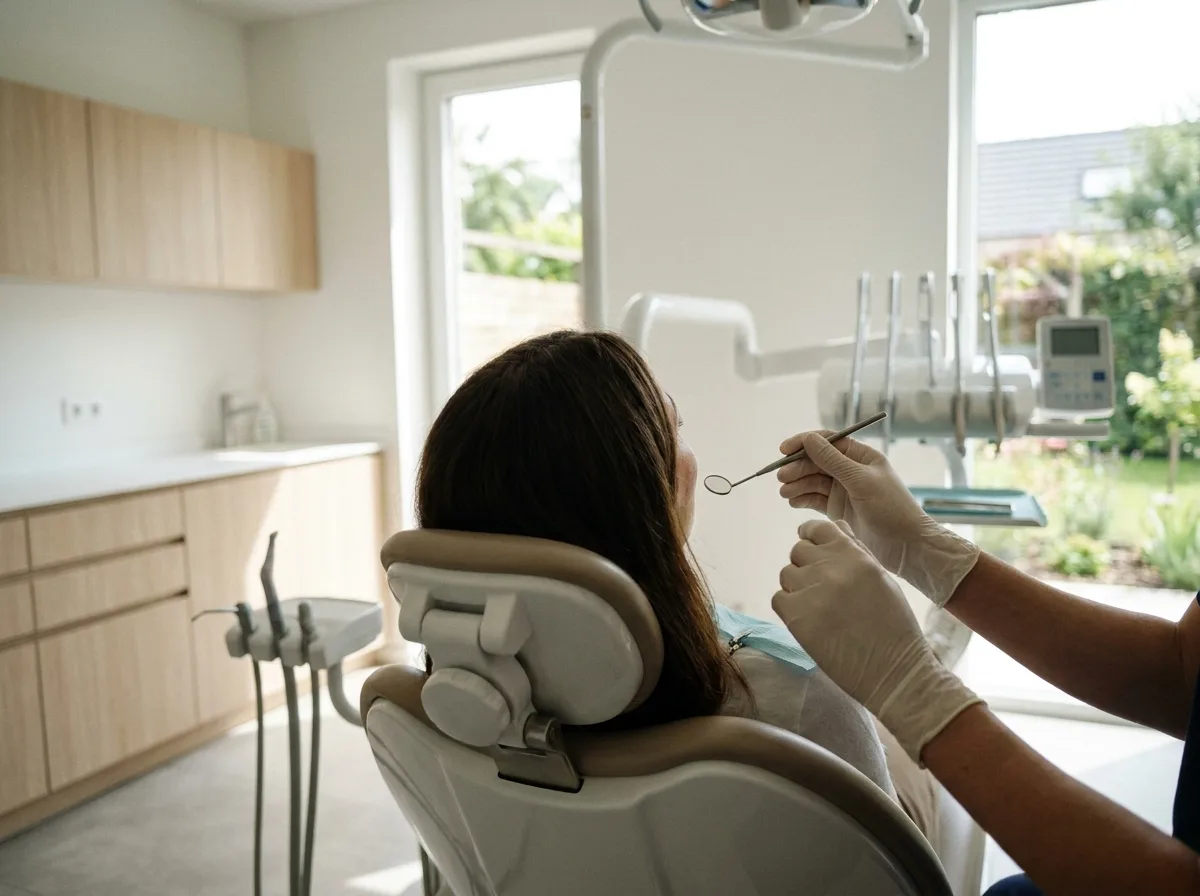
Experienced doctor
Dr. Kim provides efficient care for routine checkups and complex cases.
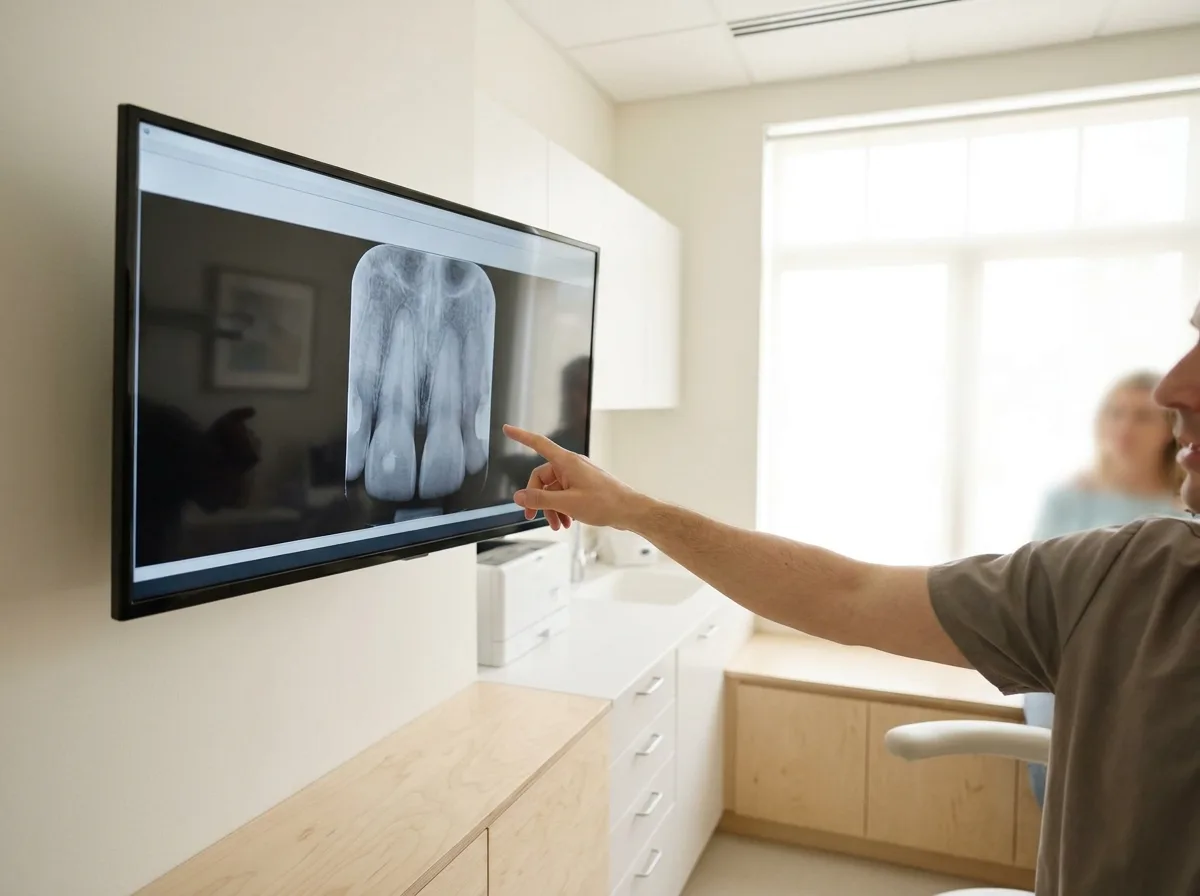
Clear explanations
You hear every finding in plain words before a plan is made.

Consistent care
You see the exact same dentist every time you visit our office.
We're waiting for you in Riverside
6945 Streeter Ave
Riverside, CA 92504
- Monday, Thursday and Friday
- 9:00AM – 6:00PM
- Tuesday, Wednesday and the weekend
- Closed