Night Guard For Teeth Grinding: A Patient Guide to Night Guards for Grinding
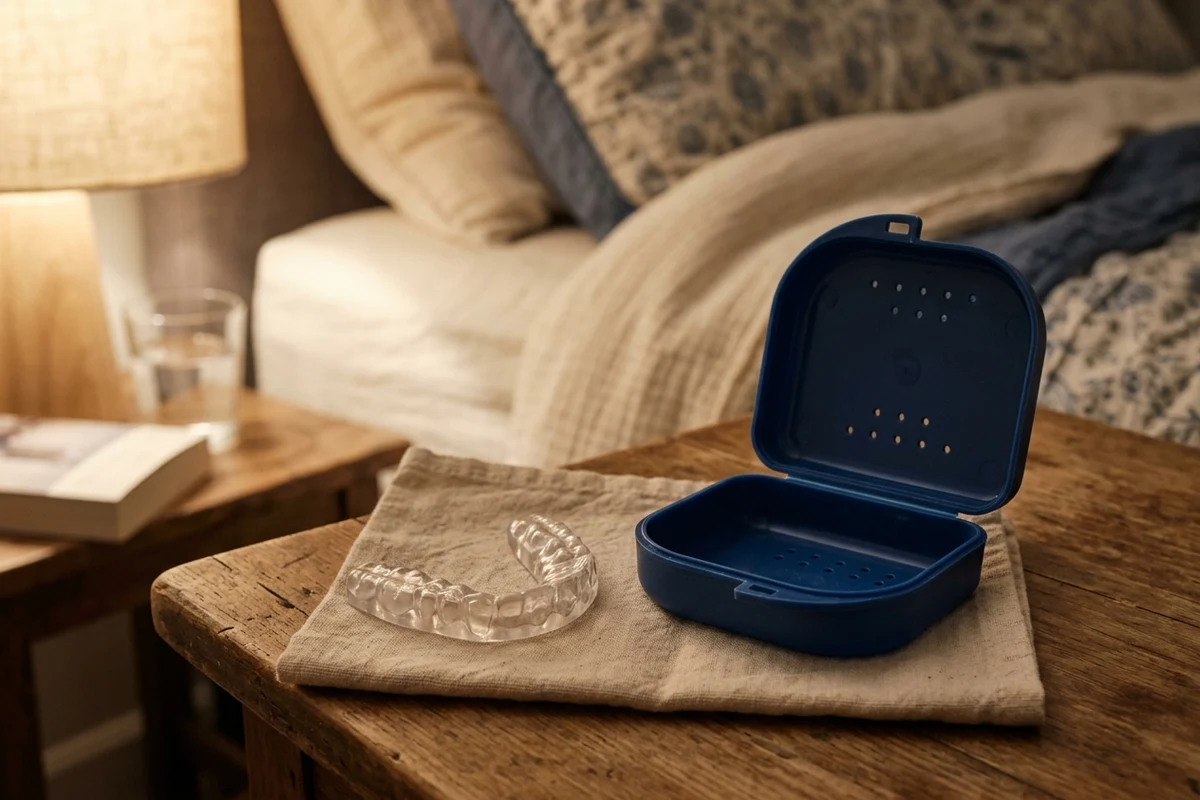
A night guard for teeth grinding may help limit tooth wear, but it does not necessarily stop grinding or resolve jaw pain. Learn when a dentist may recommend one and how fit and care matter.
Understanding nocturnal grinding and protective appliances
Sleep bruxism involves involuntary clenching or grinding of teeth during rest, often exerting substantial force across the dental arches. Wearing an intraoral appliance creates a resilient surface between the upper and lower teeth, safeguarding structural dental health.[1][2]
The mechanical nature of nighttime clenching
Nocturnal grinding occurs unconsciously through repetitive contractions of the masticatory chewing muscles. Because natural protective reflexes are diminished during deep sleep cycles, the jaw can generate intense bite forces that wear down protective enamel and strain the surrounding connective tissues.[1][2]
How an occlusal guard functions
A dental night guard, also called an occlusal splint, places a barrier between the upper and lower teeth. When appropriately fitted, it may reduce damage from tooth-on-tooth contact and help protect existing dental work. Some pressure, chips, or wear may still occur, so the appliance should be checked during dental visits.[1][2]
Contributing factors behind nighttime grinding
Identifying why teeth grinding develops helps patients and clinicians address compounding health elements alongside appliance therapy. Emotional stress, sleep-related breathing disturbances, lifestyle routines, and bite alignment can each influence the frequency and severity of nighttime clenching episodes.[1][2]
Stress and physiological sleep influences
Emotional tension and chronic daily anxiety are primary triggers that elevate muscular hyperactivity during sleep. Furthermore, nocturnal grinding frequently correlates with sleep disruptions and breathing disorders, such as obstructive sleep apnea, where micro-arousals inadvertently activate the jaw muscles and stimulate clenching.[1][2]
Lifestyle factors and occlusal harmony
Routine consumption of stimulants such as caffeine, heavy alcohol intake, and tobacco use are clinically associated with heightened bruxism activity. Additionally, uneven bites, crooked teeth, or missing dentition can destabilize standard jaw mechanics, prompting compensatory grinding motions during nocturnal rest.[1][2]
Signs that indicate a need for dental evaluation
Because bruxism primarily happens during sleep, many individuals remain unaware of their condition until chronic symptoms arise. Recognizing progressive oral changes or morning discomfort ensures timely intervention before irreversible enamel loss or joint complications develop.[1][2][4]
Common indicators of nocturnal clenching
Persistent morning discomfort often signals intense nocturnal jaw activity. Scheduling a comprehensive clinical evaluation becomes essential when patients detect ongoing physical changes in their teeth, facial musculature, or temporomandibular joints.[1][2][4]
- Noticeable flattening, chipping, or fracturing of tooth biting edges
- Dull morning tension headaches radiating outward through the temples
- Persistent tightness, fatigue, or soreness in the jaw muscles upon waking
- Heightened tooth sensitivity to temperature caused by exposed underlying dentin
- Clicking, popping, or localized pain within the temporomandibular joint
Professional assessment and appliance planning
A dentist performs a systematic examination to evaluate wear patterns, joint mobility, and jaw muscle tenderness. This clinical assessment confirms whether an occlusal guard is appropriate and determines the optimal appliance design for long-term oral stability.[1][2][4]
The clinical diagnostic process
During an examination, the practitioner inspects the dentition for micro-fractures, tracks wear facets, and palpates the temporomandibular joints and masseter muscles for inflammation. The dental provider also evaluates bite relationships and screens for underlying airway or sleep concerns that might warrant collaborative medical evaluation.[1][2][4]
Comparing custom guards and over-the-counter alternatives
Selecting an appliance involves considering fit, durability, comfort, and the patient’s symptoms. A dentist can compare custom and over-the-counter options, explain their limitations, and check whether a guard is appropriate. A poorly fitting appliance may cause discomfort and should be assessed rather than worn through pain.[2][5]
Custom laboratory fabrication versus retail guards
Professionally fabricated night guards utilize durable dental materials shaped precisely to the patient's individual dental anatomy. In contrast, boil-and-bite retail guards often fit loosely, wear down quickly, and feature spongy textures that may inadvertently encourage increased chewing reflexes and bite misalignment over time.[2][5]
Distinct differences from athletic mouthguards
Athletic mouthguards are specifically engineered from thick, pliable materials to protect dentition from external impact trauma during sports. Wearing an athletic mouthguard to bed is counterproductive because its bulky design can disrupt natural resting jaw posture, limit airflow, and increase nocturnal muscle fatigue.[5]
The appliance fabrication and fitting procedure
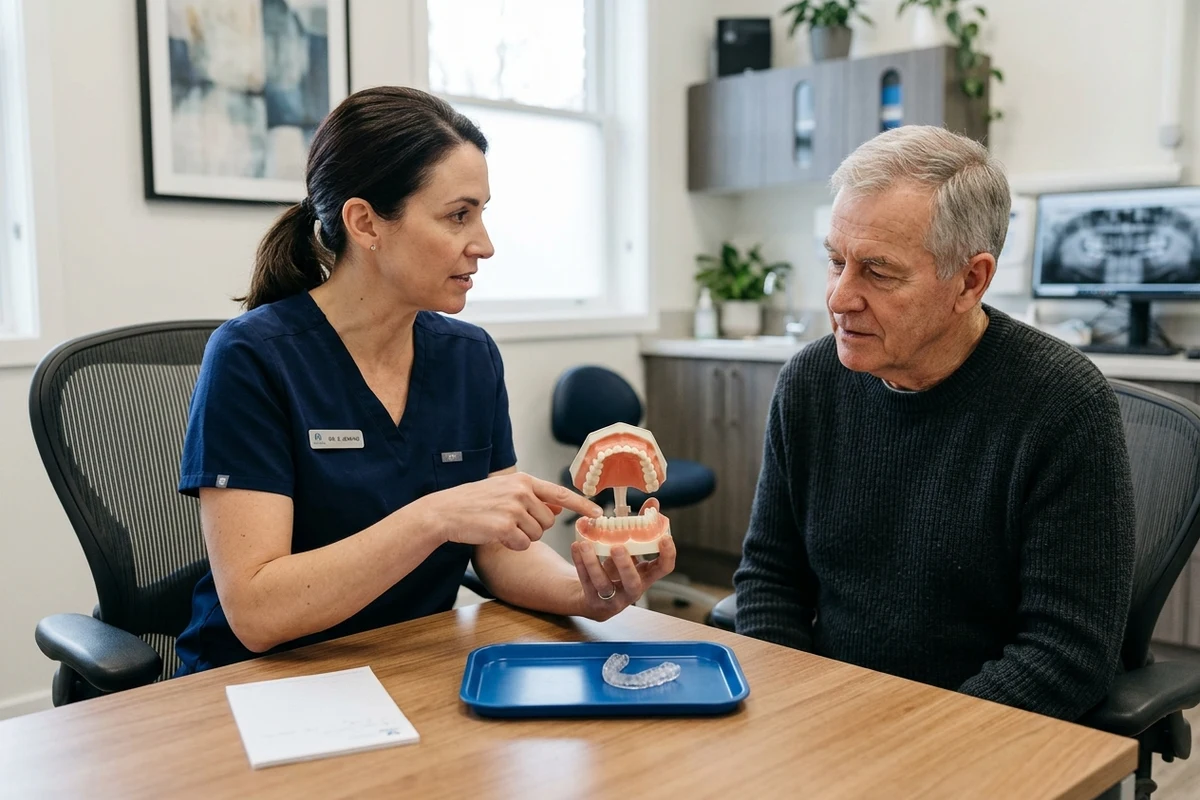
A custom night guard usually involves an impression or digital scan followed by a fitting, though the number of visits varies. The dentist checks comfort and contact between the teeth, then may adjust the appliance. Follow-up is useful if the fit changes or symptoms persist.[2]
Capturing accurate dental impressions
At the initial appointment, detailed impressions or optical digital scans are gathered of the dental arches along with a precise bite registration. These models are sent to an authorized dental laboratory where technicians construct a rigid or dual-laminate guard tailored to the patient's specific jaw structure.[2]
Appliance delivery and bite calibration
Once the appliance is fabricated, the patient returns for an individualized fitting. The dentist evaluates the retentive fit and carefully calibrates the smooth outer surface using articulating paper, ensuring opposing teeth contact evenly without creating uncomfortable pressure points on natural teeth.[2]
Daily maintenance and appliance longevity
Regular cleaning and appropriate storage help keep a night guard usable and hygienic. Appliances can still wear out or change shape over time. Follow the practice’s instructions for the specific material, and bring the guard to checkups so the team can examine its fit and condition.[2][5]
Routines for cleaning and safe storage
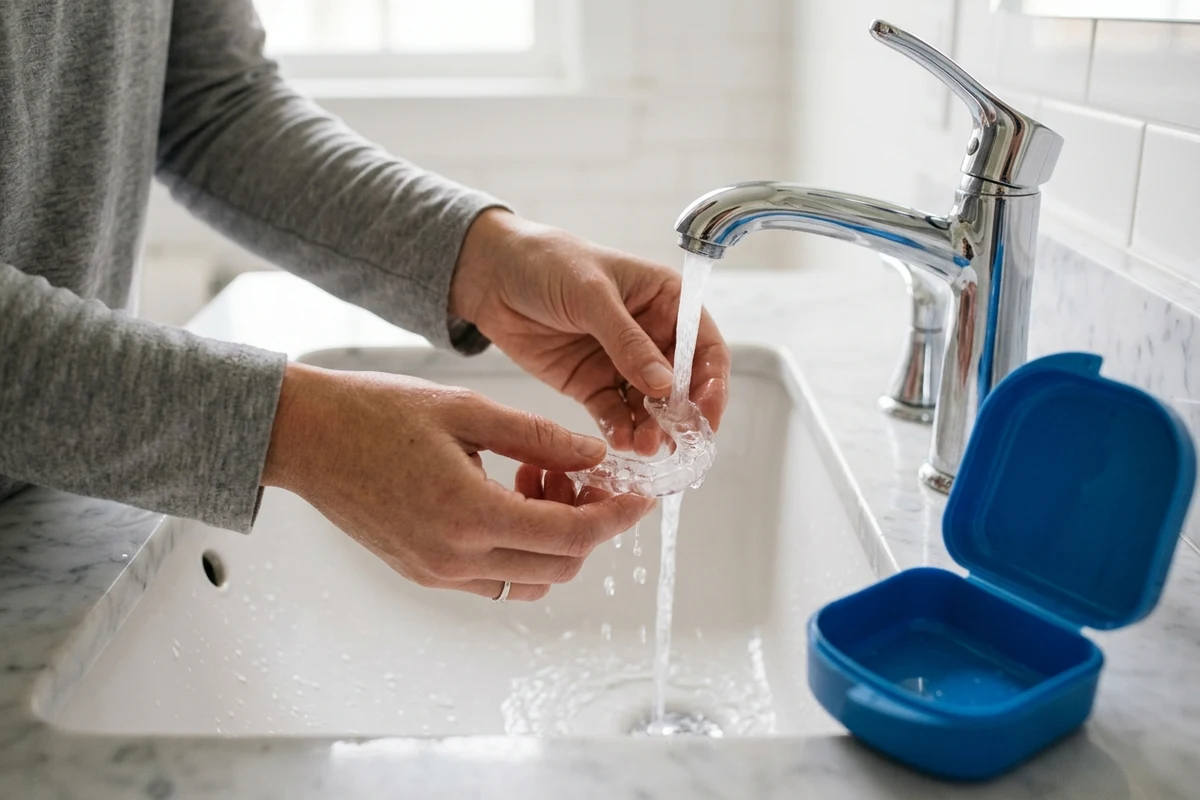
Clean a removable guard as directed by your dental team, often with a soft brush and cool water. Hot water can distort some materials. Let the appliance dry and store it in its case according to the maker’s instructions; ask the practice about the right cleaning method for your guard.[2][5]
Monitoring wear and appliance replacement
A well-maintained custom night guard typically lasts several years, depending on clenching severity. Patients should bring their appliance to regular dental checkups so the clinician can evaluate bite marks, confirm retentive stability, and replace the guard when excessive thinning or cracking appears.[2]
Appliance limitations and comprehensive management
A guard may protect teeth from some wear, but it does not necessarily stop grinding or resolve jaw pain. A dentist may discuss other contributors and care options based on an examination. Let the practice know if symptoms continue or the appliance is uncomfortable.[1][2][4]
Integrating supportive self-care and habit modification
Applying moist heat can relax tense jaw muscles, while avoiding chewing gum, tough foods, and non-nutritive habits reduces strain on temporomandibular tissues. Practicing stress management techniques and adopting daytime posture awareness, keeping lips together and teeth apart, further diminishes total masticatory muscle fatigue.[1][2][4]
Sources
- nih.gov — National Institute of Dental and Craniofacial Research
- mouthhealthy.org — American Dental Association
- mouthhealthy.org — American Dental Association
- mouthhealthy.org — American Dental Association
- mouthhealthy.org — American Dental Association
Common questions
Frequently asked questions
Ask Riverside West Dental Group about your care
If you experience morning jaw soreness or suspect nocturnal teeth grinding, request an appointment at Riverside West Dental Group to explore custom night guard options and discuss your personal oral health needs.